- The RBI reports that 98.44% of Rs 2,000 banknotes have been successfully returned to the banking system.
- Approximately Rs 5,551 crore remains outstanding in circulation as of the end of February 2026.
- Notes remain legal tender and can be exchanged at 19 offices or sent via India Post.
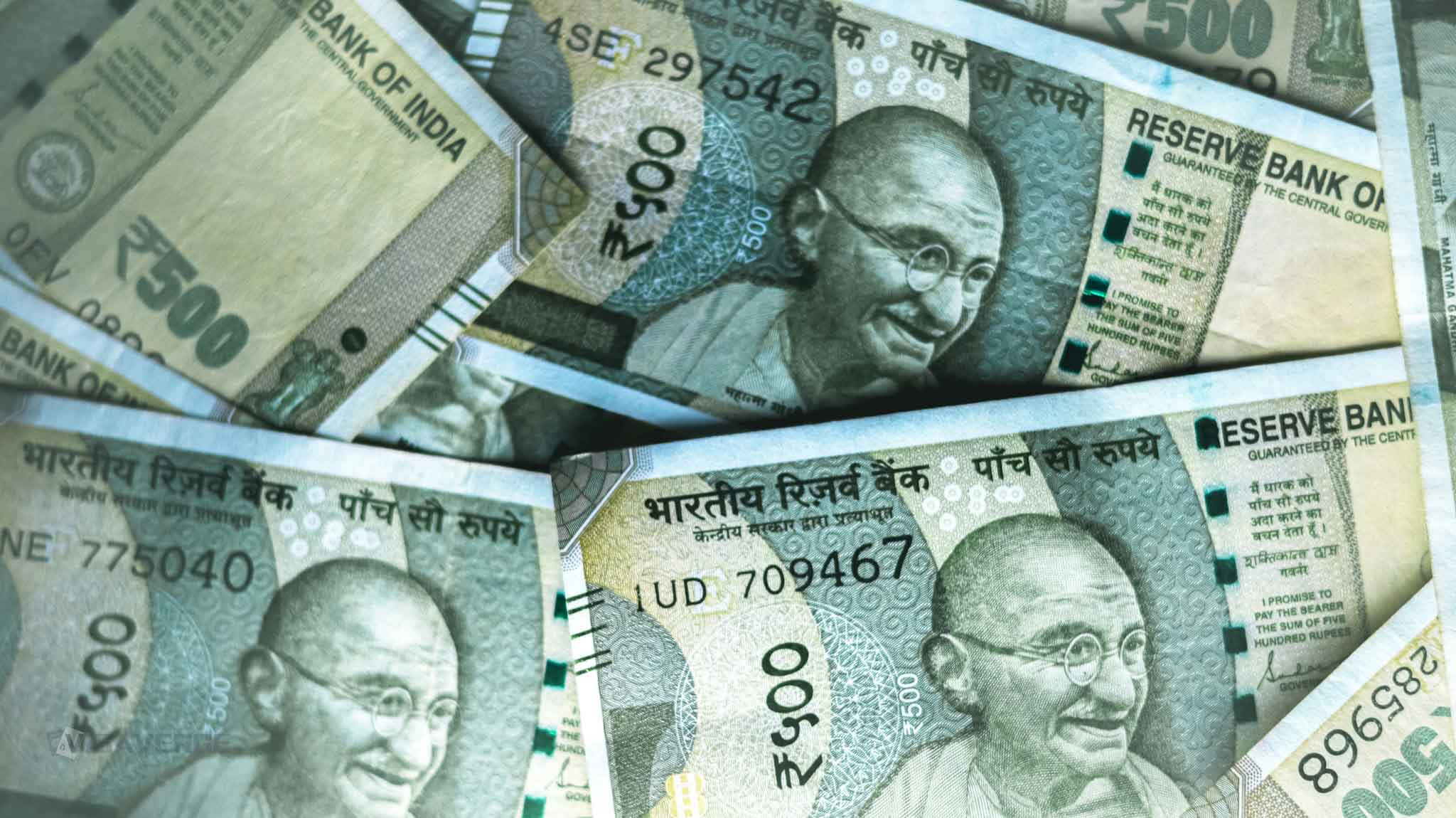
(INDIA) — The Reserve Bank of India said 98.44% of Rs 2,000 banknotes in circulation at the time of its RBI withdrawal announcement have been returned, leaving Rs 5,551 crore outstanding as of February 28, 2026.
That остат remains from Rs 3.56 lakh crore (Rs 3,56,000 crore) worth of Rs 2,000 notes that were in circulation on May 19, 2023, when the central bank began withdrawing the denomination from circulation under its Clean Note Policy.

The RBI announced the withdrawal on May 19, 2023, describing it as part of the Clean Note Policy aimed at ensuring good quality banknotes, while keeping the notes as legal tender.
The return figures mark the latest point in a series of updates the RBI has issued through periodic press releases as it tracks how many of the high-value notes have come back into the banking system.
When the withdrawal was announced, holders of the notes could use bank branches to deposit or exchange them, an arrangement that later narrowed to RBI facilities as the window at regular branches closed.
October 7, 2023, became a turning point in that process, as the deposit and exchange facility ended at all bank branches on that date.
Two days later, on October 9, 2023, RBI’s 19 issue offices began accepting the notes for deposit into bank accounts, with the exchange option at those offices available since May 19, 2023.
The RBI’s later updates showed the outstanding value continuing to shrink, even after the end of branch-based exchange and deposit.
By December 31, 2025, the RBI reported Rs 5,669 crore remaining, with ~98.41% returned.
A subsequent update put the outstanding amount at Rs 5,609 crore as of January 31, 2026, with 98.42% returned.
The latest reported figure, dated February 28, 2026, showed Rs 5,551 crore still not returned, alongside the 98.44% return level.
Those figures leave the RBI, banks and the public with a narrower set of channels to route the notes back, while the central bank continues to emphasize that the denomination remains valid for transactions.
As of March 2026, the RBI’s current options include exchange at RBI’s 19 issue offices.
Holders can also deposit Rs 2,000 notes at RBI issue offices into linked bank accounts, a route that directs the value into an account rather than swapping notes in hand.
Another route runs through the postal network, with people able to send the notes via India Post from any post office to RBI issue offices for account credit.
The continuing availability of those options sits alongside the legal position the RBI has maintained since the start of the withdrawal exercise.
Rs 2,000 notes were introduced in November 2016 after the 2016 demonetization, and the RBI has kept them as legal tender even as it removed them from circulation.
That distinction has remained central to the RBI’s messaging around the Clean Note Policy-driven withdrawal, which focused on the circulation of notes rather than their validity.
In practice, the RBI’s public reporting has focused on the value of notes returned and the value still outstanding, using successive cut-off dates that show the pace of return over time.
The May 19, 2023 baseline anchored the series, setting out the starting stock in circulation against which subsequent returns have been measured.
The October 7, 2023 end date for bank-branch exchange and deposit narrowed the most widely available channel and shifted attention to the RBI’s own network.
The October 9, 2023 start of acceptance at the RBI’s 19 issue offices for deposit into bank accounts provided an institutional backstop after the branch window closed.
The RBI’s updates across late 2025 and early 2026 then provided a snapshot of where the process stood after more than two years, using the remaining outstanding amounts to show what had yet to come back.
The central bank’s method of tracking, laid out through those periodic press releases, has allowed observers to compare how the outstanding stock changed between update dates without altering the legal tender status of the notes.
While the outstanding amount has now dropped to a fraction of the initial stock, the RBI has continued to publish the residual figure, keeping public attention on the remaining value that sits outside the banking channel.
The presence of India Post as a listed route also means access is not limited to those who can reach an RBI issue office directly, since notes can be sent from any post office for credit to an account.
At the same time, the RBI’s issue offices remain the focal point for in-person exchange, concentrating the remaining withdrawal work within the central bank’s own 19-office network.
By keeping the notes as legal tender, the RBI has separated the process of pulling the denomination out of circulation from any question over whether the notes can still be used for transactions.
That separation also frames how the RBI has reported the return process: the figures track what has come back to the central bank, not whether the notes retain their face value.
The Clean Note Policy reference in the May 19, 2023 announcement has remained the policy label attached to the withdrawal, with the RBI linking it to the goal of ensuring good quality banknotes.
The end result, as of the February 28, 2026 update, is a withdrawal exercise in which most of the value has returned to the RBI, while a smaller amount remains outstanding and can still be routed back through the channels the RBI continues to make available.
The RBI has not treated the remaining stock as invalid, continuing to describe Rs 2,000 notes as legal tender while reporting how much of the original circulation has been returned since the RBI withdrawal announcement.