About 400 immigrant children have been held in U.S. immigration custody longer than the 20 days allowed under the Flores Settlement Agreement, according to recent government filings that have alarmed children’s advocates and drawn fresh legal challenges. The admission, made in court papers in California, comes as the Trump administration pushes ahead with a new rule issued on August 23, 2025 that aims to replace Flores and allow the government to detain migrant families, including children, for an unlimited period.
What Flores requires
The Flores Settlement Agreement is a long‑standing court deal that sets basic standards for how the United States 🇺🇸 treats migrant children in custody.
One core rule is that children should not be kept in secure detention for more than 20 days, and that they must be placed in the “least restrictive setting” that is safe.

By acknowledging that about 400 immigrant children have already been held beyond that limit, the government has given fresh ammunition to critics who argue that the system is failing some of the most vulnerable people at the border.
The new regulation (August 23, 2025)
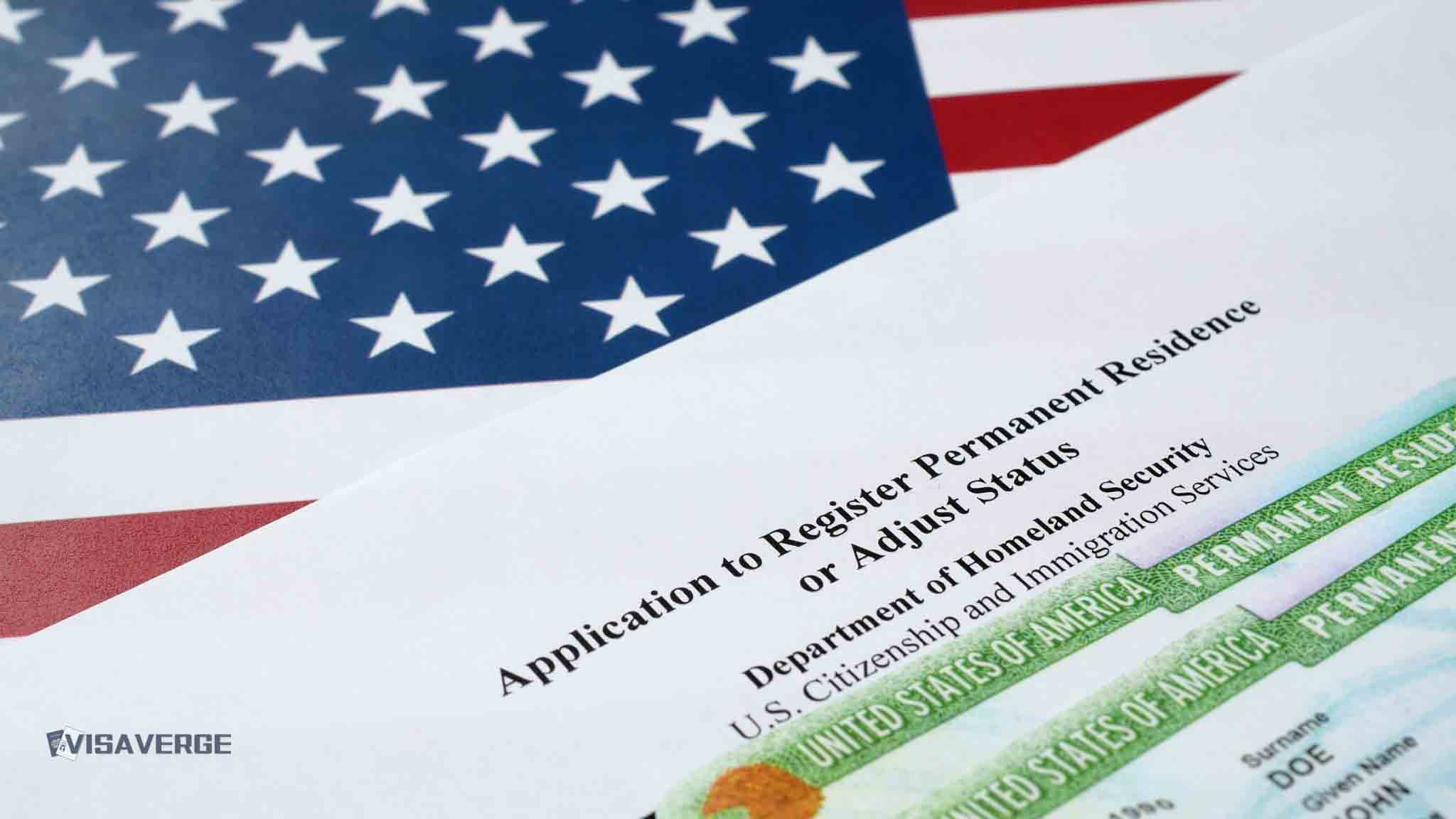
The new regulation issued on August 23, 2025 would allow indefinite detention of immigrant children when they are held together with their parents or guardians in family detention centers.
Administration officials say the rule is needed to:
– Prevent families from skipping immigration court hearings
– Discourage what they call “catch and release”
– Give more flexibility to keep families in custody while their cases move through the courts
If advising families, verify Flores protections still govern; document detention length and seek placement in the least restrictive safe setting while cases move forward.
The rule is designed to set up an alternative framework that, in the government’s view, replaces Flores and increases the ability to detain families for longer periods.
Advocates’ objections and welfare concerns
Immigrant and children’s rights groups see the change very differently. The Catholic Legal Immigration Network (CLINIC) and other advocates have condemned family detention centers as “essentially jails,” noting many facilities lack proper child‑care licensing or independent oversight.
They argue that locking up children for weeks or months — especially after long and dangerous journeys — can cause deep emotional harm. CLINIC has called the new rule unlawful and warned that it “targets children instead of protecting them.”
“Targets children instead of protecting them.” — CLINIC (as cited in advocacy statements)
Documented harms and deaths
The welfare concerns are concrete. Since 2018, seven children have died in federal immigration custody, according to advocacy reports cited in the court filings. Those deaths — while not all in family detention centers — have fueled fears about medical care, supervision, and basic safety in facilities run or overseen by federal agencies.
Be aware that proposed indefinite detention could worsen harm to children; facilities may lack proper licensing and oversight, increasing risks to safety, care quality, and rights enforcement.
Lawyers say the government’s admission that 400 children stayed beyond the 20‑day ceiling raises questions about:
– How many others came close to the limit
– What conditions those children faced during extended stays
Key numbers at a glance
| Item | Figure |
|---|---|
| Children held beyond Flores’ 20 days | About 400 |
| Flores time limit | 20 days |
| Date of new rule | August 23, 2025 |
| Children deaths in custody since 2018 | 7 |
| Timeframe for rule to take effect (if Judge finds compliance) | 60 days |
The legal battle — Judge Dolly Gee
At the center of the dispute is U.S. District Judge Dolly Gee of the Central District of California, who has overseen the Flores case for years. Judge Gee is now reviewing whether the administration’s new regulations comply with the Flores Settlement Agreement or illegally attempt to circumvent it.
Her ruling will determine whether the rule can take effect or must be blocked. If she finds the regulations do comply, the government has said they will go into force 60 days after her decision.
Children’s advocates are watching that timeline closely. If the rule survives Judge Gee’s review, federal agencies would have far more power to keep migrant families in custody until their immigration cases are finished — a process that can take many months.
Unaccompanied children and longer stays
According to analysis by VisaVerge.com, the move toward longer detention is not limited to families arriving together. Advocacy groups have reported that unaccompanied children — those who cross the border without a parent or legal guardian — are also facing longer stays in government‑run shelters.
- Average stays reportedly rose from about one month to more than six months.
- Restrictions that make it harder for relatives or sponsors to pass background checks have slowed releases.
- Longer stays increase time in institutional settings and reduce time reunited with stable family homes.
The Office of Refugee Resettlement (ORR), part of the Department of Health and Human Services, is responsible for caring for unaccompanied children until they can be released to approved sponsors. Its guidance, available through the Office of Refugee Resettlement (ORR) guidance, stresses both safety and speed in moving children out of shelters.
Lawyers argue recent policy shifts — combined with the attempt to weaken Flores — move in the opposite direction by normalizing months‑long detention.
Monitor Judge Dolly Gee’s ruling and the 60-day compliance window; set alerts for court updates and ensure families have timely access to qualified legal counsel and case notices.
Recent court order on unlawful arrests
In a separate but related development, a federal judge recently ordered the release of more than 400 detainees, including immigrant children, after finding that immigration officers had arrested them without proper warrants.
The judge rejected the administration’s request to keep those people in custody and said the arrests violated basic legal protections. Advocates cite that order as evidence that courts remain a crucial check on overreach in the immigration system, particularly where children are involved.
Human impact
For families affected by these policies, the consequences are immediate and personal. Parents describe trying to comfort children who do not know how long they will stay behind fences and locked doors. Some children ask if they have done something wrong, according to lawyers who visit the facilities.
When parents hear that 400 immigrant children have already passed the 20‑day mark intended to protect them, many feel the rules do not apply to their own sons and daughters.
Administration defense vs. legal experts
Officials from the Trump administration insist they are acting within the law and focusing on border security. They say Flores was never meant to allow what they describe as “catch and release,” where families are released before their cases end. By issuing the rule on August 23, 2025, they aim to close what they see as a loophole that encourages families to travel to the border hoping for quick release.
Legal experts counter that Flores is about child protection, not border policy. They argue:
– The 20‑day limit and requirement for licensed facilities are basic safeguards.
– Families can be monitored through community‑based methods such as check‑ins, case management, and other tools that do not require jailing children.
– Federal data show many asylum seekers appear in court when given clear information and legal help.
What’s next
As Judge Dolly Gee reviews the new rule and advocacy groups file fresh motions, the situation for the roughly 400 immigrant children already held beyond 20 days remains uncertain.
Their cases sit at the heart of a larger clash over how the United States 🇺🇸 treats young migrants and where to draw the line between enforcement and protection. What happens next in the Flores courtroom will shape not only those children’s futures but also the direction of U.S. immigration policy for years to come.
Court filings acknowledge about 400 immigrant children were detained beyond the Flores Agreement’s 20‑day limit. A new regulation issued August 23, 2025, would permit indefinite family detention, prompting legal challenges before Judge Dolly Gee. Advocates cite seven child deaths in federal custody since 2018 and rising stays for unaccompanied minors. Recent court orders have released hundreds arrested without proper warrants. The judge’s decision will determine whether the rule takes effect, affecting detention practices and children’s welfare.