- CANACAR says U.S. officers may have revoked 350 drivers’ B-1 visas during border inspections in 2026.
- The group wants a direct meeting to clarify alleged cabotage violations and visa enforcement standards.
- Reported revocations have slowed to 12 to 15 cases, but CANACAR says the dispute is still unresolved.
CANACAR’s Mexicali delegate Ismael Reyes de la Rosa urged U.S. border officials to explain why a Mexican trucking group says drivers are losing B-1 visas during inspections. He said 350 drivers lost entry rights in 2026. The association wants a direct meeting with U.S. Customs and Border Protection.
CANACAR is pursuing the meeting through Baja California’s business council and Mexico’s embassy in the United States. The group says officers have intensified scrutiny of Mexican commercial drivers. Its central concern involves alleged cabotage violations tied to domestic freight movements inside the United States.
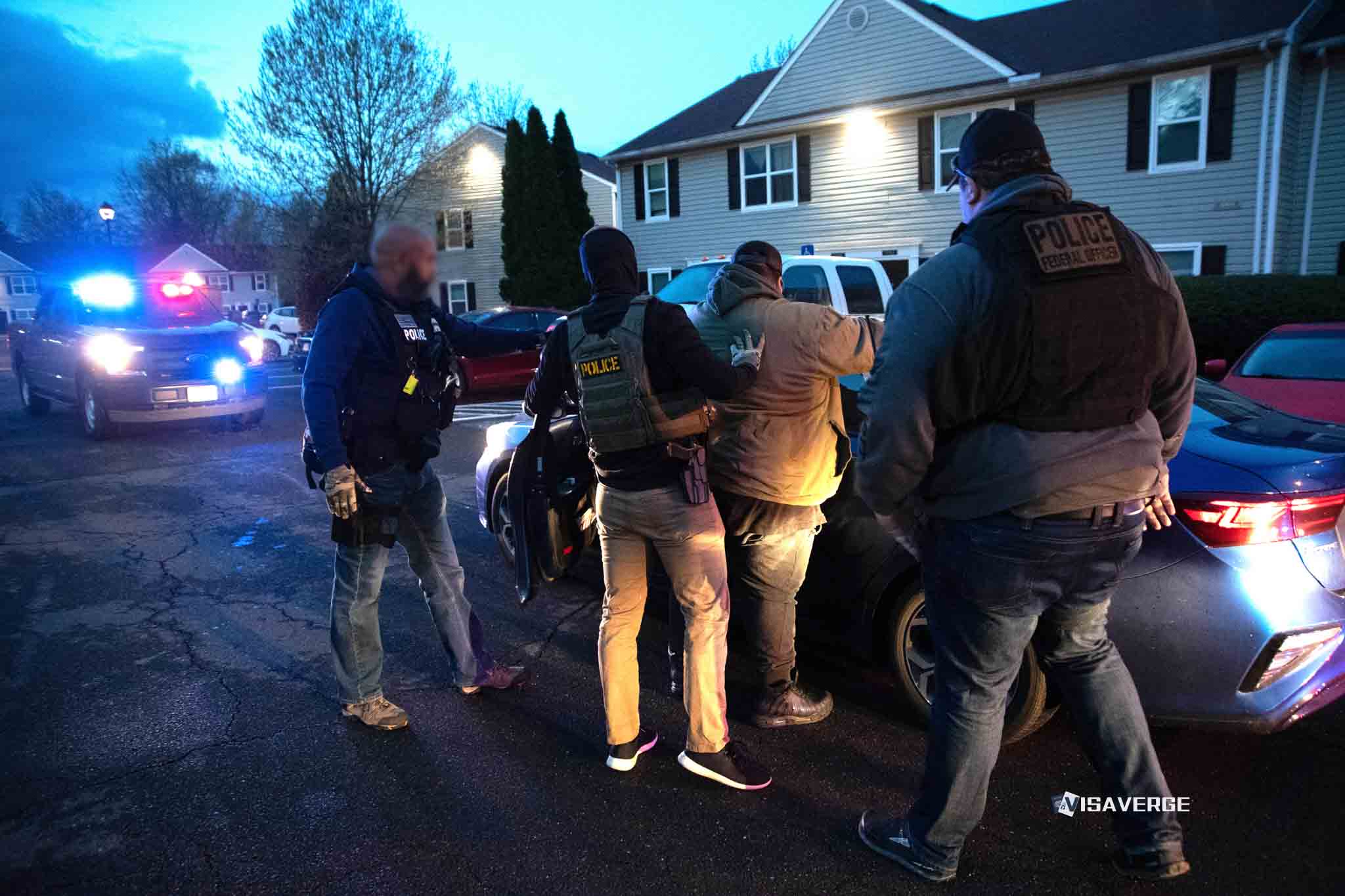
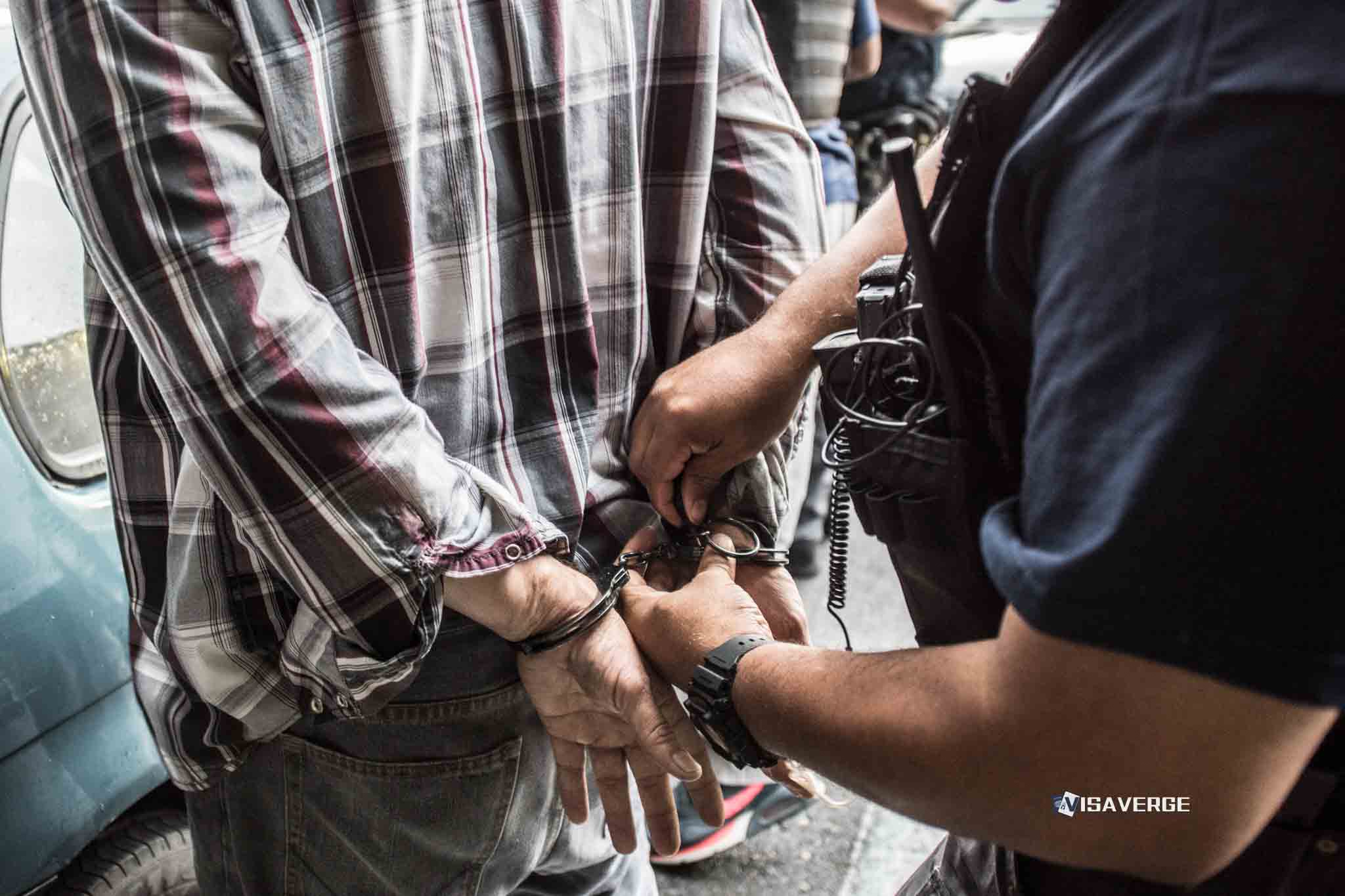
The association says drivers can be stopped after returning to Mexico. Reyes de la Rosa alleged that personnel sometimes cover cameras, inspect phones and then take away the driver’s visa. The account has not produced a publicly confirmed U.S. total.
The figures differ. One public account put the number at about 200 operators in 2026, while Reyes de la Rosa cited 350 affected drivers. U.S. authorities have not publicly confirmed either figure.
CANACAR says the pressure can continue after a visa is taken. Some drivers who later seek new visas are denied at consulates for insufficient English proficiency, according to the association. That has added another barrier for a sector already seeking explanations.
The group says CBP previously declined a meeting because the applicable regulations had not changed. CANACAR is asking officials to identify the standards being applied and provide written clarification.
The association says the rules have not been clearly explained
The dispute centers on the difference between cross-border trucking and domestic freight work. The enforcement focus described in public accounts concerns drivers authorized to make international movements, not to carry freight solely between points inside the United States.
A visa revocation generally removes permission to seek admission at the border. Future visa eligibility can be examined separately by consular officers or border officials. Drivers may therefore face different decisions at different stages of the process.
That separation is one reason the association wants a formal explanation. A border decision can leave a driver without an immediate appeal route at the crossing, according to the legal account cited in the reporting.
Revocation figures vary across public accounts
| Public account | Figure | Period or pace |
|---|---|---|
| CANACAR Mexicali delegate Ismael Reyes de la Rosa | 350 drivers | 2026 |
| Another public account | About 200 operators | 2026 |
| Earlier reported pace | As many as 150 per month | Earlier in 2026 |
| Current reported pace | About 12 to 15 | As of August 25, 2026 |
The reported pace has slowed, but CANACAR says the problem continues. The association remains focused on obtaining direct talks with CBP rather than relying on case-by-case encounters at the border.
Public guidance has not addressed the Mexicali cases directly
U.S. public statements on visa enforcement have remained broad. A State Department statement on visa actions does not specifically address the Mexicali trucking cases described by CANACAR.
The reports also do not identify a newly published rule from the Executive Office for Immigration Review, the Department of Justice, U.S. Citizenship and Immigration Services or the Board of Immigration Appeals that changed the visa standard for these drivers.
That leaves the association pressing for clarity on two questions: what conduct officers are treating as impermissible domestic hauling, and how English proficiency is being assessed when drivers seek another visa.
The group’s requested meeting remains the next concrete step. CANACAR says the lower rate of reported revocations has not ended the dispute, with about 12 to 15 cases still being reported currently.
This article provides general information and is not legal advice. Consult a qualified immigration attorney about your specific case.