- Apollo Global Management acquired easyJet for five point seven billion pounds in an all-cash takeover deal.
- The buyer pledged no material headcount reductions for the first twelve months following the acquisition’s completion.
- A special ownership structure limits Apollo to forty-nine point nine percent to meet aviation control regulations.
easyJet agreed to a £5.7 billion takeover by Apollo Global Management on August 6, giving the U.S. private equity firm control of one of Europe’s largest low-cost carriers while promising no material headcount reductions for 12 months after completion.
Apollo offered £7.15 per share in cash, valuing the airline at about £5.7 billion, or approximately $7.7 billion. The transaction is expected to close by the end of the first quarter of 2027.
Free toolCSPA Age-Out Calculator Online
The pledge carries a qualification. Jobs tied to the carrier’s publicly listed status could disappear or shrink once it leaves the stock market, according to the company’s Rule 2.7 announcement.
The document says Apollo and Eagle Bidco Ltd “do not intend to make any headcount reductions in the 12 months following the Acquisition becoming Effective that will be material in the context of the easyJet Group.”
It also says “certain headquarter functions which have historically been related to easyJet's status as a listed company may no longer be required or will be reduced in size.”
The board unanimously recommended the offer. Stephen Hester, the carrier’s non-executive chair, said the proposal offered shareholders “immediate, certain and attractive value.”
“The easyJet Board has carefully evaluated the proposal from Apollo alongside easyJet's standalone prospects. While we remain confident in the strength of our business. we believe this offer appropriately recognizes the quality of the business we have built and delivers immediate, certain and attractive value for shareholders.”
Apollo’s bid ended a contest with Castlelake, which submitted five offers before withdrawing on August 6. The rival’s first proposal, made in June, offered £5.60 per share.
The first-year pledge protects most roles, but not every headquarters position
The employment commitment applies to reductions that would be material across the group. Apollo has separately said it places “a high value on people” and regards retaining key staff as “of paramount importance.”
That leaves a narrow category exposed from the start. London Stock Exchange compliance and other work associated with being a listed company may no longer be needed after delisting.
The British Airline Pilots Association said on August 7 that it would engage with the buyer and the carrier during the transaction.
“Our members are integral to easyJet's success. BALPA will engage constructively with Apollo and easyJet throughout the process to ensure pilots' interests are understood and represented.”
The pledge therefore gives employees a defined period without material group-wide cuts, while leaving listed-company functions outside the same practical protection.
Apollo will need a special ownership structure to take control
Eagle Bidco Ltd is making the offer on behalf of funds indirectly owned by Apollo. The ownership arrangement is designed to satisfy European and U.K. airline ownership rules, which cap Apollo’s holding at 49.9%.
| Ownership participant | Proposed holding |
|---|---|
| Apollo funds | Up to 49.9% |
| Haji-Ioannou family and rollover shareholders | Between 45.1% and 49.9% |
| EU Trust for management incentivization | Up to 5% |
Founder Sir Stelios Haji-Ioannou and his family, Clelia and Polys Haji-Ioannou, hold a 15.3% stake and have committed to rolling their shares into the private structure. Stelios said the family “intends to remain long-term major shareholders.”
The EU Trust will hold up to 5%. Regulators will examine whether that structure satisfies rules requiring airlines to be majority-owned and controlled by EU or U.K. nationals.
The transaction still needs approval from the European Commission and the U.K. Civil Aviation Authority. Those reviews remain ahead of the planned completion by the end of March 2027.
Shareholders get a large premium as the airline faces higher costs
The cash offer represents an 81% premium to the carrier’s closing price of £3.94 on May 28, 2024, before takeover interest became public. Investors therefore receive a substantial premium, but the deal also removes a household-name company from the London Stock Exchange.
AJ Bell analysts described the delisting as a “blow” to the U.K. market because retail investors frequently trade the airline’s shares.
The offer arrives after a difficult first half. In May 2026, the airline reported a 27% increase in first-half losses to £377 million, citing soaring fuel prices and travel disruption linked to the US-Iran conflict.
Apollo European Private Equity Lead Alex van Hoek said the buyer supported the carrier’s market position, network and brand.
“EasyJet is a leader in European aviation. Apollo strongly supports easyJet's commitment to its differentiated market position through its compelling customer proposition, expansive network and strong brand.”
The buyer says growth plans will continue after completion
Kenton Jarvis, the carrier’s chief executive, said Apollo’s aviation experience could support expansion. He pointed to the work already delivered by employees.
“I am proud of what our people have achieved. We welcome Apollo's commitment to our business and our people, and believe that its experience in the aviation sector makes it a strong partner for easyJet as we accelerate our growth plans.”
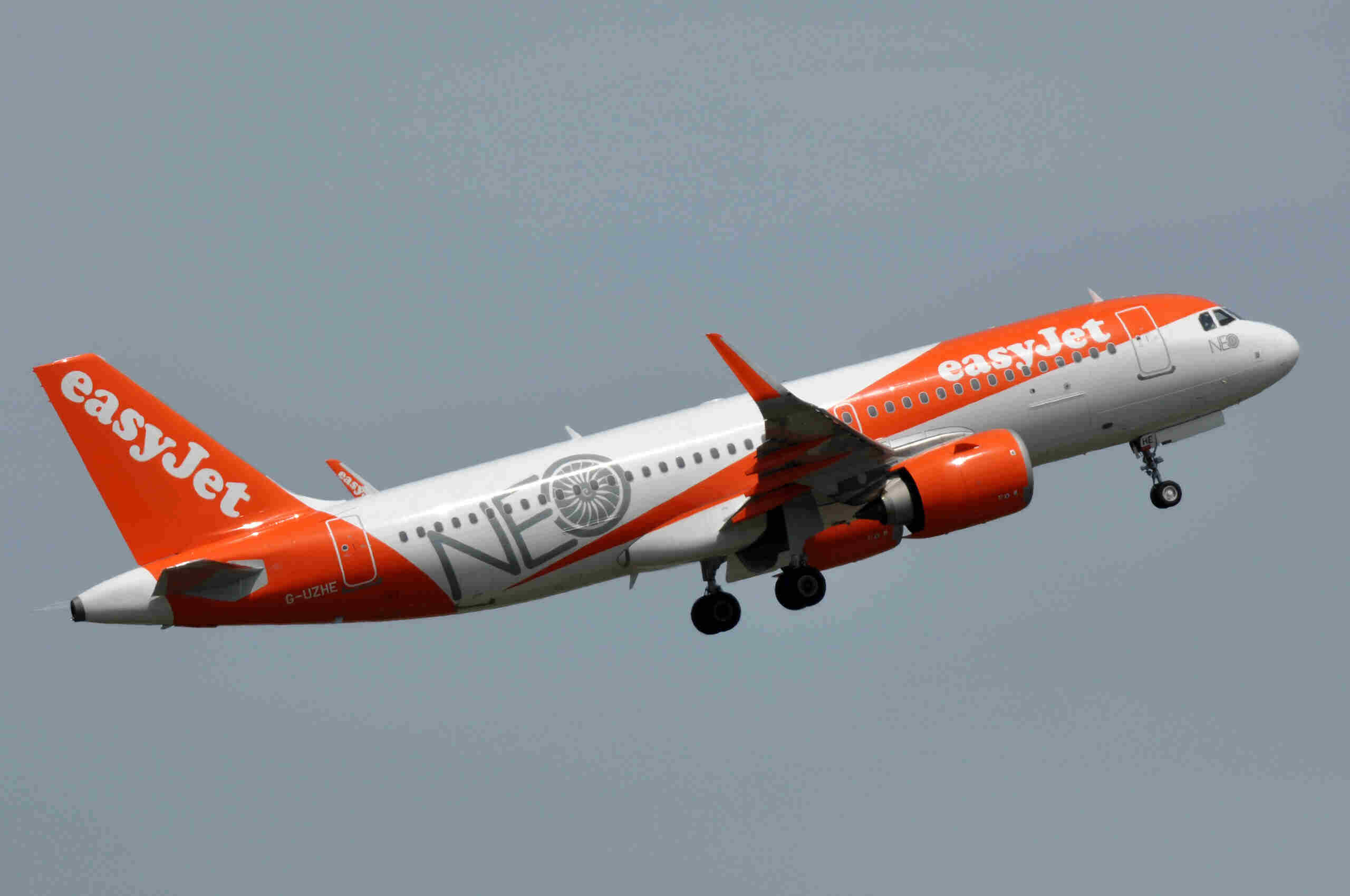
Apollo has indicated that it will back the current strategy, including the expansion of easyJet Holidays and fleet modernization with Airbus A320neo aircraft.
Customers will therefore see the proposed ownership change alongside an existing holiday-growth plan and newer aircraft investment, rather than an announced change to the operating strategy. The material does not set out changes to routes, fares, schedules or loyalty benefits.
The board’s recommendation followed the higher cash offer after Castlelake’s withdrawal. Hester said the decision reflected both confidence in the standalone business and the value delivered by the proposal.
The transaction is now moving through its regulatory process, with the ownership structure and airline-control rules among the issues still to be assessed before the expected first-quarter 2027 completion.