- Mayor Karen Bass ordered the LAPD to stop using Flock Safety cameras due to data sharing concerns.
- An internal audit revealed a thirty-two percent false-positive rate for stolen vehicle alerts.
- The city seeks new technology that prevents federal access to license-plate data for deportations.
Mayor Karen Bass called on the Los Angeles Police Department to stop using Flock Safety cameras, warning that license-plate data could be used for deportations. The department’s three-year agreement for 138 pole-mounted cameras expired on July 11, 2026, and police have suspended access to the system.
Bass said the department should find another provider that can offer the technology without sharing information with federal officials.
Free toolUSCIS Receipt Number Decoder
"Flock Safety has lost the trust of Angelenos and residents across the country, especially in immigrant communities targeted by the federal administration. The LAPD needs to identify another company that provides this technology but does not share data with federal officials."
The mayor issued the statement on August 6, 2026. The department had already decided not to renew the agreement.
The department cited privacy and civil-rights concerns
Dean Gialamas, the department’s chief information officer, said on July 13 that the contract would not continue because of concerns involving civil liberties, civil rights, privacy and the collection of camera data.
"This contract is not being renewed because of serious concerns around civil liberties and civil rights issues, particularly around privacy and the data that is being collected from these cameras. The LAPD will refrain from participating until concerns regarding data, privacy, security, and sharing can be ironed out through a contractual relationship."
A 2025 investigation by CalMatters found that Los Angeles and other Southern California agencies had searched license-plate records on behalf of U.S. Immigration and Customs Enforcement and U.S. Customs and Border Protection more than 100 times. California’s sanctuary law, SB 54, prohibits local agencies from providing that assistance.
The company’s network extends far beyond Los Angeles. It operates more than 120,000 cameras nationwide, while the city agreement covered the 138 devices mounted on poles.
An audit found repeated false stolen-vehicle alerts
An internal review released in July 2026 found that the system produced 161 false stolen-vehicle alerts in two months. The audit calculated a false-positive rate of 32.3%.
Some alerts led officers to stop innocent motorists at gunpoint. The errors added a separate public-safety concern to the dispute over information sharing.
The Stop LAPD Spying Coalition has argued for years that automated license plate readers act as a “backdoor” for federal surveillance. Advocacy groups also report that the records allowed federal agents to track undocumented residents’ daily movements without a judicial warrant.
Those reports place the camera dispute within a broader fight over local sanctuary protections and the federal administration’s mass-deportation mandate. Los Angeles is the largest municipality to date to sever ties with the company.
Bass also imposed limits during federal immigration operations
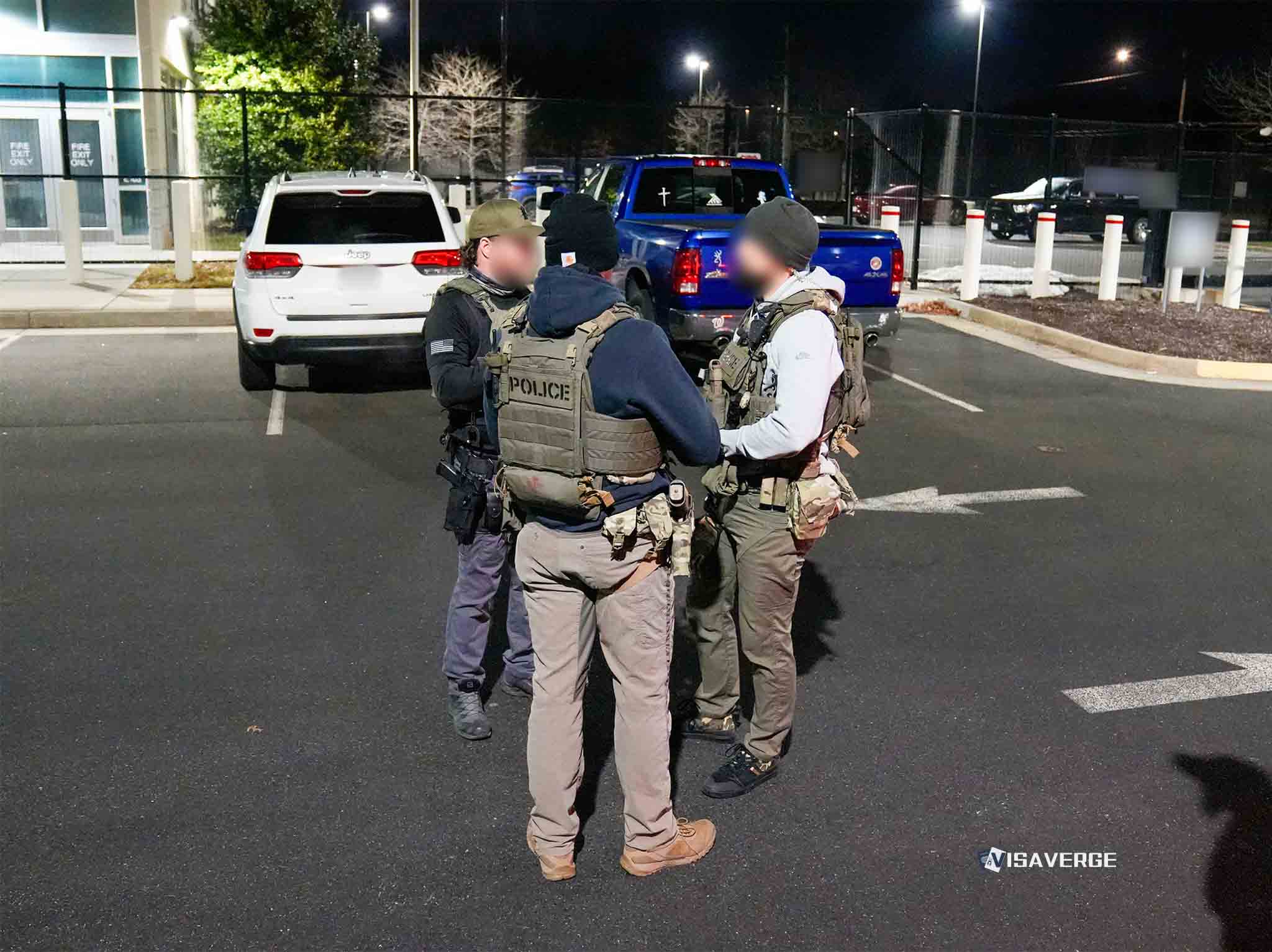
On February 11, 2026, Bass issued Executive Directive 17. The policy bars federal agents from using city property as staging areas and requires officers to activate body-worn cameras when federal immigration operations are present.
The directive also requires officers to “preserve all evidence related to immigration enforcement.” It followed earlier efforts by the mayor to restrict federal access to city data.
The Department of Homeland Security responded that day by calling those efforts “legally illiterate.” A spokesperson said:
"Secretary Noem's message is clear: DHS will continue to enforce the law, relentless and unapologetic, every day in greater Los Angeles. Sanctuary politicians like Karen Bass are attempting to demonize law enforcement for doing their job."
DHS Secretary Markwayne Mullin later said sanctuary cities that refuse to cooperate with federal agencies should face consequences. He pointed to the potential scaling back of customs processing at major international airports.
A federal court order protects documentation of enforcement
A federal court order issued on July 10, 2026, prohibits DHS from using force to prevent the public or press from documenting immigration enforcement operations in California.
The order provides a separate protection for people observing raids, while the city’s camera policy addresses how local police technology can be accessed and shared. The department’s suspension remains tied to concerns about data, privacy, security and future contractual controls.
The dispute now turns on whether the department can identify another provider that satisfies those conditions without giving federal officials access to the same type of records. The company operates a national network of more than 120,000 cameras, while the expired Los Angeles agreement covered 138.
This article provides general information and is not legal advice. Consult a qualified immigration attorney about your specific case.