Volunteers across San Diego County are delivering groceries and basic supplies to families who say they’re too afraid to leave their homes amid intensified immigration enforcement. The effort is led by Somos Tías, a grassroots group founded in early 2025 by Amy Bryan and Lisa Montes.
With about 70 volunteers, the group delivers weekly food packages to roughly 50 families—about 250 people—spread across Solana Beach, Encinitas, Escondido, and soon Linda Vista. Organizers say demand has surged as federal arrests climb and fear deepens in immigrant neighborhoods.

Somos Tías began in January 2025 with a simple purpose: get food to the doorsteps of people who are skipping stores and food banks because they worry about detention. The group stresses that its mission is strictly humanitarian and that it serves anyone who needs help, regardless of immigration status.
Free toolUSCIS Receipt Number DecoderAmong those receiving deliveries is Maria, a long-time resident who has lived in Solana Beach for 20 years but now limits trips outside to reduce risk. Her experience mirrors stories shared by other families across the county.
How the volunteer network operates
Every week, volunteers pack and deliver about a week’s worth of groceries per family. The bags include staples such as:
- Rice
- A protein
- Spices
- Instant coffee
- Cereal
- Cleaning supplies
These items are chosen to help a household stretch for several days when shopping feels unsafe. Routes change as new referrals come in and families temporarily move to stay with relatives.
Volunteers describe the work as steady and practical—meant to keep homes stocked so parents can focus on children and jobs without risking time in public places.
Growing demand and community response
Somos Tías reports that requests for help are growing quickly. Organizers say they’re prioritizing:
- Families with young children
- Older adults
- Households that have lost income because they won’t cross town for work
The group is seeking donations of funds and shelf-stable goods to keep up with demand. Community responses have included small grants, pantry drives, and weekend packing shifts.
- The operation is modest: no large warehouse or fleet
- The weekly door-to-door model is designed to match current needs
Enforcement context and regional impacts
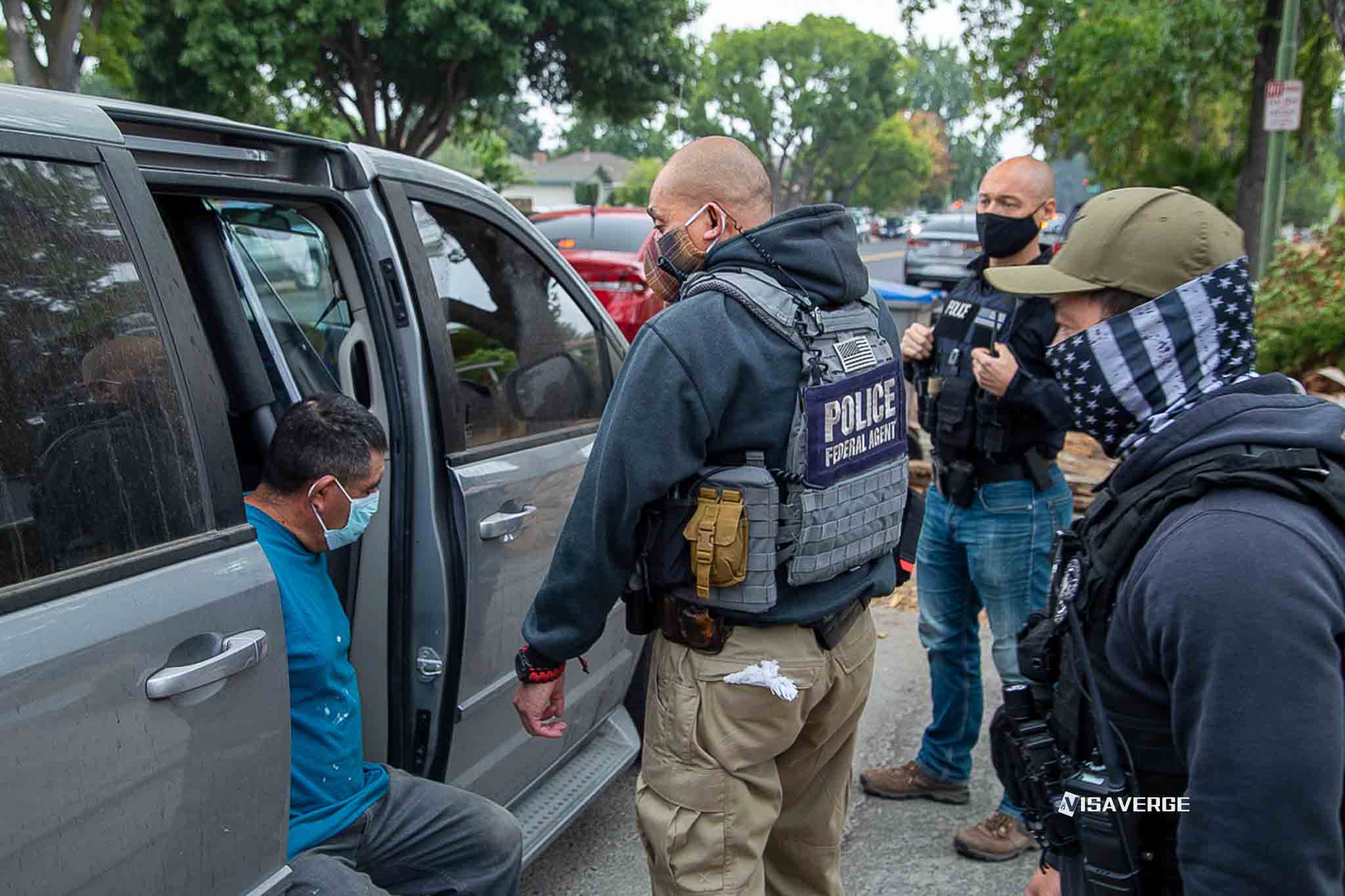
The broader enforcement landscape helps explain the surge. Under the federal administration of President Trump, immigration enforcement actions have escalated across Southern California. DHS Secretary Kristi Noem recently announced the 5,000th arrest in Los Angeles, calling it “only the beginning.” That message has reached families in San Diego, who now plan their days around staying out of sight.
For official enforcement updates, residents are directed to the Department of Homeland Security: https://www.dhs.gov
Reports of similar fear are coming from Ventura County, where farmworker households are avoiding public places. Nonprofits like Friends of Fieldworkers have shifted to direct deliveries to keep families fed without exposing them to public checkpoints or the risk of being stopped.
Economic effects are visible beyond homes and fields:
- Ethnic grocery stores in Southern California have seen fewer customers.
- Aisles that used to be busy are now quiet during peak hours.
- According to analysis by VisaVerge.com, some neighborhood chains report sharp drops in foot traffic as word of raids spreads through community networks.
Economic and policy implications
Researchers warn the trend reaches deep into the state’s food system. Studies from UC Merced and experts like Laura-Anne Minkoff-Zern (Syracuse University) point to the heavy reliance on immigrant labor for planting, harvesting, food processing, and distribution.
When crews stay home or relocate:
- Farm schedules slip
- Supply chains slow
- Store inventories thin
Farmers report empty shifts and an anxious workforce that avoids moving between counties even when work is available. In California, such delays, compounded across the season, threaten the state’s $2 billion farming industry.
Policy attempts and gaps
To cushion households pushed out of work, lawmakers considered expanding unemployment benefits to unauthorized workers through Senate Bill 227. In September 2024, Governor Gavin Newsom vetoed the bill, citing concerns about implementation and funding.
The veto left nonprofits and local donors carrying more of the load when workers lose wages during enforcement sweeps or choose to stay home. Community advocates say private aid can’t keep pace with the scale of the need, especially when fear reaches families that have lived in the region for years.
Criticism and local response
The enforcement approach has drawn criticism from farmers and local leaders who argue the strategy leans on intimidation rather than targeting threats to public safety. They point to:
- Crews disappearing mid-harvest
- Skipped medical appointments
- Parents keeping children indoors
Federal officials defend arrests as a matter of law, but producers warn the practice creates instability in food supply chains and drives families into isolation.
In San Diego, groups like Somos Tías have become a stopgap—moving quietly from door to door to keep kitchens stocked while households ride out the uncertainty.
Immediate effects on households
The practical effects on homes are immediate and plain:
- Families stick to short routes between home and work to avoid risk
- Parents worry about being separated from children, so errands and school activities fall away
- Loss of childcare help from extended family becomes common as relatives shelter in place
- Demand for doorstep food delivery grows week by week as fear spreads
For families now depending on deliveries, the goal is stability. Volunteers describe smiling kids opening the door for cereal and fruit, and parents relieved to see cleaning supplies they couldn’t safely buy.
“The deliveries are not about politics. They are about a bag of rice, a box of cereal, and the quiet message that a family is not alone this week,” one volunteer said while loading up a small sedan for an afternoon route.
Plans, needs, and what residents can do
If enforcement continues at its current pace, organizers expect more requests and longer waitlists. Somos Tías plans to expand service in San Diego County, starting with Linda Vista, as fundraisers and community drives pick up.
They are also recruiting new volunteers to add routes so current teams don’t burn out.
How to help:
- Donate funds
- Contribute pantry staples
- Volunteer time for packing and delivery shifts
The group operates through community channels and local networks; families can connect through trusted service providers, schools, or neighborhood advocates. Similar help continues in Ventura County via groups serving farmworkers.
Looking ahead
DHS signals that arrests will continue, and leaders have not hinted at a slowdown. State-level discussions about safety nets for undocumented workers remain politically tense, and any new benefits would take time to set up.
In the meantime, neighborhood groups are building practical systems—food bags, phone trees, delivery schedules—that help families stay fed and calm. Organizers say the aim is simple:
- Show up every week
- Keep the support steady
- Reduce the reasons a parent needs to step outside when anxiety is already high
Somos Tías asks residents in San Diego who want to help to donate funds, pantry staples, or time. Similar community efforts are keeping families fed and sending a quiet message of solidarity while immigration enforcement continues.
Frequently Asked Questions
This Article in a Nutshell
Founded in January 2025, Somos Tías uses 70 volunteers to deliver weekly food to about 50 San Diego families fearful of immigration enforcement. The group supplies staples and cleaning items, prioritizes vulnerable households, and seeks donations and volunteers after policy responses like the veto of SB 227 left gaps in aid.