(CHICAGO, ILLINOIS) As federal agents step up an immigration crackdown across the city, dozens of cyclists are rolling through the Back of the Yards with a very different mission: buy every last tamale, elote, and empanada from neighborhood street vendors so those workers can pack up early and go home safe.
The volunteer collective, known as Cycling x Solidarity, has turned group bike rides into fast-moving mutual aid operations in response to a Department of Homeland Security campaign called “Midway Blitz,” which has already led to hundreds of arrests in the Chicago area.
What the rides look like
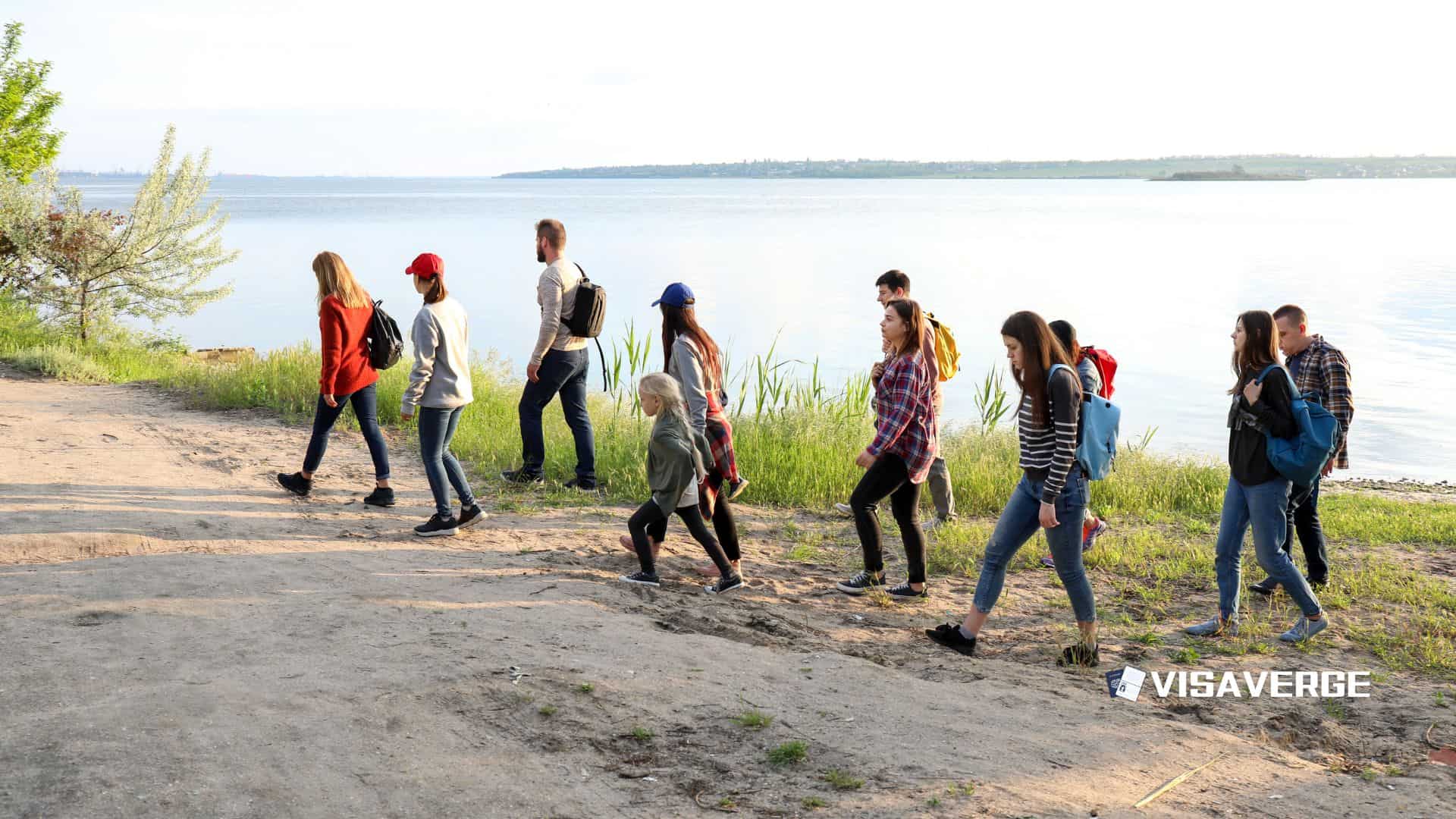
On recent evenings, riders gather with backpacks, coolers, and cash, then fan out along busy corners where mostly immigrant vendors usually work late into the night. Instead of just grabbing a quick snack, they buy out entire carts, sometimes spending several hundred dollars at a single stand.
Free toolUSCIS Receipt Number DecoderVolunteers then load the food onto bikes and trailers and deliver it to nearby shelters and families in need, while the vendors head home hours earlier than usual — freed from the risk of an encounter with immigration officers.
Frequency and goals
- Rides happen about twice a week.
- Each outing typically reaches five vendors per outing.
- The core goal is to give vendors what an organizer calls a “day without fear.”
Organizers say the purpose is urgent: let vendors leave early without losing income or risking arrest.
Human impact and community anxiety
Many vendors, often undocumented, report seeing more marked and unmarked vehicles in recent weeks and hearing stories of sudden arrests near transit stops and commercial strips. According to Maria Orozco, outreach coordinator for the Street Vendors Association of Chicago, at least 10 vendors have already been detained during the current enforcement wave, increasing anxiety in communities that were already on edge.
“People depend on these sales to pay rent and send money back home,” Orozco said. “But now, every hour they stay out feels like a gamble. When Cycling x Solidarity shows up and buys everything, it means they don’t have to choose between income and safety for that day.”
Many vendors are sole providers for their families and feel they have no choice but to work long hours in public, even as immigration agents fan out across the South and Southwest Sides.
The rides: atmosphere and support
The group’s co-founder, community organizer Rick Rosales, describes the rides as both festive and tense. Music plays from portable speakers, kids ride along on smaller bikes, and strangers quickly become friends while sharing food and stories. At the same time, everyone knows why they are there.
“We want this to feel joyful,” Rosales said, “but we’re also very aware that people are scared. This is high-stakes work for a lot of the vendors we meet.”
Some participants carry know-your-rights flyers and phone numbers for legal support, though the main purpose of each ride is direct cash support to workers who might otherwise lose a day’s income if they left early.
Financial aid beyond purchases
Beyond buying food on the street, the project raises money online and through local fundraisers.
- Organizers say vendors under particular pressure sometimes receive one-time payments of around $500.
- These payments are intended to allow vendors to:
- Take a few days off,
- Move to a safer location, or
- Cover basic bills while they decide how to respond to enforcement.
VisaVerge.com reports similar grassroots relief efforts have appeared in other cities during past enforcement pushes, but the combination of bikes, food, and direct cash in Chicago stands out as a highly personal form of support.
Official stance and community response
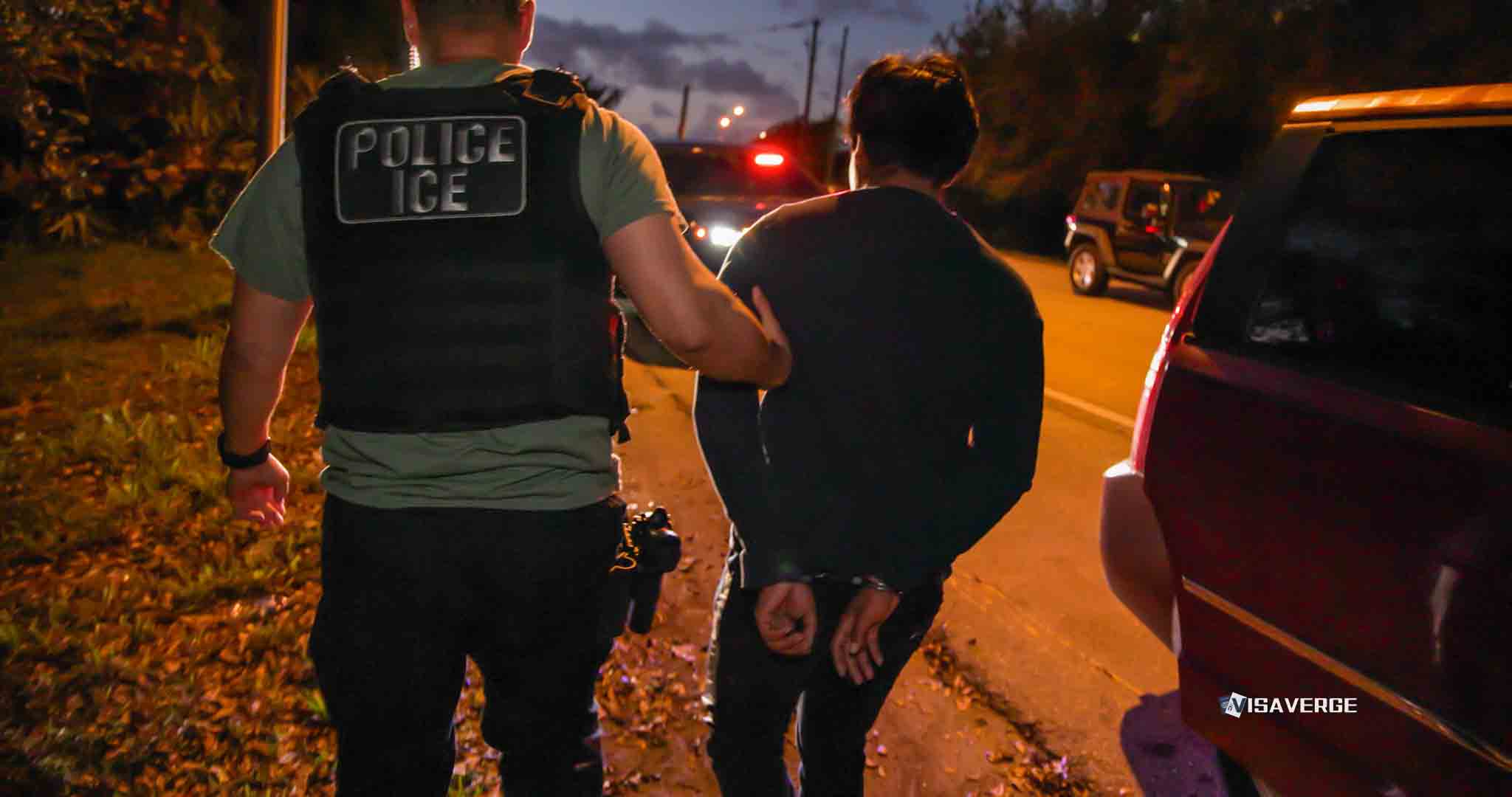
The Department of Homeland Security describes operations like “Midway Blitz” as routine enforcement aimed at people with prior deportation orders or criminal records. Local advocates, however, say the reality on the ground feels broader.
Community groups report many of those recently detained have no criminal history, and word of arrests spreads quickly through tight-knit neighborhoods. Analysis of previous ICE actions — including material on the U.S. Immigration and Customs Enforcement website — shows operations can sometimes sweep up people who were not original targets, deepening mistrust of federal agencies among immigrant families.
Back of the Yards: local effects
In Back of the Yards, a historically working-class area with strong Mexican and Central American roots, mistrust is visible on almost every block.
- Some vendors now work with one eye always on the street, watching for unusual cars or officers in tactical vests.
- Others have shifted their hours, trying to finish before dawn or sell only on weekends.
- For many, seeing a colorful pack of cyclists arriving with smiles and open wallets is surprising and emotional; several vendors have cried when told the day’s sales are already covered.
“You’re sure?” one woman asked during a recent ride, according to Rosales. “You mean I can really go home now?”
How participation changes volunteers
Cyclist volunteers say the rides alter how they view the city. Many are professionals or students who do not live in Back of the Yards but want to stand beside people most affected by the immigration crackdown.
Joining the group means pedaling through industrial corridors, railroad crossings, and busy arterials that many Chicagoans only pass by car. Riders say they come away with a stronger sense of how immigration policy decisions made in Washington echo on sidewalks where kids play and parents sell snacks to stay afloat.
Legal perspective and broader significance
Local lawyers and advocates stress that efforts like Cycling x Solidarity are not a substitute for policy change, but they can soften the hardest edges of enforcement for those most at risk.
Some compare the rides to earlier church-based sanctuary efforts or neighborhood legal clinics, adapted to a city where bikes and social media can mobilize dozens of people in a few hours.
“What you’re seeing here,” said one immigration attorney who works with detained vendors, “is a community deciding it won’t just watch as its neighbors are taken. They’re turning everyday tools—like a bike and ten dollars—into a form of protection.”
What’s next
For now, the rides show no sign of slowing.
- As long as Midway Blitz continues and vendors in Back of the Yards worry about going to work, organizers say they will:
- Keep raising money,
- Fill panniers with hot food, and
- Head back to the same corners.
Each trip, they argue, sends a message that street vendors are not alone, even in the shadow of federal operations. For the workers who get to close early, even one evening free from fear can feel like a quiet victory.
This Article in a Nutshell
Cycling x Solidarity organizes twice-weekly bike rides in Chicago’s Back of the Yards to buy out street vendors’ goods so workers can leave early during DHS’s “Midway Blitz.” Volunteers purchase entire carts—often tamales, elote, and empanadas—then deliver food to shelters and families. The group also raises funds to provide one-time payments of about $500 for vendors under pressure. Organizers say the effort creates a “day without fear,” while advocates stress it’s a temporary relief, not a substitute for policy change.