- The DHS FY2026 budget proposes a 65% funding increase to expand detention capacity and border technology.
- A federal judge blocked Oklahoma HB 4156, preventing the state from criminalizing the presence of undocumented immigrants.
- The administration seeks to eliminate federal funding for NGOs providing legal and humanitarian aid to migrants.
(OKLAHOMA) President Trump’s DHS FY2026 budget would push immigration enforcement to a new level, with a 65% increase over the 2025 enacted level, funding for 50,000 detention beds, and $766 million for border technology. At the same time, Oklahoma HB 4156 remains blocked by a federal injunction, leaving one of the nation’s toughest state immigration measures on hold while the courts weigh whether Oklahoma crossed a constitutional line.

The two fights are tied together by the same question: who controls immigration enforcement in the United States ??. One battle is in Washington, where the federal government wants more detention space, more removals, and more surveillance. The other is in Oklahoma, where state leaders want local police to act more aggressively against undocumented immigrants.
The budget request and the state law together show how hard immigration policy has become for families, employers, border communities, and local agencies. They also show how quickly enforcement rules can change the daily reality for people living, working, or waiting for legal status.
Free toolUSCIS Receipt Number DecoderFederal Enforcement Moves to the Center of the DHS FY2026 Budget
President Trump’s Fiscal Year 2026 “Skinny Budget” places immigration enforcement at the center of the Department of Homeland Security’s spending plan. The request would raise DHS funding by nearly 65% from the 2025 enacted level, the biggest increase ever requested for the department.
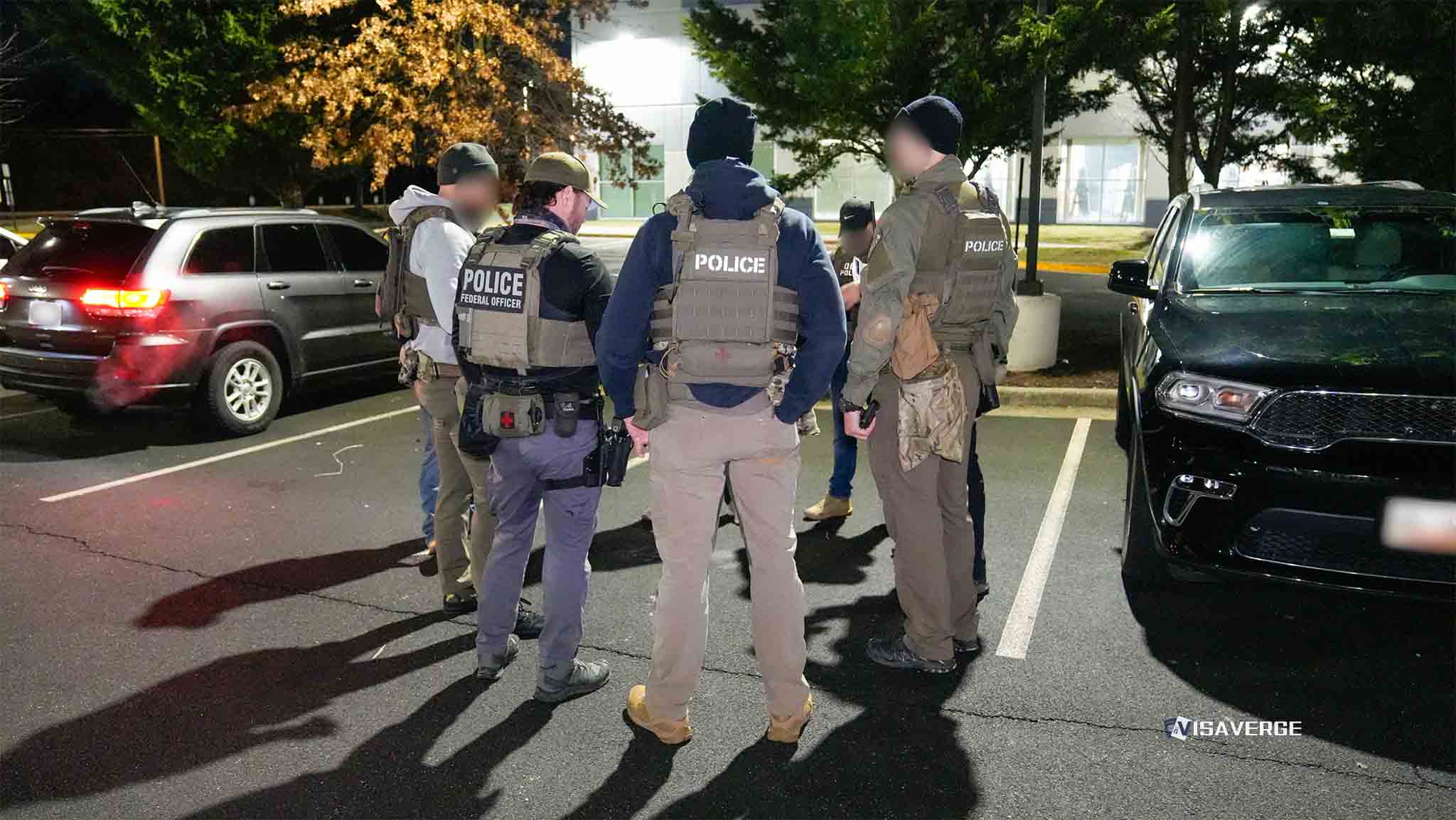
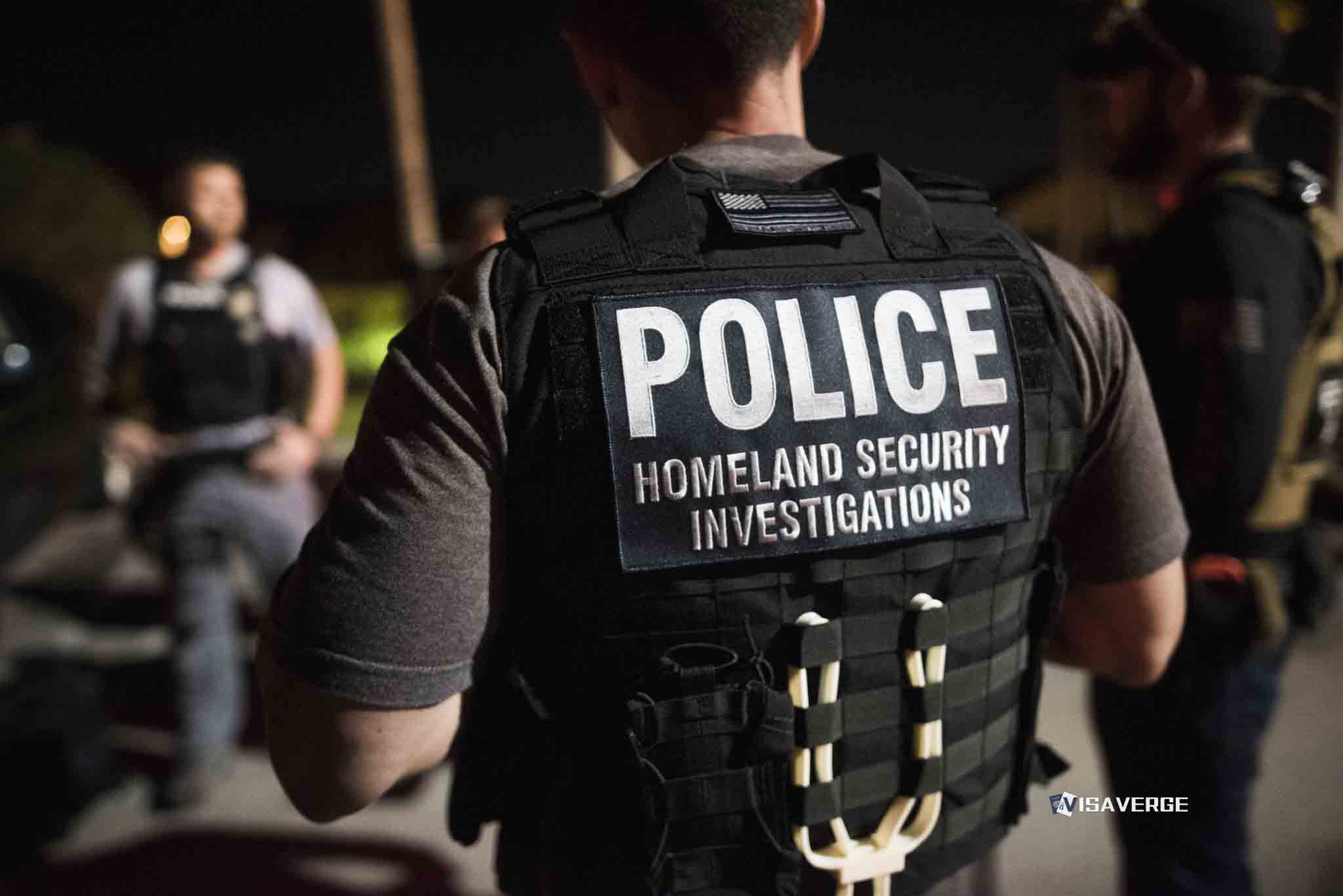
That money is not spread evenly across the agency. It is aimed at border security, detention, removals, and enforcement tools. The budget includes $500 million for ICE to speed up removals and support a larger detention system built around 50,000 detention beds. It also sets aside $766 million for border technology, including surveillance and detection systems.
The plan keeps 22,000 Border Patrol Agents in place and raises the target for CBP officers to 26,383. It also reduces or eliminates funding for programs that do not fit the administration’s enforcement-first approach. That includes federal support for nongovernmental organizations that help migrants with legal services and basic aid.
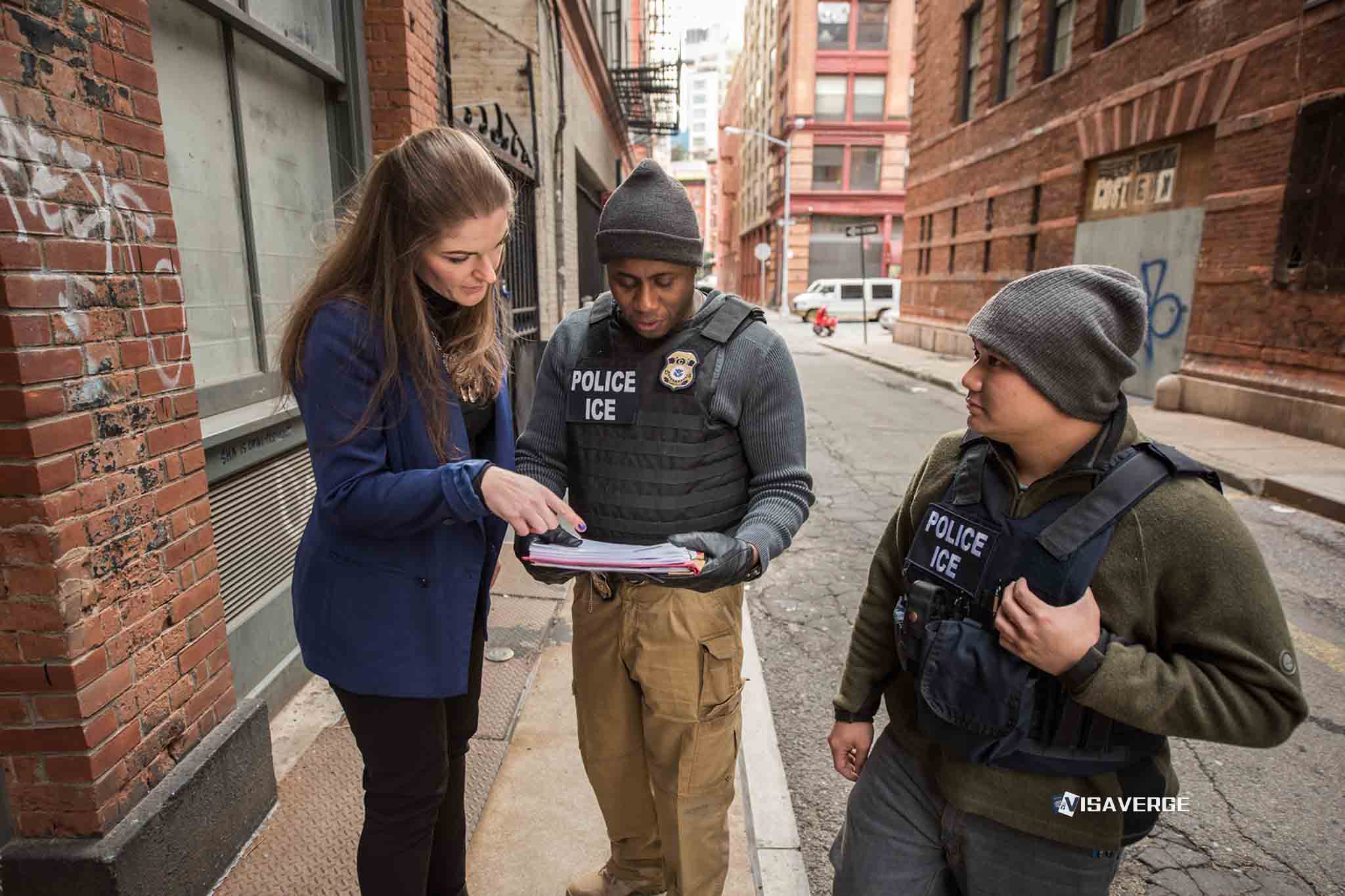
For people in immigration court, at the border, or in removal proceedings, that shift matters fast. More beds mean more people held while their cases move forward. More enforcement money means more arrests, more detention, and more pressure on immigration lawyers and aid groups already stretched thin.
For readers following federal policy directly, DHS publishes budget and agency information on its official website.
Detention Beds, Removals, and the Return of Mass Enforcement
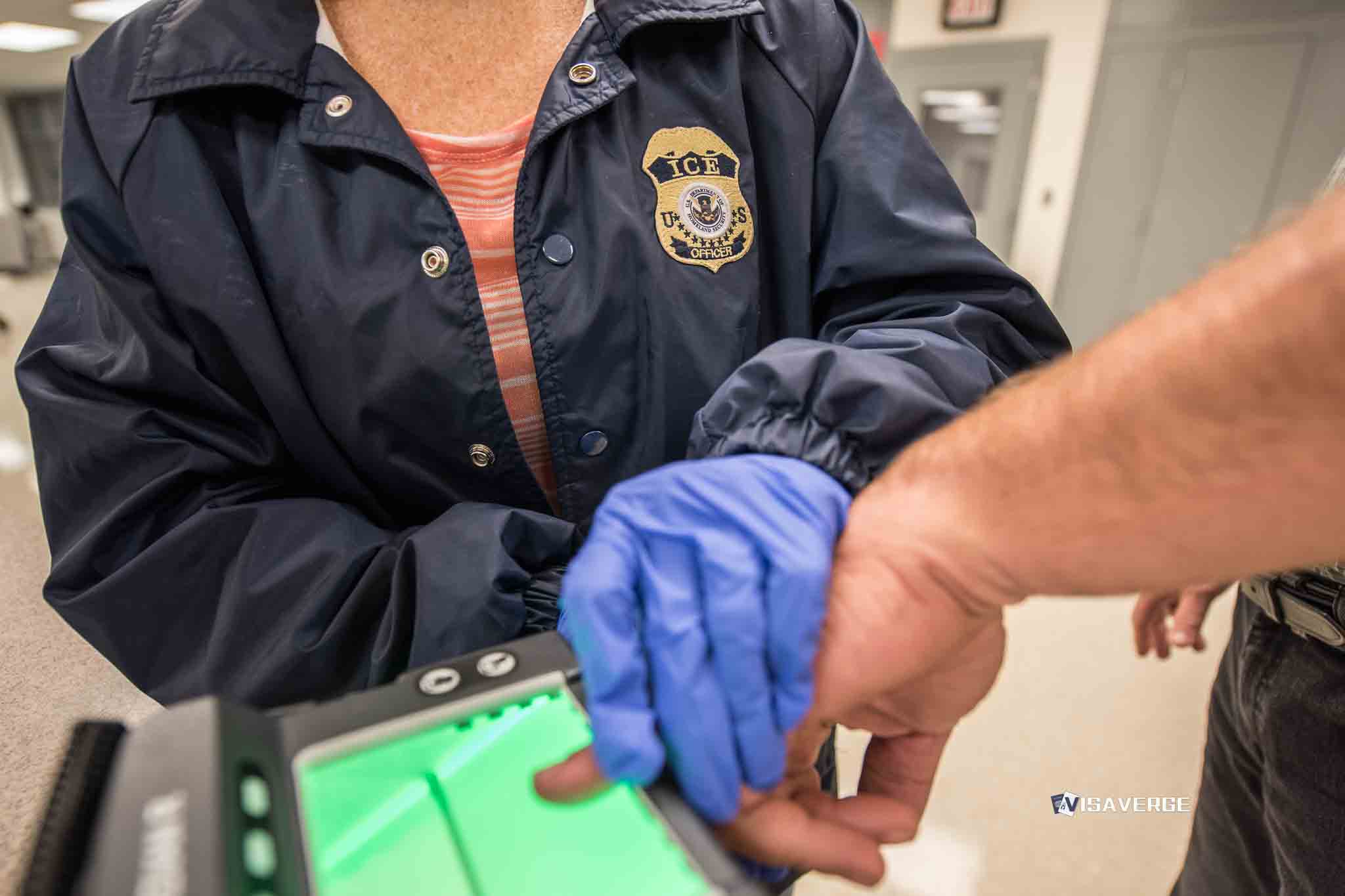
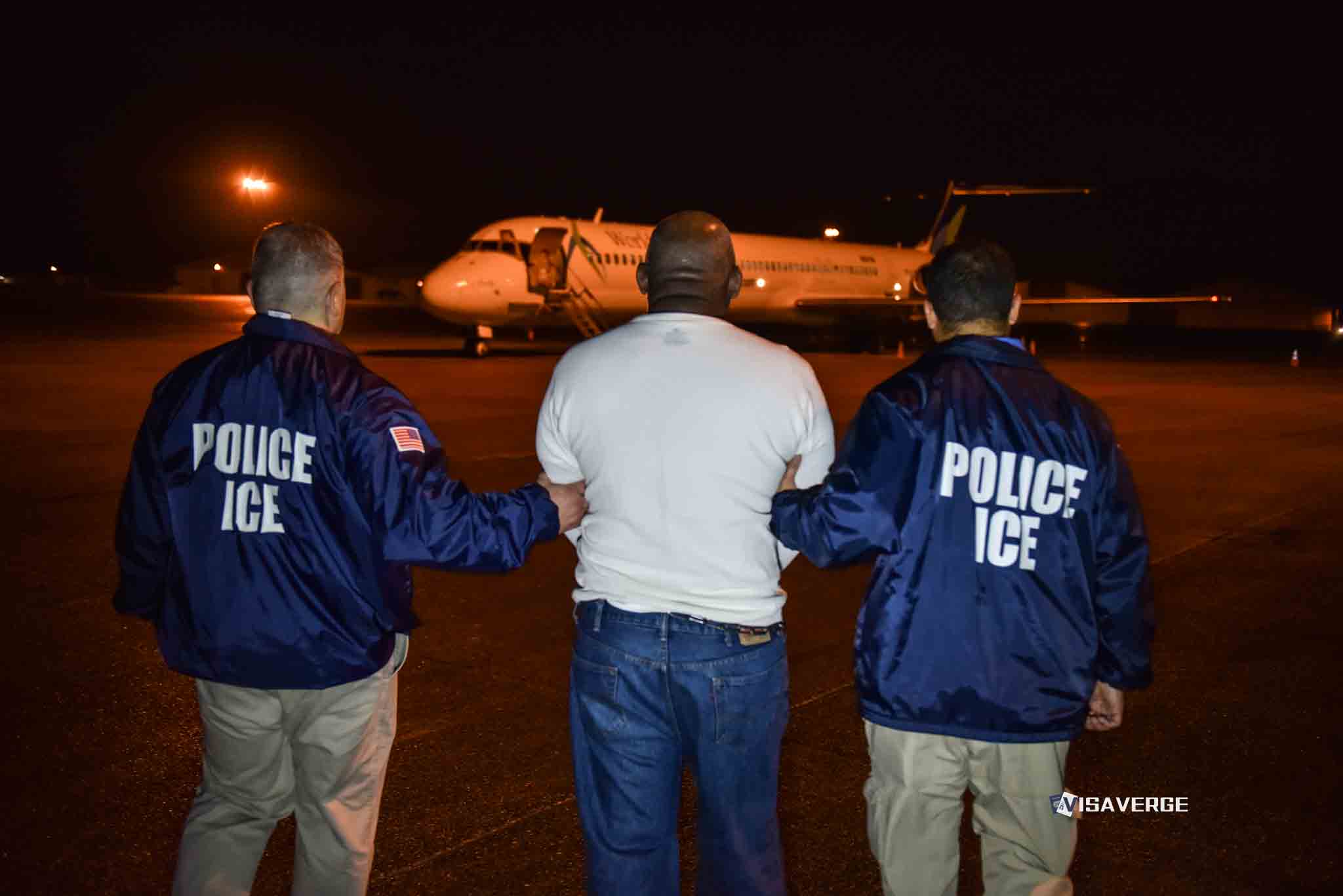
The phrase detention beds sounds technical, but it carries direct human consequences. A larger detention system gives ICE more room to hold people while deportation cases move ahead. It also gives the agency more leverage in enforcement operations because detention often determines how fast removals happen.
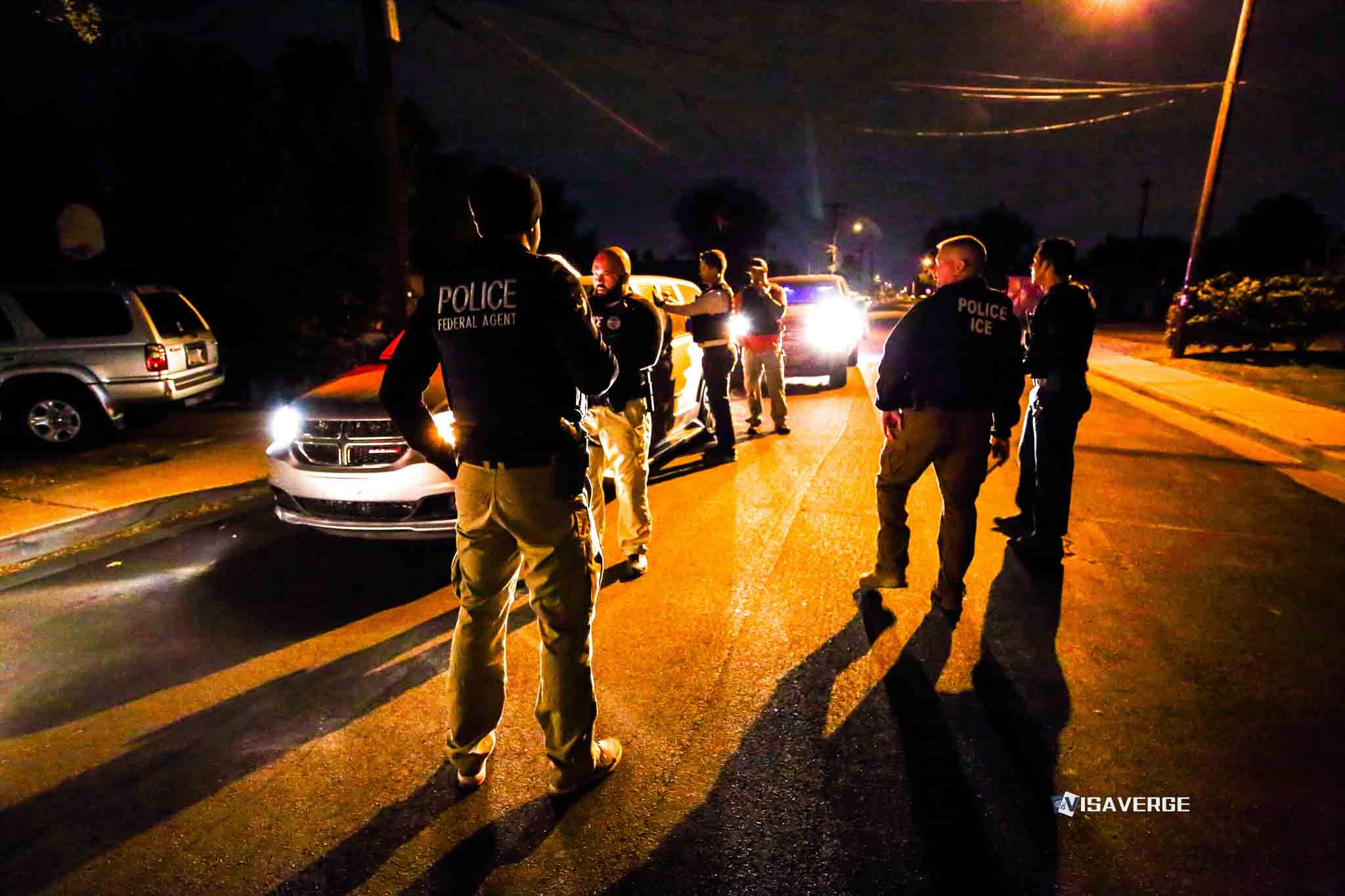
The proposed funding for 50,000 detention beds is central to the administration’s stated goal of a “mass removal campaign.” That approach would not just focus on people caught at the border. It also reaches into communities, workplaces, and jails where immigration enforcement often starts with a local arrest or a federal audit.
ICE would receive $500 million to expedite removals under the plan. That money would support faster processing, more custody, and more deportation activity. The result would be a sharper enforcement posture across the country, with detention and removal used as the main tools.
Civil rights groups have warned that this model will hit vulnerable people hardest. Families, asylum seekers, and people without lawyers are usually the first to feel the pressure. Employers in agriculture, construction, hospitality, and meatpacking also watch these shifts closely because aggressive enforcement often reaches their workforces.
According to analysis by VisaVerge.com, the combination of larger detention capacity and broader enforcement spending could reshape how quickly cases move and how hard it becomes for migrants to find legal help.
Border Technology and the Push for More Surveillance
Another major line in the DHS FY2026 budget is $766 million for border technology. That money would go toward surveillance and detection systems designed to spot crossings and identify unlawful activity more quickly.
The administration presents this as a security upgrade. The goal is to strengthen border control, reduce unauthorized entry, and improve detection of smuggling and trafficking networks. Supporters of the plan argue that technology helps officers cover remote terrain and respond faster.
Critics see a different result. More cameras, sensors, and monitoring systems often mean broader data collection and more enforcement reach. Border communities can feel that change quickly, especially where federal monitoring overlaps with daily travel, trade, and family life.
For local residents, more technology can also mean more patrol activity, more stops, and more disruption along roads, ranches, and cross-border routes. The budget does not just fund equipment. It expands the federal footprint at the border.
That is why the fight over border technology is not only about hardware. It is also about privacy, civil liberties, and how much authority the government should use in the name of enforcement.
Humanitarian Aid and Legal Services Face Cuts
The budget does more than add enforcement money. It also cuts support for outside organizations that help migrants. The administration wants to eliminate federal funding for NGOs that provide aid and legal services to migrants and asylum seekers.
That change matters because legal aid is often the only thing standing between a fast removal and a fair hearing. Many migrants do not have lawyers. Many do not speak English well. Many do not know how to find court dates, file forms, or respond to ICE notices.
When aid groups lose funding, the pressure does not disappear. It shifts to churches, charities, pro bono lawyers, and local volunteers. Those groups cannot replace federal support at scale.
The administration also wants to remove support for Diversity, Equity, and Inclusion initiatives. That move fits the broader effort to strip away programs seen as unrelated to enforcement. Supporters call it a necessary budget reset. Opponents say it weakens institutions that serve diverse communities.
For immigrants and asylum seekers, the practical effect is simple. Fewer services, fewer legal referrals, and fewer protections. That changes outcomes long before a judge hears a case.
Oklahoma HB 4156 and the State Power Fight
While Washington pushes for stronger federal enforcement, Oklahoma has tried to act on its own. Oklahoma HB 4156 would criminalize the presence of undocumented immigrants through a new offense called “impermissible occupation.”
The law creates a misdemeanor for a first offense, punishable by up to 1 year in jail and a $500 fine. A second offense becomes a felony, carrying up to 2 years in prison. It also requires convicted individuals to leave Oklahoma within 72 hours of conviction or release.
Local and state law enforcement would play the main enforcement role. That is where the constitutional conflict begins. Immigration enforcement has long been treated as a federal responsibility. Oklahoma’s law attempts to move that power into state hands.
On May 20, 2025, a federal judge issued a two-week injunction blocking enforcement of HB 4156 while legal challenges continue. That order has kept the law from taking effect, at least for now.
Civil rights groups, including the ACLU, say the measure oversteps state power and threatens people with legal status or pending immigration cases. The Trump administration has withdrawn its earlier opposition, which gives the law political cover even as it faces legal resistance.
Why Oklahoma HB 4156 Could Reshape Daily Life
If Oklahoma HB 4156 ever takes effect, the law would reach far beyond people without papers. Any broad local enforcement system can create fear in mixed-status families, legal permanent residents, and people waiting for asylum or other relief.
The practical fear is not abstract. People may avoid police, hospitals, schools, and public offices if they think a traffic stop or routine question could lead to arrest. That kind of fear weakens trust in local government and makes crime reporting harder.
The law also creates space for racial profiling. When officers are asked to identify undocumented people, appearance, accent, and neighborhood often become part of the process. That is why similar state laws have drawn sharp legal challenges in the past.
Arizona’s SB 1070 remains the clearest warning. The Supreme Court limited parts of that law and reinforced the principle that immigration enforcement belongs to the federal government. Oklahoma’s fight sits in that same legal lane.
For immigrant communities, the effect is immediate even before a final ruling. People pull back. They stay home. They keep their distance from police and public agencies. That fear spreads fast.
Federal Courts, State Laws, and the Legal Line
The battle over Oklahoma HB 4156 is not only about policy. It is about power. Federal law has long controlled who may enter, remain in, or be removed from the United States. States can support enforcement in limited ways, but they cannot rewrite immigration law on their own.
That legal boundary is why the federal injunction matters so much. It stops enforcement while the courts decide whether Oklahoma’s approach can survive constitutional review. The answer will affect more than one state.
It will also shape future state attempts to pass similar laws. If Oklahoma succeeds, other states may copy the model. If the law fails, states will face another strong signal that immigration is a federal field.
The Trump administration’s withdrawal of opposition changes the politics, but not the court’s job. Judges will still examine federal authority, state authority, and the rights of affected residents.
What Employers, Communities, and Local Agencies Face Next
The DHS budget request and Oklahoma HB 4156 both carry direct consequences for everyday life.
For employers, a larger ICE budget and more detention beds can mean more audits, more worksite pressure, and more workforce instability. Industries that rely on immigrant labor will watch enforcement patterns closely.
For border communities, more technology and more officers can bring tighter control and faster response. They can also create delays, checkpoints, and tension around daily movement.
For immigrant families, the risk is sharper. Expanded detention and local criminal penalties both raise the chance of separation, missed hearings, and rushed decisions. People with pending cases may face the most stress when they do not know whether a new rule, stop, or arrest will change their status.
For service providers, the loss of federal support for NGOs will make the work harder. Legal aid groups, shelters, and community organizations will have to do more with less.
The policy debate is no longer limited to Washington or Oklahoma City. It now reaches courtrooms, detention centers, border towns, and family homes.
Where the Debate Stands Now
The current fight centers on three questions. How far should DHS go in building a larger enforcement machine? How much detention is too much? And can states like Oklahoma write their own immigration crimes?
President Trump’s budget answers the first question by putting enforcement first. Oklahoma HB 4156 answers the third by trying to create a state criminal offense for undocumented presence. The courts are now the main force slowing that state effort.
That is why the next phase matters so much. Congress will debate the DHS FY2026 budget. Federal judges will keep reviewing Oklahoma’s law. Immigration lawyers, employers, and local officials will keep adjusting to a policy environment that shifts fast and affects real lives every day.
The outcome will decide more than funding levels and detention space. It will shape how the country treats border control, local power, and the people caught between them.