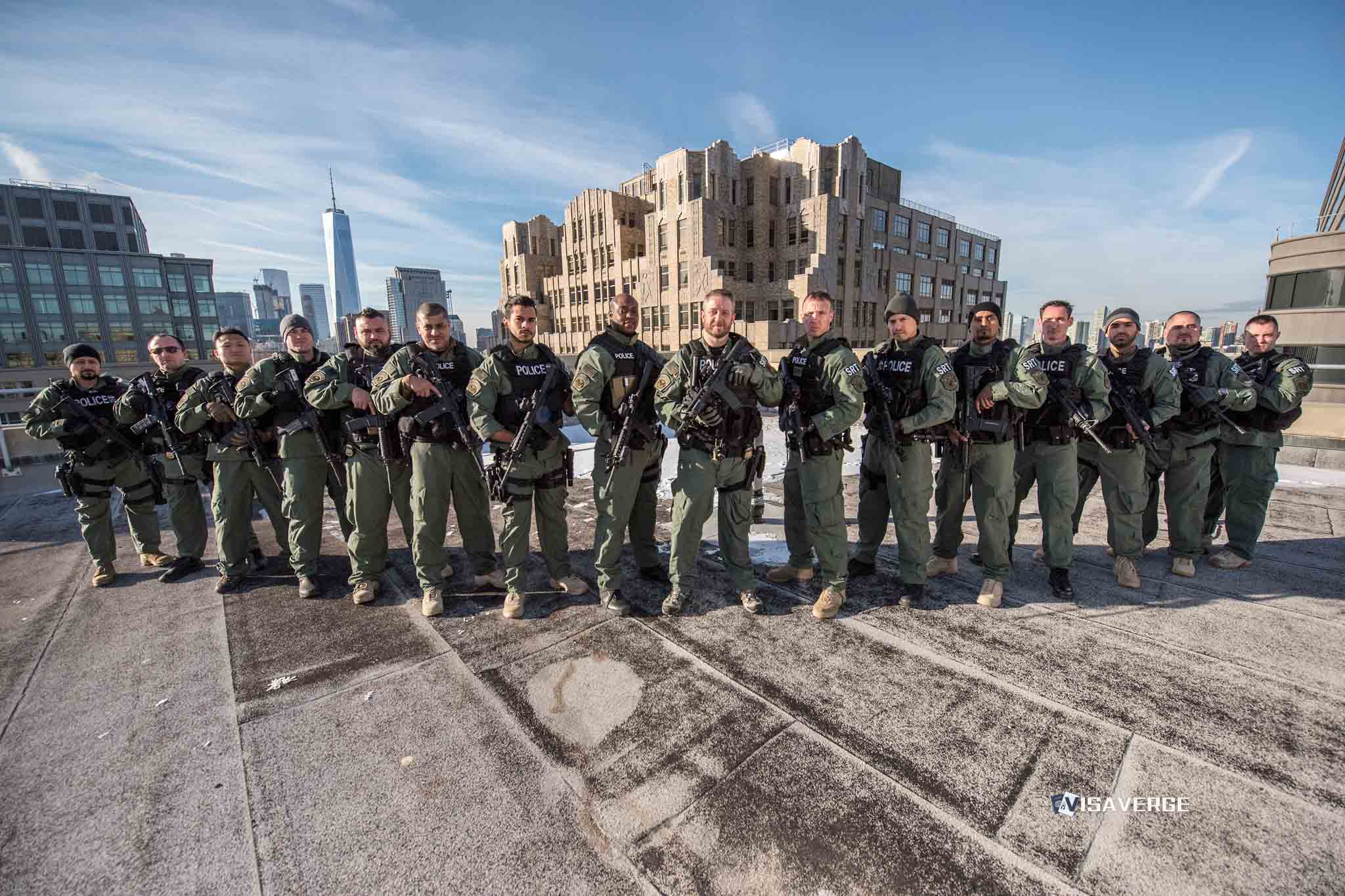
- ICE confirms HSI agents will support security efforts for the 2026 Milan-Cortina Winter Olympics.
- U.S. agents serve a protective and advisory role without direct immigration enforcement authority in Italy.
- Legal precedent Matter of Barcenas makes suppressing evidence difficult without proving specific, credible facts of illegality.
(MILAN-CORTINA, ITALY) — A long-running immigration court rule on when alleged misconduct by U.S. officers can taint a later removal case is newly relevant as Immigration and Customs Enforcement (ICE) confirms a Homeland Security Investigations (HSI) support deployment for the 2026 Winter Olympics, amid public confusion in Italy about what U.S. agents can lawfully do abroad.
Holding and practical impact: why a U.S. immigration-court precedent matters in Italy
The Board of Immigration Appeals has held that a respondent seeking to suppress evidence in removal proceedings must first make a prima facie showing of an unlawful search or seizure before the government must justify how it obtained the evidence. Matter of Barcenas, 19 I&N Dec. 609 (BIA 1988).
That holding matters here for a practical reason. Even if Olympic-related security coordination produces information that later appears in a U.S. immigration file, immigration courts typically will not exclude that evidence based on generalized allegations.
A respondent usually needs specific, credible facts about illegality and a link to the evidence used in court. This does not mean U.S. agents have immigration enforcement authority in Italy. It means that, if a later U.S. immigration case raises claims about “ICE conduct,” the legal remedy is narrow and fact-dependent.
Key facts driving the current controversy
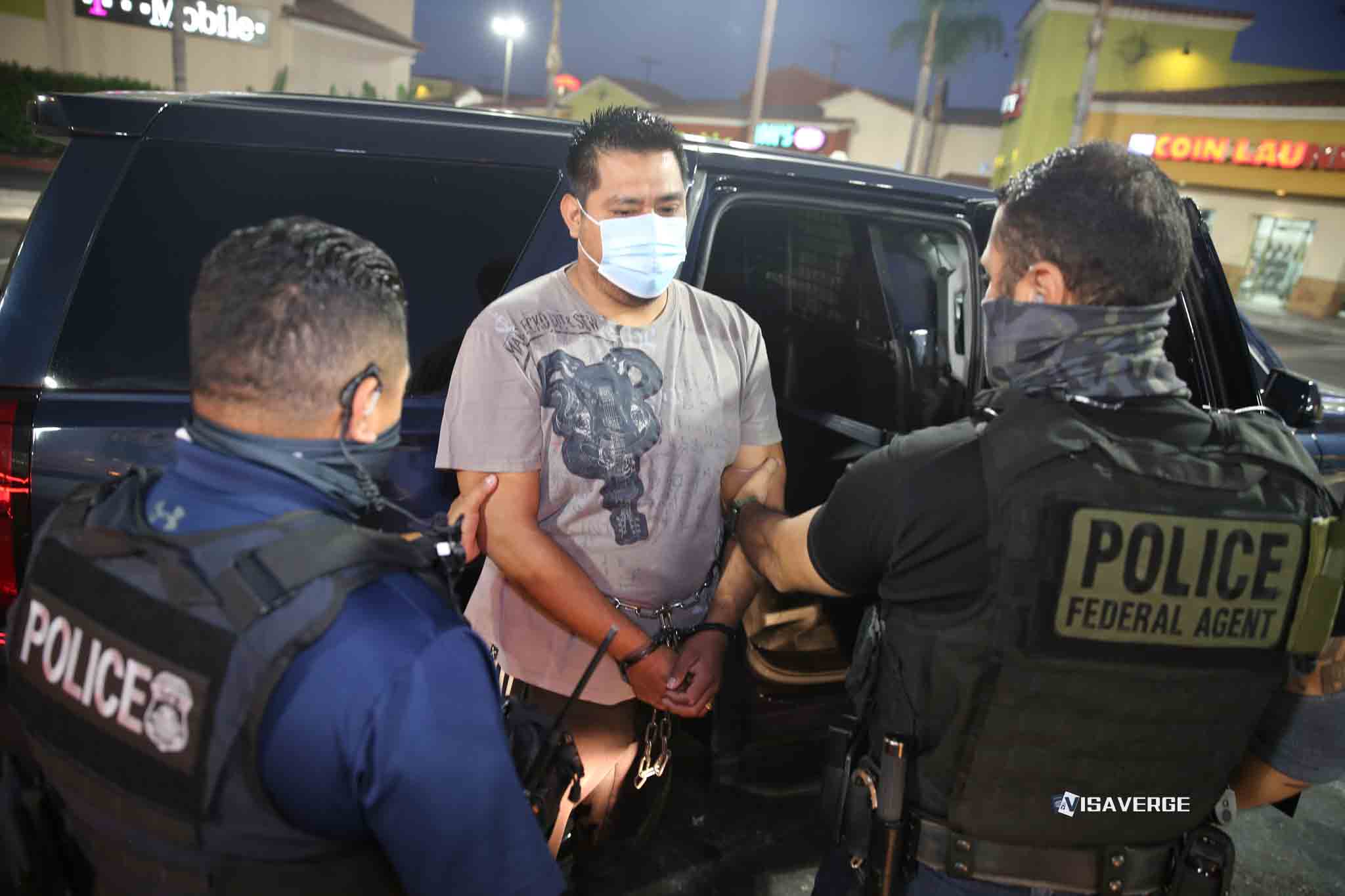
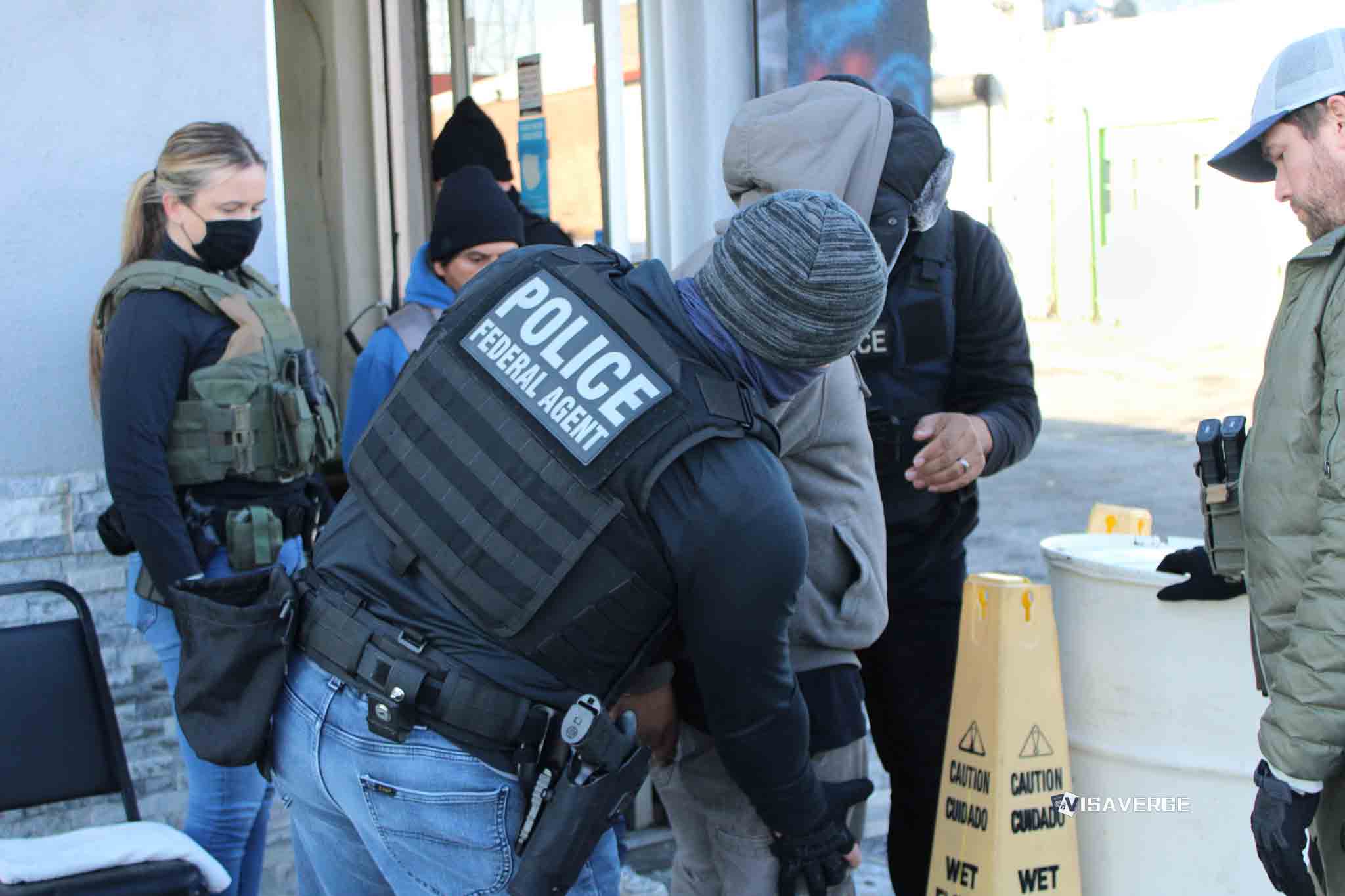
As of Tuesday, January 27, 2026, DHS and ICE publicly confirmed that federal agents will support security efforts connected to the Milan-Cortina Winter Olympics. ICE’s statements describe the agents as part of HSI, not the ICE unit known for domestic immigration arrests.
According to ICE, HSI will support the U.S. Department of State’s Diplomatic Security Service and coordinate with the host nation on vetting and risk mitigation tied to transnational criminal threats. DHS spokesperson Tricia McLaughlin stated that ICE does not conduct immigration enforcement operations in foreign countries and described the role as support for U.S. diplomatic security at the Games.
The stated U.S. protection mission is tied to the official U.S. delegation, including Vice President JD Vance, Second Lady Usha Vance, and Secretary of State Marco Rubio, with key events beginning around the Opening Ceremony on February 6, 2026.
Italian reactions have been mixed and politically charged. Milan’s mayor said ICE agents were not welcome. Italy’s interior minister emphasized that security remains in Italian hands.
Italy’s foreign minister sought to minimize alarm and framed the U.S. presence as collaboration in operations rooms. A petition opposing ICE presence reportedly exceeded 30,000 signatures.
What officials said—and what it means in plain language
DHS and ICE messaging draws a sharp distinction between two ICE components:
- HSI (Homeland Security Investigations): A criminal investigative arm that typically focuses on cross-border crimes, such as trafficking, cybercrime, and terrorism-related investigations.
- ERO (Enforcement and Removal Operations): The component that typically conducts arrests and removals inside the United States.
The U.S. position is that HSI is present to help protect U.S. officials and coordinate threat information, not to run immigration operations in Italy. The operational premise is also explicit: Italian authorities control policing decisions and enforcement activity on Italian soil.
That distinction is legally important. A foreign-deployed U.S. liaison role can include intelligence sharing and protective coordination. It does not, by itself, convey host-nation police powers.
Warning: Claims on social media that “ICE will arrest immigrants in Italy” conflate HSI with ERO and confuse U.S. agency branding with legal authority. In Italy, Italian law governs arrests, searches, and identity checks.
Policy details and jurisdiction lines: defining HSI inside ICE
HSI sits within ICE and within DHS. It commonly works cases involving international smuggling networks, illicit finance, document fraud, sanctions-related crime, and online exploitation. In major event security, agencies often deploy liaison teams to coordinate with host governments and with U.S. protective services.
The United States has described the Olympics mission as “passive escort” and advisory support. Those words matter. They imply coordination, information support, and protective logistics for U.S. officials. They do not describe host-nation policing.
This pattern is also not new as a concept. U.S. agencies have supported prior Olympics and World Cup–type events in liaison capacities. Each event still depends on host-country command structures and legal permissions.
Where U.S. immigration law fits—and where it does not
U.S. immigration arrest authority is largely territorial. Removal proceedings are governed by the Immigration and Nationality Act, including due process protections in immigration court under INA § 240. Benefits adjudications sit with USCIS, while enforcement is largely DHS, and courts are within EOIR.
None of those U.S. legal frameworks automatically authorize field enforcement in Italy. Instead, Italy’s domestic law and any diplomatic arrangements govern what foreign personnel may do.
Context and significance: optics versus legal authority
The story has drawn extraordinary attention because “ICE” carries strong political meaning, especially outside the United States. Recent U.S. controversies involving ICE, including high-profile incidents and media narratives, appear to have amplified public suspicion in Italy even though the mission is described as supportive.
Italian political messaging has also been inconsistent. Local leaders may use sharper rhetoric than national security ministries. That gap can create confusion for residents, travelers, and foreign delegations, including visitors from China who may follow international press coverage and adjust travel plans.
Public opposition indicators, such as petition activity, are best read as sentiment measures. They are not legal determinants of authority. They may, however, increase protest activity and influence security perimeters.
In general terms, the Impact Level Indicator describes the range of possible effects using the labels Low, Moderate, and High, depending on the category measured.
Warning: Public controversy can change screening intensity and crowd-control tactics, but it does not itself expand U.S. authority abroad. Expect heightened zones near official events, regardless of which agencies attend.
How the Barcenas precedent applies if Olympic-related information enters a U.S. immigration case
Matter of Barcenas arose in the suppression context. The BIA held that immigration judges do not automatically exclude evidence because a respondent alleges impropriety. The respondent must first present specific facts establishing a prima facie case of an unlawful search or seizure.
Only then does the burden shift toward the government to explain legality. If, hypothetically, information generated through Olympics security coordination later appears in a U.S. removal case, Barcenas helps predict how immigration courts handle challenges.
- Generalized allegations usually fail. Courts typically require details: who did what, when, and how it violated a legal rule.
- A clear link to the evidence matters. Respondents often must connect the alleged illegality to the documents or statements DHS is using in court.
- Remedies are limited. Suppression in removal proceedings is narrower than in criminal cases and turns on specific doctrine and circuit law.
A second BIA line of cases can also matter when the claim is a procedural violation rather than a constitutional one. The BIA has held that to obtain relief for a regulatory violation, a respondent generally must show prejudice. Matter of Garcia-Flores, 17 I&N Dec. 325 (BIA 1980).
Because federal court doctrine on suppression in removal proceedings can vary, outcomes may differ by circuit. Readers should be cautious about treating any single case as universally controlling outside the BIA context.
Who may feel effects on the ground in Italy—and what those effects look like
For most people in Italy during the Games, the effects will likely be indirect.
- Athletes, staff, and delegations: Official events can trigger layered security. That includes credential checks, controlled perimeters, and coordination between Italian police and protective details.
- U.S. travelers and dual nationals: Expect standard entry requirements under Italian and Schengen rules, plus Olympics-specific screening zones.
- Immigrants living in Italy: Local policing authority remains Italian. Any immigration-status checks would typically be governed by Italian law and policy.
- Chinese travelers and delegations: The same principle applies. Italian rules control entry and presence. Rumors about U.S. immigration enforcement in Italy should be treated skeptically unless confirmed by official sources.
What may change is perception. Protests, media attention, and misinformation can increase stress at checkpoints and at venues, even when the legal rules are unchanged.
Timeline and why timing matters
- January 27, 2026: DHS/ICE confirm HSI support deployment and emphasize host-nation control.
- Early February 2026: Security posture ramps up around arrivals, rehearsals, and protective advance work.
- February 6, 2026: Opening Ceremony and peak protective-security windows.
Timing matters because misinformation spreads fastest before operational details are widely published. Travelers should look for updated guidance as the Games approach, but avoid assuming new “policy powers” exist without official confirmation.
Deadline: If you have visa or travel-document concerns, do not wait until arrival week. Consular backlogs and carrier document checks can derail travel even when you are otherwise admissible.
Official sources and how to verify fast
To verify claims, start with primary postings and match headlines to publication date and time. For official updates, check:
- DHS newsroom (see “DHS News”)
- ICE newsroom (see “ICE News”)
- U.S. Embassy in Italy (see “Embassy updates”)
A quick method is to compare a viral screenshot to the official newsroom entry. Confirm the date, the quoted language, and whether the statement distinguishes HSI from ERO.
Practical takeaways for travelers, delegations, and immigration practitioners
- Separate the label “ICE” from the function “HSI.” The announced mission is protective coordination and transnational threat mitigation.
- Assume Italian authority controls enforcement in Italy. Any policing action should be attributed to Italian agencies unless officially stated otherwise.
- For later U.S. proceedings, evidence challenges are demanding. Under Matter of Barcenas, specific facts matter. Broad claims rarely trigger suppression.
- Get counsel early if your situation is complex. That includes prior removal orders, criminal history, sensitive travel, or high-profile security interactions.
Anyone facing a U.S. immigration case tied to travel, security screening, or information-sharing should consult a qualified immigration attorney. The intersection of event security, cross-border data, and removal litigation is highly fact-specific and can depend on circuit law.
This article provides general information about immigration law and is not legal advice. Immigration cases are highly fact-specific, and laws vary by jurisdiction. Consult a qualified immigration attorney for advice about your specific situation.
Resources: