- The U.S. has terminated Temporary Protected Status for nationals from Haiti, Honduras, and Nicaragua as of late 2025.
- Former beneficiaries have lost work permits and deportation protections, affecting over 150,000 long-term residents.
- New 2026 policies include higher visa fees, enhanced vetting, and a pause on immigrant visas for 75 countries.
(UNITED STATES) — The United States has terminated Temporary Protected Status for nationals of Haiti, Honduras and Nicaragua, leaving former beneficiaries in 2026 without the work permits and deportation protections they had relied on for years.

Haiti’s TPS designation terminated on September 2, 2025. Honduras’ TPS designation ended 60 days after the July 7, 2025 announcement by the Department of Homeland Security, with the official termination occurring in September 2025. Nicaragua’s TPS designation terminated on September 8, 2025.
Those moves stripped affected people of TPS-based work authorization and protection from removal. For many, the loss also meant the expiration of an Employment Authorization Document tied to the designation.
Free toolCanada Express Entry Points CalculatorThe changes landed as the Trump administration imposed a broader set of restrictions across legal immigration channels in 2026. Those steps included expanded travel restrictions, enhanced vetting, a new $250 Visa Integrity Fee for most nonimmigrant visa categories, a pause on immigrant visa approvals for nationals of 75 countries, and proposed limits on asylum work permits.
Temporary Protected Status allows nationals of countries hit by armed conflict, environmental disasters or other extraordinary conditions to remain and work legally in the United States. It also permits beneficiaries to seek advance parole for international travel and shields them from removal proceedings while the designation remains in effect.
TPS does not provide a path to permanent residence or citizenship. The government reviews country conditions and may extend or end a designation.
For Haitian nationals, the termination ended protections for approximately 50,000 to 100,000 people who had relied on the status since the 2010 earthquake and later humanitarian crises. For Hondurans, the move affected tens of thousands who had maintained TPS since 1999 following Hurricane Mitch. Nicaragua’s termination removed protections for thousands of people from that country.
The Department of Homeland Security said improved conditions in Honduras justified ending that designation. The terminations for all three countries now stand as one of the sharpest contractions of humanitarian protection in the current immigration system.
Former TPS holders face immediate consequences in the labor market. Employers who continue employing people without valid work authorization risk penalties under immigration employment verification rules, pushing businesses to terminate workers once a TPS-based Employment Authorization Document expires.
That has reached into healthcare, construction and food service, where many former beneficiaries had worked for years. Households that depended on those wages now face losses in income at the same time that legal alternatives have narrowed.
Many TPS holders have lived in the United States for 15 to 25 years. During that time, they raised U.S. citizen children, bought homes, rented apartments and built community ties that now collide with the loss of lawful status.
Families with mixed immigration status face hard choices. Parents who lose protection may leave the country and separate from U.S. citizen children, or stay without legal status and risk deportation.
Housing pressure follows quickly from job loss. Homeowners can fall behind on mortgage payments, while renters can struggle to keep up with monthly costs after work authorization ends.
The terminations also come amid wider policy changes that affect people trying to move from TPS into another form of relief. Effective January 1, 2026, the Trump Administration expanded existing travel restrictions through Presidential Proclamations 10949 and 10998.
Those restrictions reach beyond passport nationality. Screening also considers country of birth, dual nationality, prior long-term residence abroad and recent travel history.
That has made international travel riskier for people seeking to return to the United States through family, employment or humanitarian channels. Consular posts and ports of entry have imposed increased scrutiny and longer processing times.
USCIS added another layer in December 2025, when it established a new Vetting Center to centralize screening for terrorism, criminal activity, fraud and other security concerns. The administration also expanded social media and “online presence” vetting for H-1B and H-4 visa applicants.
Cost has risen as well. Most nonimmigrant visa categories now carry a new $250 Visa Integrity Fee in addition to existing charges.
In January 2026, the administration suspended approval of immigrant visas, though not other visa types, for nationals of 75 countries. Officials said the measure aimed to prevent individuals from “high-risk countries” from utilizing welfare in the United States.
By some estimates, that suspension blocks approximately half of all legal immigration to the United States. A challenge to the policy is pending in the Southern District of New York.
For former TPS holders, family-based immigration remains one possible route if they have close relatives who are U.S. citizens or lawful permanent residents. Yet the January 2026 immigrant visa processing pause has narrowed that path for many nationalities.
The April 2026 Visa Bulletin showed forward movement in family-based categories. F2A became current for all chargeability areas, and F1 advanced by approximately six months worldwide.
That movement reflected lower demand linked to the immigrant visa processing pause, not a broad easing of policy. The State Department warned in the bulletin that “additional demand and future policy shifts could necessitate retrogression later in the fiscal year to maintain immigrant visa issuance within annual limits.”
Employment-based immigration offers another option for some former TPS holders, especially those with employer support. But that route has also tightened.
The H-1B program now carries a $100,000 fee for new petitions for workers located outside the United States. The administration has also replaced the random lottery with a wage-based preference system.
Eligibility for employment-based green cards has tightened, particularly in categories that require proof of “extraordinary ability.” At the same time, the April 2026 Visa Bulletin showed EB-1, EB-2, and EB-3 categories current on the Dates for Filing chart for all countries other than India, China, and Philippines.
India saw advancement in EB-2 and EB-3 dates for filing, while EB-1 final action dates moved forward for China and India. EB-4 and Certain Religious Workers advanced to July 15, 2022.
Those shifts may help some applicants move paperwork forward. They do not erase the broader restrictions that former TPS holders now confront as they try to adjust status.
Asylum remains another avenue for people who fear persecution, violence or other serious harm in their home countries. Yet that option now carries its own set of barriers.
On February 20, 2026, the Department of Homeland Security published a notice of proposed rulemaking that would delay asylum seekers’ access to work permits. Under the draft rule, they would have to wait 365 days after filing an asylum application before applying for an Employment Authorization Document, up from the current 150-day waiting period.
The proposal would also give DHS authority to suspend new work-permit applications based on the size and pace of the asylum backlog. For former TPS holders who may need asylum as a fallback, that would extend the period without lawful work.
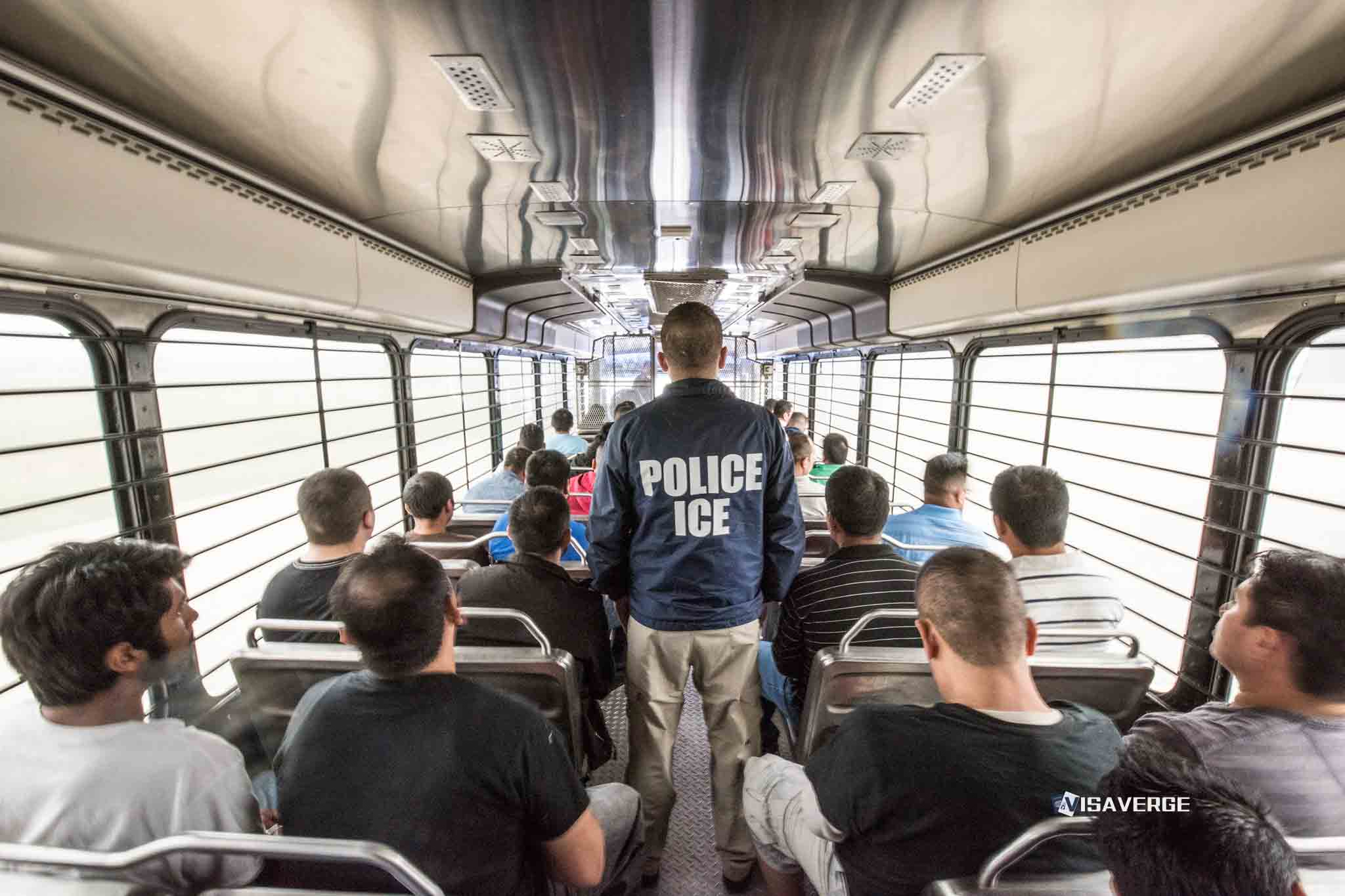
DHS also expanded Immigration and Customs Enforcement authority to detain certain refugees who have not yet obtained green cards for up to one year while they undergo additional security “re-vetting.” The guidance directs agents to detain refugees flagged in intelligence or law enforcement databases after arrival and to treat those cases as national security priorities.
The effect is a system with fewer immediate openings and more screening at nearly every stage. Former TPS holders now weigh family-based petitions, employer sponsorship, asylum claims, special immigrant categories, or, for some who arrived as children, Deferred Action for Childhood Arrivals.
U visas for crime victims and T visas for human trafficking victims remain available in limited circumstances. Each carries strict eligibility rules and limited availability.
The pressure extends beyond the three TPS populations. According to recent policy analysis, the administration has restricted legal protections and pathways affecting over 1.5 million people.
More than 100,000 student and worker visas were revoked in the previous year. Legal protections including Temporary Protected Status and humanitarian parole have also been canceled or revoked for substantial populations.
The administration has also pushed restrictions on birthright citizenship. The Supreme Court heard oral arguments on April 1, 2026 regarding President Trump’s effort to end birthright citizenship for children born to parents present in the United States illegally.
In Congress, some bipartisan discussion has emerged around a proposal that would allow most undocumented immigrants without criminal records to remain in the country, work, study and travel. The measure would not create a pathway to citizenship for most people and would exclude undocumented immigrants who entered during the Biden administration, approximately 3.5 million people according to Pew estimates.
Only Dreamers would be eligible for eventual citizenship under that framework. The proposal would also strengthen enforcement and sharply restrict the asylum process.
No such legislation has been enacted as of April 2026. For former TPS holders, that leaves immediate legal strategy more urgent than any long-term political promise.
Lawyers and community groups have urged affected people to verify the exact end date of their TPS-based benefits, review whether a family or employment petition is available, and gather records showing long residence, work history, family relationships and community ties. Those documents can matter across multiple forms of immigration relief.
Timing now shapes nearly every decision. A person who lost TPS in September 2025 may also face travel restrictions, visa fees, longer vetting, a narrowed asylum work-permit timeline and a visa system that moved forward in April 2026 partly because fewer people can use it.
For families from Haiti, Honduras and Nicaragua, the result is a shrinking set of options inside a more restrictive system. The protection that once allowed them to live and work legally in the United States has been designation terminated, and the choices that remain have grown harder, slower and more expensive.