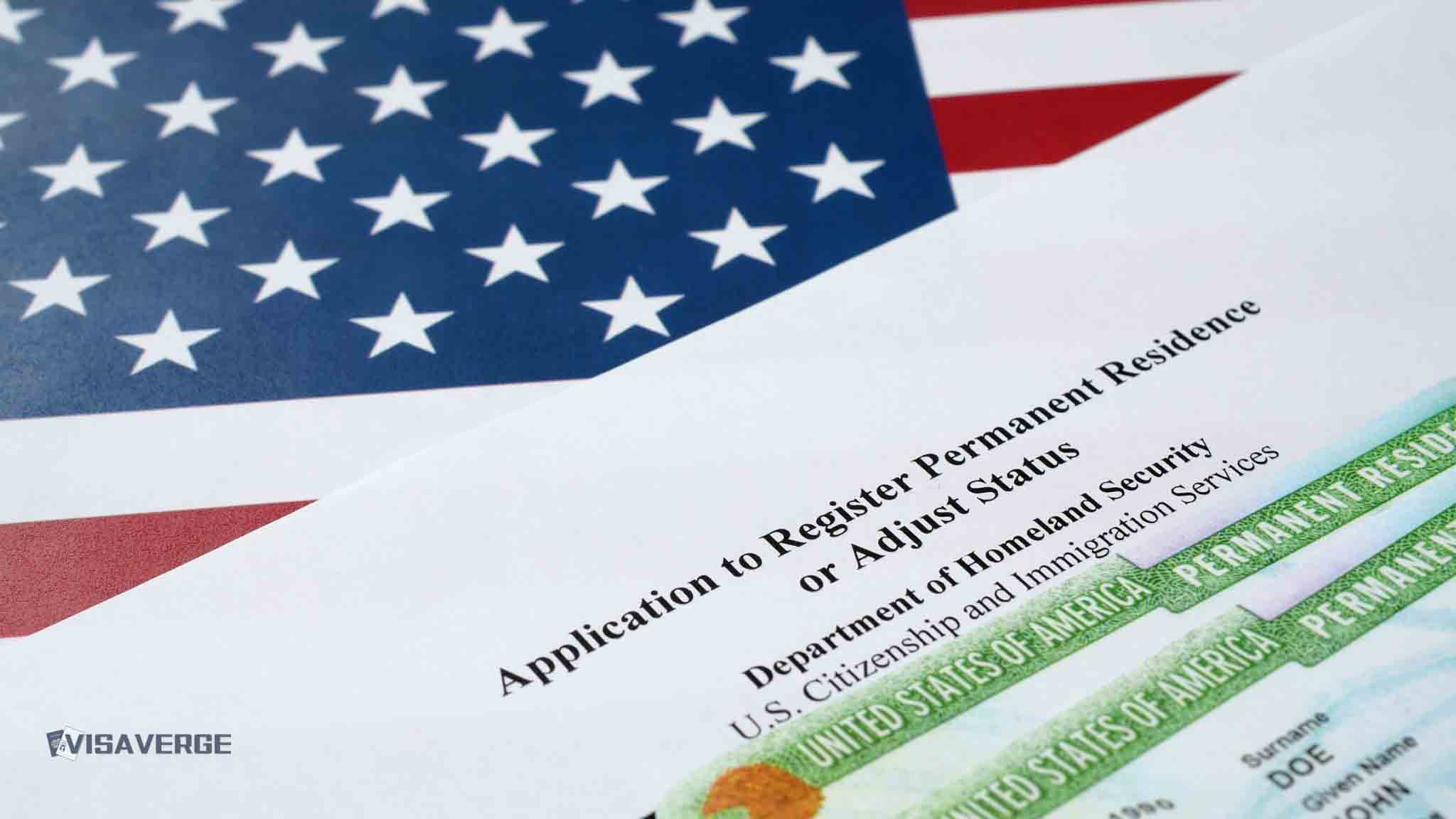
- Haiti TPS benefits are scheduled to end Feb. 3, 2026, ending work authorizations.
- Immigrants must pivot to asylum, withholding, or CAT to avoid removal proceedings.
- Communities in Springfield face urgent legal and social pressures due to status changes.
(SPRINGFIELD, OHIO) — The most practical legal defense strategy for many Haitians facing post‑TPS deportations is to pivot quickly from Temporary Protected Status to another lawful basis to remain—most commonly asylum, withholding of removal, or protection under the Convention Against Torture (CAT), with a parallel review of family- and employer-based options.
TPS is a humanitarian “stopgap.” When it ends, people who relied on it may lose work authorization and, if they have no other status, may become removable under the Immigration and Nationality Act (INA).

In places like Springfield, where community estimates place the Haitian population in the low‑to‑mid five figures, that transition can trigger urgent legal decisions for individuals and mixed‑status families.
Deadline Watch: Haiti TPS benefits end shortly before midnight on Feb. 3, 2026. After that, those without another lawful basis to stay may be placed in removal proceedings.
Always verify dates in the controlling Federal Register notice and the USCIS Haiti TPS page.
1) Overview: What TPS termination means in real life
Temporary Protected Status is authorized by INA § 244. It does not, by itself, create permanent status. TPS typically provides two core benefits:
- Protection from removal based on TPS during the designation period
- Eligibility for an employment authorization document (EAD)
When TPS terminates, those TPS-linked protections end. If a person has no other lawful status, DHS may treat the person as removable.
Some people may already have another status, such as parole, asylum pending, or an approved immigrant petition with a path to adjustment. Others may not.
A key practical point is timing. Many defenses require gathering records, affidavits, and expert evidence. They also require filing within strict windows, or at the correct agency, depending on posture.
Warning: TPS termination is not a finding that you personally lack a claim to protection.
It is a program decision that affects eligibility for TPS benefits.
2) Official actions: how terminations happen and what DHS is saying
TPS terminations are implemented through DHS/USCIS announcements and formal publication in the Federal Register, which controls effective dates. USCIS then updates country-specific TPS pages and filing instructions.
DHS’s policy rationale, as stated publicly, generally speaks to the statutory TPS standard. DHS may assert that conditions have improved enough to end the designation. That rationale is not an individual adjudication of safety or persecution risk in a particular person’s case.
Termination also does not “convert” someone into another status. It ends a benefits framework. Any continued presence in the United States must rest on another immigration category, a pending application that authorizes stay, or a defense asserted in court.
For official updates, readers should rely on the USCIS Haiti TPS page and the controlling Federal Register notice, rather than social media summaries. See: USCIS Haiti TPS, Federal Register, and DHS News.
3) Springfield and Clark County: who is affected and why estimates vary
Local estimates commonly vary because “the Haitian community” includes several groups. It can include TPS holders, former TPS holders, people with pending asylum cases, lawful permanent residents, and U.S. citizens of Haitian descent.
Springfield has seen rapid population growth in recent years. A rapid increase can stress schools, employers, housing, and legal services. It can also increase the number of people seeking last‑minute legal screening.
Mixed‑status households are especially complex. Many Haitian parents have U.S.-citizen children by birth. Those children cannot petition for a parent until age 21. Even then, other barriers may apply. In the meantime, parents may need a different form of protection or a long-term plan for caregiving.
Family planning is not only emotional. It can be legal. Caregiver authorizations, school permissions, and custody documents may matter if a parent is detained.
4) “Operation Buckeye,” enforcement trends, and what increased activity may look like
Reports of stepped-up activity often involve several patterns: more ICE check-ins, targeted arrests based on prior orders, and increased workplace or community encounters. That does not mean every person will be approached. It does mean preparation matters.
It is also critical to separate federal immigration authority from local policing. Local cooperation rules vary by jurisdiction and policy. Immigration arrests can involve judicial warrants, or administrative documents that are not signed by a judge.
If ICE appears at a home, basic rights issues often turn on whether agents have a judge-signed warrant for entry. Many enforcement encounters hinge on what is said in the first minutes.
This is a high-risk area for do‑it‑yourself lawyering. People should seek counsel and learn local, current practice. Advocacy groups can share “know your rights” materials. Only an attorney can advise on personal exposure.
Warning: Do not present false documents or false identity information.
Misrepresentation can trigger severe immigration penalties under INA § 212(a)(6)(C).
5) Local response: training, observation, and legal limits
Springfield-area coalitions and churches have described rapid-response efforts focused on documentation, accompaniment, and community support. These efforts often aim to reduce panic, connect people to attorneys, and encourage lawful observation.
There is an important legal line between observing and documenting versus interfering with an enforcement action. Interference can create criminal exposure. It can also worsen an immigrant’s situation.
Community supports can still be meaningful. They can help families assemble documents, secure child-care plans, find reputable counsel, and avoid scams. They can also help people show up to court and comply with orders, which may be relevant in discretionary decisions.
6) Economic and social effects: important, but not a status by itself
TPS work authorization supports continuity for employers and local services. If large numbers of Haitians lose EADs, employers may face turnover and training costs. Families may lose stable housing. Consumer spending may drop.
Those effects matter for local planning and advocacy. They do not, by themselves, create lawful status. Immigration relief still turns on statutory eligibility, evidence, credibility, and discretion.
7) Defense strategy after TPS: asylum/withholding/CAT plus parallel options
For Haitians facing deportations after TPS ends, removal defense often becomes the central strategy. In removal proceedings, common protection-based defenses include asylum, withholding of removal, and CAT protection.
A) Asylum (INA § 208)
Asylum requires proof of past persecution or a well-founded fear of future persecution on account of a protected ground: race, religion, nationality, political opinion, or “membership in a particular social group.” The BIA’s foundational framework begins with Matter of Acosta, 19 I&N Dec. 211 (BIA 1985).
Key eligibility issues
- The one-year filing deadline applies. See INA § 208(a)(2)(B).
- Exceptions may exist for changed or extraordinary circumstances.
- Criminal convictions and certain security grounds can bar asylum. See INA § 208(b)(2).
Evidence that typically matters
- Detailed declaration, consistent testimony, and corroboration where available.
- Country-conditions reports and expert statements.
- Police reports, medical records, threats, and affidavits from witnesses.
Factors that strengthen or weaken a case
- Strengtheners: specific threats, pattern of targeting, political activity evidence, and credible corroboration.
- Weakeners: major inconsistencies, delay without explanation, or evidence that safe internal relocation is reasonable.
B) Withholding of removal (INA § 241(b)(3))
Withholding has a higher burden than asylum (“more likely than not” persecution). It has fewer benefits, but it can still stop removal to Haiti for eligible individuals.
Some asylum bars do not apply the same way, but serious crimes can still bar withholding.
C) CAT protection (8 C.F.R. §§ 1208.16–1208.18)
CAT requires showing it is more likely than not that a person would be tortured, by or with the acquiescence of a public official. CAT does not require a protected ground.
It can be available even when asylum is barred, depending on facts and criminal history.
D) Parallel pathways to screen immediately
Even while preparing a protection case, competent counsel will usually screen for family- and employment-based options and other forms of relief.
- Family-based adjustment possibilities, including whether TPS travel or admission issues affect eligibility.
- Employer sponsorship options, though timing and admissibility are often hurdles.
- Cancellation of removal (INA § 240A) for certain nonpermanent residents, which requires 10 years’ continuous presence, good moral character, and exceptional and extremely unusual hardship to a qualifying U.S.-citizen or LPR relative.
Realistic expectations vary widely. Some people will qualify for relief. Many will not. The strongest outcomes usually come from early legal review and careful evidence development.
Deadline Watch: If you may pursue asylum, discuss the one-year rule immediately.
Late filing can be fatal unless an exception applies.
8) Official sources: where readers should confirm updates
For TPS and termination details, use official sources that control dates and instructions.
- USCIS program hub: USCIS Haiti TPS
- Controlling publication for effective dates: Federal Register
- DHS announcements and context: DHS News
- EOIR court information and hearing changes: EOIR
Attorney representation is critical in this moment. Removal defense is document-heavy and deadline-driven. It also requires strategy choices that can affect eligibility for years.
⚖️ Legal Disclaimer: This article provides general information about immigration law and is not legal advice. Consult a qualified immigration attorney for advice about your specific situation.
Resources: