Key Takeaways
- Total CBP encounters tripled from 711,670 in 2014 to 3,201,140 in 2023, with a slight drop to 2,901,140 in 2024.
- The Southwest Land Border consistently accounted for the majority, with 2,475,670 of 3,201,140 encounters in 2023 and 2,135,000 in 2024.
- As of November 2024, Fiscal Year 2025 recorded 268,230 encounters, predominantly at the Southwest Land Border with 200,530 cases logged.
The dataset reflecting “Nationwide CBP Encounters by Encounter Type and Region” between Fiscal Years 2014 and 2025 provides a broad view of U.S. immigration enforcement activities at various border entry points. This analysis showcases key trends, examines the changing landscape of enforcement and administrative encounters, and highlights the broader policy implications. The data, compiled by the Office of Homeland Security Statistics, underscores variations in the scope and scale of encounters, revealing fluctuating immigration dynamics over time.
Overview of Nationwide CBP Encounters

Nationwide CBP Encounters encompass activities conducted by Customs and Border Protection (CBP), classified broadly into “enforcement encounters” and “administrative encounters.” Enforcement encounters include formal processes like expulsion actions under Title 42 and other legal measures, while administrative encounters typically involve cases without immediate removal proceedings, such as certain withdrawn admission applications or parole-based releases.
The detailed table for Fiscal Years 2014 to 2025 reveals multiple entry points of interest: the Southwest (SW) Land Border, Northern Land Border, Coastal Border, Air Ports of Entry, and the U.S. Interior. Each entry point reflects unique challenges in managing immigration flows, warranting context-specific strategies.
Free toolUSCIS Receipt Number DecoderNotable Trends in CBP Encounters
A closer look at the data across fiscal years reveals several distinct patterns:
1. Steady Increase in Total CBP Encounters
From 2014 to 2023, the total number of CBP encounters steadily rose from 711,670 to a peak of 3,201,140, marking a threefold increase in less than a decade. This rise can be largely attributed to growing encounters along the SW Land Border, which regularly accounted for the majority of overall encounters. However, after peaking in 2023, total encounters slightly dropped to 2,901,140 during Fiscal Year 2024.
2. Dominance of the Southwest Land Border
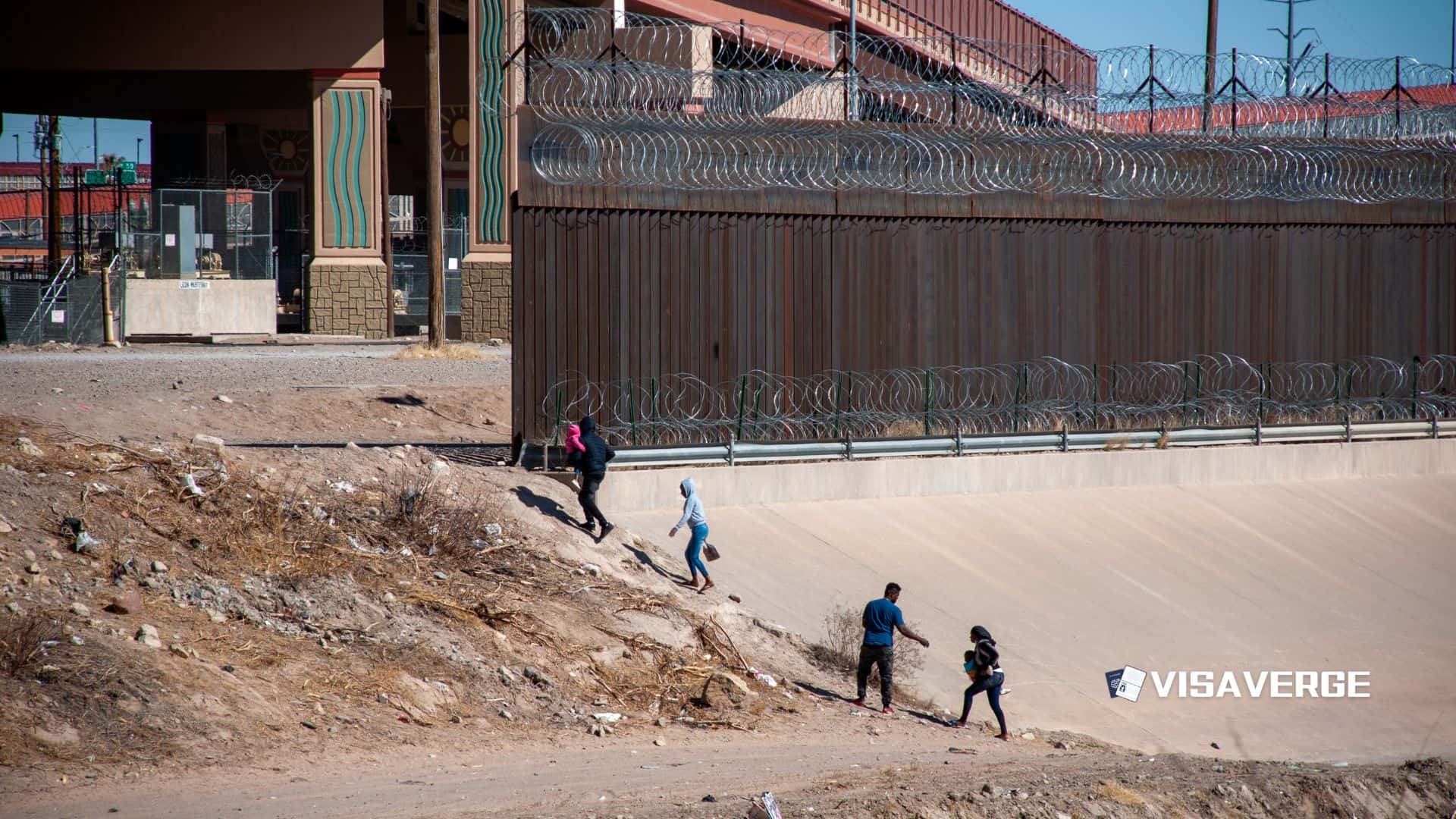
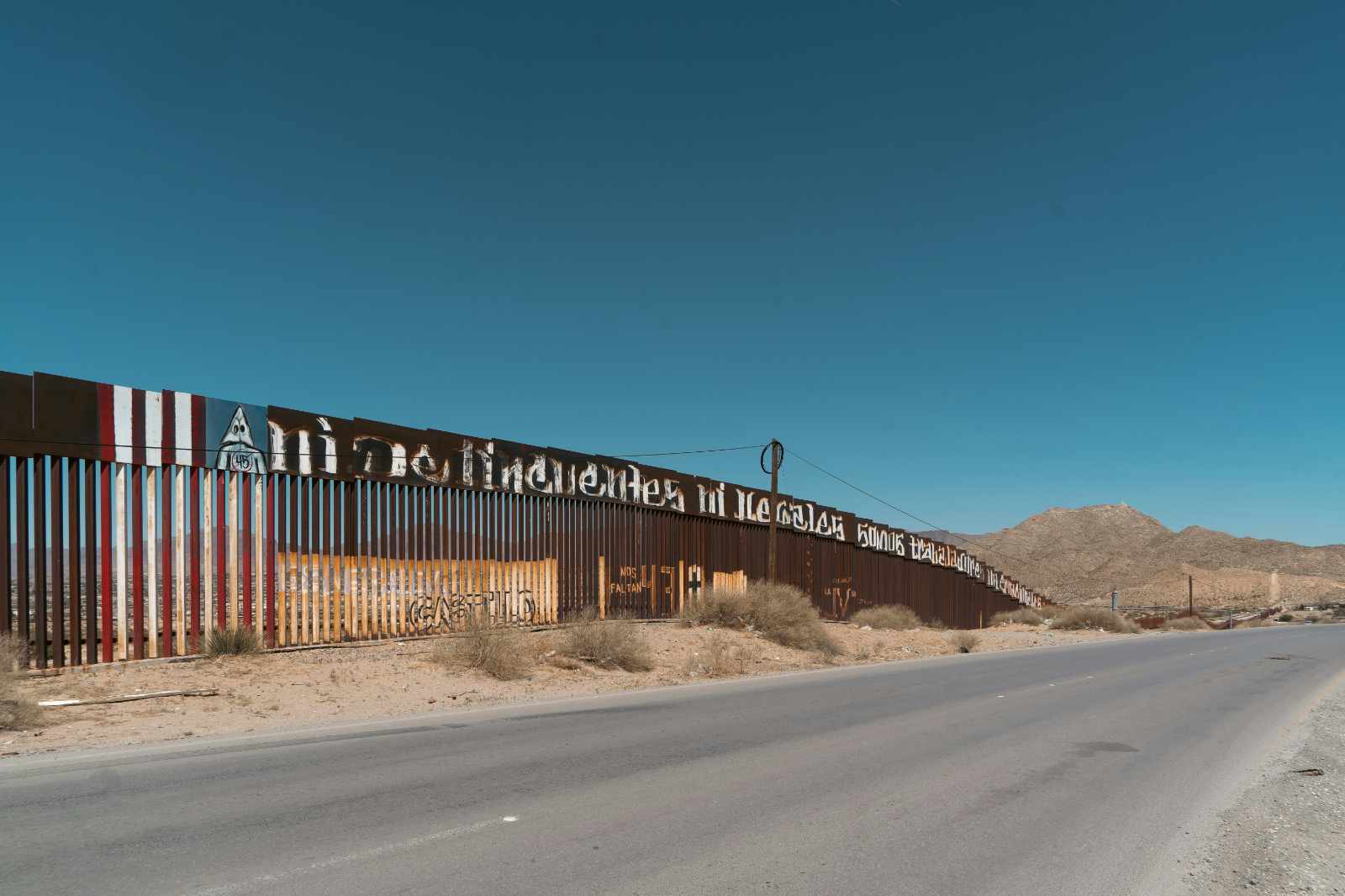
Data consistently show that the SW Land Border manages the highest volume of encounters. For instance, in 2023, it accounted for 2,475,670 of the 3,201,140 encounters logged. By November 2024, its share remained significant, with 2,135,000 out of 2,901,140 total encounters occurring there. The heavy focus on the SW Land Border reflects migration trends from nearby regions such as Mexico ?? and Northern Triangle countries.
3. Challenges at Secondary Entry Points
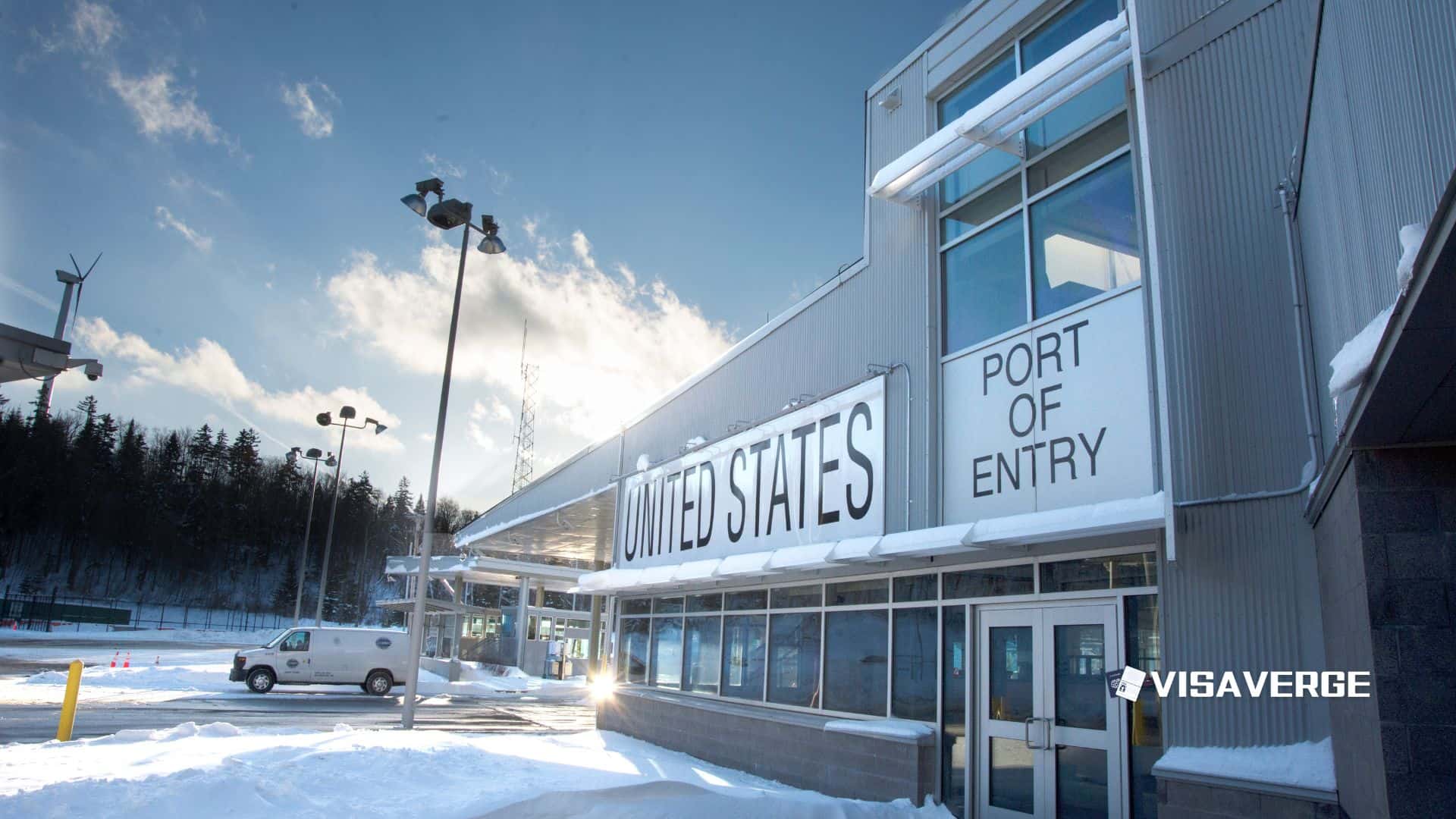
Unlike the SW Land Border, other entry points, such as the Northern Land Border and Coastal Border, handle relatively smaller volumes. Nonetheless, activity on these entry points is far from negligible. For example, 2023 and 2024 both recorded over 198,000 encounters at the Northern Land Border and significant surges along the Coastal Border reaching 127,680 in 2024.
4. Variability by Month in 2024
Monthly statistics for Fiscal Year 2024 reveal seasonal fluctuations. After an initial high in October and November (309,020 and 308,600 encounters, respectively), encounter levels showed a general decline during spring and summer. For instance, September 2024 recorded 144,670 encounters, a sharp contrast to October’s figures.
5. Impacts of Public Health Measures
The data delineates how public health measures, such as Title 42 introduced due to the COVID-19 pandemic, shaped enforcement encounters. Although enforcement dominated the overall encounters throughout 2020 and 2021, Title 42 amplified expulsions at certain borders during its effective period. The scaling back of Title 42 policies contributed to shifts observed in 2023 and 2024.
Total CBP Encounters by Region (Fiscal Years 2014-2025)
| Fiscal Year | Total | SW Land Border | Northern Border | Coastal Border | Air Ports/Interior |
|---|---|---|---|---|---|
| 2014 | 711,670 | 570,050 | 31,020 | 56,640 | 53,970 |
| 2015 | 591,830 | 444,860 | 28,540 | 52,830 | 65,610 |
| 2016 | 690,430 | 558,990 | 26,790 | 39,990 | 64,660 |
| 2017 | 526,790 | 415,200 | 27,970 | 23,370 | 60,250 |
| 2018 | 686,070 | 519,940 | 34,130 | 22,270 | 109,730 |
| 2019 | 1,147,480 | 977,230 | 35,670 | 81,160 | 53,420 |
| 2020 | 646,800 | 458,080 | 32,370 | 113,290 | 43,060 |
| 2021 | 1,956,520 | 1,734,680 | 27,180 | 141,690 | 52,960 |
| 2022 | 2,766,580 | 2,378,940 | 109,540 | 163,760 | 114,350 |
| 2023 | 3,201,140 | 2,475,670 | 189,400 | 144,320 | 391,750 |
| 2024 | 2,901,140 | 2,135,000 | 198,930 | 127,680 | 439,530 |
| 2025 YTD* | 268,230 | 200,530 | 27,610 | 21,070 | 19,020 |
*2025 YTD data includes October and November 2024 only
Enforcement Encounters by Region (Fiscal Years 2023-2025)
Includes all USBP encounters, OFO encounters with dispositions other than administrative encounters, and encounters resulting in expulsion pursuant to the CDC’s Title 42 public health order.
| Fiscal Year | Total | SW Land Border | Northern Border | Coastal Border | Air Ports/Interior |
|---|---|---|---|---|---|
| 2023 | 2,641,700 | 2,457,270 | 135,890 | 8,820 | 39,730 |
| 2024 | 2,353,190 | 2,121,120 | 188,190 | 3,820 | 40,060 |
| 2025 YTD* | 231,370 | 198,250 | 26,390 | 690 | 6,040 |
*2025 YTD data includes October and November 2024 only
Administrative Encounters by Region (Fiscal Years 2023-2025)
Includes specific types of encounters of inadmissible noncitizens in which removal proceedings are not considered, including withdrawn applications for admission, foreign crew members without entry visas, and persons paroled into the United States without removal proceedings.
| Fiscal Year | Total | SW Land Border | Northern Border | Coastal Border | Air Ports/Interior |
|---|---|---|---|---|---|
| 2023 | 559,430 | 18,400 | 53,510 | 135,500 | 352,020 |
| 2024 | 547,950 | 13,880 | 10,740 | 123,860 | 399,470 |
| 2025 YTD* | 36,860 | 2,280 | 1,220 | 20,380 | 12,990 |
*2025 YTD data includes October and November 2024 only
Comparing Enforcement and Administrative Encounters
Enforcement Encounters
Enforcement encounters, forming the bulk of records, encompass measures focused on removals and expulsions. For example, during Fiscal Year 2023, enforcement actions constituted 2,641,700 out of the 3,201,140 total encounters—approximately 82%. In Fiscal Year 2024, this proportion held steady, with 2,353,190 enforcement encounters compared to 547,950 administrative ones.
Administrative Encounters
Administrative encounters exhibit substantial year-to-year fluctuations but portray distinct trends worth highlighting. For instance, Fiscal Year 2018 recorded a sudden jump in administrative activities at Air Ports of Entry, totaling 109,730 encounters. In 2024, administrative activities along the SW Land Border were notably fewer, decreasing sharply to 13,880 cases versus prior years.
Fiscal Year 2025: Current-Year Data Outlook
By November 2024, partial Fiscal Year 2025 estimates already highlight continued engagement at major border points. As of the year-to-date (YTD) total, 268,230 encounters have been logged. Notably, the SW Land Border continued its regional dominance with 200,530 encounters despite emerging activity through Northern and Coastal entry points.
Broader Context and Implications
The statistical overview of Nationwide CBP Encounters from 2014 through 2025 is more than numbers—it reflects evolving migration drivers, enforcement priorities, and shifts in U.S. immigration policies. Major influences on this variability include:
- Policy Adjustments: Changes in border security and procedural frameworks directly impact growth trends. For example, additional CBP staffing or expanded surveillance efforts serve to deter unauthorized entries.
Geopolitical Pressures: Migration surges are often driven by crises, such as conflicts or natural disasters in source countries. The steady increases in encounters during 2021 and 2022 likely stem from post-pandemic recession effects and unstable conditions in migrant-sending regions.
Economic Considerations: Destinations like the United States often see heightened inflows corresponding to economic instability outside its borders.
Limitations in Data Interpretation
While the dataset provides crucial insights, it has several limitations. First, numbers alone do not capture the nuanced human circumstances behind each encounter. Secondly, certain rounding practices in data publication may mask intricate shifts in smaller categories such as Northern Land Border entries or Coastal activities.
Finally, since data are drawn from specific agency methodologies, direct comparisons with other external sources might yield inconsistencies. These factors do not diminish the importance of collected data, but they suggest careful usage alongside other qualitative resources for comprehensive analysis.
Policy Considerations and Future Projections
The trends evidenced in the presented data prompt reflection on future immigration policies. Here are some primary focus areas:
- Resource Allocation: The steady dominance of the SW Land Border among encounter sites highlights the need for robust CBP infrastructure and staffing in that specific region.
Monitoring Secondary Entry Points: While the SW Land Border controls the majority, notable increases at Northern and Coastal Borders warrant heightened attention to avoid unexpected bottlenecks.
Public Health Frameworks: As measures like Title 42 fade, developing alternative enforcement mechanisms compatible with public health contingencies remains critical.
Evolving Migration Drivers: Climate change and regional volatility may shape border entries through 2030. Predictive models based on geopolitical data could prepare immigration agencies accordingly.
Conclusion
The dataset from the Office of Homeland Security Statistics provides invaluable visibility into U.S. border trends, underscoring critical shifts across Fiscal Years 2014 to 2025 YTD. The ongoing predominance of the SW Land Border, seasonal encounter fluctuations, and dynamic administrative processes highlight complex challenges U.S. immigration authorities will face in the near term.
Analysis from VisaVerge.com emphasizes that a holistic policy approach must consider external migration drivers, agency resource requirements, and local enforcement needs. For anyone interested in exploring more official insights, resources such as the U.S. Customs and Border Protection website provide information directly from enforcement agencies themselves.
By adapting swiftly to evolving conditions, the United States can better manage these changing immigration patterns while ensuring adherence to both humanitarian values and national security priorities.
Learn Today
CBP (Customs and Border Protection) → U.S. federal agency responsible for border enforcement, trade regulation, and immigration control at entry points.
Title 42 → A public health policy allowing expedited removal of migrants to prevent the spread of communicable diseases like COVID-19.
Enforcement Encounters → Interactions involving legal actions such as arrests or expulsions, typically resulting in removal or deportation processes.
Administrative Encounters → Non-enforcement immigration events, like processing parole releases or withdrawal of admission applications, without immediate removal actions.
SW Land Border → The Southwest Land Border, the U.S.-Mexico border region, handling the most immigration encounters in the United States.
This Article in a Nutshell
CBP Encounters: Trends and Insights
From 2014 to 2025, CBP encounters reveal staggering increases, peaking at 3.2 million in 2023. The Southwest Land Border dominates with 77% of cases, reflecting regional migration pressures. Emerging activity at Northern and Coastal entry points underscores shifting patterns. Future strategies demand adaptive policies, balancing enforcement with humanitarian considerations. Insights await exploration.
— By VisaVerge.com
Read more:
• Breaking: Federal Workers Block USAID Doors Over Elon Musk Data Breach
• Trump Administration Aims to Access Immigrant Minors Database
• Grassley Criticizes USCIS Over Voter Data Compliance
• Simplifying Visas for AI Specialists and Data Center Zones
• Ohio Sues Feds for Voter Citizenship Data Access