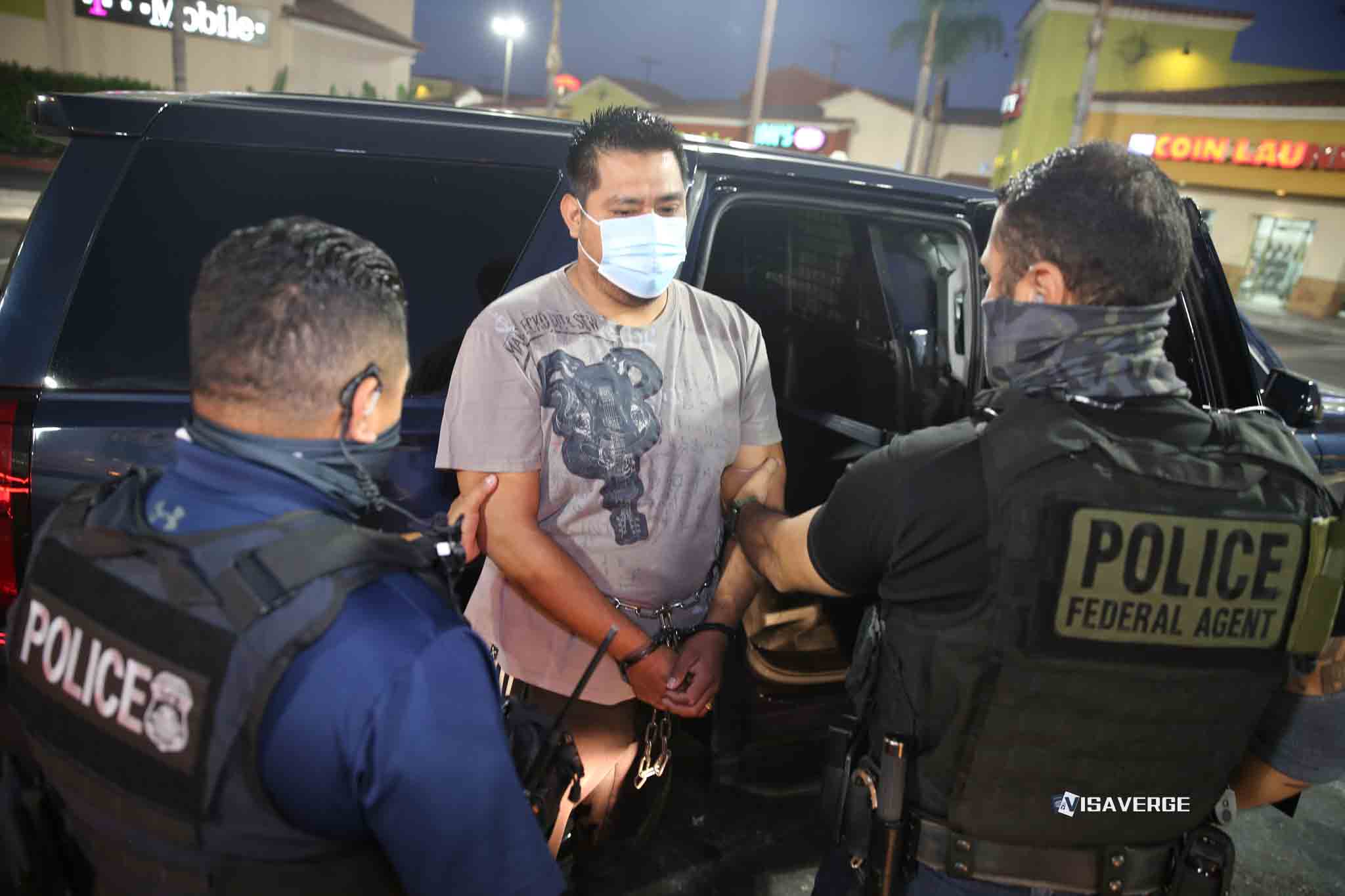
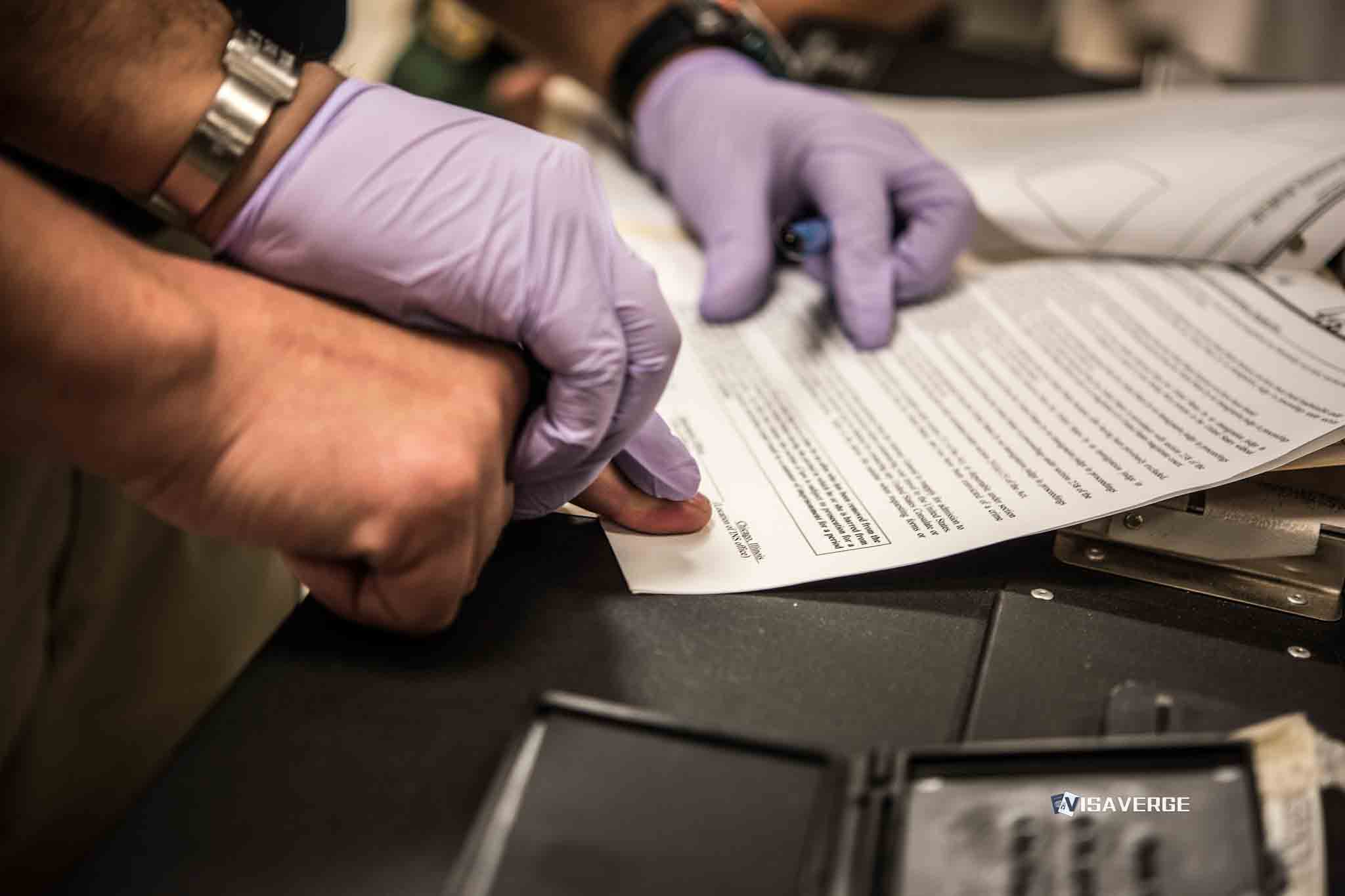
- Heightened federal enforcement and community protests in Minnesota force time-sensitive legal decisions for residents.
- Operation Metro Surge involves large-scale ICE deployments while Operation PARRIS focuses on re-vetting refugee cases.
- State and local officials have filed a federal lawsuit challenging the constitutionality of current immigration actions.
(TWIN CITIES, MINNESOTA) — A fast-moving mix of federal immigration activity and large-scale public protest is forcing Minnesota residents, immigrants, employers, and healthcare providers to make time-sensitive decisions about safety, documentation, and legal options.
In the Minneapolis–St. Paul area, demonstrators have described the Day of Truth & Freedom as a coordinated protest against heightened federal immigration enforcement and its spillover effects on schools, businesses, and daily life.

Reports from community groups and local officials have included an “economic blackout,” business closures, and school walkouts during dangerous winter conditions. Some impacts are easier to verify than others, and early accounts can change as agencies, courts, and investigators release more information.
This guide explains the process for (1) tracking what is official versus rumor, (2) protecting rights during encounters tied to Operation Metro Surge, and (3) responding to USCIS actions connected to Operation PARRIS—with special attention to healthcare access and the realities of a cold-weather emergency.
1) Overview: what the “Day of Truth & Freedom” process is trying to accomplish—and who needs this guide
The immediate “process” many families are attempting is practical: keep working, get children to school safely, access medical care, and reduce legal risk while verifying what is actually happening.
People most likely to need a structured plan include:
- Mixed-status families worried about enforcement activity near work, school, or clinics.
- Refugees and other humanitarian entrants concerned about re-review of prior approvals.
- Employers and school administrators responding to reported disruptions.
- Witnesses who want to document events without interfering with enforcement.
The core dispute is also legal. It involves federal power to enforce immigration law (DHS/ICE/CBP/HSI) versus state and local claims about constitutional limits and local resource burdens.
Litigation in federal court can reshape what happens next, but court processes take time.
2) Official statements and how to read them (DHS vs ICE vs USCIS)
In immigration matters, “official” can mean different things.
- DHS is the cabinet department. It often issues broad messaging about enforcement priorities and deployments.
- ICE (within DHS) handles interior enforcement and detention. Its operational announcements may describe arrests or deployments, but are not court findings.
- USCIS (within DHS) adjudicates immigration benefits. USCIS news releases and policy guidance affect applications, interviews, and post-approval reviews.
For Minnesota, a brief chronology of agency messaging and releases has been publicly reported and is still developing. Readers should treat press statements as the government’s position, not as proof of individual wrongdoing.
Operational announcements also do not determine whether a person is removable or eligible for relief. Those legal questions are decided through USCIS adjudications or EOIR court proceedings, under the INA and regulations.
3) Key facts and policy details: what “Metro Surge” and “PARRIS” generally mean
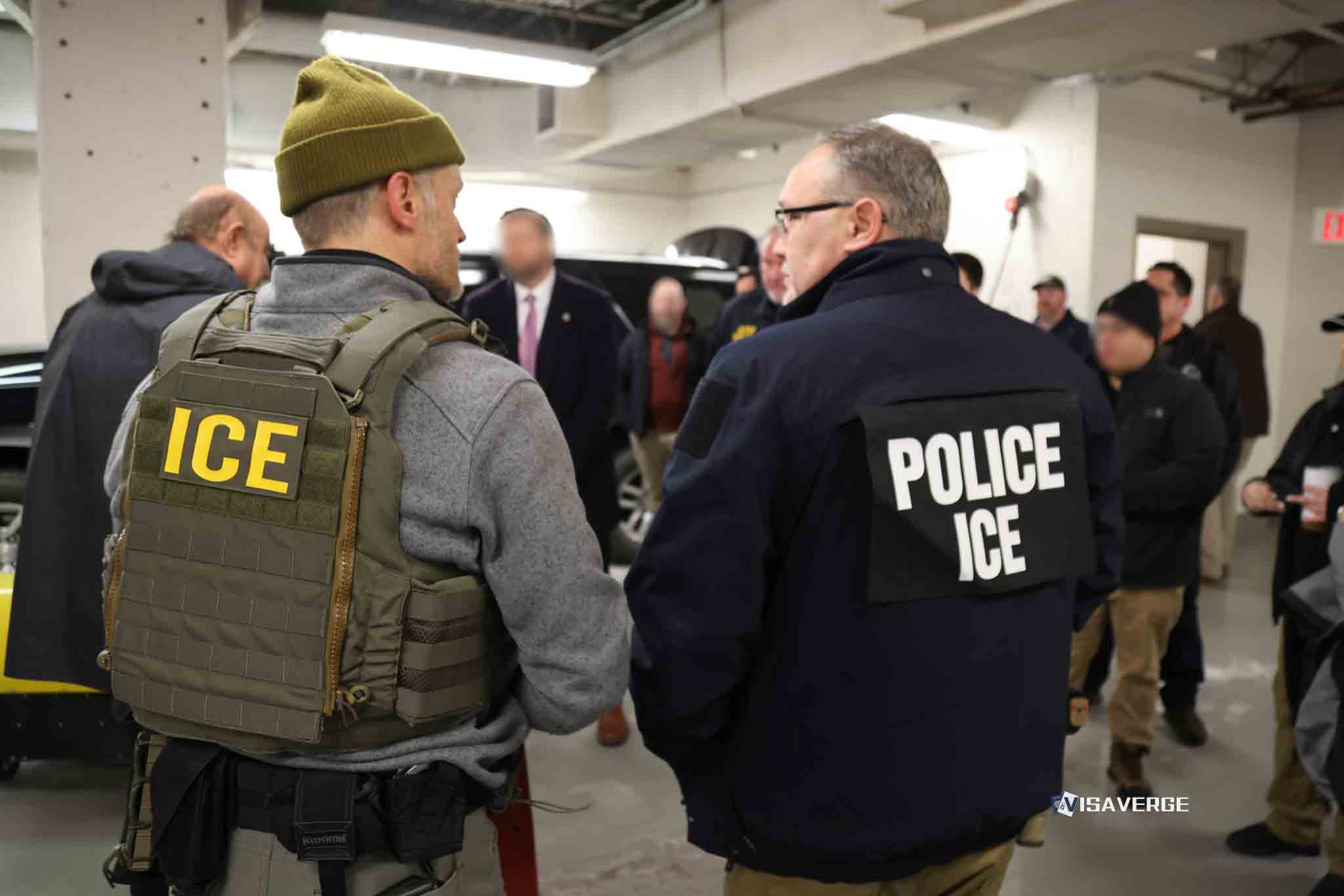
Operation Metro Surge. A “surge” typically means a temporary concentration of personnel and coordinated actions in a defined area. That can include more officers, more traffic stops tied to warrants, more workplace scrutiny, and faster detention transfers.
Publicly reported figures describe a very large deployment and a substantial number of arrests. Those figures can indicate scale, but they do not show guilt, immigration eligibility, or whether arrests were later dismissed. Counts can also include duplicates or people arrested on different grounds.
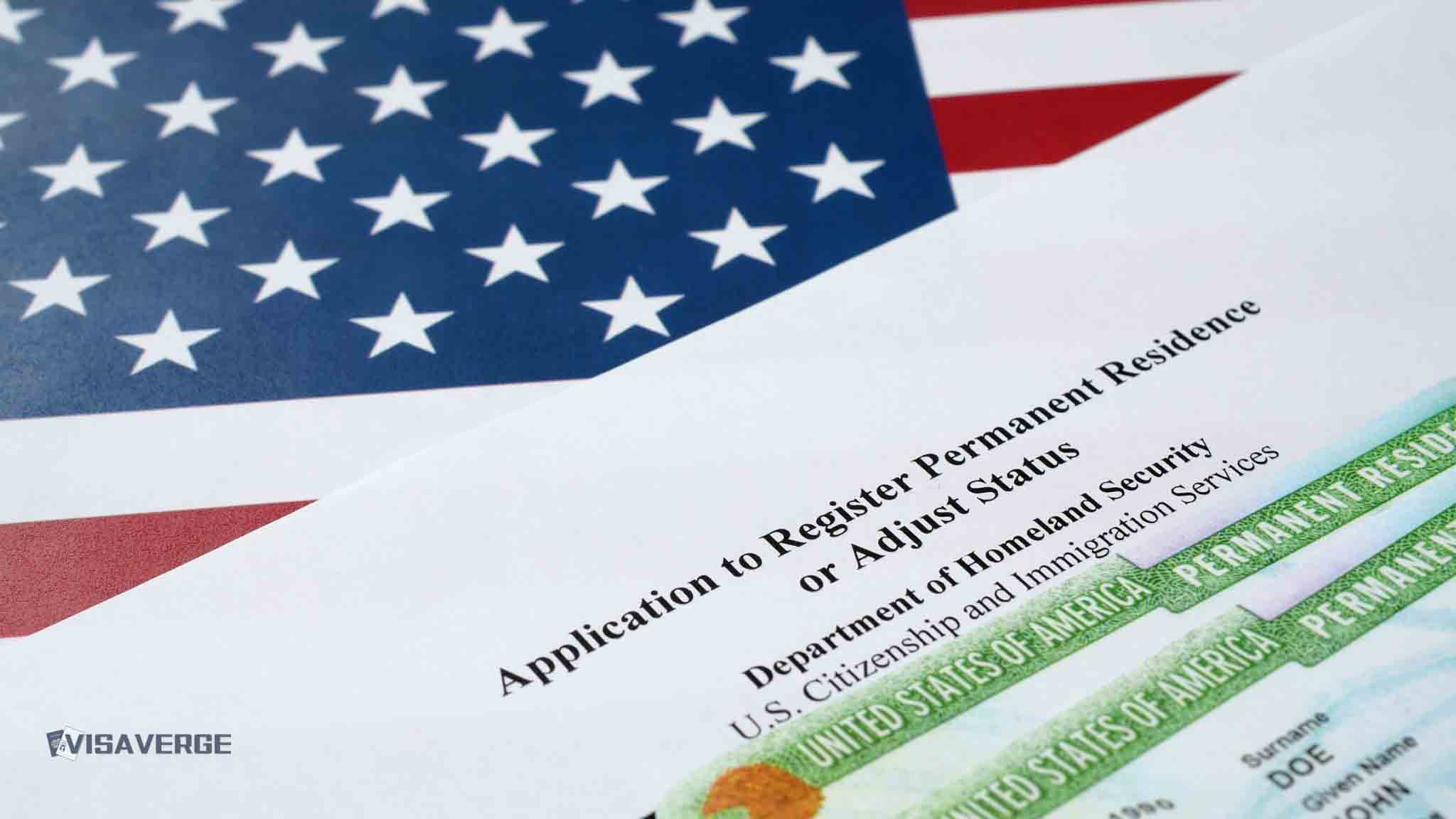
Operation PARRIS. USCIS has described PARRIS as a re-vetting and “merit review” initiative affecting refugees in Minnesota. Conceptually, a re-verification program may involve requests for records or interviews about original eligibility, credibility or identity re-checks, and review for alleged fraud or ineligibility at time of admission.
Possible outcomes can vary. Some cases may close with no action. Others may lead to notices of intent, reopening, or referral into removal proceedings. The governing authority depends on the posture.
For example, removal proceedings are under INA § 240, with charges of removability commonly under INA § 237. Document fraud issues may implicate INA § 212(a)(6)(C) in some contexts. Timelines and rights differ depending on whether a person is placed in EOIR proceedings.
Trigger event and oversight. A reported death during an enforcement action can change the oversight environment. It often triggers internal review, outside investigation, civil rights scrutiny, and litigation discovery demands.
None of that guarantees a particular outcome, but it can produce records that later shape policy, discipline, or damages claims.
Warning: Arrest statistics and agency statements are not the same as court findings. Avoid reposting names or allegations without corroboration from reliable sources.
4) Context and significance: cold-weather protests, economic claims, and the lawsuit process
Extreme cold affects everything: travel time, transit reliability, cell phone battery life, and emergency response. It can also affect access to healthcare when roads are icy and people are afraid to travel.
In Minnesota winters, missed dialysis, prenatal care, or urgent prescriptions can become emergencies.
Claims of an “economic blackout” and walkouts generally mean coordinated civic pressure. Impacts are typically substantiated through business closure patterns, employer association statements, attendance records, and government service logs.
Early accounts can be incomplete, especially during snow emergencies or staffing shortages.
A major legal inflection point is the reported lawsuit by the Minnesota Attorney General and the cities of Minneapolis and St. Paul challenging aspects of the surge as unconstitutional.
In procedural terms, this type of case often involves:
- Complaint filed. A complaint in federal court alleging constitutional or statutory violations.
- Request for injunctive relief. Temporary restraining order or preliminary injunction requests.
- Government response. Factual declarations and formal legal responses.
- Discovery. If the case proceeds, discovery may require months.
- Appeals. Appeals to the Eighth Circuit, where standards can differ from other circuits.
Even if a court later limits certain practices, that does not automatically erase prior arrests or end immigration cases already filed.
Deadline Watch: Injunction hearings can move quickly. Public narratives may change after a judge rules or after filings become public.
5) Step-by-step process for individuals: verifying facts, preparing documents, and responding safely
Step 1 — Verify what is official before acting
Documents to gather:
- Screenshots of posts (with date/time) you are relying on.
- Links to the originating government page, when available.
- Any paperwork served on you (keep originals).
What to do: Confirm whether the statement is from DHS, ICE, USCIS, or a local agency. Check publication dates. Old posts recirculate during major operations. Avoid acting on “friend of a friend” reports.
Typical timeline: Same day, but corrections may appear days later.
Step 2 — Prepare a “rapid-access” document packet for each household member
Documents (copies, not originals) commonly helpful:
- Passport biographic page, any visa, and I-94 (if applicable).
- Permanent resident card (Form I-551) or EAD (Form I-766).
- Any USCIS notices (Forms I-797), including interview or biometrics notices.
- For refugees/asylees: approval notices and related USCIS paperwork.
- Medical information for emergencies.
Why it matters: If someone is detained, accurate A-numbers and notice copies help counsel locate the person and evaluate options.
Step 3 — If you or a family member is stopped: protect rights without escalating
Rights vary by setting, and state laws can affect identification requirements. In many cases, people may ask if they are free to leave and may decline to answer questions beyond identifying information, depending on the situation.
Searches typically require consent or legal authority.
For immigration consequences, a key decision point is whether the encounter turns into:
- No action / release
- Arrest and detention
- Notice to Appear (NTA) initiating INA § 240 proceedings
If an NTA is issued, missing court can lead to an in absentia order. EOIR address updates are critical.
Warning: Never discard or alter documents. Misrepresentation can create separate grounds of inadmissibility or removability.
Step 4 — If USCIS contacts you under a re-review initiative, respond in writing and on time
Common USCIS items (vary by case): Request for Evidence (RFE), Notice of Intent to Deny (NOID), or interview notice.
What to prepare: A full copy of the notice and envelope, supporting identity and eligibility records, and a written explanation with exhibits, if appropriate.
Typical timeline: Deadlines are printed on the notice. Extensions are limited. Late responses commonly lead to denial or adverse action.
Step 5 — Maintain healthcare access and document any interference safely
If you need care: Consider calling clinics ahead to ask about entry procedures and security. If you observe enforcement activity near a facility, do not interfere.
Document time, location, and badge identifiers if safely visible. Healthcare avoidance can create serious medical and public health consequences.
If you feel unsafe traveling, ask providers about telehealth, pharmacy delivery, or alternate sites.
Step 6 — Get legal help early for high-risk situations
Attorney review is strongly recommended if you have any prior removal order or missed court date, criminal history or pending charges, prior asylum/refugee issues, identity document concerns, or alleged fraud.
Relief possibilities can include asylum (INA § 208), withholding of removal (INA § 241(b)(3)), CAT protection, or cancellation of removal (INA § 240A). Eligibility is fact-specific and can vary by circuit case law.
6) Where to verify official updates (and how to check currency)
In fast-moving enforcement and program announcements, official sources matter because they show publication dates, corrections, and the agency’s current framing. When reading any agency page, look for the publication date and whether it was updated.
Also check whether the content is a press release, policy manual update, or litigation filing, and look for links to PDFs and docket information for court cases.
For official federal immigration updates and program information, consult:
- EOIR (Immigration Court) portal and announcements: https://www.justice.gov/eoir
- USCIS newsroom and alerts: https://www.uscis.gov
For Minnesota-specific litigation announcements and filings, official state and court sources are generally the most reliable starting points.
Resources
- AILA Lawyer Referral: https://www.aila.org/find-a-lawyer
⚖️ Legal Disclaimer: This article provides general information about immigration law and is not legal advice. Immigration cases are highly fact-specific, and laws vary by jurisdiction.
Consult a qualified immigration attorney for advice about your specific situation.