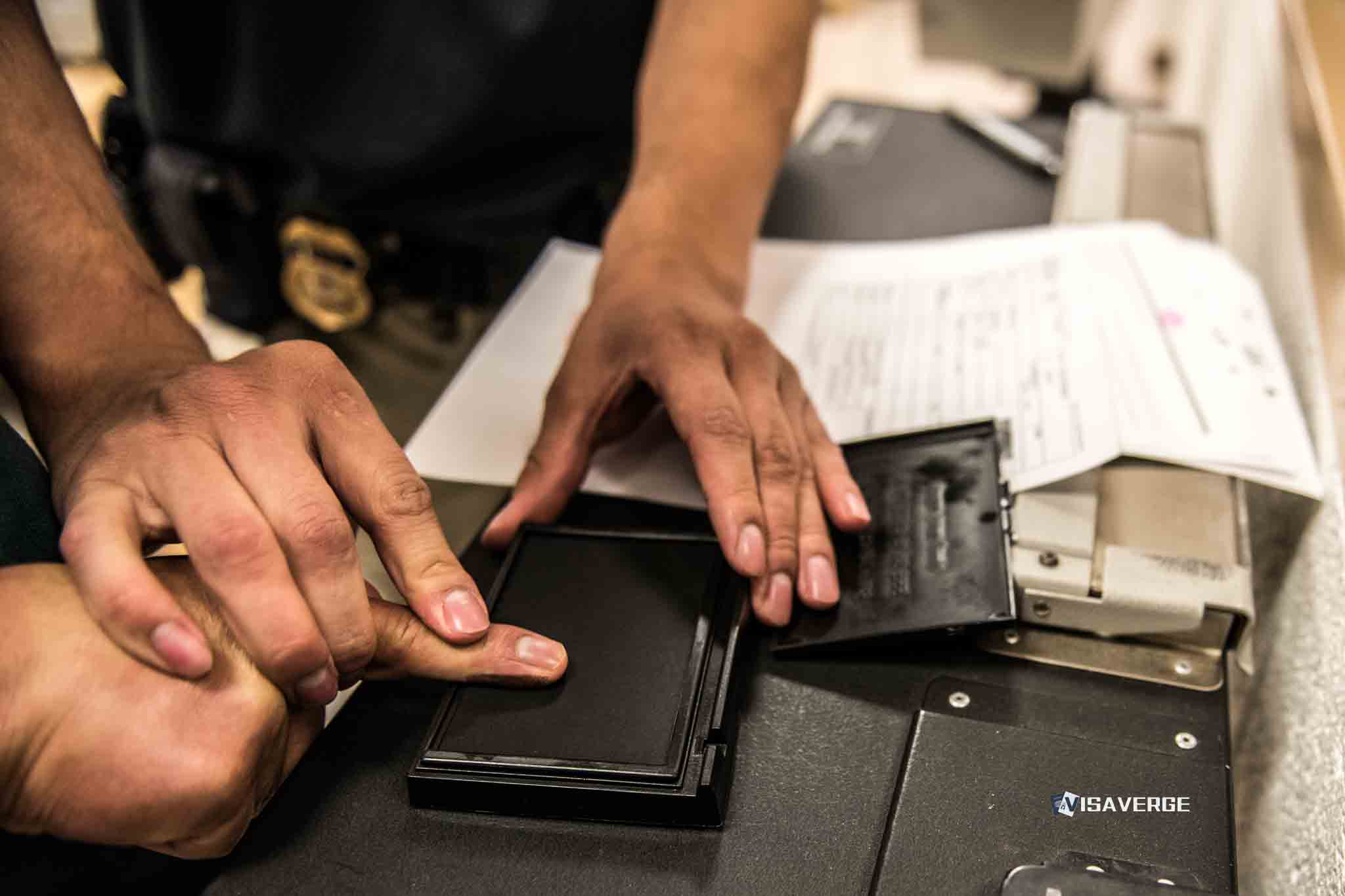
Samath “Sam” Thoeun, a longtime Lynn father facing removal to Cambodia, was granted bail on August 18, 2025, after weeks in immigration detention. ICE had taken him into custody during ongoing deportation proceedings. The bail decision allows temporary release while his case continues in immigration court.
For Thoeun and his family, this means he can return home to Lynn, work with his lawyer, and care for his children while he fights his case. It does not end the case, but it changes daily life right away.

Context: Bail in a Crowded Immigration System
Under the current enforcement push, bail in immigration court is often hard to win. The country’s immigration courts now carry about 4 million cases, and roughly 379,000 administratively closed cases are being reopened, adding more pressure on judges and families.
Free toolUSCIS Receipt Number DecoderAccording to analysis by VisaVerge.com, judges weigh flight risk, safety to the community, and the strength of the case when they decide bail. In this crowded system, a release order can help a person prepare a defense more fully and reduce the harm that comes with extended detention.
The broader climate in 2025 has grown tougher. During President Trump’s second term, federal agencies have revived older files and restarted cases that had sat for years. Families in places like Lynn say they feel new fear around routine check-ins and court dates.
A recent wrongful deportation—Maryland father Kilmar Abrego Garcia—sparked bipartisan calls for his return and for stronger guardrails on deportation practices. Lawmakers, including Senator Chris Van Hollen, have pressed for answers after that case, citing the human cost when the system makes a mistake.
“Bail can be the difference between fighting a case from a cell or from home,” — the practical reality for many families.
Bail Grant Marks Relief Amid Aggressive Enforcement
In immigration court, “bail” (or “bond”) is a judge’s decision to let a person out of detention during the case, often with conditions. While out, a person must follow the rules set by ICE and the court. If they miss hearings or break the terms, they can be taken back into custody.
For people like Samath “Sam” Thoeun, bail can mean:
– Returning home to care for children
– Working with counsel more effectively
– Attending medical appointments and gathering evidence
Judges usually look at:
– Past attendance at court or check-ins
– Family ties and time living in the United States
– Any criminal history and signs of danger to others
– The strength of the claim for relief
A person who is released can more easily meet with counsel, gather documents, and present proof—letters from employers, school records for children, medical notes, or proof of long-term residence. Community support—from schools, faith groups, or local leaders—can also help show stable ties. None of this decides the final outcome, but it provides a fairer chance to prepare.
For official information on immigration courts, including bond hearings, see the U.S. Department of Justice’s Executive Office for Immigration Review: https://www.justice.gov/eoir. Families should check official notices closely, since every case moves on its own timeline and rules can differ by court.
How the Bail Process Works in Removal Cases
Typical steps:
- Detention and Notice
- ICE detains the person and serves a Notice to Appear, which starts the removal case.
- The document is Form I-862, Notice to Appear (available at https://www.uscis.gov/forms/all-forms/notice-to-appear).
- It lists the charges and the court that will hear the case.
- Requesting a Bond Hearing
- The person or their lawyer asks the immigration judge for a bond hearing, either in writing or in court.
- The Bond Hearing
- The judge reviews flight risk, any risk to the community, and case strength.
- The person may present proof: letters from employers, school records, medical notes, or proof of long-term residence.
- Decision
- The judge sets a bond amount or denies bail.
- If the judge sets bond, family or friends can post it with ICE using Form I-352, Immigration Bond (see https://www.uscis.gov/i-352).
- After Release
- The person must attend all hearings and follow ICE instructions.
- Cases can take months or years; missing a hearing can lead to a removal order.
Bail does not change the legal claims in the case; it only changes custody. For Thoeun, next steps will likely include master calendar hearings (short status hearings) and later an individual hearing where the judge reviews evidence and testimony. If he wins relief, he can stay; if he loses, he can appeal. If he wins bail and follows all rules, he keeps his release while proceedings move forward.
System Strain and Risks
The reopening of hundreds of thousands of old cases adds to an already heavy docket. Lawyers warn this can strain due process, as judges have less time per case and families struggle to gather documents quickly.
The government has faced criticism over errors. The removal of Kilmar Abrego Garcia to El Salvador—later described by members of Congress as an administrative mistake—triggered bipartisan letters and oversight requests in Washington. For families in Lynn, stories like his increase fear that fast action can outpace careful review.
Advocates emphasize the human impact:
– When a parent is locked up or removed, children face higher risks of PTSD, depression, and school problems.
– Therapists report sleep issues and anxiety among children who fear a parent may not return.
– Community groups in cities like Lynn provide food, rent help, and court rides, but gaps remain, especially when a household loses its main earner.
Practical Steps for Those Seeking Bail
Helpful actions include:
– Keep copies of government IDs, birth certificates for U.S.-born children, pay stubs, and rent or mortgage records.
– Gather letters from employers, teachers, faith leaders, or neighbors that show ties to Lynn and steady conduct.
– Stay in touch with counsel and show up early for all hearings.
– If bond is granted, confirm the payment location and method with ICE before traveling; rules can vary by field office.
Families looking for support can contact the National Immigrant Justice Center or local legal aid groups. Many provide guides on bond hearings, checklists for documents, and referrals to mental health care.
What Happens Next for Samath “Sam” Thoeun
What follows will depend on the court calendar, any filings by his lawyer, and the evidence presented. Bail gives him room to prepare, work with his legal team, and be with his family in Lynn. The case will still rise or fall on the legal claims and the facts.
His release shows that even in a tight system, bond is possible when a judge finds low flight risk, no danger to the community, and a case with arguable grounds.
For now, his children get their father back at home, and he gets a chance to meet the case head-on—out of a cell, and back in Lynn.
Frequently Asked Questions
This Article in a Nutshell
Bail granted August 18, 2025, freed Samath “Sam” Thoeun to return home to Lynn. Release lets him work with counsel, care for children, gather evidence, and prepare defense while immigration proceedings continue amid a heavily backlogged, pressured court system affecting millions of cases nationwide.