- Federal agents conducted a concentrated enforcement operation in Dalton, Georgia, during commuter hours on December 30, 2025.
- Local residents reported checkpoints and vehicle stops involving unmarked vehicles near routine work and school routes.
- The operation aligns with an expanded interior enforcement posture and local-federal cooperation through existing 287(g) agreements.
(DALTON, GEORGIA) — A reported federal enforcement operation on December 30, 2025 brought a visible shift in day-to-day immigration arrests in Northwest Georgia, with residents describing commuter-hour vehicle stops and impromptu checkpoints and DHS framing the broader push as an expanded interior enforcement posture heading into 2026.
Overview of the Dalton Enforcement Action
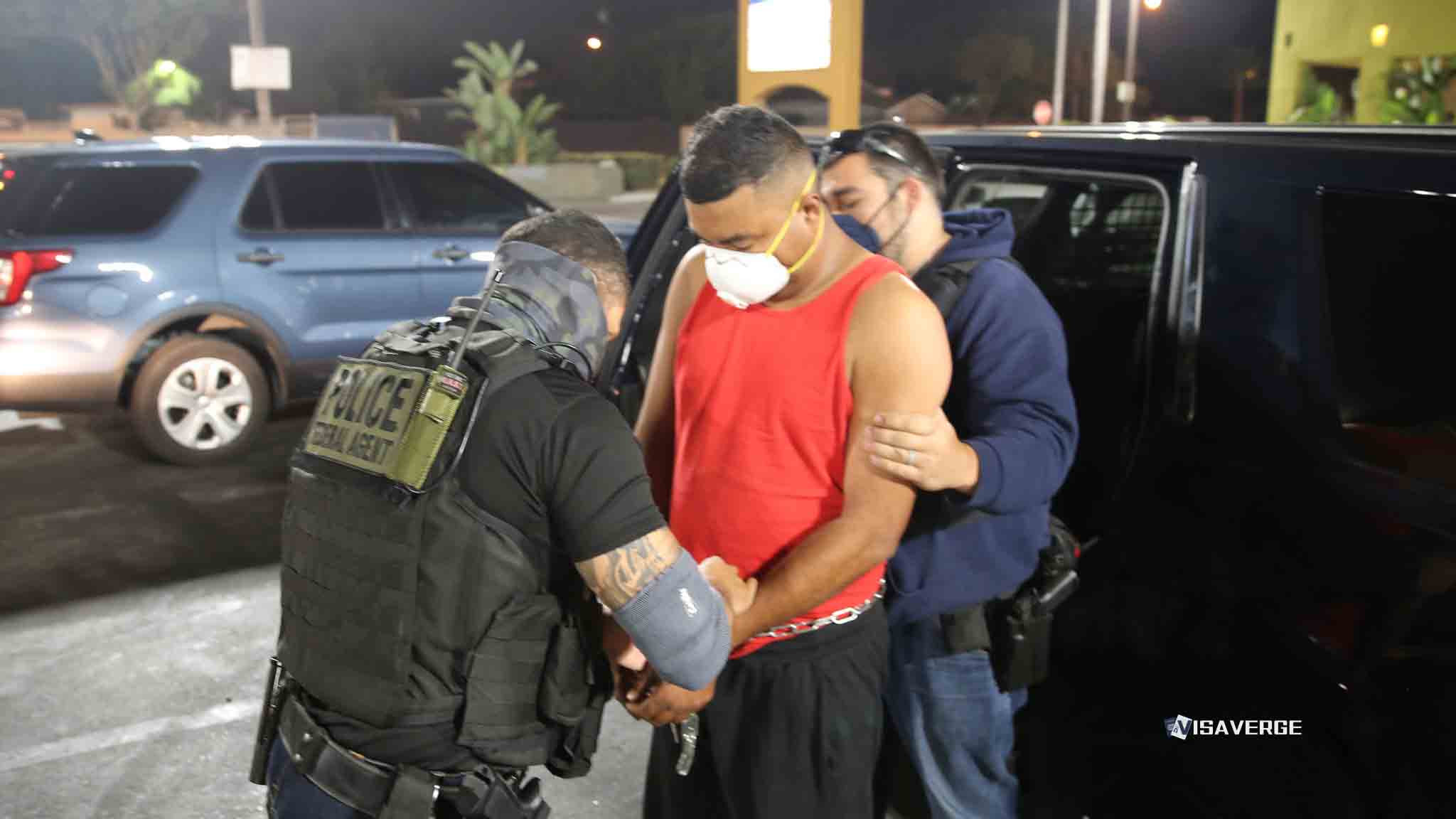
community leaders and advocates in Dalton, Georgia, say federal agents carried out a concentrated enforcement action during the morning commute on December 30, 2025. Accounts describe unmarked vehicles, vehicle stops, and what witnesses characterized as checkpoint-like activity near routine travel routes to work and school.
What is confirmed versus unconfirmed matters here. Advocacy groups publicly estimated a one-day total of arrests, but precise counts, the full list of arrest grounds, and which agency components led each stop may not be fully documented in public records.
In immigration reporting, the term “enforcement action” can cover several scenarios. It may include targeted arrests on existing warrants, interviews after local arrests, or coordinated operations tied to a named initiative, and it is not always a formal “checkpoint” in the constitutional sense.
Dalton’s significance is not only the reported scale of activity. It is also the setting. Whitfield County has long been known for close local-federal cooperation on immigration enforcement, which can change how quickly a routine stop becomes immigration custody.
If you or a family member were stopped or arrested in or near Dalton on December 30, 2025, preserve details immediately. Write down time, location, vehicle descriptions, and any paperwork received.
Official Statements and Quotes
DHS and ICE messaging in early January 2026 emphasized public safety and removal of “criminal illegal aliens.” Agencies also routinely cite operational security as a reason they do not release granular details about specific tactics or locations.
In public remarks attributed to DHS leadership and ICE’s acting director, officials described the current period as a major surge in enforcement resources. They also referenced broader named efforts, including “Operation Metro Surge,” when discussing national posture.
Readers should treat these references carefully. A named national initiative does not prove any single incident was part of that program; it may only indicate the agency’s overall operational focus.
To verify statements, readers should look for date-stamped releases and attributed quotes on DHS and ICE newsroom pages. It also helps to confirm the responsible field office jurisdiction. Dalton typically falls within the operational sphere of ICE’s Atlanta Field Office.
Key Facts and Policy Details
Several policy concepts help explain why immigration arrests may feel more frequent or faster-moving after a local encounter.
- Named operations. A multi-day “operation” generally implies coordination, staffing, and a public narrative about targeting priorities. It does not create new legal authority by itself. Officers still must comply with constitutional limits and agency policy.
- The “Laken Riley Act” concept (detention triggers). As described publicly, this law aims to increase mandatory arrest and detention for certain non-citizens accused of specified offenses, including theft-related crimes and burglary, and some offenses involving serious bodily injury. In practice, mandatory detention frameworks often reduce the chance of release on bond once a person is in immigration custody, depending on the charge and procedural posture. Related detention rules can be complex and litigation-prone, and outcomes may vary by circuit and by facts.
- 287(g) partnerships. Under INA § 287(g), DHS may enter agreements that allow trained local officers to perform certain immigration functions under federal supervision. Many agreements focus on jail screening and detainer processing. Some past models involved task-force activity. Where a county has 287(g) capacity, the pathway from a local arrest to an ICE detainer, transfer, and removal case can move quickly.
- Staffing increases. DHS statements about additional officers and agents often translate into more capacity for arrests, transport, and detention screening. That may show up as more workplace inquiries, more home visits on existing warrants, or more arrests following traffic-related encounters.
For immigrants, the practical takeaway is preparation. Carry documentation you are required to carry for your status and avoid carrying false documents.
After any arrest or ICE contact, seek qualified counsel quickly. Time matters in bond strategy, custody reviews, and eligibility screening.
People placed in removal proceedings often face fast-moving hearing schedules. Missing an EOIR hearing can trigger an in-absentia removal order under INA § 240(b)(5).
Impact and Significance
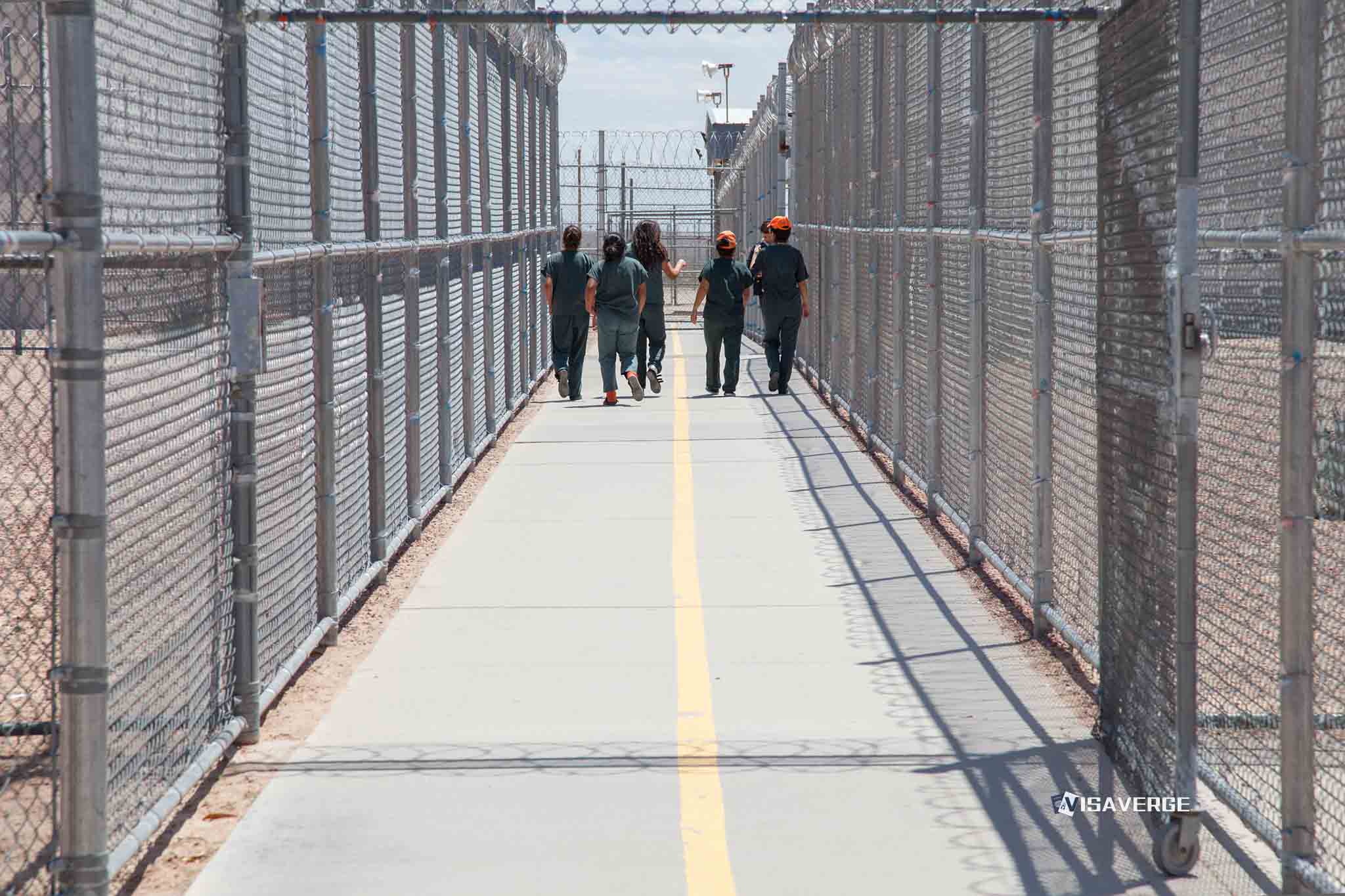
Residents in Dalton reported immediate community fear, including changes to routines such as school drop-offs and commuting routes. Interior enforcement can feel different from border enforcement because encounters may happen during ordinary life, and family members may not know where a person was taken.
Profiling concerns often arise in commuter-stop operations. Courts evaluate these claims through specific facts, including what prompted the stop, what questions were asked, and what documentation officers relied on.
Individuals and witnesses can help protect their rights by recording objective details: location, time, officer identifiers if visible, vehicle markings, and names of any witnesses.
General safety steps also matter. Keep an emergency contact list and your attorney’s number accessible. Do not sign papers you do not understand and avoid false statements to any officer. Rules can vary by status, prior orders, and jurisdiction.
Do not rely on verbal assurances about release or “voluntary return.” Get copies of documents and confirm the agency holding the person.
Contextual and Background Information
Even when the INA does not change overnight, enforcement patterns can. Federal priorities can shift focus among jail transfers, workplace activity, and “at-large” arrests. Messaging can also influence deployment, especially when staffing rises and agencies highlight named operations.
Local experiences can vary widely within Georgia. Differences may stem from field office choices, detention capacity, and the degree of local cooperation. A county with established cooperation channels may see faster transfers and more frequent screening for immigration holds after arrests.
Official Government Sources and References
Readers looking to confirm updates should focus on official, date-stamped postings. DHS’s newsroom is a primary channel for department-wide announcements. ICE’s newsroom posts arrest releases and operational summaries, and field office pages provide jurisdictional contacts.
DHS also maintains a public portal that highlights selected arrest records and announcements. When reviewing these sources, check publication dates, identify the spokesperson by name and title, and save copies for your records.
If an immigration case begins, you can also track hearing information through EOIR’s public case information tools on the Department of Justice’s EOIR website.
If your family member is detained, ask immediately where they are held and which agency has custody. Then contact counsel the same day if possible.
Recommended actions (next 72 hours)
- Confirm custody and location (ICE or local jail) and request booking numbers.
- Request documents given at arrest or intake and keep copies.
- Consult an immigration attorney to screen for relief such as asylum (INA § 208), withholding (INA § 241(b)(3)), CAT protection, or cancellation (INA § 240A), if applicable.
- Monitor official postings for verified updates and avoid relying on rumors.
⚖️ Legal Disclaimer: This article provides general information about immigration law and is not legal advice. Immigration cases are highly fact-specific, and laws vary by jurisdiction. Consult a qualified immigration attorney for advice about your specific situation.
Resources
Federal immigration enforcement intensified in Dalton, Georgia, on December 30, 2025, featuring morning commute vehicle stops and unmarked agent activity. Supported by 287(g) local cooperation, these actions reflect a shift toward aggressive interior enforcement heading into 2026. Community members are urged to document interactions, verify the custody location of detainees, and consult legal experts immediately to prevent fast-tracked removal orders under current DHS policy frameworks.