- The Sustainability Initiative proposes a 10 million population cap for Switzerland by the year 2050.
- A national referendum is expected in June 2026 following strong government recommendations to reject it.
- The plan includes emergency triggers for asylum and family reunification once the population hits 9.5 million.
(SWITZERLAND) Switzerland is moving toward a national vote on a proposal to hard‑cap the country’s permanent resident population at 10 million people before 2050. For immigrants, employers, and cross‑border commuters, the Sustainability Initiative, also called Keine 10-Millionen-Schweiz!, could tighten entry rules well before any final cap.
Why this initiative is on the ballot now
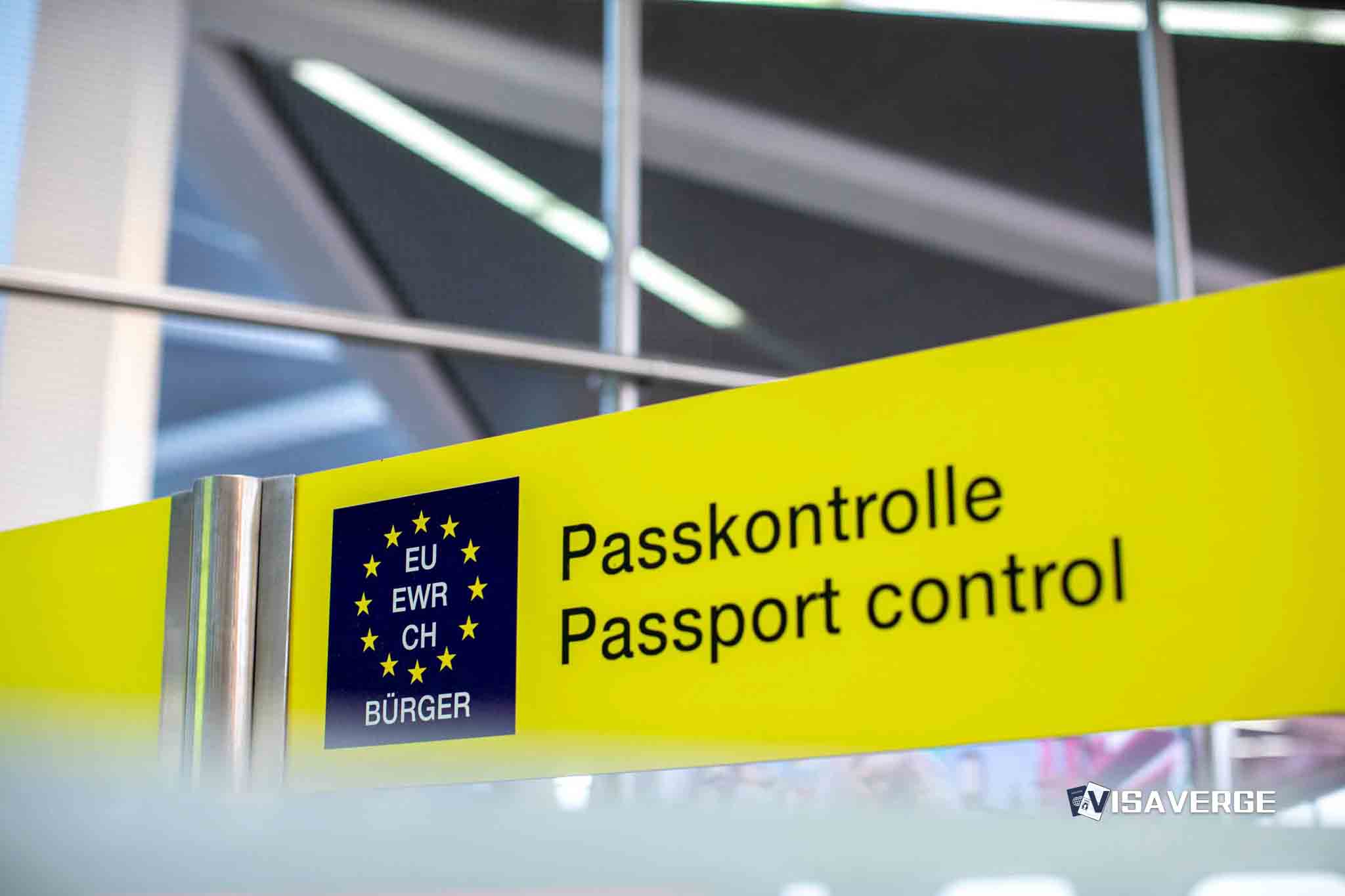
The proposal was launched by the Swiss People’s Party (SVP), which argues that Switzerland’s transport, housing, schools, and health services are reaching their limits. Supporters frame the plan as a way to match population size to infrastructure capacity and environmental goals.
Critics, including major business voices and many centrist parties, say a fixed constitutional ceiling is too blunt for a modern labor market. They warn that Switzerland’s prosperity depends on recruiting staff from abroad, especially in specialized fields.
For foreigners already in Switzerland, the debate matters because constitutional initiatives can reshape immigration rules once voters approve them.
VisaVerge.com reports that Swiss policy debates often spill into employer planning, because permit renewals, family moves, and cross‑border assignments hinge on predictable rules. For context, many readers have tracked new rules in 2025.
How the Swiss decision process works, step by step
Switzerland’s direct‑democracy system gives voters the final say on constitutional initiatives, but there is a set path before the ballot box. Here is the typical journey you should expect for Keine 10-Millionen-Schweiz! and similar proposals.
- Federal Council assessment (months to a year). The government publishes its view, weighing legal feasibility, economic effects, and treaty obligations.
- Parliamentary debate and recommendation (several months). Both chambers debate the text and issue a “yes” or “no” recommendation for voters.
- Campaign period (often 3–6 months). Parties, unions, employer groups, and cantonal leaders argue their case publicly.
- Nationwide referendum (one day, results immediately). Voters decide by popular majority, with cantonal rules also applying.
- Implementation phase (often 1–3 years). If approved, Parliament passes laws and, where needed, adjusts treaties and administrative practice.
As of January 16, 2026, the Federal Council and Parliament have already told voters to reject the initiative. A referendum is expected in 2026, with June often cited as a likely window.
Where Swiss institutions stand, and what the United States ?? does not control
For U.S. citizens living in Switzerland, or Americans considering a Swiss transfer, the key point is simple. U.S. immigration agencies are not actors in this story. There are no official statements from U.S. Citizenship and Immigration Services or the Department of Homeland Security about the initiative.
Switzerland treats it as a domestic constitutional matter tied to Swiss‑EU relations.
The Swiss Federal Council set the tone in a March 21, 2025 statement, saying the cap would “undermine prosperity, security, and economic development.” It added that “limiting immigration would impede access to foreign talent, threatening Swiss competitiveness.”
Beat Jans, a Federal Councillor, sharpened that critique on December 15, 2025, saying the initiative “would not solve a single problem, but only create new ones.” He argued that infrastructure stress needs targeted investment and planning, not a hard ceiling.
Parliament echoed that view. In December 2025, the Council of States voted 29 to 9 to recommend a “No” vote, warning that ending free movement with the European Union would be “catastrophic” for the economy.
For Americans, the spillover is practical. Swiss permits and family options depend on Swiss rules and Switzerland’s ties with Europe. Readers weighing a move often cite labor law differences when they compare options.
What the initiative would trigger in real life
The Sustainability Initiative would insert a population cap into the Swiss Federal Constitution, with a time horizon running up to 2050. Switzerland’s population is already just over nine million, so the debate is not abstract.
The design uses a staged response. First comes an “alarm” level below the headline cap. When that threshold is reached, the Federal Council and Parliament must take emergency steps focused on asylum and family reunification.
In practice, that could mean tighter eligibility checks, slower processing, fewer approvals, or narrower definitions for who qualifies as family. Families planning to join a worker in Switzerland would feel this early, because reunification rules are a fast lever governments can pull.
A second trigger arrives at the cap itself. At that point, the initiative would require Switzerland to end international agreements that drive population growth, with the Agreement on the Free Movement of Persons with the EU named as central.
That matters because free movement is not only about residence permits. It underpins broader economic ties, and the EU has treated it as a package item linked to other cooperation areas.
Timing matters for immigrants. If voters approve the text in 2026, administrative tightening can start quickly through ordinances and practice notes. Treaty changes take longer and carry diplomatic consequences. Many foreign residents already watch permit risk closely, including scenarios like losing a work permit.
Who faces the biggest exposure, and what changes first versus later
Asylum seekers sit closest to the first policy lever because the initiative points to asylum measures once the alarm level is met. People seeking protection could face stricter access to permanent status and a harder road to naturalization.
Foreign workers and employers face recruitment friction. Business group economiesuisse has warned of labor shortages if Switzerland limits immigration sharply, and many hospitals, research labs, and tech firms depend on hiring from abroad.
Family members are often the hidden group in cap debates. Even when a worker keeps their job, stricter reunification rules can split households across borders or delay children’s schooling plans.
Cross‑border commuters, especially those living in neighboring EU countries and working in Switzerland, also have a lot at stake. Any move that weakens free movement can ripple into permit categories, employer reporting duties, and day‑to‑day border routines.
Swiss citizens are not insulated. If Switzerland curtails EU rights, the EU can answer with reciprocal limits, affecting Swiss nationals who study, work, or retire in Europe. The dynamic resembles tradeoffs seen after Brexit, discussed in Brexit impact coverage.
What changes first is usually administrative: more scrutiny at renewals, tighter documentation standards, and narrower discretion for exceptions. Quotas, if introduced, also bite early because employers must compete for limited slots.
What changes later is treaty‑level. Leaving or downgrading the free movement agreement would demand negotiations and could endanger Switzerland’s place in Schengen and parts of the EU single market, according to warnings already made in Parliament.
A practical monitoring routine using official Swiss records
Treat this debate like a moving project timeline, not a single election day. Start with the Federal Council’s press releases and background notes on admin.ch, because they explain the government’s legal assumptions and economic reasoning.
Next, follow parliamentary files and debate records through the official search portal on parlament.ch. Committee reports often signal whether lawmakers expect implementing laws to tighten asylum, family reunification, or labor permits first.
For population projections, use the Swiss Federal Statistical Office, which publishes methods and scenarios on the BFS population pages. Projections help you plan, but they don’t guarantee political outcomes.
Employers should map which roles rely on EU hiring, then prepare backup staffing plans for a slower permit pipeline. Cross‑border workers should check whether their commuting status is tied to EU free movement, because a treaty fight can shift obligations quickly, similar to post‑Brexit changes, and can affect enrollment and lease timing.
Finally, watch the federal referendum calendar and the final ballot question wording once published. Check guidance from cantonal migration offices as the vote nears. Keep employment contracts, leases, and civil‑status records ready, since scrutiny often increases during high‑profile votes.