- The administration has implemented stricter evidentiary requirements for VAWA self-petitions, demanding records often controlled by abusers.
- Protection policies were rolled back, ending safe-haven status for immigrants at shelters, hospitals, and courthouses.
- Asylum standards have tightened as Matter of A-B- was reinstated, limiting claims based on domestic violence.
(UNITED STATES) — The Trump administration has tightened several immigration pathways used by immigrant survivors of domestic violence, adding new documentary demands for VAWA self-petition cases, ending protections at shelters and courthouses, restricting some victim-service funding and reviving asylum decisions that narrowed relief for people fleeing abuse.
The changes reach across immigration and social-service systems at once. They affect petitions for visas and green cards, access to shelters and medical care, eligibility for some public services and, in asylum cases, the legal standards that determine whether domestic violence survivors can qualify for protection.
Litigation has slowed some steps, including a temporary judicial block on some grant conditions and a judge’s block in September 2025 on barring unauthorized immigrants from programs such as Head Start. Even with those court interventions, immigrant survivors face a narrower set of options and a higher risk that contact with police, hospitals, shelters or immigration agencies will expose them to deportation concerns.
Within the past 48 hours as of the report, the administration announced stricter evidence rules for VAWA self-petitions, requiring primary documentation such as phone records, photos or leases to prove abuse and cohabitation. The new standard reaches backward and applies even to petitions filed before the change, including cases from 2023.
That shift affects thousands of pending filings. The administration tied the move to claims of rising filings and fraud concerns, while immigration attorney Elizee warned that many victims do not possess the records now being demanded because abusive partners often control phones, housing documents and family paperwork.
The documentary burden cuts into one of the central features of the Violence Against Women Act, which Congress created in 1994 to give abused spouses and certain family members a path to seek immigration relief without relying on the abuser. A VAWA self-petition was designed to let survivors build a case independently. Requiring records that an abuser may have hidden, withheld or destroyed changes the practical value of that protection.
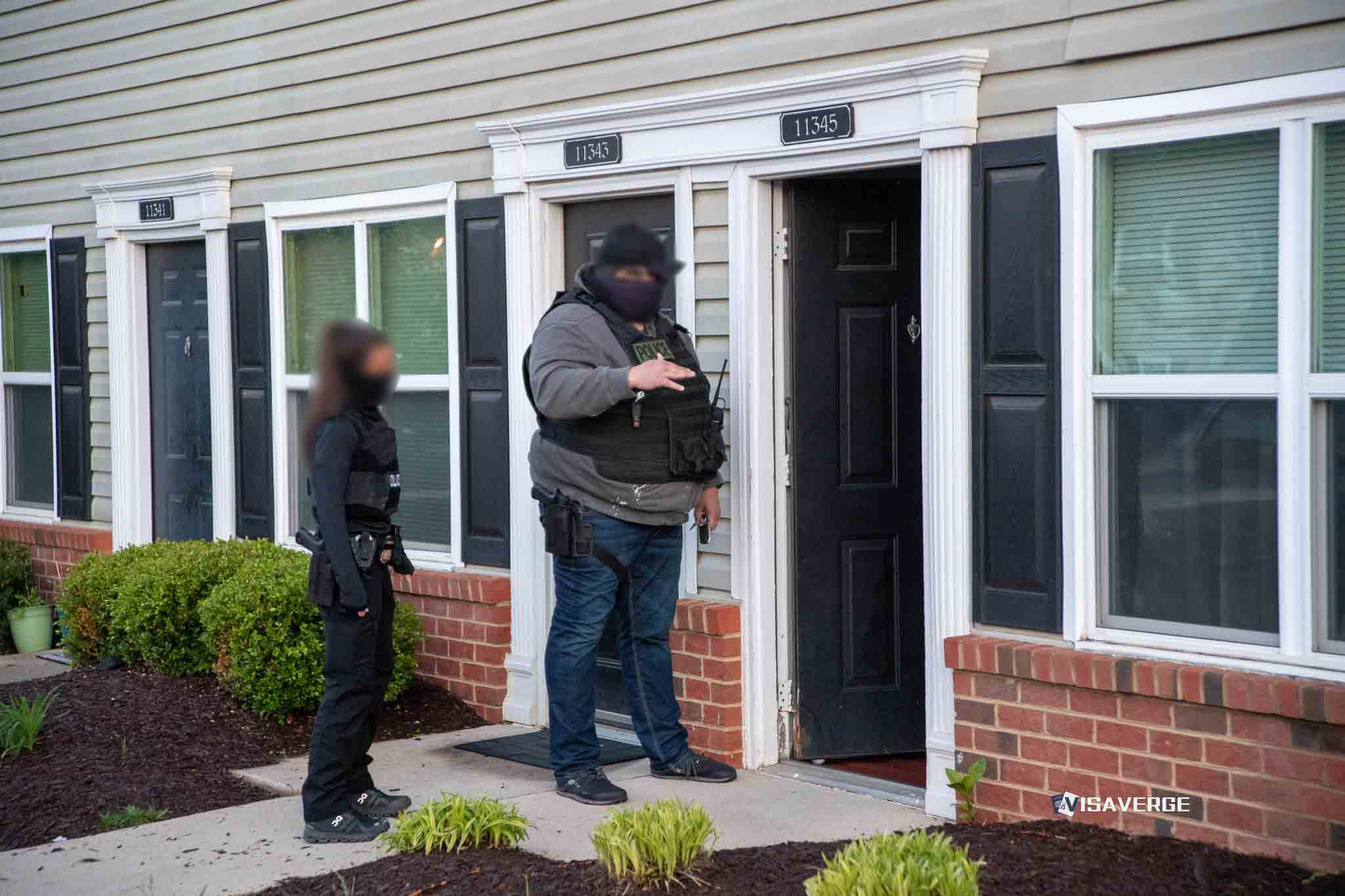
In January 2025, the Department of Homeland Security ended protections that had barred Immigration and Customs Enforcement from carrying out enforcement actions in sensitive locations that included domestic violence shelters, hospitals and courthouses. The rollback removed a policy line that had given survivors some assurance that seeking medical help, entering a shelter or appearing for a protection order would not immediately place them in ICE’s path.
Advocates say the result has been deterrence. Survivors who fear deportation can delay or avoid shelter beds, emergency treatment or court appearances, and each of those delays can carry legal and physical consequences. A courthouse becomes harder to enter when an abuser has already used immigration status as a threat.
Federal and state service networks have also narrowed. The Office on Violence Against Women imposed grant conditions barring promotion of gender ideology, DEI, or prioritizing illegal aliens over citizens
, and a federal judge temporarily blocked that move. Tennessee then ended immigrant legal aid grants in June 2025, cutting another route survivors used to get advice on protection orders, immigration filings and family cases.
Another policy fight reached basic family support. Unauthorized immigrants were barred from services such as Head Start, until a judge blocked that step in September 2025. The episode added another layer of confusion for families already trying to decide whether applying for food, housing or child services would put an immigration case at risk.
Asylum law shifted again in 2025 when Attorney General Pam Bondi reinstated Matter of A-B- and Matter of A-B- II, decisions first issued by Attorney General Jeff Sessions in June 2018. Those rulings vacated Board of Immigration Appeals precedents that had allowed domestic violence survivors to qualify for asylum, restoring a narrower view of when private violence can support a claim.
The Center for Gender and Refugee Studies continues to litigate against that move. The legal dispute sits at the center of whether survivors fleeing abuse by partners, relatives or gangs tied to gender-based violence can still argue that their home governments failed to protect them in a way asylum law recognizes.
Pressure is also building around visas created for victims of crime and trafficking. Project 2025, described as a policy blueprint, calls for eliminating U visas and T visas, two categories that have long been central for immigrant survivors who assist police or escape trafficking networks. The stakes are large for women in particular: 3 in 5 applicants for those visas are immigrant women.
Even before any formal elimination, the wait for relief is already long. Current U visa wait times exceed 15 years, leaving applicants in prolonged legal limbo while abusers can exploit that uncertainty by threatening deportation. The administration could also pause new applications or shift USCIS funds, listed at $100+ million, to ICE enforcement, adding still more strain to a system that already moves slowly.
Public charge rules remain another source of fear. A potential revival of Trump-era standards could again label immigrants as public charges for using benefits such as housing or food aid. VAWA, U visa and T visa categories carry exemptions, but confusion around those exemptions has previously discouraged survivors from seeking the support needed to leave an abusive home and keep children housed and fed.
Each policy change touches a different stage of a survivor’s decision-making. One person may hesitate before calling police because the visa route looks uncertain. Another may avoid a hospital because the facility no longer feels protected. A third may hold back from food or housing assistance because public charge rules are hard to parse in the middle of a crisis.
The cumulative effect is a system with fewer protected spaces and more paperwork demands. Survivors who once had separate channels, immigration relief through a VAWA self-petition, crime-victim visas, trafficking visas or asylum, now face overlapping barriers that can reinforce one another.
Ongoing lawsuits have produced partial blocks, but they have not restored the broader framework that previously governed shelters, courthouses, asylum claims and service funding. As those cases move forward, immigrant survivors remain caught between the formal existence of relief and the harder task of reaching it.