- Saudi Arabia imposes strict fines and deportation for unauthorized Hajj pilgrimage attempts during the 2026 season.
- Violators face a ten-year re-entry ban and fines up to $5,330 for permit-less entry.
- The U.S. State Department and USCIS warn of security risks and increased immigration enforcement for travelers.
(SAUDI ARABIA) — Saudi Arabia imposed fines, deportation penalties and long-term re-entry bans for people who attempt the Hajj pilgrimage without an official permit or on the wrong visa type, as the Kingdom tightened controls for the 1447 AH (2026) season.
The Saudi Ministry of Interior is leading the enforcement drive. U.S. agencies also issued fresh warnings, with the U.S. Department of State alerting Americans on April 7, 2026 and USCIS publishing a separate statement on April 20, 2026 about expanded fraud and criminal enforcement that can affect U.S. residents traveling abroad.
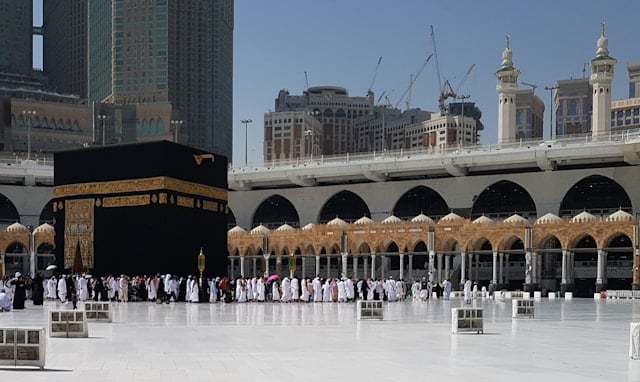
Saudi policy now exposes unauthorized pilgrims to fines of up to 20,000 SAR, about $5,330, along with deportation and a 10-year ban from re-entering the Kingdom. People who transport or shelter violators face fines of up to 100,000 SAR, about $26,700, with the amount multiplied per person and jail also listed as a penalty. Visa overstayers face fines of up to 50,000 SAR, about $13,300, and immediate deportation.
The restrictions apply during a defined period tied to the Hajj calendar. Saudi authorities set the entry ban for non-permit holders from Dhu Al-Qi’dah 1 (April 18, 2026) to Dhu Al-Hijjah 14 (May 31, 2026), and they set April 18, 2026 as the last day for Umrah visa holders to leave the country.
The State Department’s Overseas Security Advisory Council, or OSAC, issued a security alert that urged caution over this year’s pilgrimage. It said: “President Trump, Secretary of State Rubio, and the Department of State have no higher priority than the safety and security of American citizens. Per the Saudi Arabia Travel Advisory, and due to the ongoing security situation and intermittent travel disruptions, we advise reconsidering participation in Hajj this year.”
That alert also warned that people who try to enter Mecca without a required Hajj permit or visa “will be denied entry and may face fines, jail, or deportation.” It added that holders of other visas, including tourist, visit and business visas, had to depart Mecca before April 18, 2026.
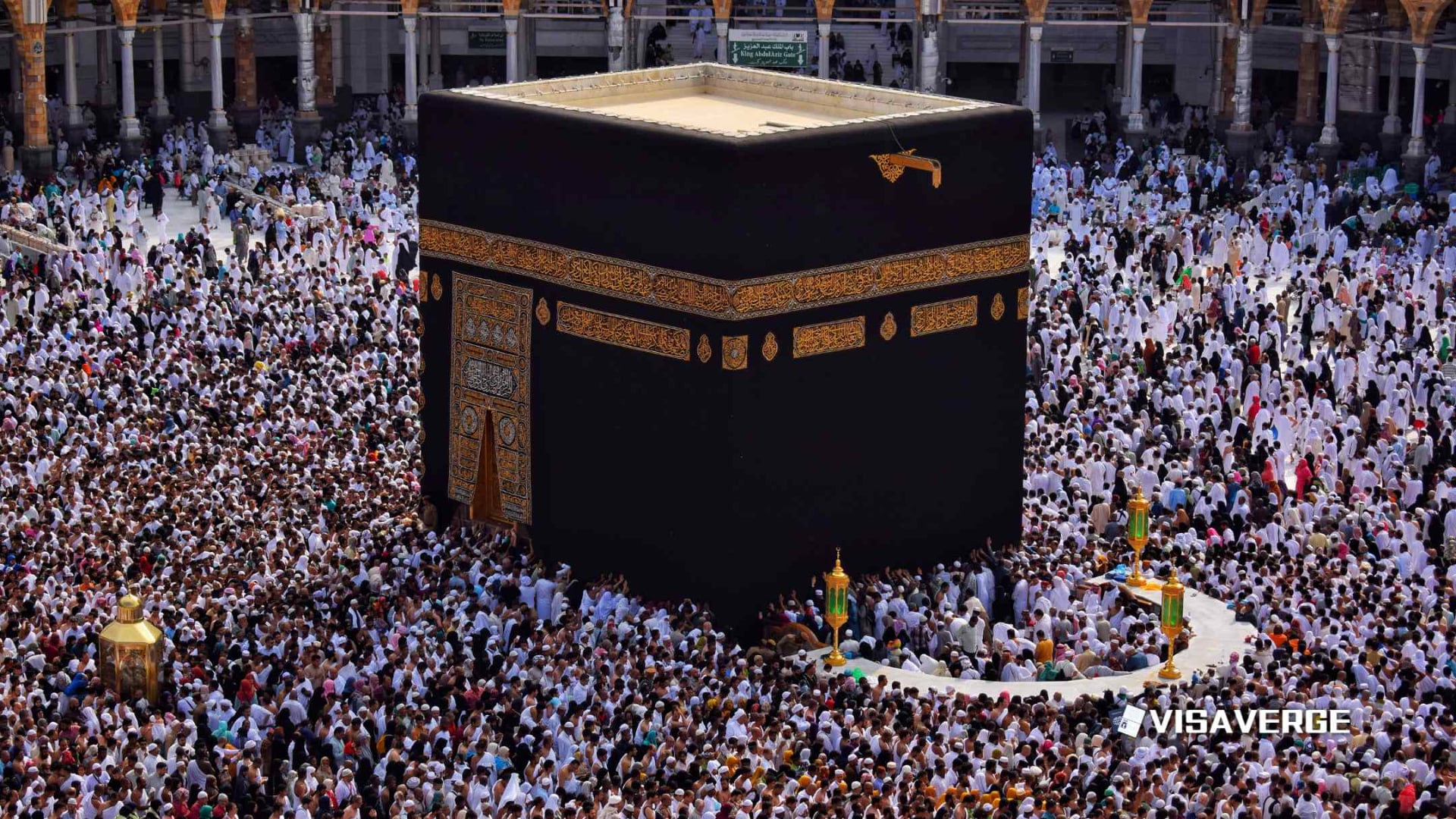
The Saudi Ministry of Interior has framed the measures as a safety and crowd-control effort during one of the world’s largest annual religious gatherings. Saudi authorities said the plan was designed to ensure “safety, security, and the smooth management” of the pilgrimage after past concerns over overcrowding and heat-related fatalities.
Enforcement figures from last year show the scale of the operation. During the 2025 season, Saudi authorities reported preventing more than 269,000 individuals from entering Mecca without valid permits.
That number sits behind a sharper message this year to Hajj visa violators and to residents or visitors who try to use ordinary entry documents for pilgrimage. Saudi authorities have said visit visas of all types, including tourist, family and commercial visas, are not valid for Hajj, and that only Hajj visas issued through the Nusuk platform are recognized.
The rules also carry consequences well beyond this year’s pilgrimage. A 10-year ban blocks future re-entry to Saudi Arabia for violators, cutting off not only later Umrah travel but also potential work or family visits during that period.
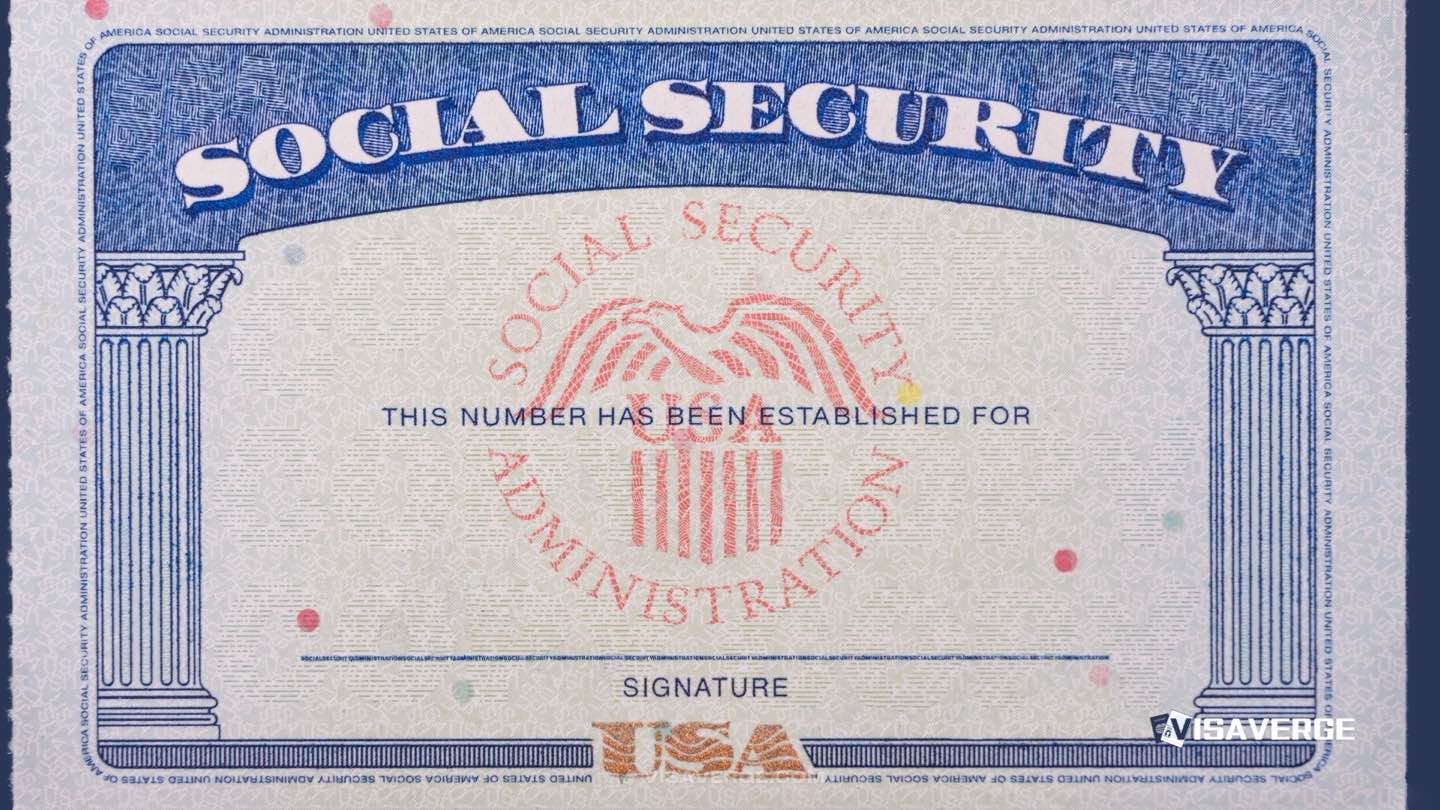
USCIS added a separate layer of concern for U.S. permanent residents who travel for religious purposes. USCIS Director Joseph Edlow said on April 20, 2026: “USCIS is ramping up fraud and criminal enforcement—adding special agents, opening tip lines, and re-vetting past approvals with ICE and CBP. financial self-sufficiency remains key for eligibility.”
That statement did not address Hajj policy directly, but it tied overseas travel to broader immigration screening in the United States. Lawful permanent residents who leave the country for religious travel now face the prospect that re-vetting could scrutinize past approvals if immigration fraud or public-charge issues emerge during travel or re-entry.
The parallel warnings from Saudi and U.S. authorities place tighter pressure on travelers as the pilgrimage window narrows. Saudi enforcement focuses on entry permits, visa category and overstay rules, while the United States warning mixes immediate travel risk with later immigration consequences for some residents returning home.
Mecca access during the Hajj period has long required tighter control than ordinary travel because the city receives enormous numbers of pilgrims in a compressed time frame. Saudi officials have increasingly tied permit enforcement to crowd density, transport management and heat exposure, and the figures from 2025 show they are screening would-be entrants on a large scale before they reach the holy sites.
Residents inside Saudi Arabia are not exempt from the permit system. The penalties apply to people living in the Kingdom as well as foreign visitors, and the transportation and shelter provisions widen the crackdown beyond individual pilgrims to anyone who helps them bypass the rules.
That facilitator category carries the steepest financial penalty in the current framework. A fine of up to 100,000 SAR can rise with each person transported or housed, and jail is also listed among the consequences, signaling that Saudi authorities are targeting the networks that enable unauthorized entry as much as the pilgrims themselves.
The overstay provision reaches another group that often travels during the broader pilgrimage season: people who entered lawfully for Umrah or on other visas but remain after their permitted period. Saudi authorities said those cases can draw fines of up to 50,000 SAR and immediate deportation, reinforcing the deadline of April 18, 2026 for Umrah visa holders to depart.
Americans seeking current guidance can check the State Department’s Saudi Arabia advisory page at travel.state.gov, while Saudi policy updates and ministry statements appear through the Saudi Press Agency. USCIS has posted its announcements through the USCIS Newsroom.
The combined message from Riyadh and Washington is narrow and direct. Hajj now requires the correct permit and visa, ordinary visit visas do not qualify, and breaching the rules can bring fines, deportation, jail exposure for facilitators, and a decade-long ban that can outlast this year’s pilgrimage by many seasons.