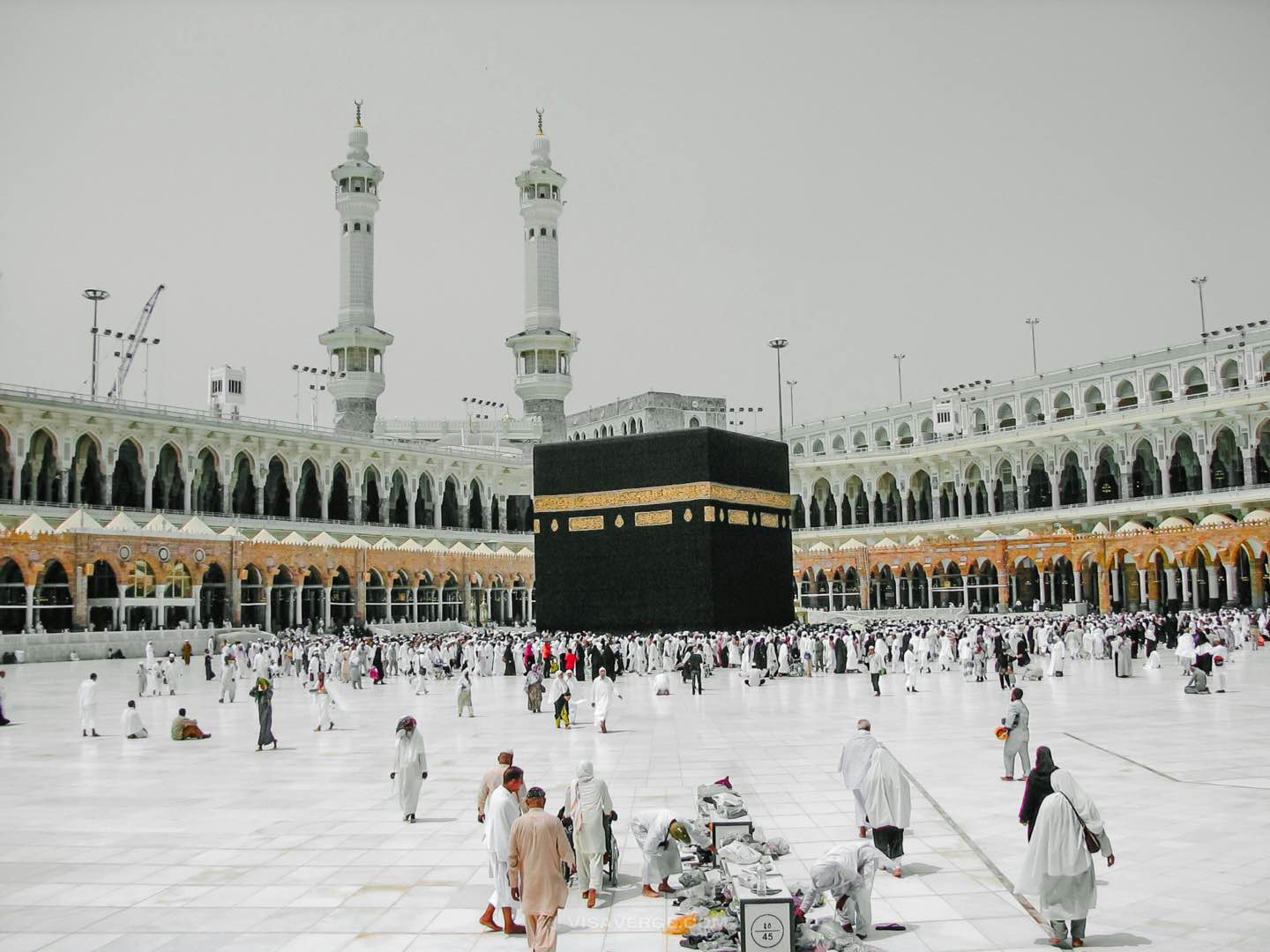
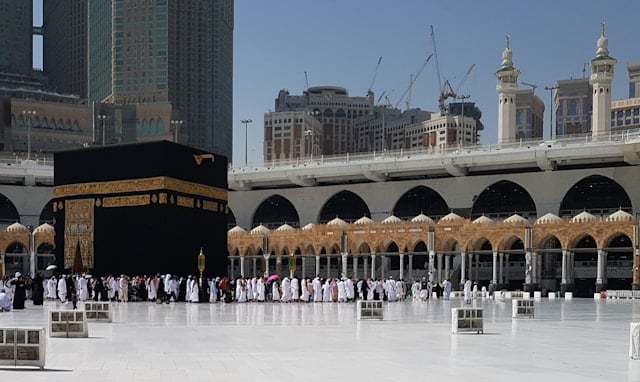
- Saudi Arabia established strict deadlines for 2026 Umrah visas, entry, and departures.
- The season concludes on April 18, 2026, to prepare for the upcoming Hajj pilgrimage.
- Pilgrims must use the Nusuk digital platform for all permits, bookings, and health documentation.
(SAUDI ARABIA) Saudi Arabia has set firm 2026 dates for Umrah visa issuance, final entry, and departure, and pilgrims who miss them will have to wait for the season to reopen after Hajj. The rules matter for millions of Muslims planning travel to Mecca and Medina, because the system now runs on fixed deadlines, approved bookings, and the Nusuk platform for permits and packages.
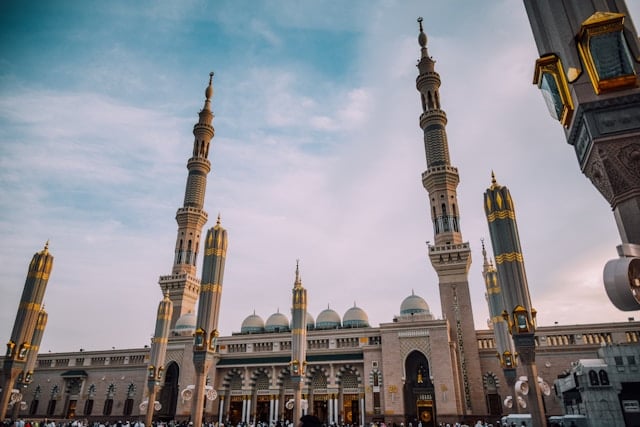
The Ministry of Hajj and Umrah has tied the season to a clear calendar. The last day for Umrah visa issuance is March 19, 2026. The final entry date is April 2 or 3, 2026. The last departure date is April 18, 2026. After that, Umrah pauses until late June or early July, when the next season is expected to open.
Why the 2026 timetable matters
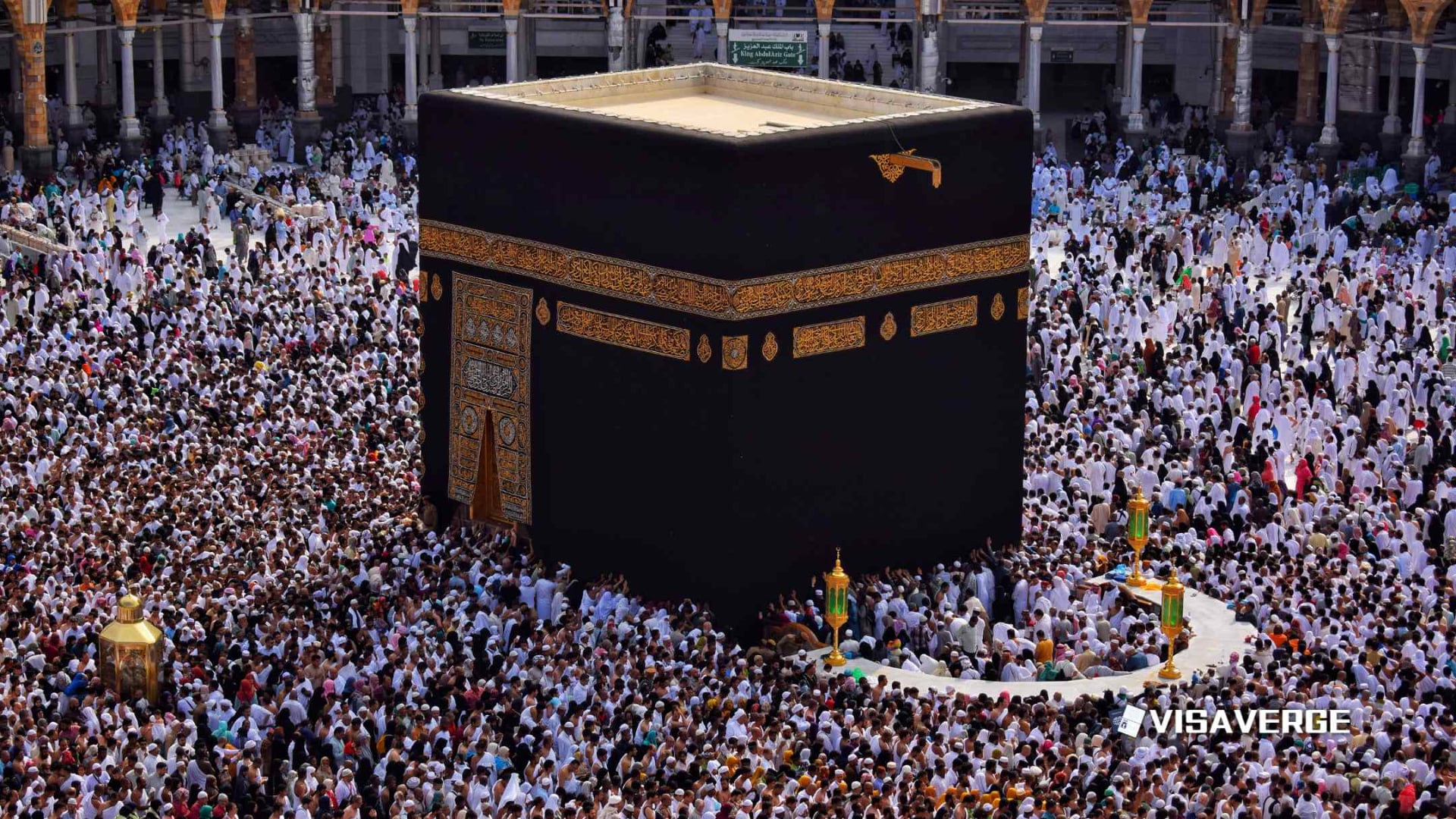
Umrah is the voluntary pilgrimage that brings believers to Islam’s holiest places outside the annual Hajj period. Saudi Arabia receives more than 13 million Umrah visitors each year, and the government uses seasonal windows to protect the flow of pilgrims, clear space for Hajj, and reduce overcrowding. The rules also reflect the country’s wider digital push under Vision 2030, where permits, accommodation, and travel services are handled online.
Free toolB1/B2 Tourist Visa Stay Calculator onlineThe new timetable gives travelers more predictability, but it also leaves less room for last-minute planning. That is especially true for families, group travelers, and expatriates balancing work schedules, school breaks, and flight availability. During Ramadan and the weeks before Hajj, demand rises fast, and visa issuance often moves in step with package availability on the Nusuk platform.
Saudi authorities have also made the consequences of missing deadlines plain. Pilgrims who stay beyond April 18 face fines, detention, deportation, and future entry bans. Airlines are expected to deny boarding after the final entry date, even if a visa still appears valid on paper. The message is direct: the entry window and exit window both control the trip.
The visa routes open to pilgrims
Saudi Arabia now offers several paths for Umrah travel, but each comes with rules. The Umrah-specific visa is designed only for pilgrimage. It is usually valid for up to 90 days from entry, though the season can end earlier. Applicants must show proof of Muslim faith, a return ticket, a meningitis vaccine taken at least 10 days before travel, and a Nusuk-registered hotel and transport package.
The tourist eVisa gives more flexibility. It is available to eligible nationals such as travelers from the United States ??, the United Kingdom, the European Union, and Australia. It allows Umrah alongside tourism, family visits, or business travel. It is valid for up to one year, with multiple entries and stays that can run up to 90 to 180 days per visit. For many travelers, it is the easiest route when the goal is to combine pilgrimage with other plans.
Visa-on-arrival is also open to more than 66 countries, including the US, UK, and EU states. It gives a 90-day stay and works for spontaneous travel, but pilgrims still need the right permits through Nusuk for visits to the holy sites. Women over 45 can travel without a mahram when using the tourist route or traveling in approved groups, which has widened access for many families and women-led travel groups.
The Nusuk platform now sits at the center of the process
The Nusuk platform is now more than a booking tool. It links visa processing, hotel reservations, transport, and permits for places such as the Grand Mosque and the Prophet’s Mosque. For 2026, that linkage is central. Umrah visa applicants are expected to use confirmed packages through approved providers, which helps Saudi Arabia control capacity and prevent unauthorized stays.
The application path is straightforward, but it is strict.
- Prepare documents early. Travelers need a passport valid for at least six months, a white-background photo, return ticket, vaccine certificate, and proof of accommodation or funds. Women and minors may need additional family documents.
- Register on Nusuk. Applicants create an account, review approved packages, and choose a provider.
- Apply through the correct channel. Umrah visa applicants use Nusuk or licensed agents. Eligible travelers seeking a tourist eVisa use the official Visit Saudi channel.
- Complete health checks. The meningitis vaccine is mandatory. Travelers should also watch for any flu or COVID-related health notices.
- Lock in travel services. Flights and hotels should match the dates shown in the visa and the Nusuk booking.
Processing usually takes 5 to 10 working days, but it slows near deadlines. Pilgrims planning for Ramadan or the last weeks before Hajj should move much earlier. Saudi officials have made clear that overstays are not treated lightly, and future travel can be affected after a violation.
Health, family rules, and practical limits
Saudi Arabia’s framework is built around both safety and order. The mandatory meningitis vaccine protects travelers in crowded settings. Insurance is normally included in packages or visa fees, and it helps cover emergency medical treatment. That matters because many pilgrims are older. Around 70% of pilgrims are over 50.
There are also limits on what a pilgrimage visa allows. It does not permit work. Children need parental documents. Women under 45 usually need a mahram unless they are traveling in a permitted group or using a route that allows independent travel. Non-Muslims are barred from Mecca’s sacred areas, and that rule remains unchanged.
The practical effect is that pilgrims need to plan like air travelers and like worshippers at the same time. Flights, hotels, permits, vaccines, and visa issuance all have to fit together. Missing one piece can disrupt the whole trip. For people living outside Saudi Arabia, that means booking early and keeping printed and digital copies of every document.
What happens if the dates are missed
The season closes hard at the end of the spring window. After April 18, 2026, Umrah stops until the post-Hajj reopening. There are no exceptions for valid visas that have passed the departure deadline. Airports, border posts, and airlines are expected to enforce the cutoff.
That makes the calendar especially important for pilgrims who hope to travel with relatives, join mosque groups, or use school holidays. It also matters for immigrants and expatriates already living in the Gulf or elsewhere who want to add Umrah to a longer regional trip. Once the season closes, they must wait until the new window opens in late June or early July.
Saudi Arabia’s official Ministry of Hajj and Umrah continues to publish rules and seasonal guidance for pilgrims, while Nusuk remains the main digital gateway for permits and approved services. The system is meant to reduce confusion, but it also leaves little room for improvisation.
For many pilgrims, the rules turn a once-in-a-lifetime journey into a carefully timed sequence: check the calendar, secure the package, complete the health steps, receive visa issuance, travel before the cutoff, and leave before the deadline. That sequence now defines Umrah travel in 2026.