- Indiana Senate advanced Senate Bill 76 to expand local cooperation with federal immigration authorities.
- The bill mandates compliance with ICE detainers and imposes financial penalties for non-compliant local entities.
- Detained individuals must prioritize bond and custody litigation to prevent rapid transfer and deportation.
(INDIANA) — Bond and custody litigation in immigration court is becoming a more urgent defense strategy for noncitizens in Indiana after the Indiana Senate advanced Senate Bill 76 (SB 76), a state bill that would expand cooperation with federal immigration enforcement.
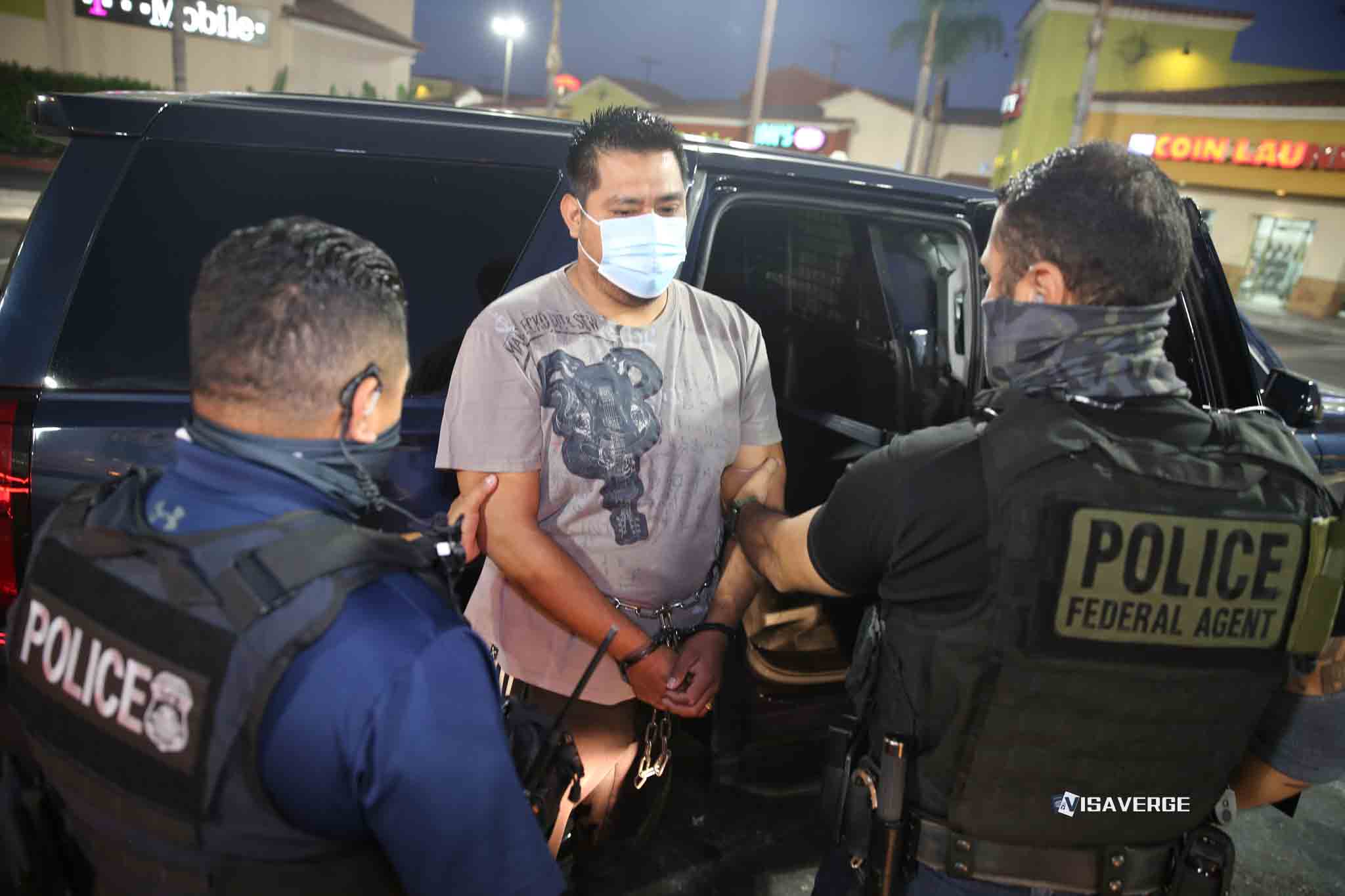
For many immigrants—particularly those from India on employment visas, students, or in mixed-status families—the first practical “case” may not be an asylum hearing at all. It may be a sudden local arrest, a jail-based immigration detainer, and rapid transfer to ICE custody.

In that moment, the most time-sensitive relief is often release from detention through (1) an immigration judge bond hearing where available, (2) parole or custody redetermination through ICE, or (3) federal court litigation in narrow scenarios.
This article explains how SB 76 could change the on-the-ground enforcement environment, then lays out a defense strategy centered on custody, bond, and detainer-related advocacy.
Because detention cases move quickly and can affect every other form of relief, attorney representation is often decisive.
Warning: A local arrest can trigger ICE screening even when charges are dismissed. Do not assume a state criminal disposition ends immigration exposure.
SB 76: Legislative action and timeline
The Indiana Senate advanced SB 76 on January 26, 2026. The bill is authored by State Senator Liz Brown (R-Fort Wayne). As framed by supporters, SB 76 would expand state and local cooperation with federal immigration authorities.
If enacted, SB 76 would not change federal immigration law. But it could change how quickly, and how consistently, noncitizens in local custody are routed into federal detention and removal proceedings.
Key provisions and enforcement mechanisms
SB 76’s most consequential features are operational. They concern jail cooperation, employer enforcement, liability protections, and reporting.
Mandatory ICE cooperation for detainers
SB 76 would require governmental bodies that have custody of a person subject to an ICE detainer to comply with the request. It also contemplates notice to the presiding judge and recording the detainer in the person’s case file.
Detainers are not the same as criminal warrants. In practice, detainers can lead to continued custody until ICE assumes control. Whether a detainer is lawfully executed can depend on facts and local practice. It can also depend on evolving constitutional litigation.
Financial penalties for non-compliance
SB 76 would authorize the Governor to withhold state grants or funding for up to one year from local entities found non-compliant. This type of penalty may push local agencies toward uniform cooperation.
Employer restrictions and business penalties
SB 76 would make it unlawful to “recklessly or intentionally” hire unauthorized noncitizens. It would give the Indiana Attorney General authority to investigate and penalize businesses. Potential penalties include license revocation.
For Indian nationals in the U.S. on employment-based paths, this raises practical risks. An abrupt job loss can cascade into status issues. That is especially true for some H-1B workers facing short grace periods and sponsorship constraints.
Legal protections for cooperating officers and institutions
SB 76 would allow the Attorney General to defend law enforcement officers and institutions in civil suits tied to cooperation with immigration enforcement. Those provisions may reduce institutional hesitation about immigration holds.
Reporting requirements on public benefits
SB 76 would require state agencies to report the number of noncitizens receiving state-funded benefits, including Medicaid and SNAP. These reports may shape enforcement priorities and public messaging.
Warning: Do not provide false citizenship or immigration claims on benefits or employment forms. Misrepresentation can create severe immigration consequences, including inadmissibility. See INA § 212(a)(6)(C).
Official statements and framing
Federal and state officials have framed the legislation as part of a broader enforcement posture.
DHS communications have highlighted state partnerships and an enforcement climate focused on deterrence, trafficking networks, and public safety. Secretary Kristi Noem made public statements on January 20 and January 23, 2026 emphasizing deterrence, safety, and action against trafficking networks.
At the state level, Liz Brown (R-Fort Wayne) has described SB 76 as Indiana’s version of the “FAIRNESS Act,” and as a national security measure. She also argued that local law enforcement is willing to support federal efforts.
These statements matter in practice because they signal how agencies may prioritize jail screening, transfers, and detention capacity.
Context, significance, and national alignment
SB 76 aligns Indiana with a national enforcement posture described as “Operation Midway Blitz,” with an emphasis on partnerships and INA § 287(g) collaboration models.
Even without SB 76, state and local agencies can interact with ICE in many ways. But a state mandate can increase consistency and speed. That can reduce the time a person has to retain counsel, gather documents, and seek release.
The bill also moves amid political tension, including national incidents and protests related to ICE operations, and a changed legislative dynamic from 2025.
Impact on individuals and communities
Law enforcement operations
The proposal includes mandatory training on detainers. It also provides an affirmative defense for officers who follow state standards. These provisions may increase detainer processing and reduce discretionary refusal.
Immigrant communities and chilling effects
Advocates have raised concerns about racial profiling and fear of reporting crimes. These concerns often surface when immigration enforcement is tied to local policing. Even people with valid visas may avoid contact with authorities if they fear secondary consequences.
Related measures, including SB 133, are described as offering limited protections. But SB 76’s core structure still centers on cooperation and reporting.
Public institutions, including campuses
SB 76 would restrict colleges and universities from limiting enforcement of federal immigration law on campuses. For Indian students in F-1 status, or graduates in OPT, campus-based enforcement concerns can affect travel decisions, reporting, and routine interactions.
Defense strategy: Bond, custody, and detainer-centered advocacy
1) Know the legal pathways to release
- INA § 236(a). Discretionary detention with possible bond. Many people can request a bond hearing before an immigration judge.
- INA § 236(c). Mandatory detention for specified categories, often tied to certain criminal grounds. Bond may be barred in many cases.
- INA § 241(a). Post-order detention after a final removal order. Release standards differ and deadlines become critical.
A key Supreme Court decision is Jennings v. Rodriguez, 583 U.S. 131 (2018), which addressed prolonged detention and bond hearing claims. Outcomes can vary by federal circuit on related due process questions. Indiana is in the Seventh Circuit, where district court practice can differ by venue.
2) Eligibility requirements for an immigration judge bond
Where INA § 236(a) applies, an immigration judge typically considers:
- Whether the person is a danger to the community
- Whether the person is a flight risk
- Whether the person merits release as a matter of discretion
Bond is not automatic. The government may oppose. The defense must present a coherent custody plan.
3) Evidence that typically helps at bond
Strong bond packets are document-heavy and fact-specific. Common evidence includes:
- Proof of stable residence in Indiana, such as a lease and utility bills
- Proof of employment or lawful work authorization when applicable
- Family ties, including U.S. citizen or LPR relatives
- Community support letters from religious, civic, or professional groups
- Evidence of compliance with prior court dates
- Medical records where health issues support release
- Certified criminal records showing case posture and dispositions
If the underlying issue is a local arrest, counsel often seeks the full record. That includes probable cause affidavits, charging documents, and final dispositions. Immigration courts care about reliable records.
Deadline: Bond hearings can be scheduled quickly after ICE custody begins. Families should retain counsel immediately and begin gathering documents the same day.
4) Factors that strengthen or weaken custody cases
Strengthening factors often include:
- No criminal history, or minor non-violent history
- Dismissed charges with proof of disposition
- Long-term lawful presence and consistent tax filings
- Strong employer support, especially for H-1B workers
- Clear plan to appear in court and comply with supervision
Weakening factors often include:
- Prior removal orders or prior failures to appear
- Pending violent charges or protective order issues
- Evidence of substance abuse without treatment records
- Inconsistent identity documents or address instability
For Indian nationals, documentation is usually available, but it must be organized. Passport bio pages, I-94 history, and USCIS receipt notices can clarify lawful entry and status.
5) Bars and disqualifying issues to flag early
- Mandatory detention allegations under INA § 236(c)
- Aggravated felony claims under INA § 101(a)(43), which can also bar many forms of relief
- Certain firearms or controlled substance grounds, see INA § 237(a)(2)
- Misrepresentation or false U.S. citizenship issues, see INA § 212(a)(6)(C)
Crucially, “mandatory detention” is sometimes disputed. It can turn on whether a conviction qualifies, or whether the person was properly “released” from criminal custody into ICE custody under the statute. Those are technical questions for experienced counsel.
6) Realistic expectations
There is no single statewide approval rate for bond. Outcomes vary by:
- Detention facility location and docket conditions
- The immigration judge’s assessment of risk
- The charged grounds of removability
- The quality and completeness of the bond packet
Many INA § 236(a) cases can result in bond when the defense presents strong community ties and a clean record. But cases involving criminal allegations or prior orders can be far harder, and may require parallel strategies.
7) Why attorney representation is critical
Detention defense is not only about a hearing. It is also about:
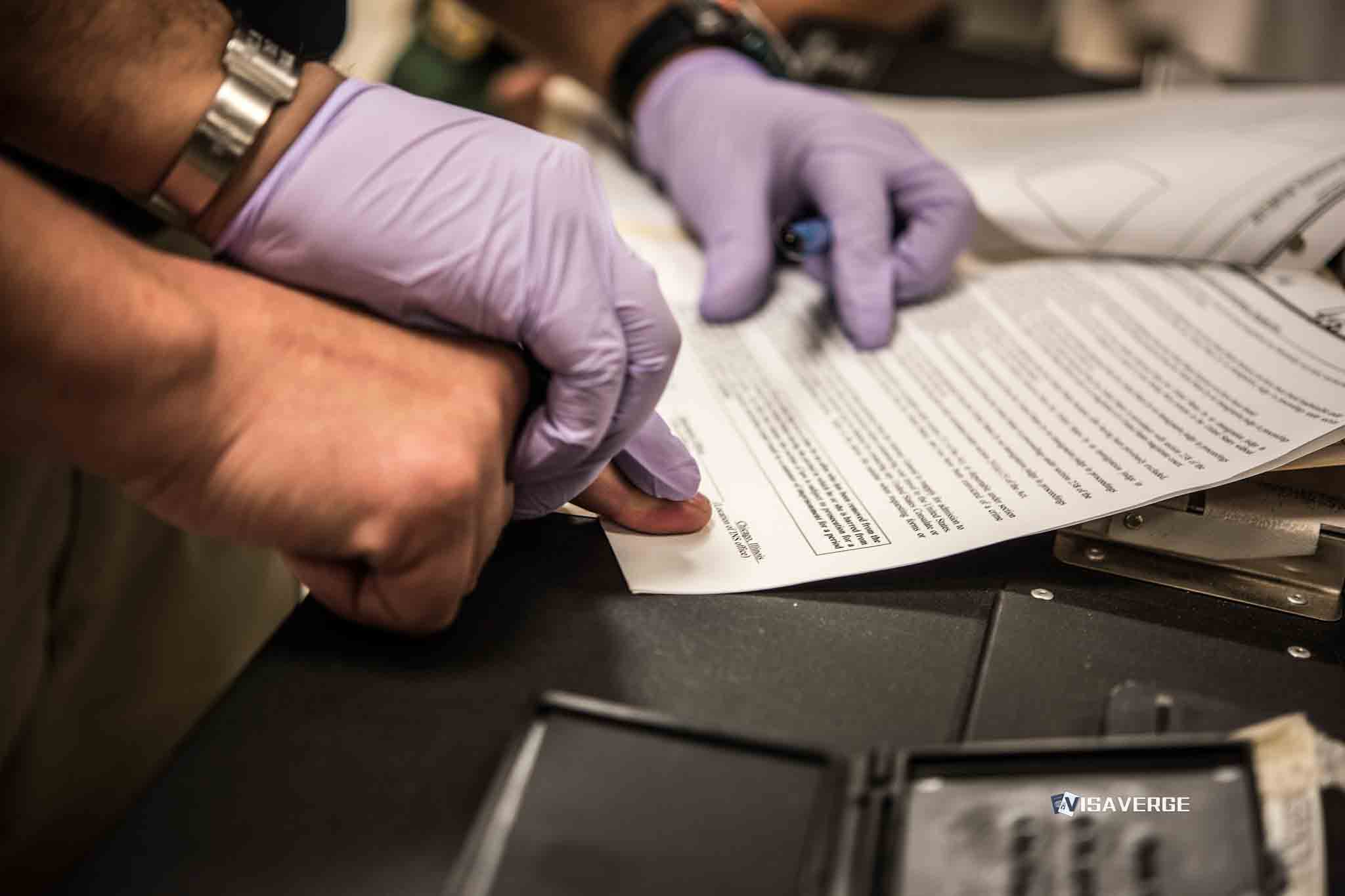
- Preventing damaging admissions in custody interviews
- Coordinating parallel criminal defense steps
- Preserving eligibility for relief like asylum (INA § 208), withholding (INA § 241(b)(3)), or cancellation (INA § 240A)
- Building a record for appeal to the BIA and, if needed, federal court review
Given SB 76’s aim to increase detainer compliance and institutional cooperation, individuals may have less time to correct errors, obtain certified records, and file motions. In that environment, early legal strategy can materially affect outcomes.
Official sources and where to find details
– EOIR Immigration Court information: EOIR
If you or a family member is detained, ask counsel about obtaining records through ICE and EOIR channels, and about local custody practices that may affect timing.
If you or a family member is detained, ask counsel about obtaining records through ICE and EOIR channels, and about local custody practices that may affect timing.
⚖️ Legal Disclaimer: This article provides general information about immigration law and is not legal advice. Immigration cases are highly fact-specific, and laws vary by jurisdiction. Consult a qualified immigration attorney for advice about your specific situation.
Resources: