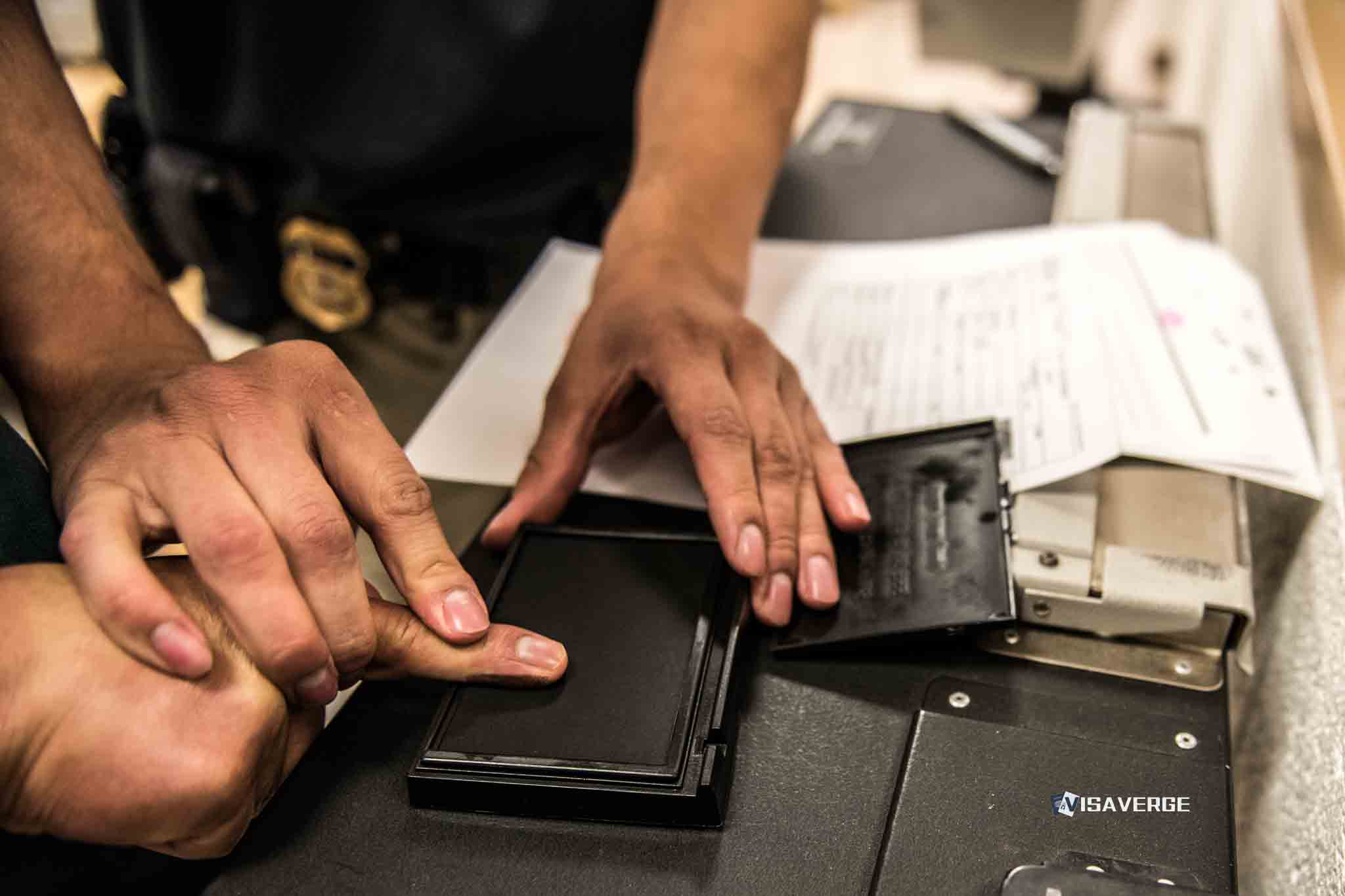
A Tunisian man named Rami Othmane remains in ICE custody in downtown Los Angeles as of July 26, 2025, with his family claiming he is not receiving proper medical care. Othmane was arrested on July 13, 2025, while driving to the grocery store, and his case has sparked concern among advocates and relatives about the treatment of detainees in ICE facilities.
Family members say Othmane’s health is at risk because ICE has not provided the medical attention he needs. According to recent news reports, his relatives have tried to raise the alarm about his condition, but so far, they have not seen any improvement. The detention center in downtown Los Angeles, where Othmane is being held, is known for its strict visitor rules, making it hard for family and clergy to check on detainees’ well-being or offer support.
Free toolUSCIS Receipt Number Decoder
This situation is not unique to Rami Othmane. Advocacy groups and legal experts have long criticized ICE for failing to provide adequate healthcare to people in detention. ICE has also reportedly denied requests from other detainees, such as Mahmoud Khalil, to be held closer to family or to receive needed medical accommodations. These actions point to bigger problems in how ICE manages detainee health and family connections.
No ICE officials have made public statements about Othmane’s case as of July 26, 2025. This silence has left families and advocates frustrated, as they seek answers and better treatment for those in custody. The lack of official response also makes it harder for outside groups to hold ICE accountable for detainee care.
Ongoing Criticism of ICE Detention Conditions
ICE detention centers, especially in downtown Los Angeles, have faced repeated complaints about poor healthcare and limited access for visitors. According to analysis from VisaVerge.com, these issues can have serious effects on detainees’ health and their ability to take part in immigration hearings. When people do not get the medical care they need, their legal cases may suffer, and their overall well-being can decline quickly.
Some of the main concerns raised by families and advocates include:
– Limited access to medical professionals for urgent or ongoing health problems
– Barriers to family and clergy visits, which reduce outside oversight and support
– Delays in responding to medical emergencies or requests for care
A recent case in Southern California involved a deaf Mongolian immigrant who spent months in ICE custody without an interpreter. This person was only released after outside pressure, showing how communication and care problems can affect many detainees, not just Rami Othmane.
Legal and Human Rights Standards
Immigration experts stress that people held by ICE have a right to proper medical care under United States ?? law and international human rights agreements. Denying this care can lead to serious health problems and may violate detainees’ rights. Legal aid groups in Los Angeles work to help families like Othmane’s, but they often face challenges getting information or access to their loved ones.
Family members and clergy who try to visit detainees in downtown Los Angeles report that strict rules and limited visiting hours make it hard to check on detainees’ health or provide comfort. These barriers also make it difficult for outside groups to monitor conditions and push for improvements.
Calls for Reform and Policy Change
Advocacy groups continue to push for changes in how ICE handles medical care and visitation. They want:
– Clearer rules for providing medical care to all detainees, especially those with urgent needs
– Easier access for family, clergy, and legal representatives to visit and support detainees
– More transparency from ICE about detainee health and facility conditions
As of July 26, 2025, there have been no new federal or local rules announced that would directly improve conditions for people like Rami Othmane. However, public attention and ongoing advocacy may increase pressure on ICE and lawmakers to make changes in the future.
Practical Steps for Families and Advocates
Families worried about loved ones in ICE detention can:
– Contact immigration legal aid groups in Los Angeles for help with medical or legal concerns
– File complaints or inquiries through the official ICE contact page for detainee issues
– Work with advocacy organizations to raise public awareness and push for better treatment
It is important for families to keep records of all communications with ICE and to seek help from trusted legal professionals. While response times from ICE can vary, official channels remain the main way to request information or raise concerns.
Broader Impact on Immigrant Communities
Cases like Rami Othmane’s highlight the challenges many immigrants face when detained by ICE. Lack of medical care, strict visitation rules, and slow responses to complaints can make detention even harder for both detainees and their families. These problems also affect the wider immigrant community in Los Angeles, where fear of detention and poor treatment can discourage people from seeking help or reporting abuse.
Advocates hope that by sharing stories like Othmane’s, they can encourage policymakers to improve detention conditions and protect the rights of all immigrants. Until then, families and supporters must rely on legal aid, advocacy, and public pressure to seek better care for those in ICE custody.
For more information on ICE detention and detainee rights, visit the U.S. Immigration and Customs Enforcement official website.
Learn Today
ICE → U.S. agency responsible for immigration enforcement and detention of undocumented immigrants.
Detention center → Facility where immigrants are held while awaiting immigration decisions or deportation.
Medical care → Healthcare services provided to detainees, including emergency and ongoing treatment.
Visitation restrictions → Policies limiting family, clergy, or legal visits to detained individuals.
Detainee rights → Legal protections ensuring fair treatment and access to healthcare for detained immigrants.
This Article in a Nutshell
Tunisian detainee Rami Othmane remains in ICE custody in Los Angeles with alleged inadequate medical care and restricted visits, raising serious concerns about detainee rights and ICE accountability amid ongoing advocacy efforts.
— By VisaVerge.com