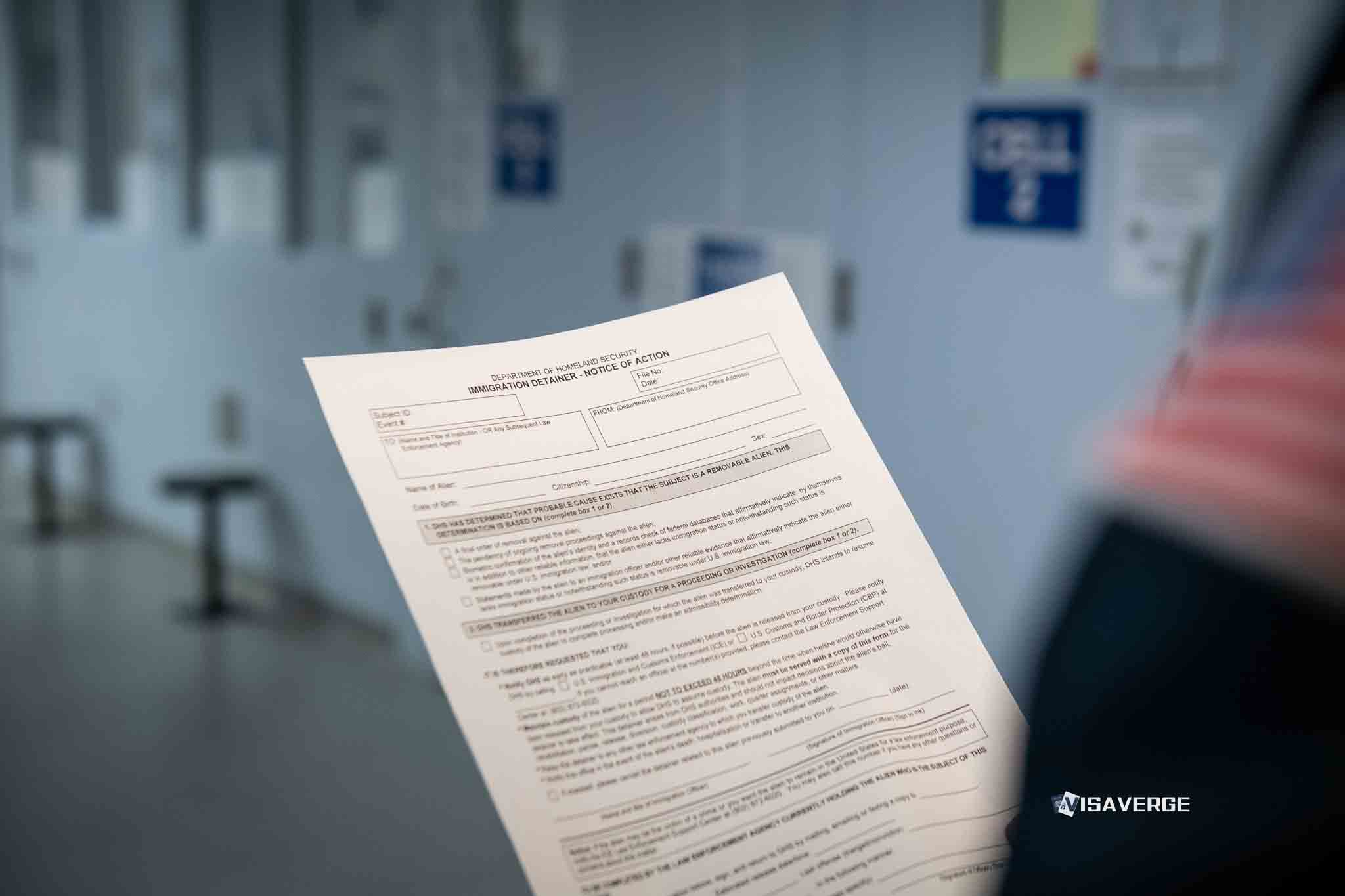
(GWINNETT COUNTY, GEORGIA) Rodney Taylor, a 46-year-old double amputee barber who has lived in the United States since age 2, faces deportation to Liberia after more than seven months in immigration custody. He has been held since January 15, 2025 at the Stewart Detention Center in Lumpkin, Georgia, while U.S. Immigration and Customs Enforcement argues he is an aggravated felon despite a 2010 Georgia pardon of a decades-old burglary conviction.
The case has drawn local and national attention.

Case timeline and legal dispute
An immigration judge heard his case on August 12, 2025, and a decision is expected by September 11, 2025. If the ruling goes against him, Taylor could be deported unless his lawyers secure further relief or an administrative stay.
Free toolUSCIS Receipt Number DecoderHis attorney, Sarah Owings, says ICE has denied three requests for humanitarian release even with his severe disability and long U.S. ties.
Taylor was brought from Liberia as a toddler on a medical visa so doctors could perform surgeries for congenital conditions affecting his hands and feet. He built a barbershop business in Georgia, mentored young clients, and helped with community health education. Friends say he supports a blended family of seven children. His arrest came just days after he proposed to his fiancée, Mildred Pierre.
Supporters describe difficult conditions in detention, including periods of isolation and overcrowding. They argue that deportation would be dangerous because Taylor has not lived in Liberia since early childhood and needs regular medical care. Disability rights groups backing the family say Liberia lacks the equipment and specialists he needs, raising fears that removal would put his life at risk.
ICE, however, maintains that the state pardon does not control federal immigration law. Agency officials argue that the pardon was not a “full” pardon for immigration purposes, so the aggravated felony label still applies. That label, in immigration law, can trigger mandatory detention and limit relief options before the court, even when the criminal record was cleared at the state level.
This dispute highlights a long-running clash: state criminal justice reforms do not always carry over to federal immigration enforcement. A person can complete a sentence, win a pardon, and rebuild a life, but still face removal years later if DHS classifies the offense as an aggravated felony. Advocates say this gap leaves long-settled residents at risk, no matter how strong their community ties.
For Taylor, the legal fight turns on how the immigration court reads the old conviction and the effect of the 2010 pardon. His team argues his decades in Georgia, severe disability, and family ties should weigh in favor of staying. ICE presses the aggravated felony claim and says detention is required while the judge decides.
ICE outlines detention operations and custody policies on its website, including how people may request release based on medical or humanitarian needs. Those materials are public at https://www.ice.gov/detention. Taylor’s supporters say those standards are not being applied in his case; ICE says it has reviewed his file and continues to oppose release while the court case proceeds.
Key legal question: Does a state pardon remove the immigration consequences of a decades-old conviction, or can federal immigration law still treat it as an aggravated felony?
Community impact and policy questions
Key players in the case include Taylor and his family, attorney Sarah Owings, the immigration judge, and ICE officials. Local immigrant groups and national disability advocates have organized support, emphasizing his long residence, his work, and the practical challenges he would face if deported.
In Gwinnett County, customers from his shop have written letters and held gatherings to keep attention on the case. Taylor remains at the Stewart Detention Center, one of the largest immigration detention sites in the Southeast. From there, he attends court by video or in person as ordered.
Friends say the distance from Gwinnett County makes family visits hard, adding stress for his children and fiancée. ICE says detention is appropriate while removal proceedings continue.
According to analysis by VisaVerge.com, cases like Taylor’s highlight a policy fault line: state pardons can clear records for jobs and housing, yet may not protect noncitizens from federal removal. Advocates argue this disconnect widens as more states expand second-chance reforms. Defense lawyers say they now must plan years ahead, knowing immigration penalties may outlast any criminal court relief.
Owings confirms ICE denied three humanitarian release requests, each citing his disability, medical needs, and deep roots. She says the agency’s refusals conflict with its own guidance encouraging careful review of people with serious health conditions. ICE counters that it weighs each request case by case. With the hearing completed, the court’s decision is the next, decisive step.
Personal and community consequences
Taylor’s story is not just about statutes. At his barbershop, parents trusted him to talk with teens about school, work, and staying out of trouble. He cut hair for neighbors who could not always pay, and helped raise a large, blended family. Loved ones say the thought of him being deported to a country he barely remembers has left the household in constant worry.
If the judge rules against him by September 11, Taylor’s team could still seek a stay while they appeal. They could:
- File motions with the immigration court seeking administrative stays or reconsideration.
- Request ICE to pause removal while they pursue appeals.
- Pursue further relief through appellate procedures if the judge’s decision is adverse.
If relief is denied at every step, ICE could move to deport him to Liberia. For now, he waits in custody, hoping for a ruling that lets him stay.
Broader implications and calls for change
The case has broader reach in Georgia and beyond. Families with mixed status often live with the fear that a past offense, even one pardoned, could lead to detention years later. Disability groups warn that detainees with complex needs face extra risk when held in large facilities.
Immigrant advocates call for:
- Stronger humanitarian release rules
- Better coordination between state clemency decisions and federal removal processes
- Careful review of detention decisions for people with serious health needs
Back in Gwinnett County, Pierre keeps planning a wedding she hopes they can still hold. She visits when she can, bringing photos and messages from the kids. Taylor tells friends he wants to go back to work, keep mentoring, and continue the life he built.
Whether that happens now rests with the immigration court—and, if needed, the appeals that may follow.
This Article in a Nutshell
A double-amputee barber detained since January 15, 2025 faces deportation to Liberia despite a 2010 Georgia pardon. Supporters cite medical needs, seven dependent children, and community ties. ICE claims the pardon lacks immigration effect. A judge’s decision by September 11, 2025 will determine whether appeals or stays follow.