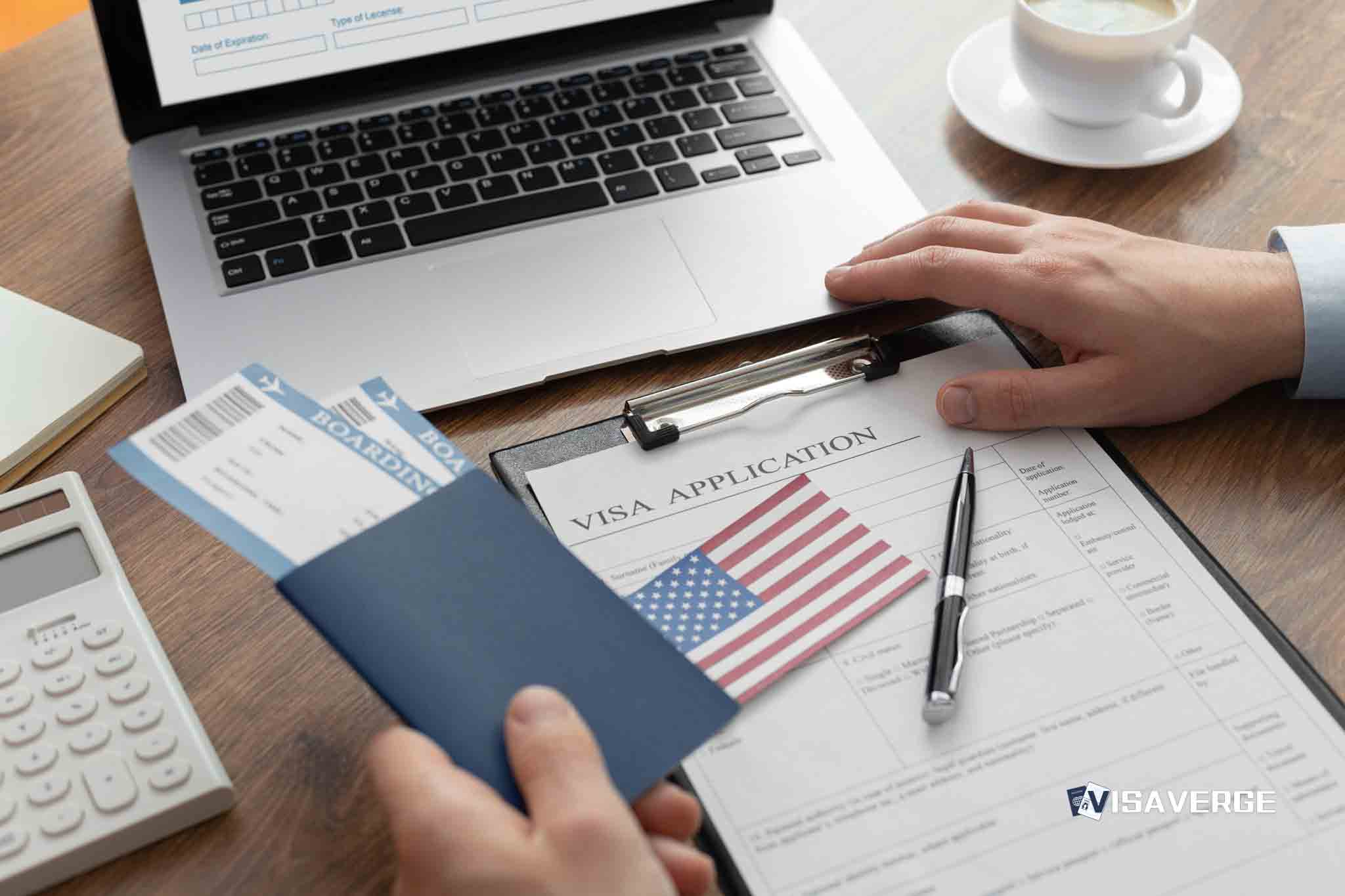
U.S. citizens can continue filing Form I-129F petitions to start the K‑1 fiancé(e) visa process even if the federal government shuts down, and USCIS will keep accepting new petitions. That’s the central message as the United States ?? faces a possible lapse in federal funding on October 1, 2025. Because U.S. Citizenship and Immigration Services (USCIS) is primarily funded by application fees rather than yearly congressional budgets, its doors do not close when other agencies scale back.
Applicants should still prepare for slower processing and downstream effects, especially at U.S. embassies and consulates abroad, which rely on appropriated funds and may face staffing cuts if a shutdown drags on.

Key practical takeaway
- You can file the
I-129Fduring a shutdown, and USCIS will accept it. - The K‑1 process begins when the U.S. citizen petitioner sends a completed Form I-129F to USCIS.
- Once USCIS approves, the case moves to the Department of State for consular processing, where the foreign fiancé(e) attends a visa interview and, if approved, receives the K‑1 visa to travel to the U.S. for marriage within 90 days.
- The first step—USCIS intake and adjudication—remains available even during a funding lapse.
What to expect during a shutdown
History shows that when other agencies reduce operations, dependent work slows down. Even fee-funded offices have seen:
– Fewer staff on duty
– Longer queues and appointment delays
– Slower coordination with partner agencies (security checks, data sharing)
Although the K‑1 visa doesn’t require Department of Labor filings like LCAs, other parts of the immigration system do rely on agencies that could pause or scale back. The most pressing risk for K‑1 applicants comes after USCIS approval, when the case transitions to the Department of State for overseas processing.
Important: Consular visa issuance could face delays if a shutdown persists. Interview scheduling may stretch, backlogs can grow, and some posts might operate with limited capacity.
For official consular K‑1 visa processing details, see the State Department’s page on Fiancé(e) Visas.
Why USCIS stays open (and the limits)
- USCIS is largely fee-funded, meaning filing fees cover most operations.
- As a result, USCIS typically continues to accept and process benefit requests such as Form I-129F during funding lapses.
- However, coordination with other agencies can slow, affecting:
- Security checks
- Data exchanges
- Consular scheduling handled by the Department of State
Think of it as: the lights stay on, but there may be fewer people in the room and longer waits at the counter.
Past flexibility and late filings
There is precedent for some flexibility during shutdowns. USCIS has, in prior lapses, accepted certain late filings (e.g., late Form I-129 submissions) when the shutdown clearly caused the delay.
- This does not guarantee automatic forgiveness for late I-129F filings.
- It indicates USCIS recognizes shutdown-related obstacles and has, at times, allowed explanations for missed deadlines.
Programs that do pause — and what that means for K‑1
Some programs do pause during funding gaps, for example:
– E‑Verify has been suspended in past shutdowns.
– Certain religious worker programs dependent on appropriations have paused.
Important clarifications:
– These pauses do not stop a U.S. citizen from filing the I-129F.
– E‑Verify pauses do not halt K‑1 filings, and religious worker suspensions are unrelated to fiancé(e) visas.
– The most direct shutdown effect on K‑1 cases is timing and processing speed, especially at embassies and consulates.
Practical filing advice — minimize avoidable delays
To reduce the risk of RFEs and lengthy delays, prepare a complete, well-documented I-129F packet:
- Use the current edition of Form I-129F and follow instructions.
- Include proof of U.S. citizenship (e.g., passport copy, birth certificate).
- Provide evidence you and your fiancé(e) met in person within the last two years (or qualify for an exception).
- Include signed, dated intent-to-marry statements from both partners.
- Organize relationship evidence clearly (photos, travel receipts, communications) — avoid excessive volume.
- Verify the correct filing fee and pay via an accepted method.
- Sign every required page — unsigned forms are commonly rejected.
- Keep a complete copy of everything you submit.
Expected timeline changes during a shutdown
Even in normal times, the K‑1 path has multiple steps. During a shutdown expect:
- USCIS receipt and processing of
I-129F— may take longer than usual. - NVC handoff and consular scheduling — could be slower if State Department posts limit services.
- Security checks and document verification — may slow if interagency partners reduce staffing.
Quick checklist for couples planning now
- File early and file complete.
- Keep both digital and paper records of submissions.
- Monitor updates from the specific embassy/consulate handling your case.
- Prepare consular documents in advance (medical exam, forms, police certificates).
- Build extra time into wedding plans — avoid nonrefundable bookings tied to a visa date.
Emotional and planning considerations
A shutdown adds uncertainty and stress to couples already navigating distance and timing. Focus on what you can control:
– File the I-129F when ready.
– Gather and organize evidence and consular paperwork.
– Check your case status at reasonable intervals and respond promptly to any notices.
If you’re considering switching to a spousal visa (marrying now and applying for adjustment of status or consular immigrant processing), weigh:
– Where your case currently sits
– How quickly you can meet marriage and documentation requirements
– Whether you can wait out shutdown-related delays on the K‑1 route
The facts here concern shutdown operations only; they do not compare total timelines or eligibility between fiancé(e) and spousal routes.
Precedent and reassurance
Again: USCIS has accepted late filings in prior lapses when the shutdown clearly caused delays. That’s not a guarantee, but it offers some reassurance if the shutdown creates real barriers to timely filing.
Employer and organizational impacts (not K‑1 specific)
- E‑Verify and some religious worker programs (appropriations‑dependent) may pause — this matters for employers and certain visa categories.
- These pauses do not change the status of I‑129F filings, which are fee-funded.
Where to find official forms and guidance
- USCIS Form I-129F (Petition for Alien Fiancé(e)): USCIS I-129F
- USCIS Form I-129 (different petition, cited for past late-filing examples): USCIS I-129
- State Department fiancé(e) visa guidance: Fiancé(e) Visas
Final practical summary
- USCIS will accept new
Form I-129Fpetitions during the October 1, 2025 government shutdown due to its fee-funded model. - The primary variable is time: filing remains possible, but downstream steps — consular scheduling and visa issuance — may slow if appropriations-dependent posts reduce services.
- Couples who file complete petitions, prepare consular documents early, and maintain realistic timelines will be best positioned when normal operations resume.
Closing thought: A K‑1 case is more than forms — it’s a path to building a life together. A shutdown may slow the process, but it does not close the door. File the
I-129Fwhen ready, keep your documents organized, track your case with calm, and remember that many couples have navigated similar slowdowns to reach the day they reunite.
Frequently Asked Questions
This Article in a Nutshell
USCIS will continue accepting Form I-129F petitions during the October 1, 2025 government funding lapse because it is primarily fee-funded. Filing the I-129F still initiates the K‑1 fiancé(e) visa process; USCIS intake and adjudication should remain available. The main disruption lies downstream: the Department of State and U.S. embassies/consulates rely on appropriated funds and could reduce staffing, slow interview scheduling, and delay visa issuance. Applicants should file complete I-129F packets, include required evidence, prepare consular documents in advance, and build flexibility into wedding plans. Past shutdowns show USCIS sometimes accepts late filings when delays are clearly shutdown-related, but that is not guaranteed. Overall, filing is possible, but expect slower timelines and monitor official updates.