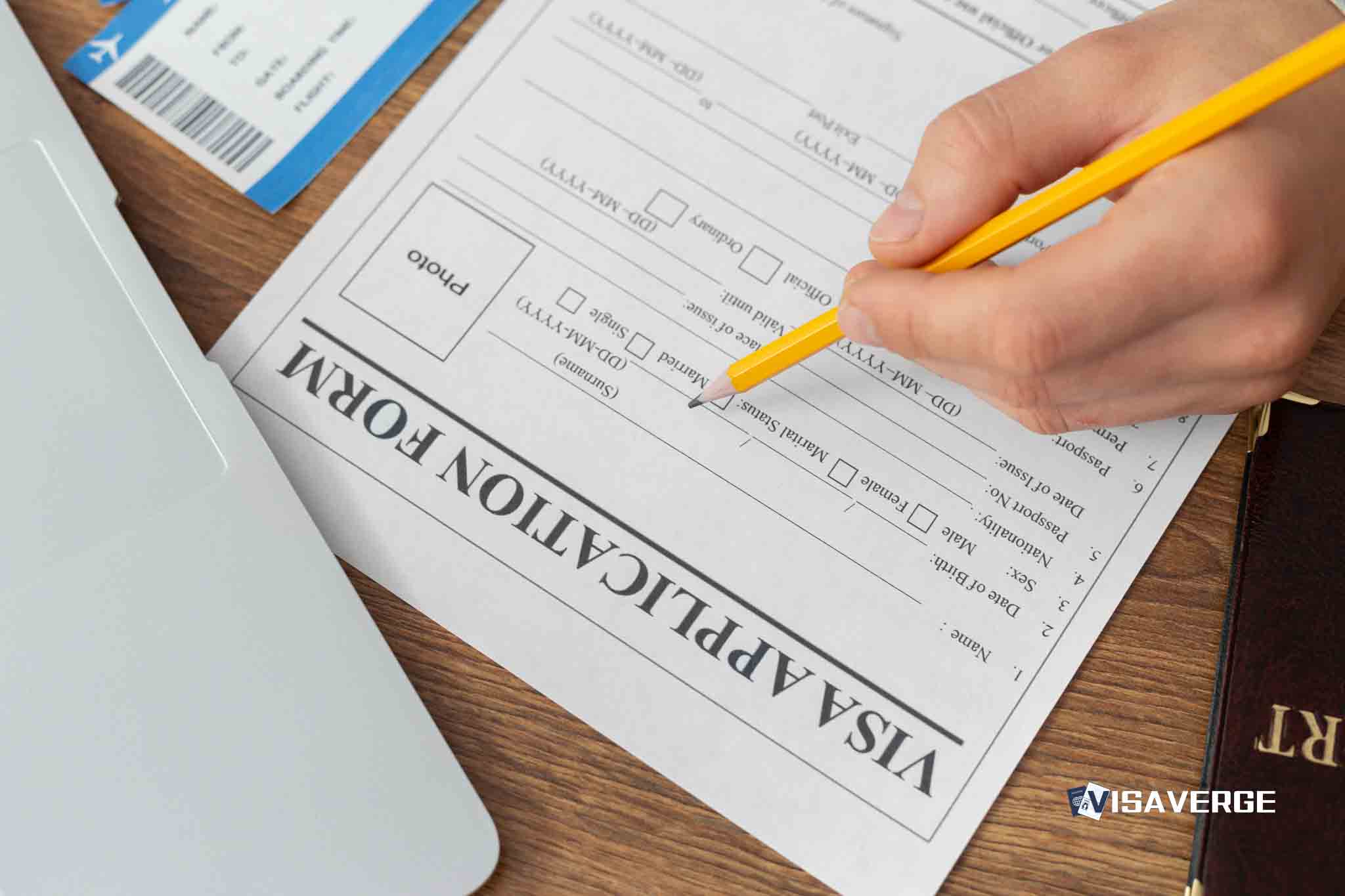
Domestic violence survivors can continue to file VAWA self-petitions during a federal government shutdown, and U.S. Citizenship and Immigration Services (USCIS) will keep accepting these cases. USCIS operations are largely funded by application fees, not annual congressional spending bills, so fee-funded services remain open even when other federal programs pause. That includes the receipt and adjudication of VAWA self-petitions filed on Form I-360 for eligible spouses, children, and parents of abusive U.S. citizens or lawful permanent residents in the United States ??.
USCIS confirmed that most core, fee-based activities continue in a shutdown scenario, which means victims should not delay filing. According to analysis by VisaVerge.com, USCIS will accept and process VAWA <a href="https://www.uscis.gov/i-360">Form I-360</a> filings during a shutdown, while some other federal functions tied to appropriations may pause. That distinction matters for families choosing whether to file now or wait; for VAWA self-petitions, the door remains open.
What a VAWA self-petition does and how it’s filed
VAWA self-petitions allow survivors to seek immigration protection without their abuser’s knowledge or consent. Under this process, the self-petitioner submits evidence of the qualifying relationship and abuse, along with proof of good moral character and other eligibility items required by law.
Key points about filing:
– Survivors file Form I-360, the Petition for Amerasian, Widow(er), or Special Immigrant, with USCIS. For official instructions and the current edition of the form, see the USCIS page for Form I-360.
– USCIS adjudicators review the evidence and may issue Requests for Evidence (RFEs) when more proof is needed.
Policy context during shutdowns
While USCIS operations continue for fee-funded petitions like VAWA self-petitions, some federal services that rely on direct appropriations may pause in a shutdown.
Examples and distinctions:
– Department of Labor functions such as PERM labor certifications and the E-Verify program may be suspended until funding is restored.
– These programs are not part of VAWA self-petitions and do not prevent USCIS from accepting Form I-360 filings.
This separation helps keep a critical protection route open for people facing abuse at home.
Important: A government shutdown does not stop USCIS from accepting or initially processing fee-funded VAWA filings, but it does not speed up processing either.
Typical processing timelines
Applicants should be aware that VAWA case processing is often lengthy. Current timelines are commonly 2–3 years or more, depending on case complexity, volume of filings, and whether an RFE is issued.
- A shutdown does not halt acceptance or initial processing of filings.
- Careful preparation remains the best way to avoid avoidable delays.
Impact on applicants and practical steps
For survivors weighing next steps, the key fact is simple: You can file a VAWA self-petition during a government shutdown, and USCIS will process it. Offices remain open, lockboxes accept filings, and adjudications continue for fee-funded services.
Practical considerations and recommendations:
– Filing without the abuser’s help:
– By design, VAWA self-petitions can be filed without the abuser’s knowledge or consent. This protects survivors and lowers the risk of retaliation.
– Evidence of abuse:
– USCIS accepts a wide range of evidence (police reports, medical records, court orders, therapist letters, shelter intake notes, and detailed personal statements).
– Not all survivors have the same documents; USCIS evaluates the total record.
– Safety planning:
– If you share an address or mailbox with the abuser, consider a safer mailing address for USCIS notices (trusted friend, advocate, or lawyer).
– RFEs:
– If USCIS issues an RFE, respond by the stated deadline and include as much meaningful evidence as possible. Missing RFE deadlines can lead to denials.
– Long timelines:
– Plan for a multi-year process. Keep copies of everything you submit and update USCIS if your address changes.
USCIS also offers humanitarian programs for abused family members that are separate from VAWA. For broader background on protections for abused spouses, children, and parents, see USCIS’s official page on Abused Spouses, Children and Parents, which explains how the Violence Against Women Act works in immigration cases.
Why filing early matters
Advocates stress that early filing can be life-changing. Filing Form I-360 sets a case on track and can create options later, such as applying for work authorization or adjustment of status when eligible. The continuity of USCIS operations during a shutdown helps survivors avoid waiting through periods of uncertainty.
Community groups report that confusion around shutdowns sometimes causes people to pause applications. That can be risky in the long run, especially when safety and stability depend on starting the VAWA process. Because USCIS keeps accepting fee-funded filings, survivors should not postpone VAWA submissions due to a shutdown. Filing now preserves your place in line and allows the case to move forward within USCIS’s workload.
Considerations for employers, schools, and representatives
- Employers and universities: Since VAWA
Form I-360adjudication continues, these filings should remain on track at USCIS.- However, institutions that rely on E-Verify may experience a pause during a shutdown, which could affect onboarding processes unrelated to VAWA.
- Attorneys and accredited representatives: Best practices include:
- Confirm the correct filing address and form edition before mailing.
- Include a clear cover letter listing all evidence.
- Monitor lockbox receipts and follow up if receipt notices are delayed beyond normal timeframes.
- Maintain updated safe contact information for clients.
- Prepare clients for possible RFEs and the long timeline.
Quick checklist for survivors
- USCIS will accept VAWA
Form I-360during a shutdown. - VAWA self-petitions are confidential and do not require the abuser’s consent.
- Processing often takes 2–3 years or more, depending on the case and USCIS workload.
- Some non-USCIS programs like PERM or E-Verify may pause, but that does not stop USCIS from taking VAWA filings.
Final note and recommendation
Survivors should consider speaking with a trusted legal advocate or community organization experienced with VAWA. While the process can feel heavy, these cases were built to protect people in danger at home. The continuity of USCIS operations during a shutdown is meant to keep that protection available when it is needed most.
Frequently Asked Questions
This Article in a Nutshell
USCIS has confirmed that VAWA self-petitions filed on Form I-360 will continue to be accepted and processed during a federal government shutdown because USCIS is largely fee-funded. Survivors may file confidentially without the abuser’s knowledge and should submit thorough evidence such as police reports, medical records, and personal statements. While initial acceptance and adjudication continue, other programs dependent on appropriations—like PERM labor certifications and E-Verify—may pause. VAWA processing is often lengthy, typically two to three years or more, and applicants should prepare for RFEs and long timelines. Advocates recommend filing now, using safe contact information, and consulting trusted legal help.