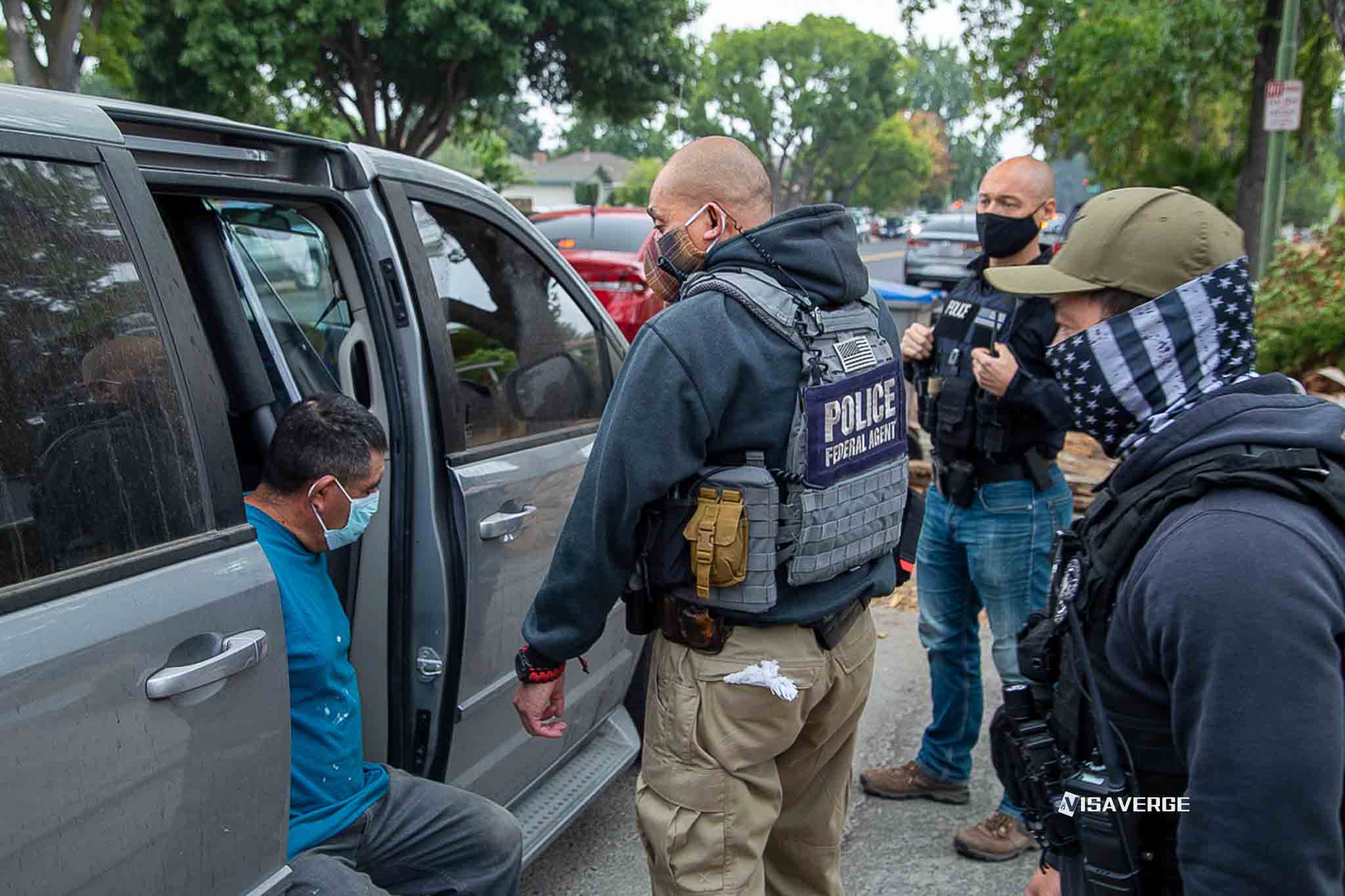
(EL CAJON) Activists are again pressing the City Council over how far El Cajon should go in working with federal immigration officers, keeping a months-long dispute at the center of local politics. The latest push comes after a narrow 3-2 vote in early 2025, when the Council rejected a resolution to declare the city’s intent to cooperate with federal immigration enforcement “to the legal extent permissible” under SB 54 and federal law.
That decision, reached after hours of public comment, left El Cajon aligned with California’s sanctuary rules while exposing deep splits between neighbors, officials, and advocacy groups.

The recent vote and local reaction
At recent public meetings, residents warned that any move toward closer cooperation with federal agents would spread fear, drive families indoors, and make immigrants less likely to report crimes or seek help. Supporters of the rejected resolution argued that cooperation is needed to remove people with serious criminal records and to boost safety.
Free toolUSCIS Receipt Number DecoderThe divide shows no sign of fading, as Mayor Bill Wells continues to criticize SB 54, saying it ties the hands of local police, while a majority of Council members have resisted formal cooperation steps so far.
Council split reflects clash over SB 54
At the core of the debate is the California Values Act (SB 54), the state law that limits how local police can assist with federal immigration enforcement. SB 54 sets rules on when cities and counties can share information or hold people for federal officers, generally restricting help to cases involving certain serious or violent convictions.
- The full statutory framework is posted by the state at the California Legislative Information site: SB 54 text and history.
- Under this law, El Cajon is not required to help with civil immigration enforcement.
- The city’s rejection of the cooperation resolution means no new local policy was added on top of the state limits.
Positions and concerns
- Mayor Wells and supporters of cooperation say:
- SB 54 reduces safety by making it harder to transfer custody of people who pose risks.
- The public expects action against people with serious convictions.
- Opponents, including immigrant advocates, argue:
- Broad cooperation invites profiling and reaches beyond violent crimes.
- It harms trust between officers and families and can discourage reporting of crimes.
- SB 54 already allows sharing in serious cases; local steps risk sweeping in people with old or nonviolent records.
The City Council’s ongoing split reflects these tensions. Council members who voted against the resolution said the city must follow SB 54 as written and avoid policies that could expose El Cajon to lawsuits or erode community trust. Those who supported the proposal framed it as a way to focus on people with serious criminal records, though the resolution’s phrase “to the legal extent permissible” raised concerns about potentially broader action.
With no formal cooperation policy in place, El Cajon continues operating under the state’s sanctuary rules.
Community fallout and enforcement trends
Even without a local cooperation policy, federal actions have rattled families in and around the city.
- In April 2025, a workplace raid in an unincorporated area near El Cajon led to the arrest of 15 undocumented immigrants.
- Advocates said the operation highlighted a wider shift in enforcement under President Trump, moving from narrow, person-specific arrests toward broader workplace sweeps.
Community groups reported distress among children and spouses following the raid, and residents told the Council the fallout spread well beyond the job site.
Effects reported by advocates and residents
- Organizations such as Latinos in Action say those caught in raids often include long-time community members without violent criminal histories and stress the trauma of abrupt removals.
- Immigrant advocates argue that when a City Council signals support for federal enforcement—formal or not—immigrant residents:
- Pull back from everyday life
- Skip appointments
- Avoid reporting wage theft
- Stop contacting police as witnesses
They say that fear weakens safety for everyone.
Supporters of closer cooperation counter that the public expects action when people with serious convictions remain in local custody, citing cases across San Diego County where local and federal coordination led to removals after convictions. Opponents reply that SB 54 already covers those serious cases and that extra local steps often sweep in people with old or non-violent records. They also warn that simple “information-sharing” policies can widen into actions that feel like federal enforcement.
Local dynamics and ripple effects
In El Cajon, the tension is sharpened by geography and history:
- The city sits in a county that regularly sees federal enforcement activity.
- Residents understand the difference between a local stop and a federal arrest.
- Even with SB 54 limiting local roles, the presence of federal agents shapes daily choices for mixed-status families.
As a result, actions outside city limits—like the April raid—have real effects inside El Cajon’s schools, shops, and churches.
City Hall remains a weekly stage for this debate:
- Supporters of the mayor’s stance worry about crime and want assurances that the city won’t become a “safe haven” for people who have hurt others.
- Opponents say safety comes from trust: when families feel safe speaking to officers, they share tips, testify, and help solve cases.
- Immigrant advocates maintain that SB 54 protects this trust while allowing local agencies to work with federal officers in the narrow category of serious offenses spelled out by the law.
What’s next and everyday coping strategies
What happens next will likely depend on whether any Council member brings a fresh proposal. Activists expect more attempts, especially as national enforcement policies evolve.
For now, the Council’s 3-2 rejection stands, and El Cajon continues under California’s sanctuary framework. That means:
- City resources are not used for civil immigration enforcement except in situations allowed by law.
- Federal agents can still operate in the wider county, sometimes just beyond city borders, with effects that spill back into El Cajon homes and workplaces.
Residents on both sides say they will keep showing up. Their actions and concerns include:
- Those wary of cooperation want the Council to reaffirm support for state law and focus on community programs that reduce crime without touching immigration status.
- Those in favor of closer ties want the city to revisit cooperation language—at minimum for people with recent violent convictions—and to send a clear public safety message.
In the meantime, families continue to plan around enforcement risks. Common coping steps include:
- Parents sharing school pickup duties in case a workplace visit delays a caregiver.
- Workers asking supervisors for clear policies before accepting shifts.
- Faith leaders and neighborhood groups creating phone trees to check on families after news of arrests.
These practical responses underscore the real-world stakes behind a City Council vote that, on paper, simply tracked the lines drawn by SB 54.
City officials say they will keep hearing public input and weighing legal duties under state and federal rules. Whether El Cajon sees another cooperation proposal—or a move in the other direction—will hinge on the same hard questions that have framed 2025: how to balance safety and trust, how to follow state law while responding to federal pressure, and how to make policy in a city where immigration touches nearly every part of daily life.
This Article in a Nutshell
A 3-2 El Cajon Council vote in early 2025 rejected formal cooperation with federal immigration under SB 54. The split highlights fears that collaboration could drive immigrants from reporting crimes while supporters cite removing people with serious convictions to protect public safety.