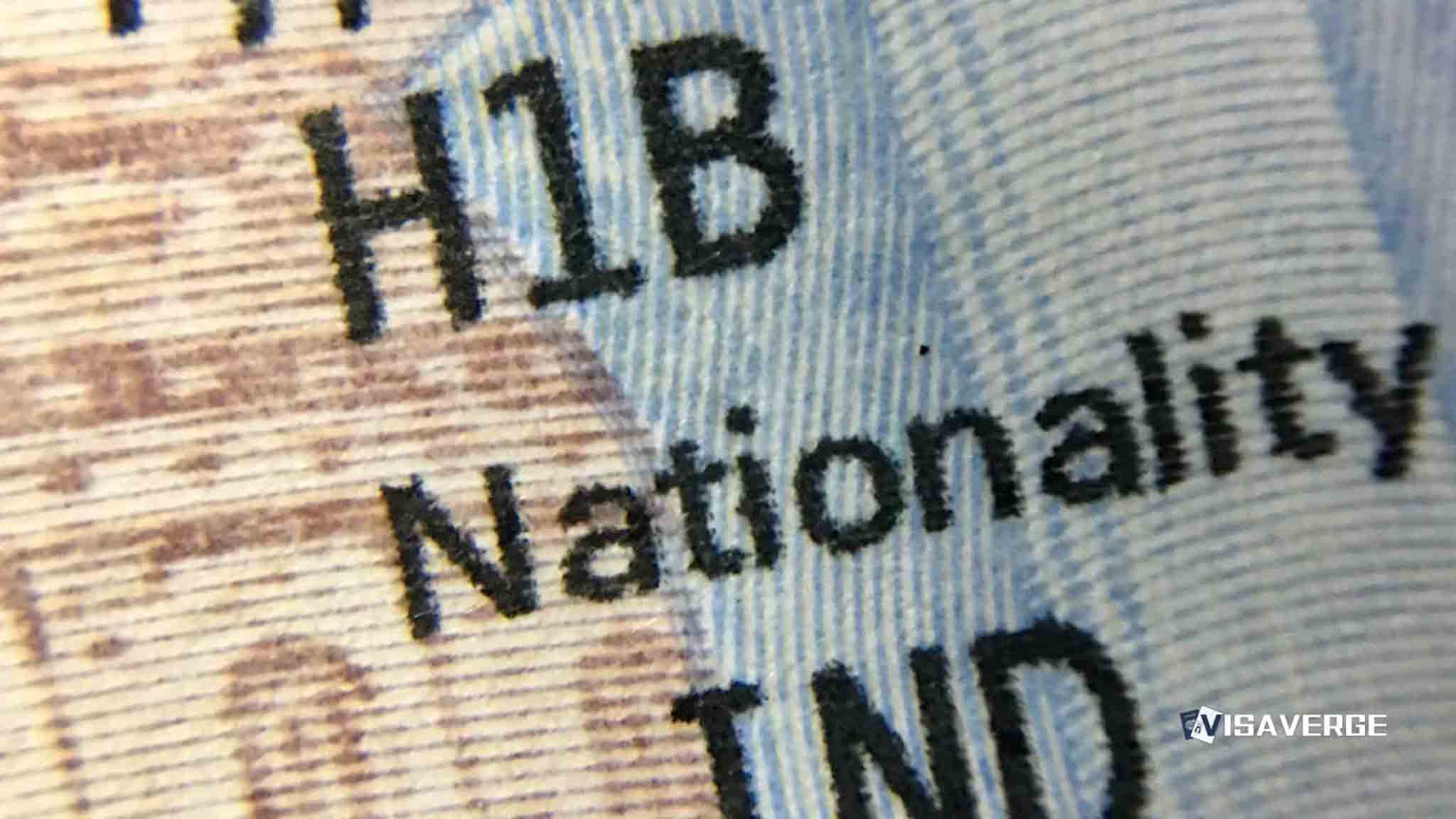
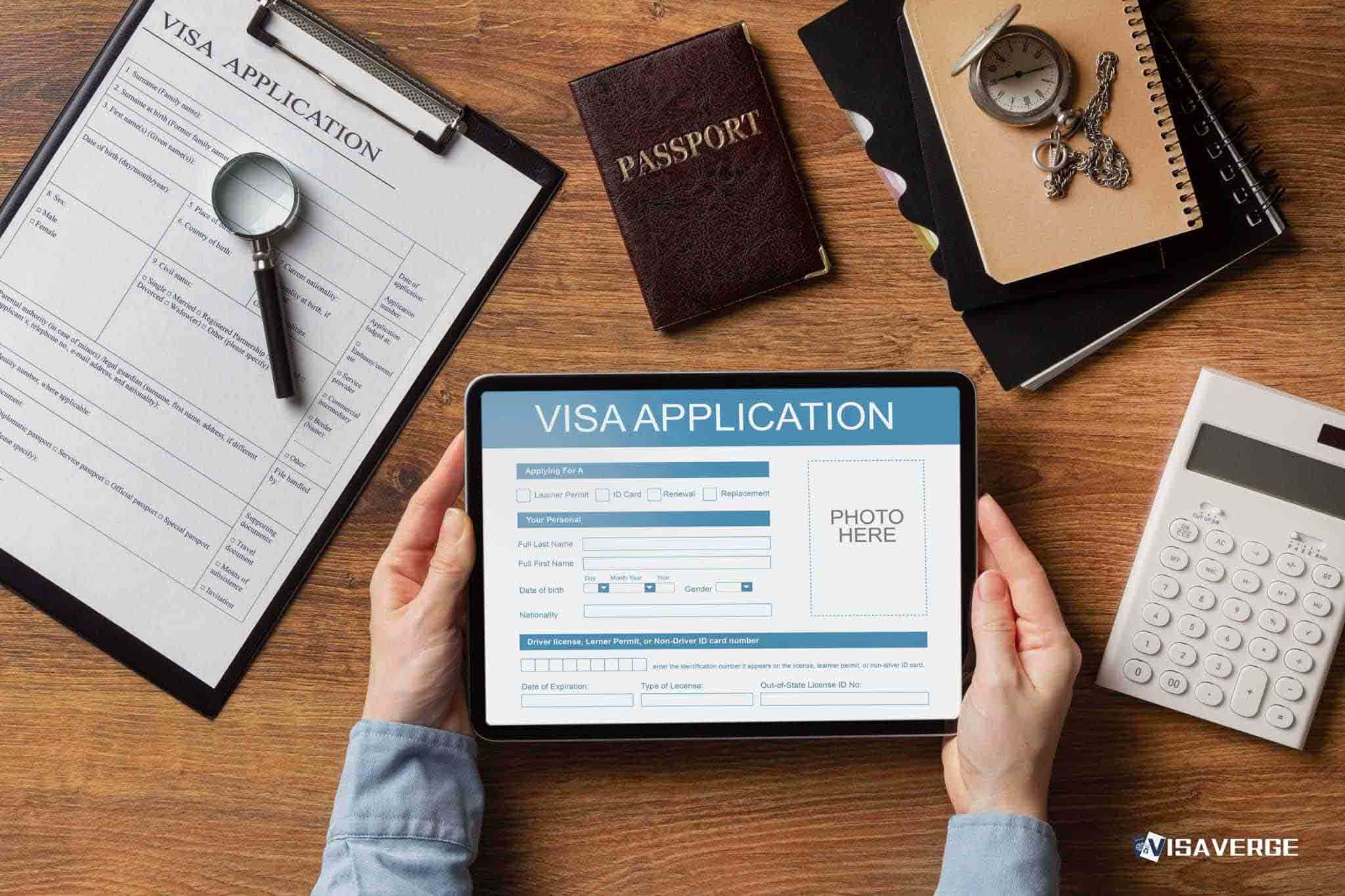
- H-1B travelers must carry a valid visa stamp, passport, and original I-797 approval notice.
- A current employer support letter and recent pay stubs are essential for smooth border reentry.
- Leaving the U.S. while a petition is pending can lead to abandonment of status change requests.
H-1B workers who leave the United States need the right papers before they board a flight back. A valid visa stamp, a passport, an approved Form I-797, and an employer letter are the core documents officers expect at the border. H-1B travel gets harder when a petition is pending, when a job changes, or when a short trip to Canada or Mexico triggers automatic visa revalidation.
The H-1B program lets U.S. employers hire foreign workers in specialty jobs. Travel sits at the center of that status because a worker can keep an approved petition and still lose time, money, or entry if the papers are incomplete. USCIS explains the program on its H-1B Specialty Occupations page, and VisaVerge.com reports that most reentry problems come from missing documents rather than from the trip itself.
The papers officers check at the airport
Before any international trip, an H-1B worker should pack the same documents that border officers and consular staff often ask to see. The list is short, but each item matters.
Free toolH-1B Cost Calculator Online- A valid H-1B visa stamp in the passport.
- A passport valid for at least six months beyond the intended stay.
- An approved Form I-797, Notice of Action, showing the H-1B approval or extension.
- A letter from the employer confirming current employment, job title, and salary.
If the visa stamp has expired, the worker usually needs visa stamping at a U.S. embassy or consulate before returning. The approved Form I-797 alone does not replace a visa stamp for most international travel. That distinction trips up many first-time H-1B travelers.
Visa stamping and what it means in practice
Visa stamping is the consular process that places a new visa foil in the passport. It happens outside the United States. A worker may have valid H-1B status inside the country and still need a new stamp before reentry after a trip abroad. That is why people often confuse status with admission documents.
At the visa interview, consular officers usually review the petition approval, the job offer, the employer letter, and proof that the work still fits the H-1B category. The worker should also carry recent pay slips and the company’s support letter. Those papers help show that the job continues and that the trip is temporary.
For many families, the stress starts before the interview. Appointment slots fill quickly in some countries, and administrative processing can stretch travel plans. That is why many workers avoid leaving when a renewal window is tight.
When the H-1B petition is still pending
Travel while a petition is pending carries real risk. If the worker leaves the United States while USCIS is still deciding an H-1B application or a change of status request, the agency may treat the change of status part as abandoned. That can force the worker to finish processing abroad instead of inside the country.
The safest move is to delay nonessential travel until the case is decided. When travel cannot wait, the worker should speak with counsel before booking tickets. This matters most for people changing employers, moving from student status, or waiting on an extension after the old approval has nearly expired.
A pending transfer petition creates the same tension. The new employer may file a Form I-129 petition, but the worker should not assume the trip is harmless until the filing status, receipt notice, and timing are clear.
Short trips to Canada or Mexico
A limited rule called automatic visa revalidation helps some H-1B travelers return from Canada or Mexico without a new visa stamp. It applies when the trip lasts fewer than 30 days, the traveler does not apply for a new visa during that visit, and the traveler is not a resident of a country designated by the U.S. government for state-sponsored terrorism. The traveler also needs the documents required for entry to that country.
This rule helps people who take short business trips, family visits, or border-area travel. It does not erase the need for a passport, status papers, or a valid trip purpose. Many workers still carry the Form I-797, the employer letter, and proof of ongoing employment, because CBP officers can ask for all of them at inspection.
Job changes and petition transfers
An H-1B worker who changes employers should not leave the country before the new employer files the transfer petition. Once USCIS approves the Form I-129, the worker can reenter with the new approval and a valid visa stamp. If the visa stamp lists the old employer, and the worker has moved to a new job, the traveler may need a fresh visa linked to the new petition before coming back.
Timing matters here. Workers who travel between the filing date and the approval date may face problems at the border, especially if they rely on an approval from the old employer. Employers usually give a support letter that states the transfer status, the worksite, and the pay. Travelers should keep a copy with the Form I-797 notice.
Dependent travel for H-4 spouses and children
H-4 dependents follow many of the same travel rules. They need valid H-4 visas for international travel, and they should carry copies of the principal worker’s H-1B papers. That includes the Form I-797, the employer letter, and the passport and visa stamp of the H-1B holder.
Dependents often face extra questions at inspection because their status depends on the principal worker’s job. A spouse traveling alone should still carry proof of the family link and the H-1B worker’s current approval. Children need the same careful paper trail, especially if the family will return after a long stay abroad.
What happens at CBP inspection
U.S. Customs and Border Protection makes the final call at the port of entry. Officers review the passport, visa stamp, Form I-797, and employment letter. They may ask where the person works, how long the trip lasted, and whether the H-1B job is still active. A calm, consistent answer helps the inspection go faster.
Travelers should expect secondary inspection if a document is missing or if the officer wants to confirm the petition. That review does not always mean a problem, but it often slows the return. Keeping paper and digital copies of every approval notice reduces the chance of delay.
Grace periods after a job ends
When an H-1B job ends, USCIS gives the worker 60 days or until the end of the authorized validity period, whichever is shorter. During that time, the worker can find a new employer, change status, or leave the United States. Travel during a grace period needs extra care because the worker no longer has active employment to show CBP.
That is why many people avoid trips once they lose a job. A departure and return with no current employer can trigger questions that are hard to answer at the border. The same concern applies to family members who rely on the principal worker’s active status.
Current travel habits that lower risk
A few habits make H-1B travel smoother. Check visa stamp dates early. Keep the employer letter current. Save every Form I-797 notice. Carry copies of the latest pay slips. Book visa appointments before the old stamp expires. And keep the trip short when using automatic visa revalidation.
Current international travel also needs extra attention to local U.S. consulate wait times, passport validity, and flight changes. A missed connection or a long delay abroad can turn a simple trip into a reentry problem. H-1B workers who plan ahead avoid most of those setbacks, and the same approach helps spouses and children return with less stress.