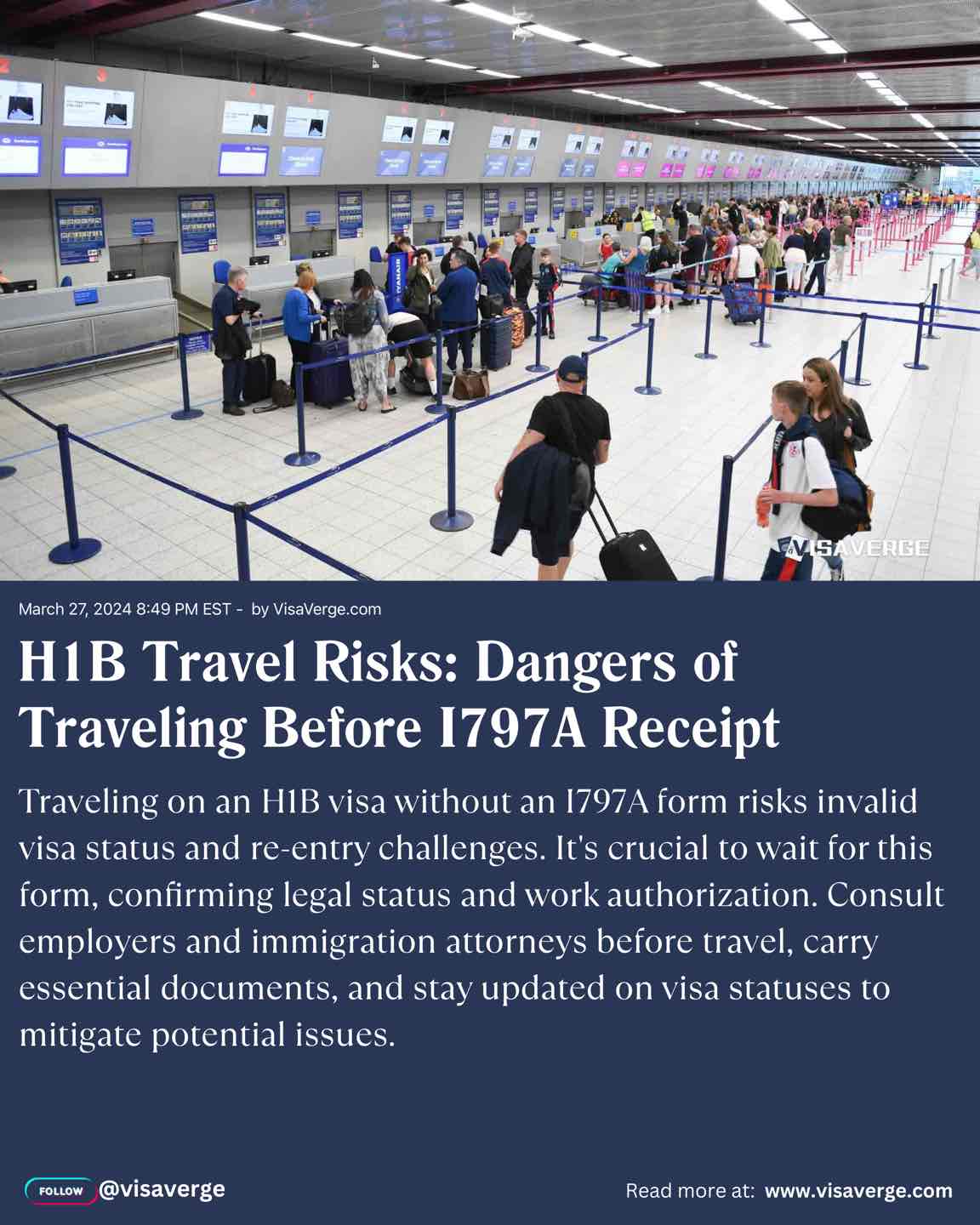
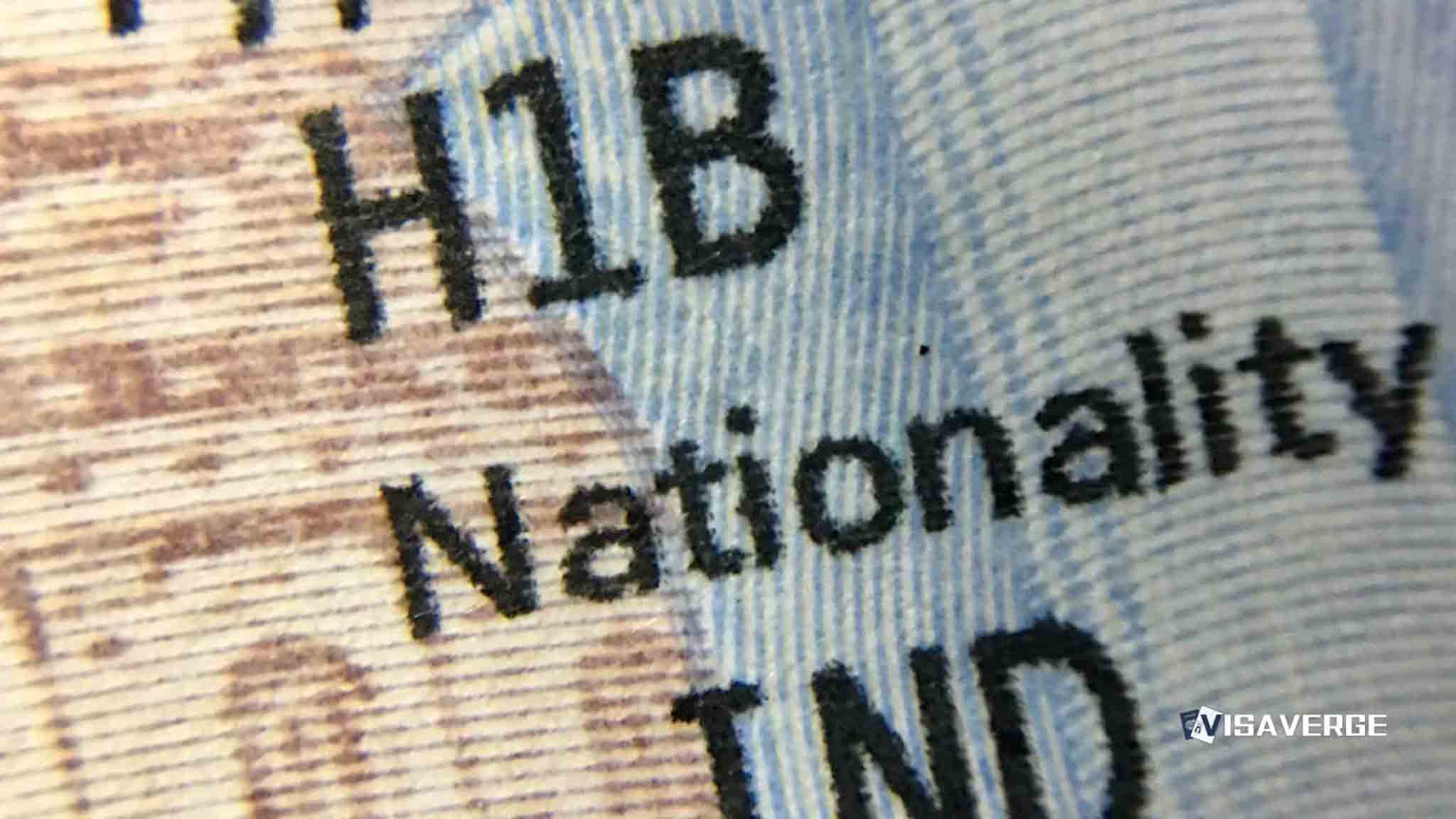
Traveling on your H1B visa can feel akin to navigating a thick forest without a clear path. It’s a daunting proposition, filled with potential pitfalls and uncertainties. Especially critical is the scenario where you’re contemplating traveling before receiving your I797A form. Let’s delve deep into this situation to uncover the risks, consequences, and best practices surrounding H1B travel decisions.
What is the I797A Form?
Before diving into the complexities of travel on an H1B visa, understanding what the I797A form represents is paramount. Simply put, the I797A form is a notice of action issued by the United States Citizenship and Immigration Services (USCIS) to communicate the approval of a change or extension of nonimmigrant visa status, which includes the H1B visa. The bottom part of this form is often accompanied by an I-94 form, an essential document that indicates the duration of authorized stay in the U.S.
Free toolH-1B Cost Calculator OnlineEvaluating the Risks: Is It Advisable to Travel without the I797A?
Embarking on international travel without having your I797A in hand can significantly complicate your re-entry into the United States. The primary risk involves the potential inability to prove your legal status and authorized period of stay upon your return. Without this crucial document, border protection officers have no tangible proof of your visa status extension or change approval, potentially leading to denied entry.
Primary Concerns and Risks Entail:
- Invalidation of Visa: Traveling without the I797A might imply that your current visa status could be considered invalid. This is particularly true if your H1B visa stamp in your passport has expired or will expire while you are outside the U.S.
- Re-entry Challenges: Upon attempting to re-enter the U.S., you might face considerable challenges at the port of entry, including the possibility of being detained, interrogated, or returned to your home country until proper documentation is presented.
- Employment Disruptions: An extended absence from work due to re-entry issues can lead to disruptions or complications with your U.S-based employment. Employers generally expect a smooth continuation of work authorization for their H1B employees.
What Should You Do?
- Acquire Documentation Before Travel: Ideally, you should wait until you receive your I797A notice before making any international travel plans. This document is your safety net, confirming your legal status and authorization to work and reside in the U.S.
-
Consult Your Employer and Immigration Attorney: Before making any travel decisions, it’s prudent to consult with your employer and possibly an immigration attorney. They can offer tailored advice based on the specifics of your situation and help mitigate potential risks.
-
Emergency Travel Considerations: If you absolutely must travel before receiving your I797A due to an emergency, ensure you communicate your situation with your employer and consult with an immigration attorney to assess potential risks and strategies for mitigating them.
Tips for Safe H1B Travel:
For those contemplating or necessitating travel, following these guidelines can help minimize risks:
- Carry Copies of Petitions: Have copies of your H1B petition and other relevant documentation, illustrating your employment and legal status in the U.S.
- Stay Informed: Continuously monitor the status of your visa application or extension through official USCIS channels. For authoritative information and updates regarding H1B visa processing and status, refer to the official USCIS website.
- Prepare for Re-entry: Assemble a folder containing all necessary documents, including your employment letter, past pay stubs, and a copy of your I797A once received, to smoothen the re-entry process.
Conclusion
In the labyrinth of immigration policies and paperwork, it’s easy to find oneself at a crossroads, especially when weighing the decision to travel before obtaining the I797A receipt. The key takeaway is that while there are circumstances under which travel cannot be avoided, understanding the potential H1B travel risks involved and taking preparatory steps can considerably mitigate these risks.
Navigating your way through the U.S. immigration process is no small feat. It’s fraught with waiting periods, documentation, and legalities that can easily overwhelm. However, armed with the right information, such as the significance of the I797A receipt in the context of H1B visa status, you can make informed decisions that protect your status, livelihood, and peace of mind.
Remember, when in doubt, seek professional counsel. Immigration policies and procedures are subject to change, and what may be a risk-free decision today could carry implications tomorrow. Your career, status, and future in the U.S. deserve the utmost caution and care.
This Article In A Nutshell:
Traveling on an H1B visa without your I797A form is risky. Lack of proof can lead to visa invalidation, re-entry problems, and work disruptions. Always wait for your I797A, consult an attorney, and keep documents handy. Minimize risks with preparedness for safe H1B travel and company communication. Prioritize legal and job security.
— By VisaVerge.com
Read More:
- Step-by-Step Guide on How to Check Your H-1B Lottery Results
- H-1B Visa 2025: Understanding the New USCIS Application Rules to Avoid Rejection
- Why H-1B Lottery Application Decline is Expected After New Rules