How Long to Achieve Permanent Residence in Canada by 2024?
Navigating the journey to becoming a permanent resident (PR) in Canada is a path many foreign nationals dream of embarking on. With Canada’s welcoming stance towards immigrants, understanding the fastest pathway to PR and the diverse Canada immigration classes is pivotal for those wishing to start a new chapter of their lives in this vibrant country.
What Are the Main Immigration Classes?
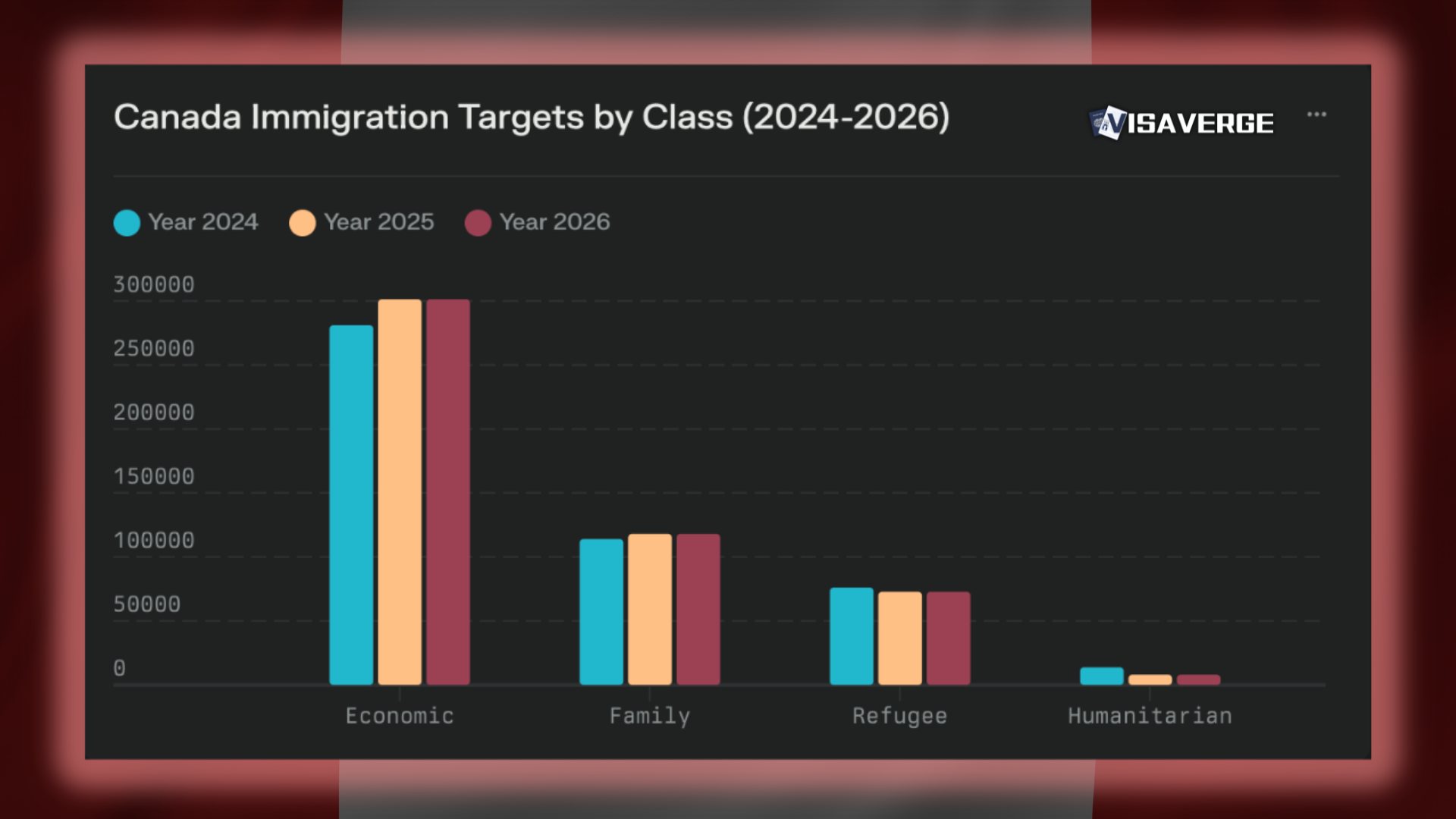
Canada categorizes its immigration programs into four main classes: economic immigration, family-class sponsorship, humanitarian/compassionate immigration, and refugee/protected persons. Within these broad categories, Immigration, Refugees and Citizenship Canada (IRCC) offers over 100 pathways for immigration. But the big question for most is: how quickly can one achieve permanent residence?
Free toolCanada Express Entry Points CalculatorUnderstanding Service Standards
IRCC lays out service standards for the processing of applications, offering applicants a clearer picture of the expected timelines for their PR journey. These standards represent the deemed reasonable time IRCC takes to make a final decision on an application, typically measured in weeks or months. However, it’s crucial to note:
“Service standards apply only to applications with complete information and supporting documents, and IRCC aims to process 80% of applications within these standards.”
This makes it essential for applicants to ensure their applications are complete to avoid delays.
How Quick is the Economic-Class Immigration Route?
Economic-class immigration is a popular route for many aspiring permanent residents. Here’s a breakdown of the processing times under this category:
- Express Entry: Federal Skilled Worker Program: 180 days
- Express Entry: Canadian Experience Class: 180 days
- Express Entry: Federal Skilled Trades Program: 180 days
- Provincial Nominee Programs: 11 months for paper applications and 180 days for electronic applications via Express Entry
- Quebec-Selected Skilled Worker Program: 11 months*
What About Family-Class Sponsorship?
For those sponsoring or being sponsored by family members already in Canada, the service standard is set at 12 months for electronic applications. This can be an attractive option for maintaining family unity while immigrating.
The Role of Permanent Resident Cards
An applicant’s PR status in Canada is verified through a Permanent Resident Card which also serves as a travel document. For those applying for an initial PR card, the service standard is 60 days from when IRCC confirms the completion of a PR form.
IRCC’s Performance Against Service Standards
The actual performance of IRCC against these service standards in the fiscal year between April 1, 2022, and March 31, 2023, offers insights into the efficiency of processing. Here’s how they fared:
- Express Entry – Federal Skilled Worker Program: 80%
- Express Entry – Canadian Experience Class: 85%
- Express Entry – Federal Skilled Trades Program: No applications received
- Provincial Nominee Programs: 23% for paper applications and 70% for electronic applications
- Quebec-Selected Skilled Worker Program: 48%
- Family-class sponsorship: 66%
- Initial Permanent Resident Cards: 73%
This data indicates that while the majority of Express Entry applications are processed within the service standards, other pathways, notably the Provincial Nominee Programs and the Quebec-Selected Skilled Worker Program, have lower success rates.
Taking the Next Steps Toward Canadian Immigration
For those navigating the complexities of Canadian immigration, understanding these processes and timelines is crucial. Whether you’re exploring the economic-class immigration route, family-class sponsorship, or any other pathway, preparation and complete documentation are key to a successful application.
For more detailed information on the application process and requirements for permanent residence in Canada, visiting the official IRCC website is highly recommended. This resource can offer authoritative guidance and additional support for your journey toward becoming a permanent resident in Canada by 2024.
This Article In A Nutshell:
Navigating Canada’s path to permanent residence involves understanding immigration classes, processing times, and service standards set by IRCC. Express Entry programs take around 180 days; family sponsorship around 12 months. PR cards signify status, with a 60-day standard for issuance. Knowing IRCC’s performance against standards aids applicants. Preparation is key!
Read More:
- Bilateral Tensions Impact India-Canada Immigration Figures
- Canada’s Immigration Policy Strives for Balance Amidst Booming Growth
- Why Indian Students Are Rethinking Studying in Canada: Housing and Diplomacy Issues
- Canada Implements New Visa Requirement for Mexican Asylum Seekers, Replacing ETA
- López Obrador Critiques Canada’s Asylum Policies and Visa Requirements for Mexicans