- Passengers cannot drink their own alcohol onboard UK flights, including duty-free purchases.
- The Air Navigation Order 2025 allows crew to arrest or restrain intoxicated passengers.
- Alcohol effects increase by 20-30% at altitude due to cabin pressure and dehydration.
(UK) UK passengers can carry alcohol on flights, but they cannot drink their own alcohol onboard, and crew can stop service the moment someone looks intoxicated. The Air Navigation Order 2025 gives airlines and cabin crew broad powers to protect safety, including removal, restraint, diversion, arrest, and prosecution.
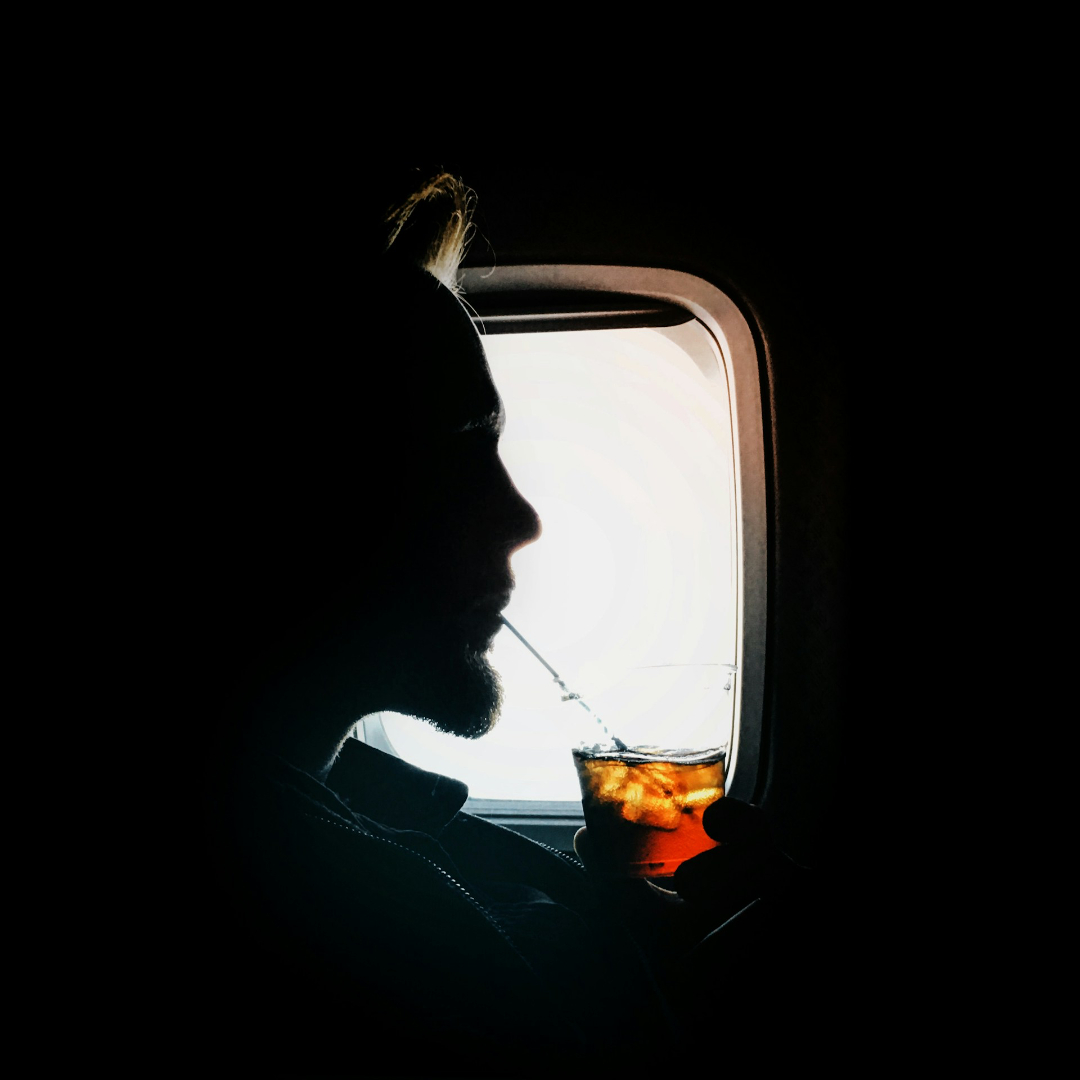
These rules matter for holidaymakers, business travellers, and families returning through UK airports. They also matter for immigration and border control, because disorderly conduct on a flight can follow a passenger beyond the cabin. VisaVerge.com reports that airlines and regulators are treating alcohol-related disruption with far less tolerance than before.
The legal rule that controls every flight
The key rule sits in Article 92 of the Air Navigation Order 2025. It says no person may enter an aircraft drunk, and no person may be drunk in an aircraft. It also covers intoxication by drugs. The law does not set a blood alcohol limit. Crew decide by observing behaviour, speech, smell, and movement.
That standard applies to UK-registered aircraft worldwide and to foreign carriers in UK airspace. The Civil Aviation Authority supports airline training and enforcement, while airports and carriers have tightened checks. Since April 2024, airlines such as Ryanair and easyJet have backed a zero-tolerance campaign that cut incidents by 30% by Q1 2026.
Passengers should board sober. One drink on the ground can hit much harder once the cabin door closes. At cabin pressure levels found in aircraft, alcohol feels stronger because the body is already under stress.
Boarding with alcohol: what you can carry, and what stays sealed
Alcohol rules depend on where the bottle came from. Duty-free purchases and alcohol bought after security can travel in hand baggage if they stay in a STEB, or Secure Tamper-Evident Bag. The receipt must stay inside, and the seal should remain closed until arrival.
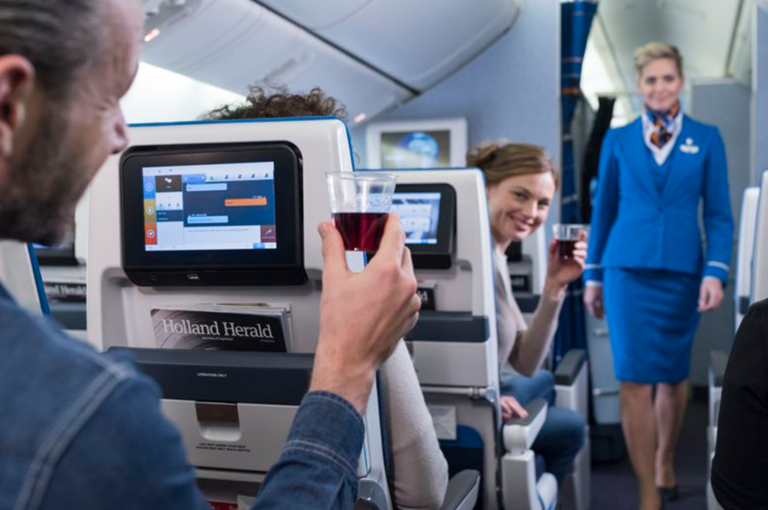
Airlines do not let passengers open that alcohol and drink it onboard. British Airways, Ryanair, easyJet, and Virgin Atlantic all reserve onboard consumption for crew-served drinks only.
Alcohol bought before security, or brought from home, follows liquid rules. Containers must be 100ml or less and fit inside a 1-litre clear bag. Spirits above 70% ABV are banned in hand luggage. Bottles between 24% and 70% ABV are allowed only in small quantities.
Checked baggage is different. Alcohol up to 70% ABV can go in the hold if it is packed safely. Anything stronger is not allowed. That makes packing important for people connecting through the UK, especially those carrying gifts or duty-free shopping from another country.
What crew can do when someone seems too drunk
Cabin crew have unlimited discretion to stop serving alcohol. They do not need to wait for a fixed number of drinks. A passenger who slurs, sways, becomes aggressive, or smells strongly of alcohol can be cut off immediately.
That power exists for safety, revenue control, and allergy control. It also helps crew spot trouble early. Ryanair says its staff must stop service at the first signs of intoxication and report the issue to the captain. British Airways trains crew to de-escalate tense situations before they turn into a wider disturbance.
The numbers show why airlines act quickly. The Civil Aviation Authority reported that 70% of incidents involved drinking before boarding, and crew intervention prevented 40% of those cases from escalating.
Why alcohol hits harder in the sky
Flying changes how the body handles alcohol. The cabin sits at a pressure similar to 6,000 to 8,000 feet, and the air is very dry, often only 10% to 20% humidity. That combination increases dehydration and makes alcohol feel stronger.
Studies cited in the aviation briefing say effects can rise by 20% to 30%. The same flight can leave passengers more tired, more thirsty, and less alert than they expected. A 2024 Hamburg study of 48 participants found that two beers at altitude cut deep sleep by 50% and pushed oxygen saturation to 85%.
That matters for travellers with anxiety, heart conditions, medication, or a long connection ahead. Aviation guidance says one drink in the air can feel like two on the ground. Hydration helps. So does restraint.
Penalties for disorderly behaviour are now severe
The consequences of drinking too much on a plane are not limited to embarrassment. Passengers who become drunk or disruptive face fixed penalties of £500 to £2,500, court costs, arrest, and possible prison terms of up to 2 years under aviation law amendments.
Airlines also issue bans. easyJet banned 150 passengers in 2025. Diversions are even more costly. One alcohol-linked Wizz Air incident in Athens led to a £15,000 fine and a diversion, while diversions can cost airlines £50,000 or more.
The scale of the problem has grown. In 2025, there were 1,547 “drunk and disorderly” cases, up 37% from 2024. By April 2026, prosecutions were running 25% higher year on year.
Airline rules differ, but the trend is the same
Carriers apply their own sales rules within the law. British Airways offers complimentary alcohol on some long-haul premium services, while economy passengers usually buy drinks. Its onboard limit is 2 drinks per hour. Ryanair keeps alcohol sales pay-only and uses a strict no-tolerance approach. easyJet also limits service at crew discretion.
Some airlines and routes ban alcohol entirely. Turkish Airlines and several Middle East services follow local rules from the country of origin. That means passengers should not assume a drink menu will exist just because they booked an international flight.
The UK also tightened airport controls before boarding. Since March 2023, some airports have imposed a two-drink limit per person from 90 minutes before departure, backed by signs and staff checks. Heathrow and Gatwick are among the airports using that approach.
Border checks, customs limits, and immigration consequences
Alcohol problems do not end at the aircraft door. UK customs rules still apply on arrival. Travellers must declare alcohol above personal allowance limits, including more than 1 litre of spirits or 2 litres of wine. Excess can lead to seizure and fines starting at £250.
Immigration and border systems are also becoming more connected to conduct history. Under the 2026 digital ETA rollout, airlines verify passenger details more closely, and disruption can feed into future screening. Dual nationals need to travel on their UK passport when required.
For official guidance, the UK government’s rules on bringing alcohol into the country explain customs allowances and declarations. That page sits alongside airport and airline rules, which control what happens in the cabin itself.
What travellers are expected to do now
Passengers who want a quiet flight should keep drinking modest before boarding and avoid mixing alcohol with medication, sleep aids, or anxiety tablets. Water helps. So does food. Many travellers now choose non-alcoholic beers, which can contain up to 0.5% ABV.
Airlines and the CAA are also pushing education. A new CAA app launched in January 2026 gives booking warnings, and “drunk patrols” now operate at 10 hubs. The goal is a 50% drop in incidents by 2027.
For passengers, the message is simple. Buy duty-free if you want to carry it, leave the bottle sealed, and let crew serve any drink you plan to have onboard. Respect the rules, and the flight stays calm for everyone under the same cabin pressure.