Understanding USCIS Employment Verification for I-485 Applicants
Navigating the complexities of United States immigration procedures can be a daunting task. One of the key steps for those seeking to adjust their status to that of a permanent resident is the I-485 application. The U.S. Citizenship and Immigration Services (USCIS) requires thorough vetting of applicants, and this includes a meticulous employment history check. Here’s how they conduct this crucial part of the process.
Breaking Down the I-485 Application Process
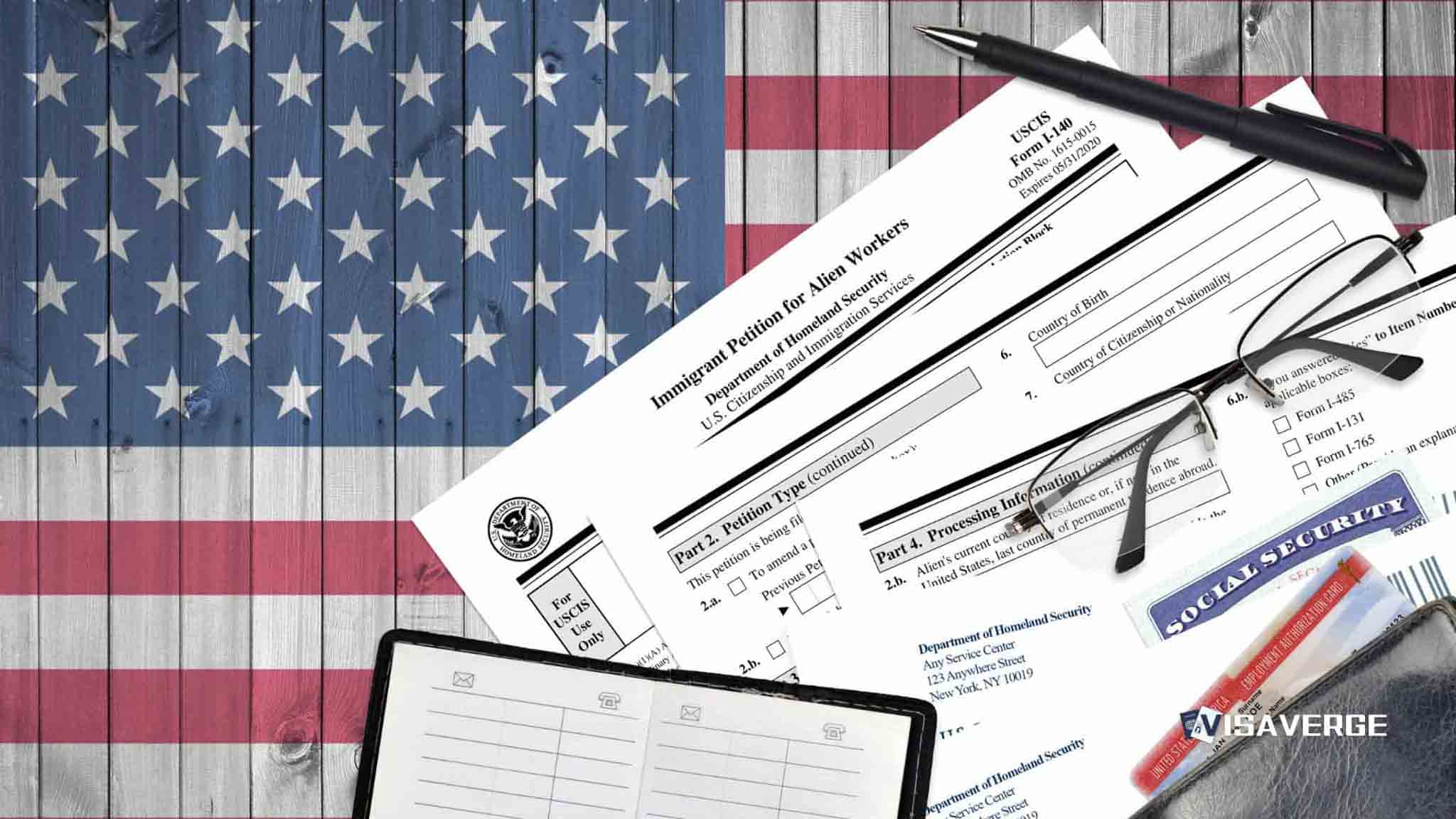
The I-485, or “Application to Register Permanent Residence or Adjust Status,” is a form that’s filed by individuals already in the U.S. who wish to become permanent residents without returning to their home country for a visa. Among various requirements, applicants must provide detailed information on their employment history. But how does USCIS verify this information?
Free toolCSPA Age-Out Calculator OnlineThe Role of Form I-485 in Employment History Verification
When an applicant submits their I-485 application, they must include a list of previous jobs. The form asks for specific details such as names of employers, dates of employment, job titles, and duties. To ensure authenticity, USCIS has several methods for conducting an employment history check.
Document Submissions by Applicants
| India | China | ROW | |
|---|---|---|---|
| EB-1 | Feb 01, 2023 ▲109d | Jul 01, 2023 | Current |
| EB-2 | Nov 01, 2013 | Oct 01, 2021 ▲30d | Jan 01, 2025 |
| EB-3 | Jan 01, 2014 | Jan 08, 2022 ▲7d | May 15, 2024 ▼109d |
| F-1 | Jan 22, 2020 | Jan 22, 2020 | Jan 22, 2020 |
| F-2A | Sep 22, 2026 ▲31d | Sep 22, 2026 ▲31d | Sep 22, 2026 ▲31d |
Generally, the first step in the verification process comes from the applicants themselves, who must submit:
- Employment letters
- Pay stubs
- W-2 forms
These documents can work as initial evidence of employment.
Cross-Reference with Other Government Agencies
USCIS collaborates with other federal agencies, such as the Social Security Administration (SSA), Internal Revenue Service (IRS), and others to cross-check an applicant’s employment history. Such checks can highlight discrepancies between an applicant’s reported history and records held by these agencies.
E-Verify – USCIS Employment Verification
For employers who participate in the E-Verify program, USCIS has access to electronic records confirming whether employees are authorized to work in the U.S. These records also provide a reliable employment history for USCIS to review.
Learn more about E-Verify here.
Importance of Accuracy in Reporting Employment History
“It’s important for I-485 applicants to ensure that the information they provide is complete, honest, and accurate,” immigration experts often say. Any discrepancy or misrepresentation found in an employment history check can lead to significant delays or even denial of the application.
Responding to Requests for Evidence (RFE) or Notice of Intent to Deny (NOID)
If USCIS detects discrepancies or needs further evidence, they may issue a Request for Evidence (RFE) or a Notice of Intent to Deny (NOID). In such cases, applicants have the opportunity to clarify their employment history, typically by providing additional documents or explanations.
Tips for a Smooth Employment History Check
Here are suggestions to assist I-485 applicants in avoiding issues with their employment history verification:
- Keep personal records of all employment documents.
- Request letters of employment from previous employers proactively.
- Be exact with dates and job duties in your application.
- Align your resume or CV with the information submitted in your I-485.
Conclusion
The USCIS employment verification is a vital part of the I-485 application process, designed to maintain the integrity of the immigration system. By understanding how USCIS verifies employment history and taking proactive steps to ensure accuracy, applicants can navigate this aspect of their application with greater ease.
For further information and guidelines on the I-485 application, refer to the official USCIS website.
Overall, preparation is key to a successful employment history check and, consequently, to a successful adjustment of status application.
So there you have it, folks! The USCIS employment verification process may seem like a mountain to climb, but fear not! By staying organized, keeping accurate records, and being honest, you’ll breeze through it like a pro. And remember, if you want more insider tips and tricks on all things immigration, head on over to visaverge.com. Happy navigating!
FAQ’s to know:
FAQ 1: How does USCIS verify employment history for I-485 applicants?
Answer: USCIS verifies employment history by utilizing multiple methods. First, applicants must submit employment letters, pay stubs, and W-2 forms as evidence. USCIS also cross-references the provided information with other government agencies like the Social Security Administration and the Internal Revenue Service. Additionally, USCIS has access to electronic records through the E-Verify program, which confirms an employee’s work authorization and provides reliable employment history.
FAQ 2: Why is accuracy in reporting employment history important for I-485 applicants?
Answer: Accuracy in reporting employment history is crucial for I-485 applicants. Any discrepancies or misrepresentations found during the employment history check can lead to significant delays or even denial of the application. It is essential for applicants to ensure that the information they provide is complete, honest, and accurate to maintain the integrity of the immigration system.
FAQ 3: What should I-485 applicants do to avoid issues with their employment history verification?
Answer: To avoid issues with employment history verification, I-485 applicants should follow these tips:
- Keep personal records of all employment documents.
- Proactively request letters of employment from previous employers.
- Be precise with dates and job duties in the application.
- Ensure alignment between the information submitted in the I-485 and your resume or CV.
By taking these proactive measures, applicants can navigate the employment history verification process smoothly and increase the chances of a successful adjustment of status application.
What did you learn? Answer below to know:
- True or False: The I-485 application requires applicants to provide detailed information about their employment history.
- What are some documents that applicants can submit as initial evidence of employment?
a) Birth certificate and passport photocopies
b) Reference letters from friends and family
c) Employment letters, pay stubs, and W-2 forms
d) Travel itineraries and hotel reservations
- Which government agency does USCIS collaborate with to cross-check an applicant’s employment history?
a) Environmental Protection Agency (EPA)
b) Federal Bureau of Investigation (FBI)
c) Social Security Administration (SSA)
d) Federal Aviation Administration (FAA)