- USCIS officers now evaluate the totality of the circumstances to verify bona fide marriages during 2026 reviews.
- Processing times for I-130 petitions currently average 14.5 months for U.S. citizens seeking spousal benefits.
- Applicants must provide joint financial and housing records to avoid delays and intensive Stokes interviews.
A bona fide marriage is the center of every spousal immigration case in 2026. USCIS and consular officers are looking for a real shared life, not a paper marriage arranged for immigration benefits. That review now relies heavily on the totality of the circumstances, which means officers weigh the full record together, not one form or one photo.

That matters most for spouses filing Form I-130, Form I-485, or pursuing consular processing abroad. VisaVerge.com reports that stronger, better organized filings are drawing fewer Requests for Evidence, while thin packets face more scrutiny and longer delays.
The 2026 review standard for spouse cases
USCIS and consular officers are looking at the relationship from several angles at once. They want to see shared finances, shared housing, social proof, and a believable history. A marriage can be legal and still fail if the record does not show a real life together.
Free toolCSPA Age-Out Calculator OnlineThe August 2025 policy update also raised the importance of affirmative good moral character evidence. That means applicants now benefit from showing community ties, volunteer work, affidavits, and other proof of responsible conduct. A clean record helps, but officers now expect positive evidence too.
Backlogs make that filing strategy even more important. USCIS processing times now place many I-130 petitions for U.S. citizens at 14.5 months and family-based I-485 cases at 10.9 months. Spouses of U.S. citizens can still file concurrently inside the United States. That often includes I-130, I-485, Form I-765, and Form I-131. Many couples now see total timelines of 10 to 14 months when the case is filed well and moves smoothly.
Spouses of green card holders face a different path. The F2A category often runs 12 to 35 months for I-130 approval, plus visa bulletin waits. After approval, consular cases move to the National Visa Center and then to an interview abroad.
How officers read the evidence
The strongest files tell one clear story. Officers want proof that the couple has combined lives in real, practical ways. The most persuasive documents are the ones that are hard to fake and easy to verify.
Strongest evidence
- Joint mortgages, deeds, or property titles
- Shared leases or rental contracts
- Joint bank and credit card statements showing regular use
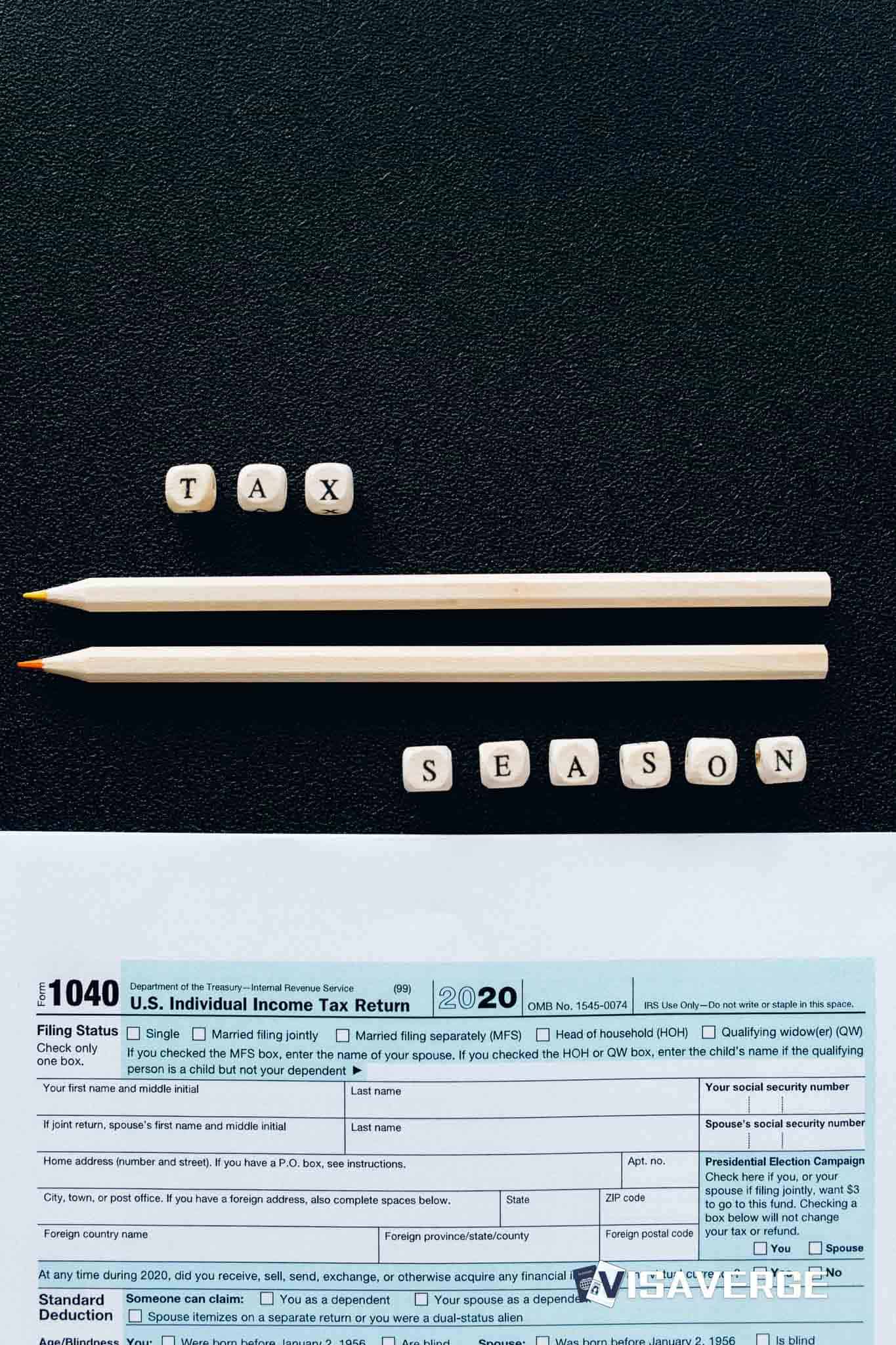
- Joint tax returns filed as married filing jointly, with transcripts
- Insurance records naming the spouse as beneficiary or co-insured
- Employment records showing marital status or emergency contact updates
Helpful supporting evidence
- Utility bills in both names
- Mail sent to the same address
- Joint travel records
- Birth or adoption records naming both parents
- 3 to 5 notarized affidavits from friends, family, or community members
Weaker evidence, but still useful
- Photos from weddings, holidays, and ordinary life
- Texts, emails, and chat records
- Joint letters describing the relationship history
- Religious or cultural ceremony programs
Quantity matters less than pattern. A stack of recent photos will not carry a case without financial and household proof. A short set of documents from the first months of marriage also looks thin if there is no later history.
Filing package choices for 2026 applicants
For U.S. citizen spouses, concurrent filing usually means a stronger and faster start. The package often includes the marriage certificate, proof of any prior divorce, bona fide marriage evidence, the beneficiary’s biographic form Form I-130A, and adjustment documents.
For adjustment of status, USCIS also wants proof of lawful entry or parole, a medical exam on Form I-693, and an affidavit of support on Form I-864. Work and travel benefits come through I-765 and I-131, which often move faster than the green card itself.
Consular cases work differently, but the evidentiary burden stays strong. After NVC processing, the applicant submits the DS-260 and brings the same marriage evidence to the interview. A well-built packet helps the officer see the relationship before the first question is asked.
Red flags that officers notice fast
Certain patterns push cases into deeper review. Large age gaps, quick marriages, separate homes, and separate finances all attract attention. None of those facts automatically mean fraud. They do mean the couple must explain the reasons clearly and document them well.
Short relationships are another risk point. Officers want to see that the couple shared plans, finances, and daily life from the start. Prior immigration violations also raise the stakes and can require a waiver.
Interview problems usually come from small inconsistencies. Officers notice different answers about meals, routines, birthdays, or where the couple keeps important papers. A Stokes interview is more intense. The spouses are separated and questioned in detail. Strong preparation matters there.
A practical timeline from filing to interview
Most I-485 marriage cases now reach interview roughly 8 to 14 months after filing. Consular cases often take around 13 months after the I-130 stage, plus NVC work and embassy scheduling.
During the first stage, USCIS reviews the filing and may issue biometrics notices or an RFE. The second stage often includes work and travel authorization for adjustment applicants. The final stage is the interview, where the officer compares the written file with the couple’s answers.
That is where affirmative good moral character evidence can help. Volunteer letters, community references, and proof of stable conduct strengthen the overall picture. They do not replace marriage evidence. They add credibility.
Current timing and form points applicants are watching
- I-130 for U.S. citizen sponsors: 14.5 months
- I-130 for green card holders: 12 to 35 months
- I-485 family-based adjustment: 10.9 months
- I-751 remove conditions: 21.4 months
- I-129F fiancé visa: 8 to 11 months
Premium processing is not available for family forms. Marriage cases still depend on careful filing, consistent records, and honest answers. Same-sex marriages remain fully recognized under U.S. immigration law.
Official guidance and the standard USCIS uses
USCIS explains marriage-based filings on its family immigration pages, including the basic rules for spouses of U.S. citizens and permanent residents. The agency also publishes the main forms used in these cases, including I-130, I-485, I-765, I-131, I-693, and I-864. These are the core documents that shape the case record.
The process still turns on one central question: does the evidence show a bona fide marriage under the totality of the circumstances? If the answer is clear, the case is easier to approve. If the record is thin, the officer will press harder, and the wait grows longer.