January 4, 2026
- Updated article title to emphasize the 90-day filing window and ‘Green Card’ wording
- Added explicit processing time range for early 2026: 12–33 months (waivers can take 4+ years)
- Clarified and repeated USCIS rule: filings submitted before the 90-day window are rejected
- Expanded step-by-step timeline with concrete milestone estimates (receipt 2–6 weeks, biometrics 4–12 weeks)
- Reinforced documentation guidance to organize evidence month-by-month and treat the file as a ‘living’ packet
Filing Form I-751 on time is what keeps your lawful status safe after you get a two-year conditional green card through marriage. A timely filing also gives you an automatic 48-month extension, which protects your ability to work and travel while USCIS finishes the case.
For most families, the process is less about filling out a form and more about proving, in an organized way, that the marriage has been real and ongoing since the day conditional residence started. VisaVerge.com reports that USCIS has been asking for more “month-by-month” proof, and that paperwork quality often decides whether a case moves smoothly or turns into a long delay.
The rule that matters most: the 90-day filing window
USCIS only accepts Form I-751 during the 90 days before your two-year card expires. If you file earlier, USCIS rejects it. If you file late, USCIS can still accept it, but you must show “good cause” for missing the deadline, such as a documented illness or disaster.
Start planning early. A practical timeline that fits most couples is:
- 6 months before expiration: start gathering records and filling gaps.
- 120 days before expiration: draft the form and sort evidence by month.
- 90 days before expiration: file as soon as the window opens.
The official form page is USCIS Form I-751, Petition to Remove Conditions on Residence. Download the current edition there, not from old files or third-party sites.
Important: USCIS will reject filings submitted before the 90-day window. Do not rely on early submission.
What a timely filing gives you: the 48-month extension
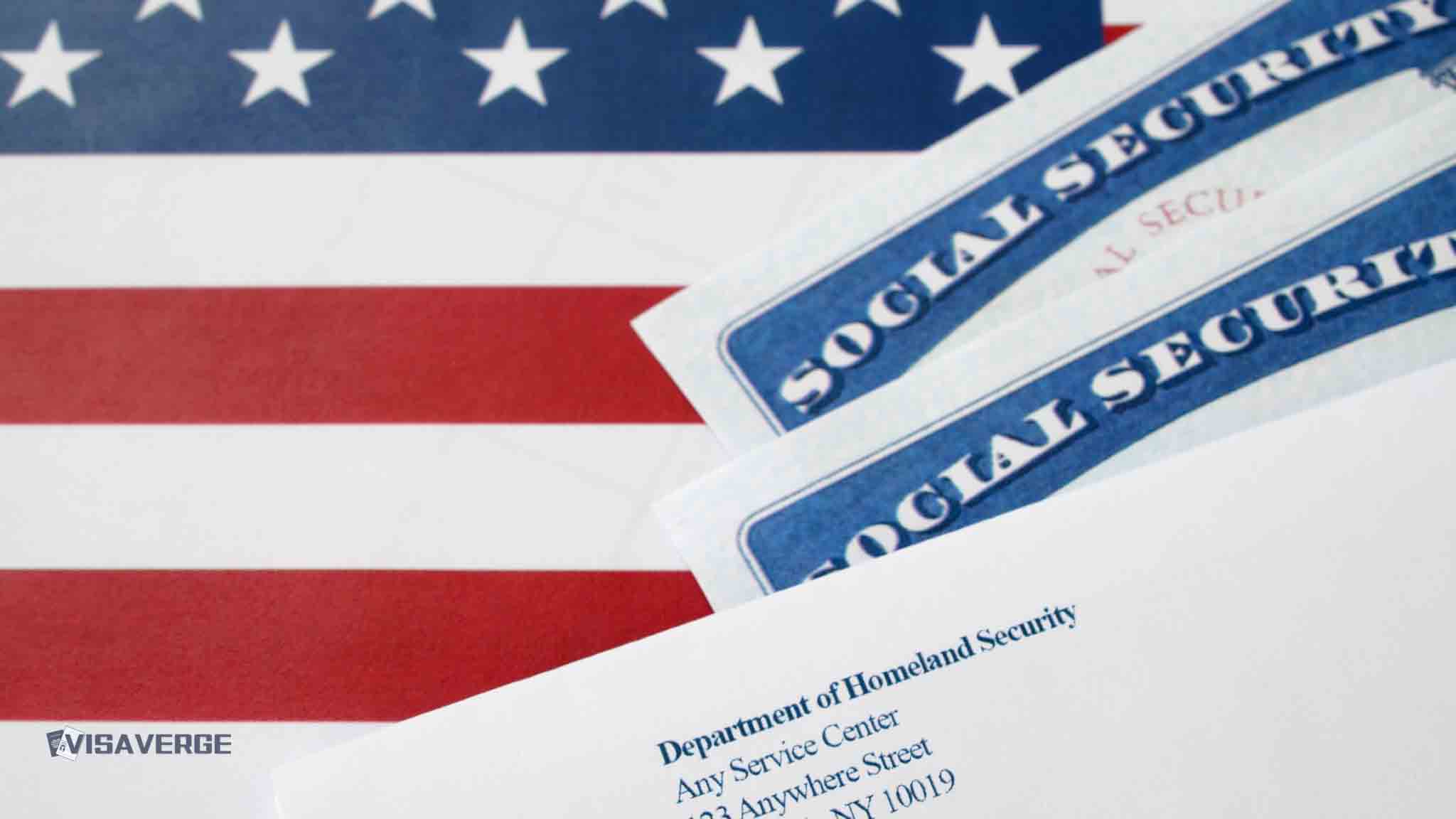
When USCIS accepts your I-751, it sends a receipt notice on Form I-797. That receipt provides an automatic 48-month extension of your expired card’s validity for work and travel purposes, as long as you filed on time.
In daily life, that receipt is your bridge document. You typically show:
- your expired conditional green card, and
- the I-797 receipt showing the 48-month extension.
Employers can use that combination for Form I-9 re-verification. Many DMVs accept it too, although local practice varies and some offices ask for extra time or supervisor review.
Processing times in early 2026: plan for a long wait
As of early 2026, typical I-751 processing often falls in a wide band: 12–33 months, depending on the USCIS office handling the file and whether the filing is joint or a waiver case.
- Joint filings commonly finish faster than waivers.
- Waiver cases (especially divorce-related) can take 4+ years in harder situations.
USCIS posts public time ranges on its official processing times tool. Check it regularly, but treat it as a range, not a promise.
Long waits change how you should prepare. You are not just filing for approval — you are also building a living file you can keep adding to until an interview or an evidence request arrives.
Step-by-step path from filing to decision (with realistic timeframes)
Step 1: Build a marriage timeline packet (about 4–8 weeks)
USCIS wants to see a shared life. The best evidence usually comes from joint financial and legal ties, not photos alone. Organize evidence by month and year, and add a cover sheet that lists what each section shows.
Strong categories include:
- Taxes: IRS tax transcripts for every year after conditional residence began.
- Banking and bills: joint statements, shared credit cards, utilities, insurance.
- Housing: leases, mortgage records, property tax documents, landlord letters.
- Children: birth certificates and school or medical records listing both parents.
- Travel and daily life: tickets, itineraries, and a small set of captioned photos.
- Affidavits: 2–4 detailed statements from friends or relatives who know you as a couple.
If you lived apart for work, address it directly. Provide proof of visits, transfers, and plans, and show that the separation had a clear reason.
Step 2: Complete Form I-751 carefully (about 1–2 weeks)
Use the newest edition from USCIS and answer every question. Signatures must match the filing type.
- Joint filing: both spouses sign the petition.
- Waiver filing: only the conditional resident signs, and the correct waiver box must be checked.
Be truthful about arrests or charges. Disclose them and include certified records when required, because omissions often cause delays or denials.
If you also need a financial sponsor update for other reasons, follow the instructions USCIS gives for your situation. When Form I-864 is needed in an immigration process, the official page is USCIS Form I-864, Affidavit of Support.
Step 3: Submit and track the case (same day, then ongoing)
Mail the petition using tracking and keep a full copy of everything you send. If you later move, update your address fast. The official change-of-address form is USCIS Form AR-11.
Typical milestones after filing:
- Receipt notice: often 2–6 weeks after USCIS receives the packet.
- Biometrics appointment: often 4–12 weeks after the receipt, if USCIS does not reuse prints.
- Main review period: commonly many months, with long quiet stretches.
Step 4: Handle RFEs, NOIDs, and interview notices (30–87 day response windows)
A Request for Evidence (RFE) or Notice of Intent to Deny (NOID) usually means USCIS thinks your proof is thin, inconsistent, or missing key pieces. Respond on time with a clean, labeled packet and a short cover letter.
Interviews are common in waiver cases and in files USCIS flags for closer review. Couples should bring originals and updated evidence since filing, including fresh statements, updated leases, and recent tax transcripts.
Expect direct questions about routines, finances, and family connections. Consistency matters more than perfect memory.
Step 5: Decision and the 10-year card (total time often 12–33+ months)
If approved, USCIS mails a 10-year green card. If denied, USCIS can place the conditional resident into removal proceedings, where an immigration judge reviews the case. Denials are where experienced legal advice often becomes essential.
When you cannot file jointly: waiver paths that USCIS recognizes
USCIS allows waivers when joint filing is not possible. Common bases include:
- Divorce or annulment: provide the final decree plus proof the marriage was real.
- Death of the petitioning spouse: provide the death certificate and relationship proof.
- Battery or extreme cruelty (VAWA-based): provide credible records, such as protective orders, counseling notes, and affidavits.
- Extreme hardship: show the hardship that removal would cause.
Waiver cases often take longer and face closer review, so organize evidence even more tightly, and keep proof that the relationship began in good faith.
Practical life planning during the extension period
The 48-month extension is designed to cover the backlog, but you still need to plan for real-world friction.
- Work: keep digital and paper copies of the receipt and your expired card.
- Travel: carry the same documents when returning to the United States ??, and avoid long trips if you expect an interview.
- Paper trail: keep saving joint records every month until you receive the decision.
Key takeaway: A timely filing, clear organization, and steady month-by-month proof are the actions that most often turn a conditional green card into permanent residence without unnecessary detours.
This guide outlines the process for removing conditions on U.S. residency using Form I-751. It emphasizes the strict 90-day filing window, the resulting 48-month extension for work and travel, and the necessity of providing month-by-month evidence of a shared life. With processing times reaching up to 33 months, the article provides a strategic timeline for gathering financial, legal, and personal documentation for a successful application.