Key Takeaways
• Form I-407 allows individuals to voluntarily surrender lawful permanent resident (LPR) status, updating USCIS records accordingly and relinquishing associated benefits.
• Key motivations for filing include avoiding worldwide U.S. tax obligations, addressing long-term living abroad, or aligning with personal and professional goals.
• As of March 2025, USCIS introduced an updated Form I-407 version dated September 25, 2024, for accurate documentation.
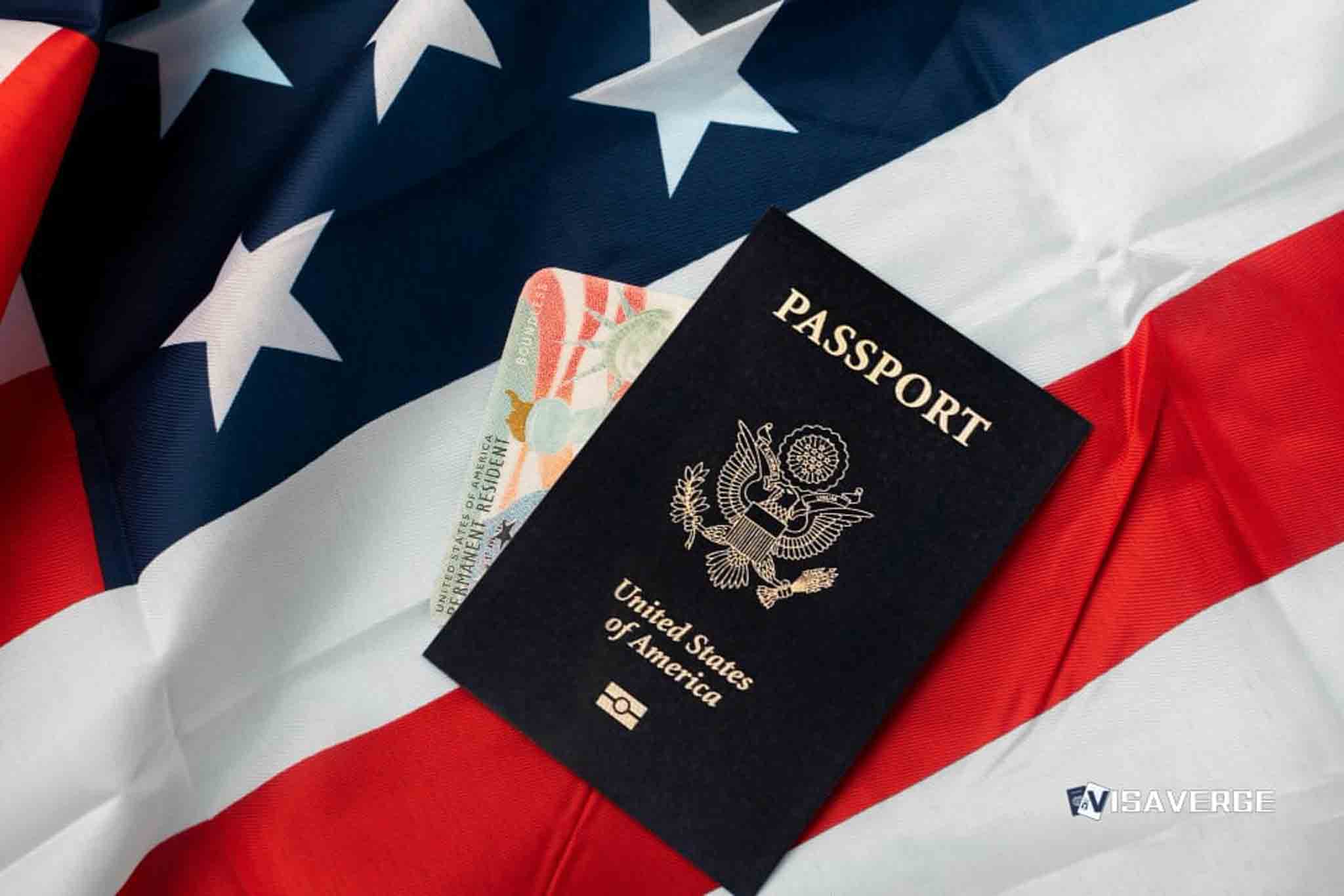
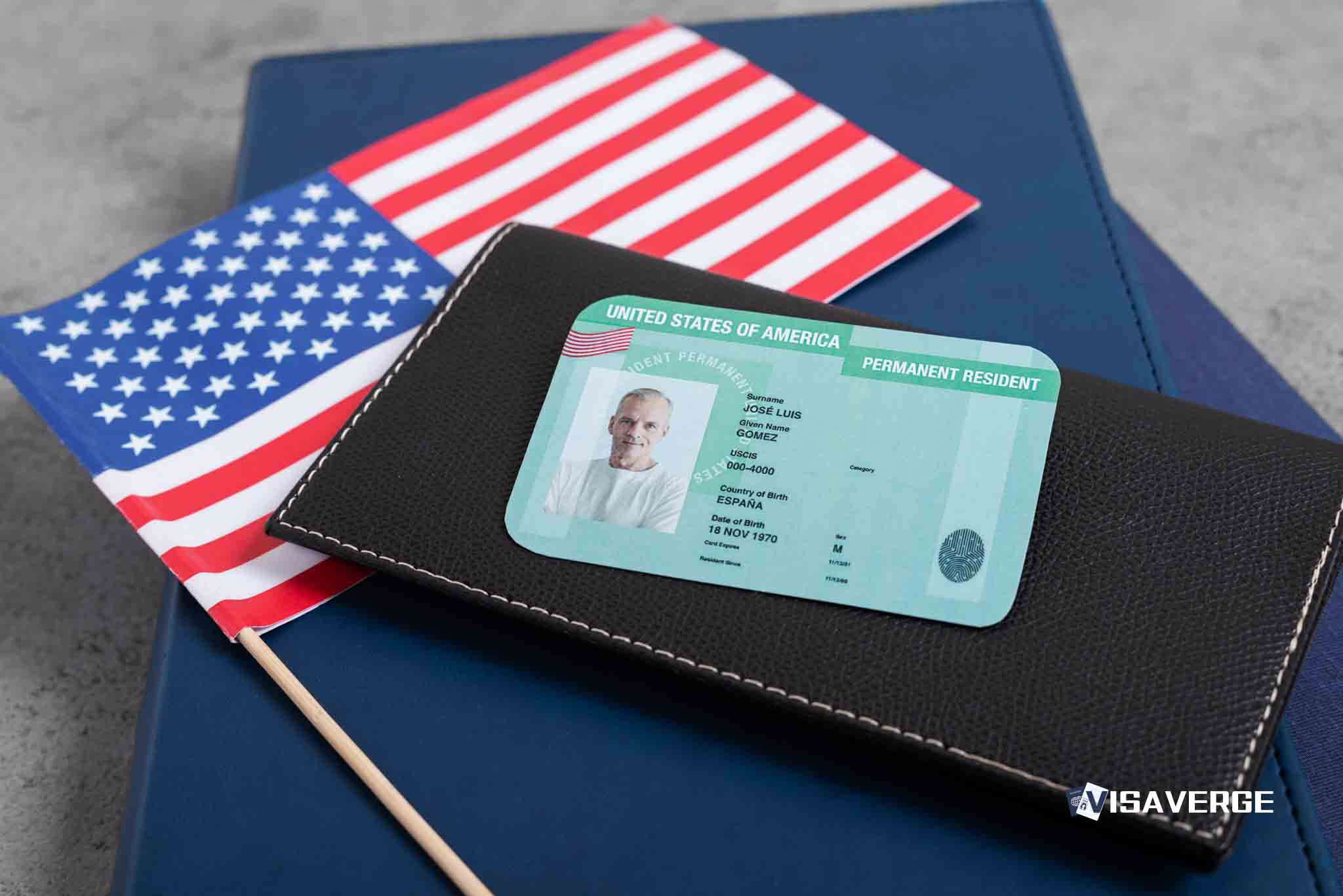
Form I-407, officially titled “Record of Abandonment of Lawful Permanent Resident Status,” is a crucial document provided by the U.S. Citizenship and Immigration Services (USCIS) for individuals choosing to voluntarily relinquish their lawful permanent resident (LPR) status. By submitting Form I-407, individuals formally notify the U.S. government of their decision to give up their status as green card holders, thereby surrendering associated rights, benefits, and responsibilities.
The abandonment of LPR status is a significant decision, often based on changes in personal circumstances, professional considerations, or legal and financial obligations. While the process may appear straightforward, it carries long-term implications for those who decide to file. Below, we delve into the details of Form I-407, including its purpose, process, and the various factors involved.

Understanding Form I-407
Form I-407 is the official medium for individuals to formally communicate their willingness to abandon their lawful permanent resident status. When processed by USCIS, this form signifies the completion of the individual’s voluntary decision, updating governmental records accordingly. An important distinction must be noted: filing Form I-407 is entirely voluntary, unlike other circumstances in which LPR status might be lost involuntarily, such as through extended absences or legal consequences. In this case, the applicant maintains full control over the choice to relinquish their green card.
This proactive measure ensures clarity between the individual and the U.S. government, eliminating inconsistencies that could later create complications when verifying immigration status.
Why People File Form I-407
The decision to file Form I-407 and abandon lawful permanent resident status can stem from a variety of practical, personal, and legal reasons. These motivations are deeply specific to each individual’s circumstances and future plans. Common factors include:
1. Tax Implications
U.S. green card holders are subject to U.S. taxes on their worldwide income, irrespective of where they live or work. This taxation requirement persists until LPR status is officially relinquished. For some individuals, particularly those who reside primarily outside of the U.S., the financial burden of fulfilling worldwide tax obligations can outweigh the benefits of retaining a green card. Filing Form I-407 provides relief from this responsibility, albeit with potential exit tax considerations that must be assessed beforehand.
2. Living Abroad Long-Term
Prolonged residency outside the U.S. can lead to complications for LPRs. For example, such individuals may encounter difficulties when seeking re-entry to the United States, as extended absences without appropriate documentation could be interpreted as an abandonment of residency. To avoid misunderstandings or legal complications when spending extended time abroad or relocating permanently to another country, individuals may opt to formally abandon their green card by filing Form I-407.
3. Aligning with Personal Goals
Family priorities or career demands often lead individuals to reconsider their LPR status. For instance, a person might choose to relinquish their status if most of their family has permanently moved outside the U.S. Similarly, someone pursuing opportunities or settling in another country might find that maintaining LPR status no longer aligns with their life goals.
Filing Form I-407: The Step-by-Step Process
Submitting Form I-407 is a straightforward but crucial step in formally abandoning lawful permanent resident status. While the form ensures clarity in the individual’s immigration records, it is essential to follow the required procedures to complete the process accurately.
1. Completing the Form
First, the individual must fill out Form I-407 completely. The form requires basic identifying information, a clear declaration that the individual intends to abandon their LPR status, and a signature confirming the voluntary nature of the decision. Depending on their specific circumstances, the applicant may also need to include supporting evidence, such as a copy of their green card.
2. Submission
Currently, completed Form I-407 must be mailed to the USCIS Eastern Forms Center in Williston, Vermont. Specific mailing addresses vary depending on whether the individual uses USPS or a courier service like DHL or FedEx. For expedited situations, individuals may submit their form directly in person at USCIS field offices in the U.S. or at designated U.S. consulates and embassies abroad.
3. Processing Timeline
Once Form I-407 is submitted, USCIS typically processes it within approximately 60 days of receipt, though international submissions may experience additional delays. Following this, the agency updates the individual’s records to reflect the change in status. It is advisable to retain a copy of the submitted form for personal records and future reference.
Implications of Filing Form I-407
The decision to relinquish LPR status carries multiple consequences that individuals should weigh carefully before proceeding.
1. Loss of Benefits as a Lawful Permanent Resident
Filing Form I-407 officially ends the individual’s ability to live permanently in the United States under their former LPR status. Other benefits tied to residency, such as freedom to work without sponsorship and access to certain social welfare programs, are also forfeited. Future access to the U.S. will require a valid visa, which may be subject to time restrictions and other conditions.
2. Impact on Tax Obligations
For many individuals, abandoning LPR status is primarily tied to financial considerations. However, this step may trigger specific tax-related consequences, such as an exit tax under U.S. expatriation rules. Such rules apply to certain individuals with significant assets or income streams. Consulting with financial and tax professionals before filing Form I-407 is strongly advised to manage potential implications effectively.
3. Returning to the U.S.
Relinquishing LPR status does not prevent individuals from returning to the U.S. in the future. Individuals who wish to reapply for lawful permanent resident status or enter the country on another visa may still do so, subject to compliance with standard immigration application processes. However, securing LPR status again could involve hurdles, such as evidence of eligibility under new immigration laws or policies.
Recent Updates to Form I-407 Processes
As of March 2025, USCIS has introduced updated formats for Form I-407. The latest version, dated September 25, 2024, reflects minor refinements aimed at facilitating accurate documentation. While USCIS still accepts previous editions, individuals are encouraged to use the most recent version to avoid any administrative complications.
Since streamlining its services in 2019, USCIS has centralized all Form I-407 submissions, directing applicants to specific locations within the U.S. While this change eliminated options for local submissions abroad at field offices, it has improved processing consistency for filers globally.
Key Considerations Before Filing
Anyone contemplating the decision to abandon their LPR status should take all relevant factors into account and seek professional advice. Immigration attorneys can clarify the legal outcomes, while tax and financial advisers can address ongoing obligations or benefits. Filing Form I-407 is not reversible once processed by USCIS, so the choice should reflect informed, thoughtful planning.
Conclusion
Form I-407 offers individuals the ability to formally document their decision to abandon lawful permanent resident status. While often driven by tax planning, personal changes, or professional priorities, the implications of this choice are profound. Relinquishing a U.S. green card impacts residency rights, tax obligations, and future immigration prospects, making a thorough understanding of Form I-407’s purpose and process essential.
For further information or access to the most recent version of Form I-407, individuals can consult the official USCIS website here. As analysis from VisaVerge.com highlights, planning ahead and seeking appropriate guidance ensures a clear, legally sound path forward when filing this form. With the right preparation, individuals can navigate this significant choice confidently and responsibly.
Learn Today
Form I-407 → A document for formally abandoning lawful permanent resident (LPR) status, submitted voluntarily to USCIS.
Lawful Permanent Resident (LPR) → A status granting individuals the right to live and work permanently in the U.S., commonly linked with a green card.
Exit Tax → A tax imposed on certain individuals relinquishing LPR status, based on their assets or income under U.S. expatriation rules.
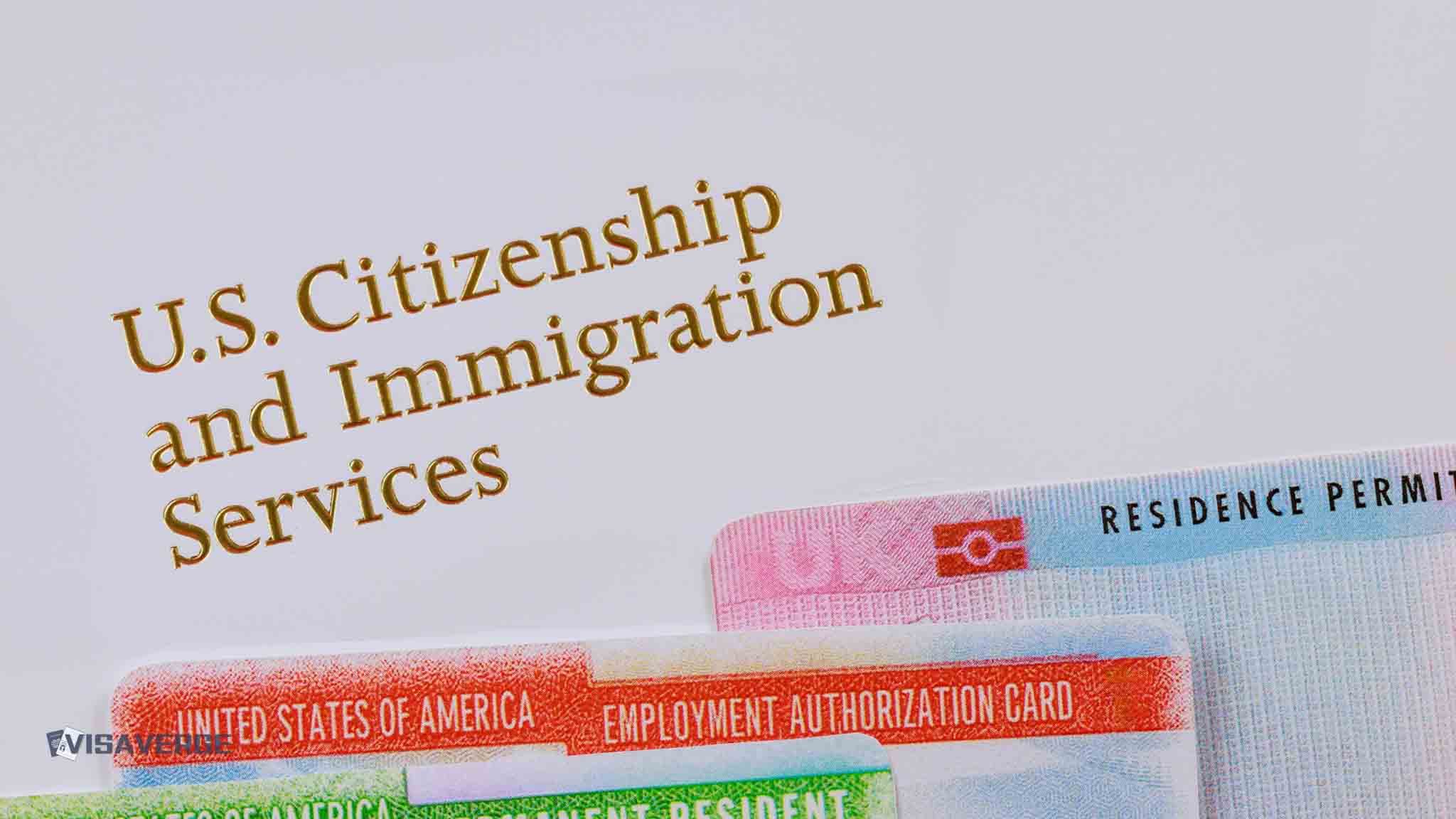
USCIS (U.S. Citizenship and Immigration Services) → The U.S. government agency responsible for processing immigration applications, including Form I-407.
Worldwide Income → All income earned globally, subject to U.S. taxation for green card holders regardless of their physical location.
This Article in a Nutshell
Relinquishing a U.S. green card via Form I-407 is a significant decision. This form, submitted to USCIS, signals a voluntary surrender of lawful permanent resident status. Motivated by taxes, extended foreign residency, or life changes, the process impacts rights, benefits, and obligations. Consult professionals to ensure informed, strategic decision-making.
— By VisaVerge.com
Read more:
• US Resident Says They Were Harshly Questioned Returning from Luxembourg
• South Texas Family Residential Center Set to Reopen Its Doors
• South Texas Family Residential Center Set to Reopen
• Can U.S. President Grant you a green card or citizenship directly?
• President Ruto Unveils Visa Changes to Boost Cruise Tourism in Kenya