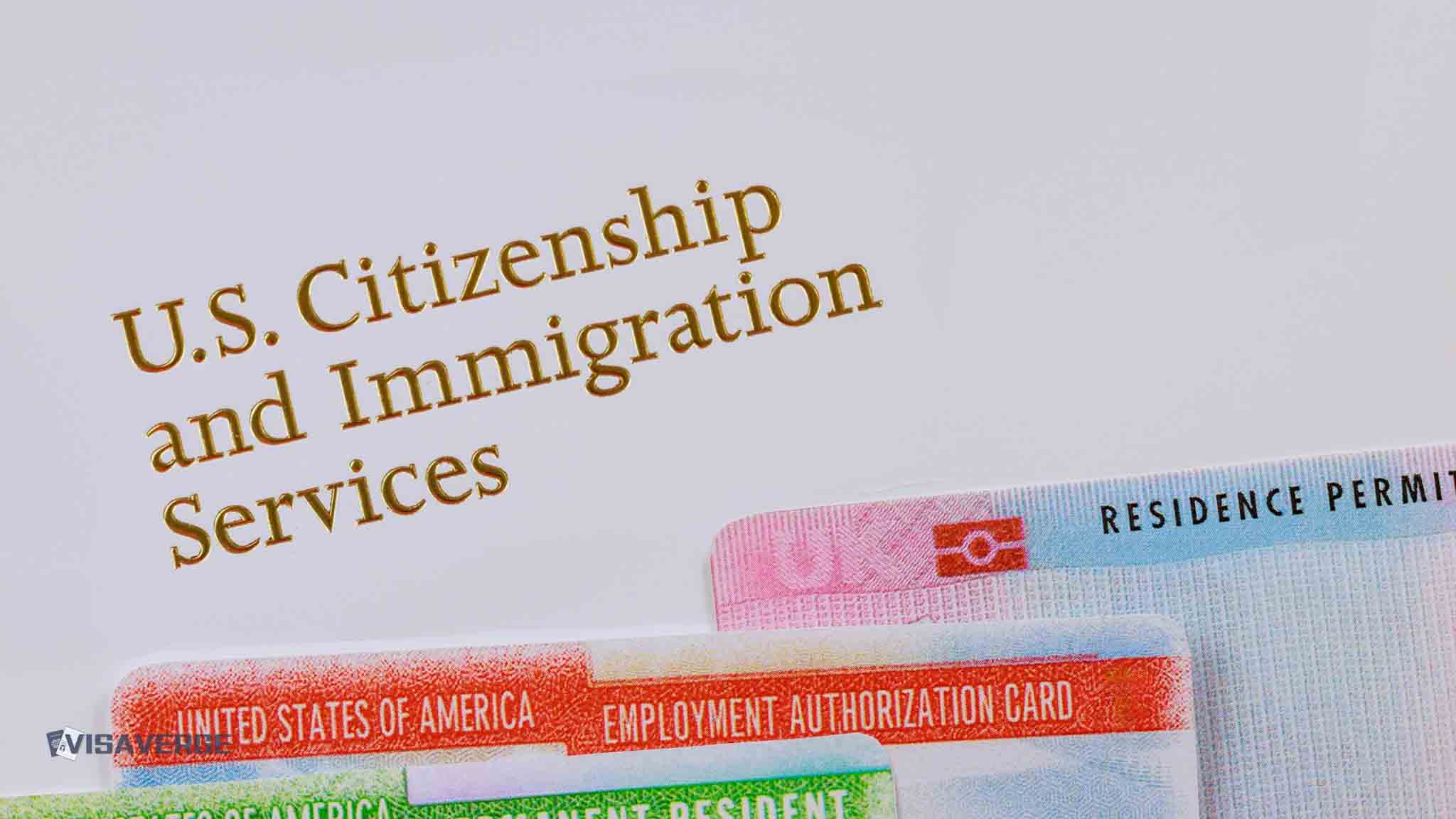
- USCIS says a child with a card issued before age 14 generally must replace it at 14 if it expires after the 16th birthday.
- A card expiring before the 16th birthday is an exception to the age-14 replacement trigger, but ordinary expiration rules may still apply.
- Check the filing category and current instructions; the exact 16th-birthday case is not clearly addressed in the published categories.
A child who became a lawful permanent resident before age 14 generally must replace the card when turning 14, unless the card expires before the 16th birthday. U.S. Citizenship and Immigration Services (USCIS) directs covered applicants to use Form I-90; a legal explainer describes a 30-day filing window, but the agency’s cited age-trigger instruction does not give that deadline.
The distinction matters: the birthday alone does not answer whether the special rule applies. Check when the card was issued and when it expires, then confirm the filing reason and current instructions on the replacement-card page.
The card’s issue and expiration dates determine whether the age-14 rule applies
Free toolDS-160 Form Filling Online Helper Tool| Card and date situation | What applies | Result |
|---|---|---|
| Issued before age 14; expires after the 16th birthday | The special age-14 replacement rule applies | Replace the card after turning 14 |
| Issued before age 14; expires before the 16th birthday | The agency lists an exception to the age-14 trigger | Ordinary expiration requirements may still apply |
| Card expires exactly on the 16th birthday | The published categories do not expressly resolve the boundary | Ask the agency which filing reason applies |
| Card was not issued before age 14 | The age-14 rule described here does not fit that fact pattern | Check the card’s ordinary expiration or other replacement reason |
The age-related instruction concerns a card obtained before the child turned 14. The agency’s replacement list describes an exception when that card expires before the child’s 16th birthday. That exception concerns the age-14 trigger; it does not mean the card can be ignored when it reaches its expiration date. A 10-year card that has expired or will expire within six months should be renewed under the usual instructions.
A card expiring after the 16th birthday is the clearest special-case pattern. A legal explanation says the age-14 process is tied to collecting biometrics by age 16, and advises filing Form I-90 and providing biometrics within 30 days after the 14th birthday. It also says there is no penalty for filing early. The agency’s own age instruction says to replace the card upon turning 14, but the cited instruction does not specify a filing deadline.
The exact 16th-birthday case is different from a card expiring before or after that date. The published fee categories use “before” and “after,” and the replacement guidance does not spell out the result for a card expiring on the birthday itself. Do not assume that the “after” category covers the same-day case; confirm the appropriate filing reason and fee with the agency.
File online or by mail, then follow the notices for the case
- Compare the card dates. Confirm that it was issued before age 14 and read the printed expiration date. Use the age-related replacement reason only if the facts fit the current instructions.
- Read the current application instructions. They explain the evidence required for the specific filing reason. Do not assume every applicant uses the same supporting documents.
- Choose a filing route. You can submit online through an account or file by mail. Use the mailing address in the current instructions rather than relying on an address from an older guide.
- Pay only the applicable amount. The fee depends on the filing category. For a paper filing, the current payment guidance identifies Form G-1450 for card payment or Form G-1650 for payment from a U.S. bank account. Online applications use the online payment process.
- Keep the receipt and monitor notices. Track the case and respond to any request for evidence by its stated deadline. Attend a biometrics appointment if one is scheduled. The agency may decide that biometrics are needed and send an appointment notice.
If a card is unavailable and proof of status is needed after filing, the agency may issue an ADIT stamp. A replacement filing does not itself change the person’s residence status. Update the mailing address with the agency within 10 days of moving so notices and a replacement card are not sent to an old address.
A two-year conditional card has a separate route for removing conditions
The agency’s guide says not to use the replacement application when a conditional resident’s status is expiring. A conditional resident must file the petition to remove conditions within 90 days of the card’s expiration. For a marriage-based case, the form is Form I-751, Petition to Remove Conditions on Residence. For an investor or entrepreneur case, it is Form I-829, Petition by Entrepreneur to Remove Conditions on Permanent Resident Status.
A legal explanation says the age-14 replacement requirement applies to both conditional and permanent residents. However, the agency’s list for replacing a conditional resident card does not include age 14, and its guide says not to use Form I-90 when conditional status is expiring. Families with a two-year card should confirm the applicable route rather than treating an age-related replacement as the petition to remove conditions.
The 30-day deadline and fee waiver are not stated the same way by every source
| Filing situation | Fee listed by the agency, as of October 2026 | Timing guidance |
|---|---|---|
| General filing | $465 by paper; $415 online | Check the current fee calculator before filing |
| Applicant has reached age 14; card expires before the 16th birthday | $465 by paper; $415 online | Age-related fee waiver does not apply in this listed category |
| Applicant has reached age 14; card expires after the 16th birthday | $0 by paper or online | The fee table does not state a 30-day condition |
| Card expires exactly on the 16th birthday | No category is listed for this exact boundary | Confirm the filing category and fee before submitting |
The agency’s fee calculator lists the $0 amount for an applicant who has reached age 14 and whose existing card expires after the 16th birthday. The federal fee regulation also lists no fee for that age-and-expiration category. Neither listing states a 30-day condition.
Legal guidance says the fee waiver applies when the card expires after the 16th birthday and the application is filed within 30 days after the 14th birthday. It also says the fee generally is required if the form is filed before the birthday or more than 30 days afterward. Check the current fee calculator and instructions for the child’s exact case before paying or filing.
As of October 2026, the fee calculator lists $465 for a general paper filing and $415 for a general online filing. Those amounts apply when the age-related no-fee category does not apply, subject to the selected reason and any other eligibility for a fee waiver. Do not rely on an older fee chart or a fee amount from a third-party guide.
A pending replacement does not automatically provide the same proof as a renewal
A receipt notice for a 10-year card renewal, shown with the expired card, can extend evidence of status for 36 months from the card’s expiration date. That extension is described for a renewal receipt and an expired card; do not assume that every receipt for a replacement has the same effect, particularly if the card is lost or unavailable.
If the child needs proof while the case is pending and does not have the card, contact the agency about temporary evidence, including whether an ADIT stamp is appropriate. The agency decides whether biometrics are needed and will send an appointment notice if it schedules them. Keep the receipt and any appointment or evidence-request notices.
Check the card dates and filing reason before sending the application
- Confirm that the card was issued before age 14 and whether it expires before, after, or exactly on the 16th birthday.
- Do not assume every person turning 14 must replace a card, or that a future expiration date always removes the age-related requirement.
- Do not treat a replacement as a petition to remove conditions on a two-year card.
- Check the current filing instructions and fee calculator. If the card expires exactly on the 16th birthday or the resident has conditional status, ask the agency’s Contact Center or a qualified immigration professional which route applies.
Before filing, compare the birthday and card expiration date, then use the current instructions and fee calculator at the official replacement-card page. Fee amounts and procedures can change; verify them at uscis.gov before submitting.