- U.S. officials granted emergency visas to the family of a student in a coma after a hit-and-run.
- Diplomatic intervention bypassed a wait time that initially stretched into 2026 for the Mumbai consulate.
- The family’s arrival enabled critical life-saving surgeries that required legal consent from immediate blood relatives.
(SACRAMENTO, CALIFORNIA) — U.S. consular officials approved emergency visas for family members of Nilam Shinde after the Indian postgraduate student fell into a coma following a hit-and-run in Sacramento, California, accelerating a process that initially offered an interview date in 2026.
Shinde, 35, was an MS in Engineering student at California State University when she was struck on February 14, 2025, while taking an evening walk, according to official records and confirmed reports summarized by government sources.
Free toolOPT Timeline Calculator Online
The case has been cited as an example of high-level diplomatic intervention in emergency visa processing as U.S. immigration rules tighten more broadly, including a new Department of Homeland Security announcement this week freezing visa processing for dozens of countries.
Injury and immediate medical response
Shinde was hit from behind by a speeding vehicle and thrown 40 feet, suffering fractures to both legs, her left arm and her skull, along with a traumatic brain injury.
Doctors said her father’s presence was critical to her recovery and to making life-saving medical decisions as she remained in a coma for an extended period.
UC Davis Medical Center admitted Shinde and performed emergency brain surgery, records show.
Sacramento police arrested Lawrence Gallow, 58, on February 19, 2025, in connection with the hit-and-run.
Visa effort and diplomatic intervention
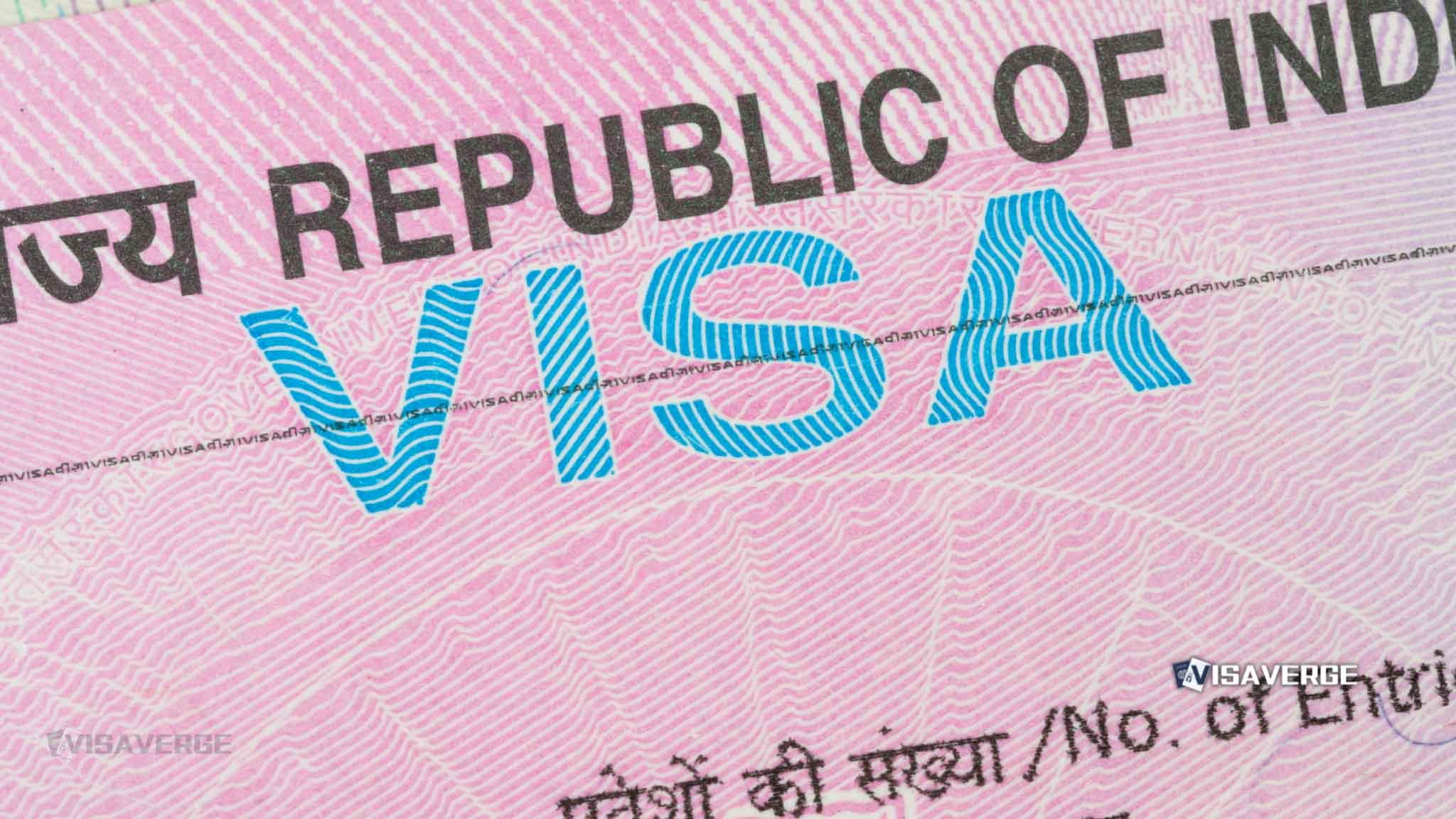
The visa effort began under pressure when the family was told the earliest interview slot at the U.S. Consulate in Mumbai was in 2026, creating uncertainty as doctors emphasized the urgency.
After what the summary described as a massive public appeal and diplomatic intervention, U.S. consular officials moved quickly.
On February 28, 2025, the U.S. Consulate in Mumbai scheduled an emergency interview and granted visas to Shinde’s father, Tanaji Shinde, and her brother/cousin, Gourav Kadam, within 30 minutes of their appointment.
“We went to the embassy today. They interviewed us and granted the visa within half an hour. Both the central and Maharashtra governments helped us a lot,” Tanaji Shinde said on February 28, 2025.
A day earlier, India’s Consulate in San Francisco described ongoing coordination with medical staff and relatives.
“We have been rendering all possible assistance and will continue to remain engaged to support her and the family. We are in constant touch with the hospital, her family, and friends,” the consulate said in a statement on February 27, 2025.
Rules and expedited pathways
The emergency intervention reflected guidance under U.S. Department of State and USCIS rules that allow urgent requests when medical needs are immediate.
Under those guidelines, “Emergency Visa” appointments can be requested for urgent medical needs, including expedited B-1/B-2 processing or Humanitarian Parole, the summary said.
Even when routine appointment slots are limited, cases described as “life-or-death” medical emergencies for students or residents can receive top-tier prioritization when flagged by host-country officials, it said.
In Shinde’s case, documentation and official outreach were central to triggering that accelerated pathway.
- UC Davis Medical Center provided “certified medical emergency” documentation required by the U.S. Consulate for an expedited slot.
- India’s Ministry of External Affairs intervened, with External Affairs Minister Dr. S. Jaishankar raising the issue of visa wait times with U.S. officials.
- Member of Parliament Supriya Sule flagged the case on social media, prompting an immediate response from India’s MEA and the U.S. Embassy.
Arrival, surgeries, and recovery
The family arrived in the United States in early March 2025, allowing doctors to move forward with a surgery that depended on consent from close relatives.
Their presence enabled UC Davis Medical Center to proceed with a complex six-hour surgery on Shinde’s legs and waist on March 5, 2025, after the operation had been delayed pending legal consent from blood relatives, the summary said.
By mid-2025, reports cited in the summary said Shinde faced a long recovery that could span months or years, while brain pressure had stabilized and the immediate threat to her life had subsided.
Context: shifting immigration environment
The case’s timeline is now being revisited as the U.S. immigration environment shifts again.
On January 14, 2026, the Department of Homeland Security announced a freeze on visa processing for 75 countries, effective January 21.
As of January 16, 2026, the Shinde case was described as a landmark example of how emergency processing can function when medical documentation, consular discretion and diplomatic engagement converge.
The contrast between expedited handling in a medical crisis and a broader processing freeze underscores the role of prioritization rules, which can elevate urgent cases even amid constrained appointment availability.
Sources and final note
Government sources referenced in the summary included the USCIS Newsroom, the U.S. Embassy & Consulates in India – News & Events, and India’s Ministry of External Affairs – Madad Portal.
For Shinde’s family, the speed of the final decision was captured in Tanaji Shinde’s account of the emergency appointment: “They interviewed us and granted the visa within half an hour.”