- Travelers must carry a valid passport and B1/B2 visa with at least six months of future validity.
- Customs officers prioritize proof of ties to India through property, employment, or pension documents to ensure return.
- Financial readiness requires six months of bank statements or sponsorship papers to confirm trip affordability without unauthorized work.
(UNITED STATES) Indian parents arriving on a B1/B2 visitor visa face close inspection at the U.S. port of entry (POE), and the documents they carry often decide whether entry is smooth or stressful. CBP officers look for proof of a short visit, enough money for the trip, and clear ties to India, while the real length of stay is set by the electronic I-94, not by the visa stamp.
For 2026, the basic rules remain firm. The visa fee stays $185, India remains outside the Visa Waiver Program (VWP), and every Indian traveler still needs a valid visa for each entry. Visa validity alone does not guarantee admission. Officers at airports such as JFK, ORD, and SFO focus on intent, not just paperwork.
VisaVerge.com reports that families who arrive with organized records usually face faster inspection and fewer follow-up questions.
Core Travel Documents
The first file every parent should keep ready is the core travel set. A passport must be valid for at least six months beyond the planned stay and should have one blank page. The document should be clean and undamaged. Carry the original passport, not a copy, because CBP scans the original at the counter.
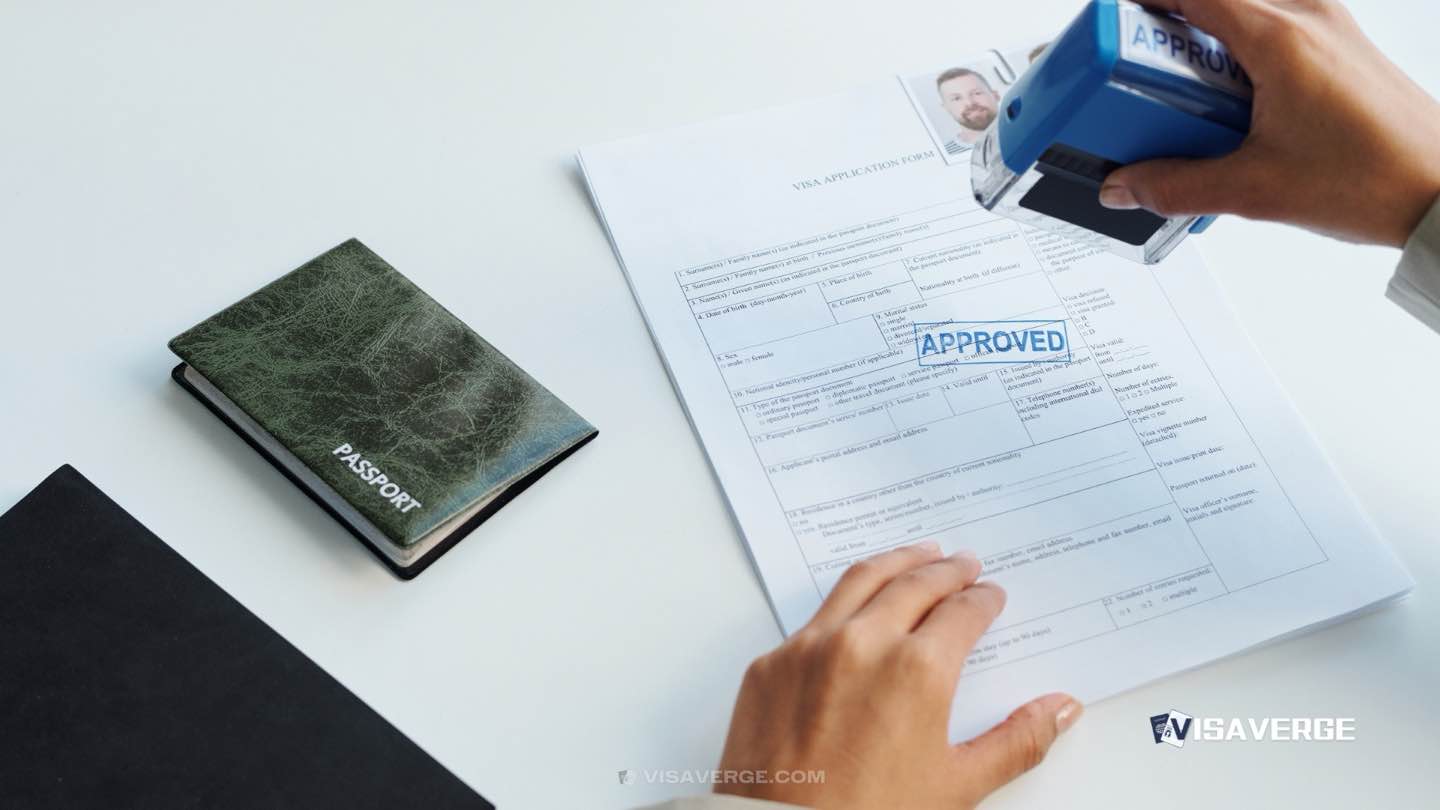
A valid B1/B2 visitor visa must match the passport exactly, including name and number. Most Indian parents travel on a B2 visa for family visits, or on a combined B1/B2 visa if the trip includes short business activity. No work or study is allowed.
Parents should also carry the printed confirmation page from the online Form DS-160, the nonimmigrant visa application used for the interview. Each traveler needs a separate DS-160. Families cannot share one form. It is also wise to bring the visa fee receipt and the interview appointment confirmation from the U.S. Embassy or consulate in India. These papers help officers trace the recent visa issuance if questions come up.
Itinerary and Invitation Details
A round-trip itinerary matters because it shows the trip is temporary. One-way tickets invite extra questions. The return date should fit the reason for the visit, often two to six weeks for a family stay. Parents should also carry the exact U.S. address where they will stay, along with a phone number. If they are staying with a son or daughter, a hotel booking is not needed. A printed itinerary is cleaner than a handwritten note.
An invitation letter from the U.S.-based child is not required, but it helps explain the visit. The letter should name the parents, state the purpose of the trip, list the stay dates, and include the child’s address, phone number, and immigration status. A copy is enough; notarization is optional. The State Department treats family letters as secondary to the parents’ own proof that they will return to India.
Money and Ties to India
Money records carry real weight at the U.S. port of entry (POE). CBP wants to see that the visit is affordable without unauthorized work. Parents should carry bank statements for the last six months, ideally stamped or signed by the bank, plus credit cards, traveler’s checks, or forex receipts. If the child will pay for the trip, a sponsorship letter with the child’s recent pay stubs and six months of bank statements helps.
Officers often ask how the trip will be funded, and clear records reduce doubt.
Proof of ties to India matters just as much as money. Strong records include an employer letter with leave approval, pension statements, property deeds, tax receipts, family records, and income tax returns for the last three years. Older parents often rely on pension and property papers. Working parents should add a letter from the employer. The point is simple: show that life, family, income, and responsibilities all remain in India.
Health and Family Records
Health papers belong in the folder too. Seniors should carry travel or medical insurance with coverage of at least $50,000 for emergencies, hospitalization, and evacuation. U.S. hospitals do not give free care to visitors, and costs rise fast. Prescriptions should stay in original packaging.
A doctor’s letter in English is best, especially for medicines with brand names that differ from those used in India. Parents should also bring proof of relationship, such as birth certificates or family papers that connect them to the child in the United States.
The child’s own immigration papers help show that the family visit fits a temporary status. Copies of the child’s H-1B, L-1, or F-1 visa, green card, U.S. passport, and I-94 record can support the case. Employment verification letters and pay stubs also help. These papers show that the child is established in the United States and that the parents are coming for a short visit, not to live there.
I-94, CBP Interviews, and Transit
After arrival, parents should check the electronic I-94 at CBP’s official I-94 page. This record sets the legal stay date. It matters more than the visa expiration in the passport. The online record is especially important because airports no longer issue paper I-94 forms. Parents should save a screenshot of the “admit until” date.
CBP interviews are usually short. Officers often ask the purpose of the trip, how long the stay will last, where the traveler will live, how the visit will be paid for, and whether the traveler has been to the United States before. Calm, direct answers work best. The answer should match the documents. A return ticket, bank statements, and an invitation letter should all tell the same story.
Transit plans deserve attention too. Some layovers in Europe or the United Kingdom require transit visas, even when the final destination is the United States. Direct flights are easier. For older parents, wheelchair assistance and medication limits also matter, especially when the trip is long.
Practical Packing Habit and 2026 Checklist
Families often keep everything in a single folder, with copies and digital backups on a phone or cloud drive. That simple habit helps when an officer asks for a document fast. Keeping the records together also helps after arrival, because airlines and CBP may ask for the same papers again on the return leg.
The 2026 checklist is straightforward: valid passport, valid B1/B2 visitor visa, DS-160 confirmation, fee receipt, round-trip ticket, U.S. address, invitation letter, bank statements, sponsor papers if needed, proof of ties to India, medical insurance, prescription records, and the child’s immigration papers. For official travel information, parents should also keep the State Department’s visitor visa guidance handy.
Families that prepare well usually move through inspection with less stress. The goal is not to impress CBP. It is to show, with ordinary documents and clear answers, that the visit is temporary and the return home is certain.