- TSA expects about 17.6 million air travelers through security, November 24 to 30, 2026.
- TSA advises arriving two hours before domestic flights, three hours before international.
- Weather effects differ by location; check your airline and FAA airport status.
Checked against tsa.gov, transportation.gov and forecast.weather.gov
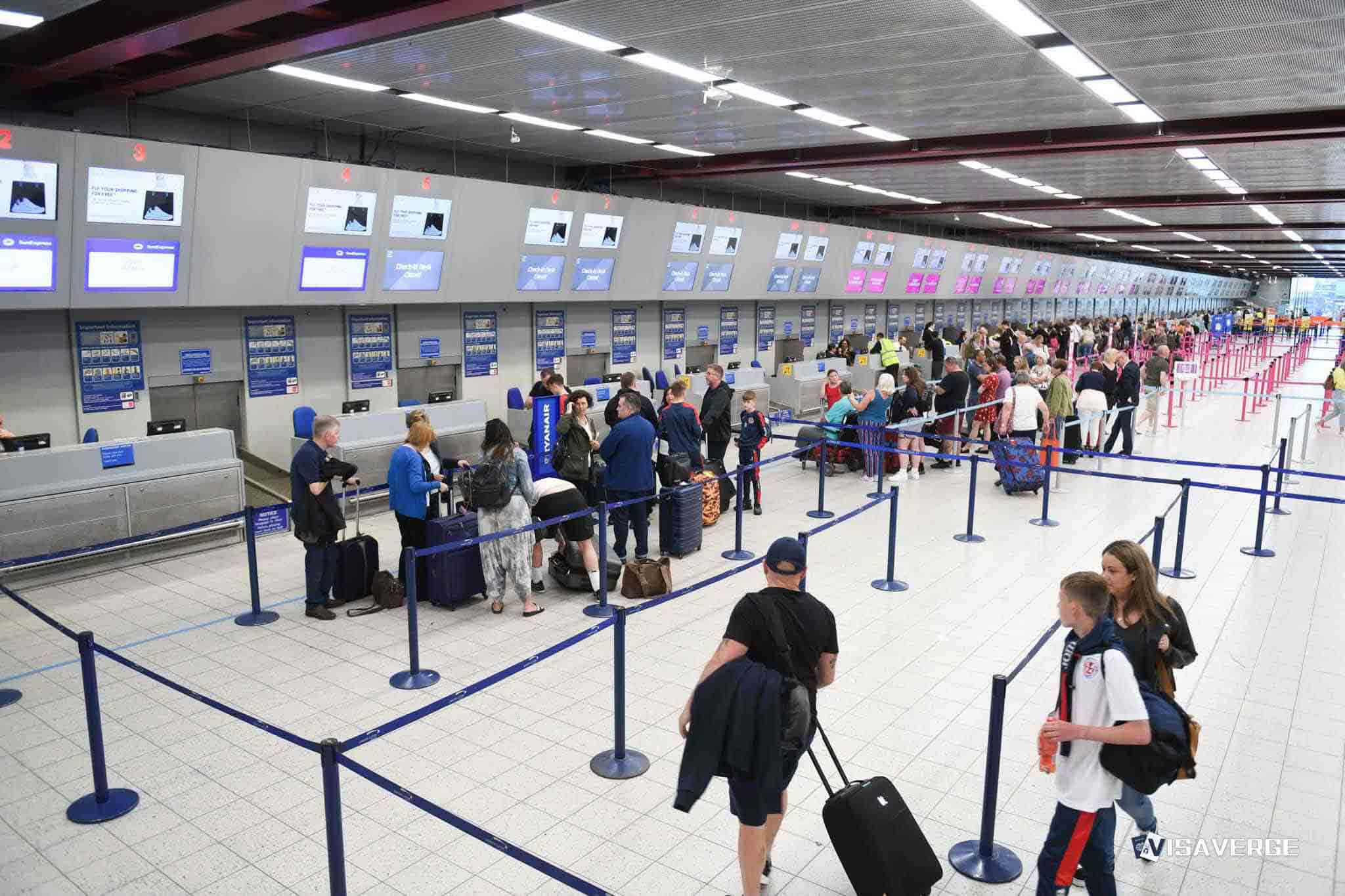
The Transportation Security Administration (TSA), the agency that screens passengers at U.S. airports, announced on November 24 that it expects about 17.6 million air travelers to pass through security from November 24 through November 30, 2026. It projects Sunday, November 29, will be the busiest day, with more than 3 million passengers. On November 25, TSA reported a security wait of up to 81 minutes at Miami International Airport, while forecasts called for a strong storm in parts of the East Coast around Thanksgiving.
For people flying during the forecast period, TSA advises arriving at least two hours before a domestic flight or three hours before an international flight. The National Weather Service (NWS), the U.S. agency that provides weather forecasts and warnings, forecast high winds and heavy rain in parts of the East Coast on Thanksgiving Day, November 26. Weather effects may differ by location; travelers can check with their airline and use Federal Aviation Administration (FAA) airport-status information for updates.
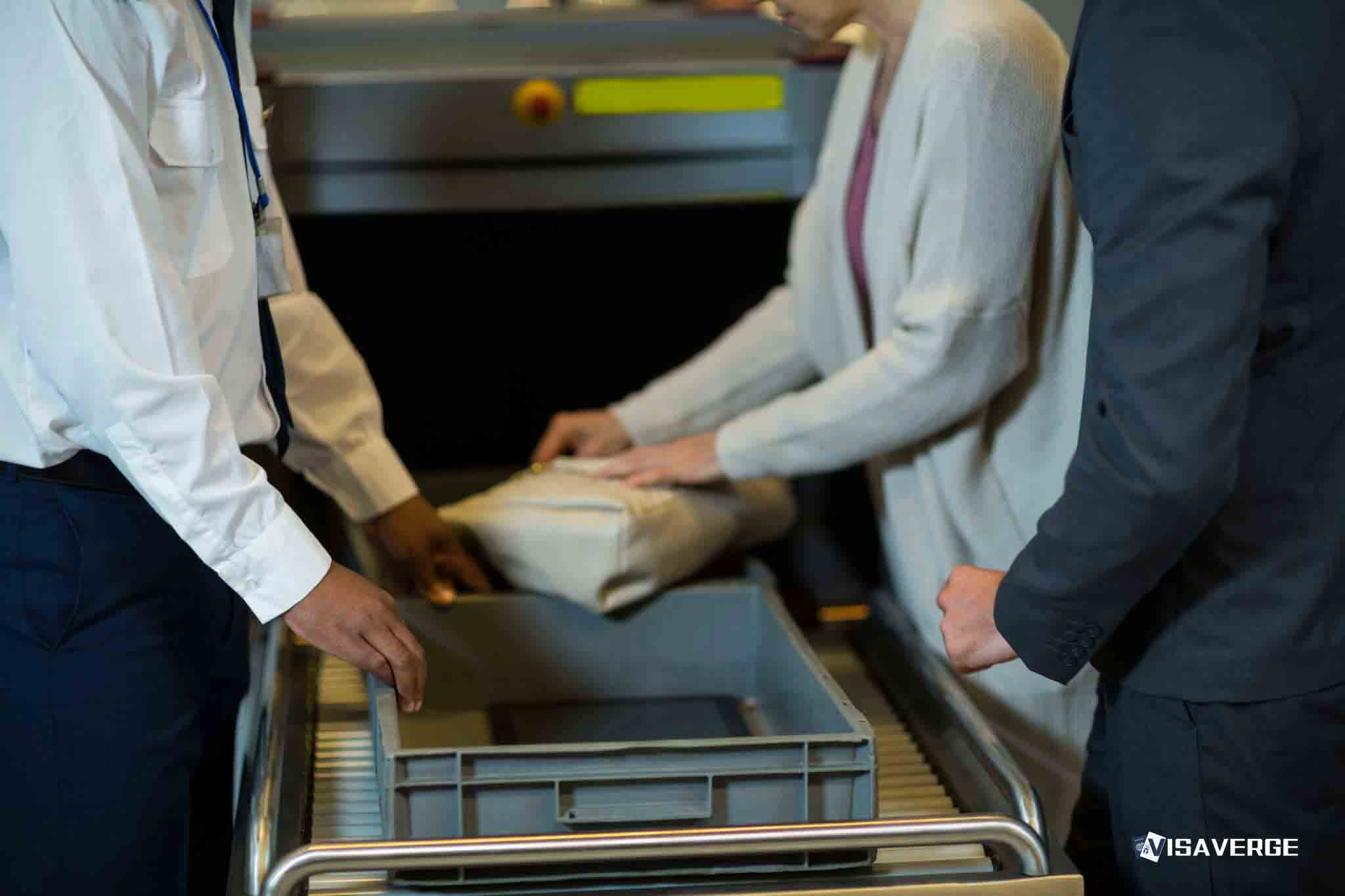
What to expect at security checkpoints
TSA says travelers should allow extra time for parking, airline check-in, baggage drop and screening. Before leaving for the airport, check TSA’s “What Can I Bring?” tool and pack appropriately. Have a REAL ID-compliant driver’s license, a passport or another acceptable identification document ready at the checkpoint entrance. A REAL ID-compliant license is a state driver’s license that meets federal identification standards.
TSA’s national projection is not the only measure of holiday traffic. The FAA forecast more than 417,000 flights over the nine-day Thanksgiving holiday period, with Tuesday, November 24, expected to be the busiest day for flights: more than 52,000 were forecast.
Local TSA offices expect different peak days and passenger totals:
| Airport | Local Thanksgiving travel forecast |
|---|---|
| Hartsfield-Jackson Atlanta International Airport | Tuesday, November 24, Wednesday, November 25, and Sunday, November 29, are projected peak days; more than 95,000 travelers are expected at checkpoints on Sunday. |
| Boston Logan International Airport | More than 71,000 travelers are projected on each of November 24 and 25; an estimated 76,000 to 77,000 on each of November 29 and 30. |
| Denver International Airport | More than 78,000 travelers are projected for Saturday, November 28, and nearly 88,000 for Sunday, November 29. |
| Dallas Fort Worth International Airport | Heavy passenger volumes are projected for November 24 and 25; more than 96,000 passengers are expected on Sunday, November 29, the local projected busiest day. |
| Phoenix Sky Harbor International Airport | More than 78,000 travelers are projected for Sunday, November 29, and 71,000 for Monday, November 30. |
| Harry Reid International Airport, Las Vegas | The Tuesday and Wednesday before Thanksgiving, November 24 and 25, and Sunday, November 29, and Monday, November 30, are expected to be the busiest local travel days. |
| Salt Lake City International Airport | November 24 and 25 and Sunday, November 29, are expected to be especially busy; more than 31,000 travelers are projected at checkpoints on Sunday. |
TSA’s Harry Reid office made its local forecast on November 18.
Storm forecasts and reported airport delays
The U.S. Department of Transportation (DOT), the federal department responsible for national transportation policy, said weather could affect flights during the week. Its forecast called for low ceilings along the West Coast on November 23; possible thunderstorms across Florida and the Gulf Coast on November 24 and 25; rain across the Southeast, including Atlanta, on November 25; and rain and wind returning to the Northeast on Thanksgiving Day. The DOT’s holiday flight forecast and airport-status advice tells travelers to check with their airline for flight updates and visit nasstatus.faa.gov for real-time airport conditions.
The NWS forecast a strong coastal storm bringing strong winds, coastal flooding and locally heavy rainfall to its region on Thanksgiving Day, with impacts varying by location. For Ocean County, New Jersey, the NWS forecast rain that could be heavy at times, east winds of 30 to 40 mph and gusts up to 65 mph. For Philadelphia, the forecast called for rain that could be heavy at times, northeast winds of 25 to 30 mph gusting up to 55 mph, and 1 to 2 inches of precipitation possible.
For Washington-area airport terminals, the NWS aviation forecast said instrument flight rules (IFR) were likely for much of Thanksgiving Day, with strong northeasterly winds continuing into the afternoon. IFR are rules for flying when pilots rely on instruments rather than visual references. The NWS forecast the coastal storm’s effects continuing into Friday, November 27.
On the morning of November 25, the FAA said some delays at San Francisco International Airport were due to a low cloud ceiling and some delays at Miami International Airport were due to weather. Terri Zimmerman said she waited nearly an hour in the security line at Fort Lauderdale-Hollywood International Airport early that morning before boarding a flight to Tallahassee to visit relatives.
Where to get screening help and travel updates
Travelers can text AskTSA at 275-872. Live assistance is available from 8 a.m. to 6 p.m. ET, and a virtual assistant is available 24 hours a day, seven days a week. Travelers can also contact AskTSA on X, Facebook Messenger and Apple Business Chat. Travelers with disabilities or medical conditions can call TSA Cares at (855) 787-2227 to request help at the checkpoint.
Children age 17 and under may accompany an enrolled parent or guardian through TSA PreCheck lanes at no additional cost when eligible. TSA PreCheck is a program that allows eligible travelers to use expedited screening lanes; travelers should review the guidelines before traveling. For flight changes or conditions at an airport, check with the airline and the FAA’s airport-status information.