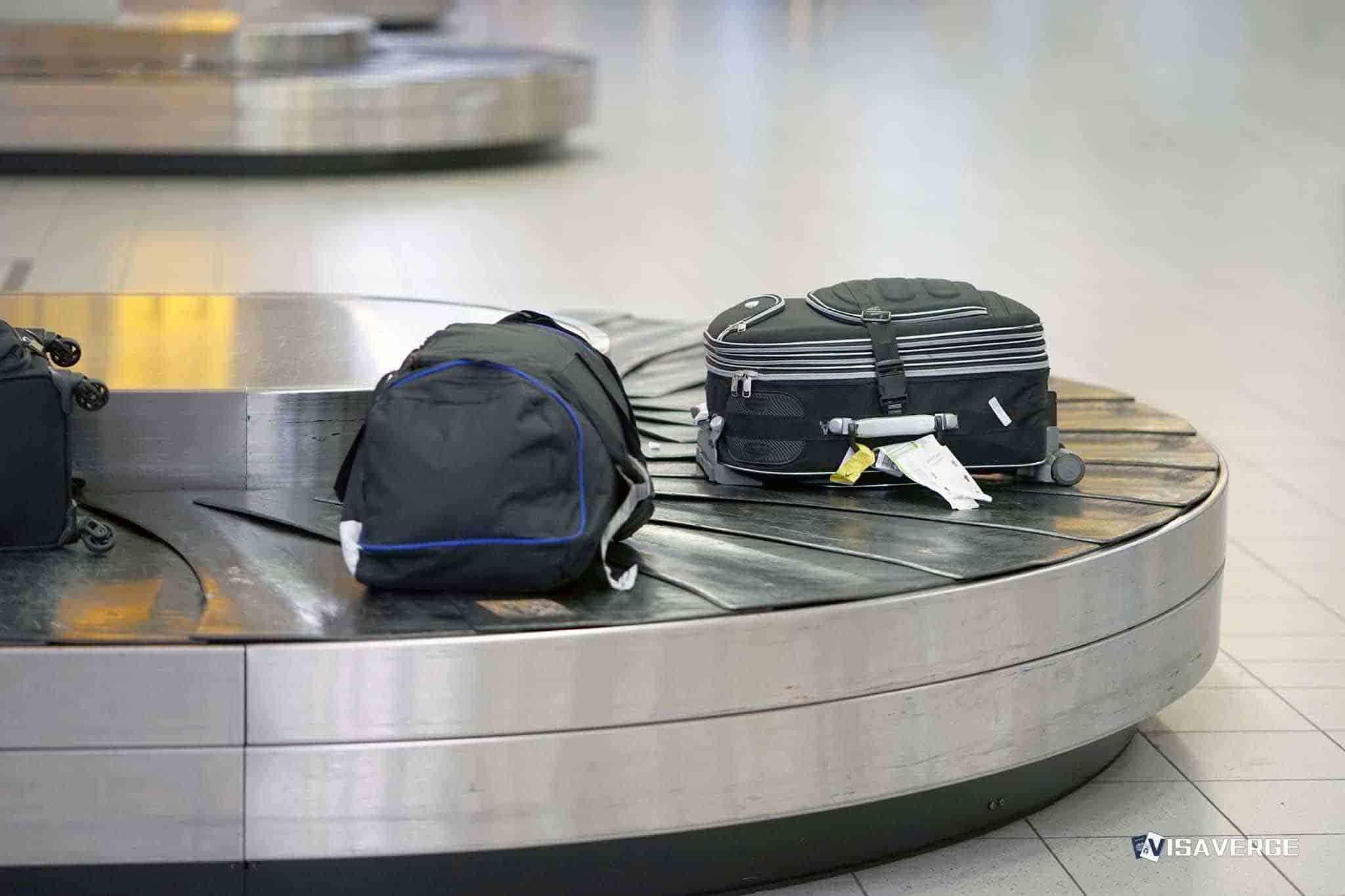
- Delta enforces strict baggage check-in deadlines ranging from 30 to 60 minutes before domestic departures.
- Major hubs like JFK require bags one hour before takeoff to ensure on-time flight operations.
- Standard domestic bag fees remain at $35 for the first bag and $45 for the second.
(UNITED STATES) Delta Air Lines now holds the line on checked baggage deadlines for domestic U.S. flights, and the timing matters most at crowded airports. Most passengers must check bags 30 minutes before departure, but the limit rises to 45 minutes at hubs such as Atlanta and Los Angeles, and to 60 minutes at high-volume airports including John F. Kennedy International Airport.
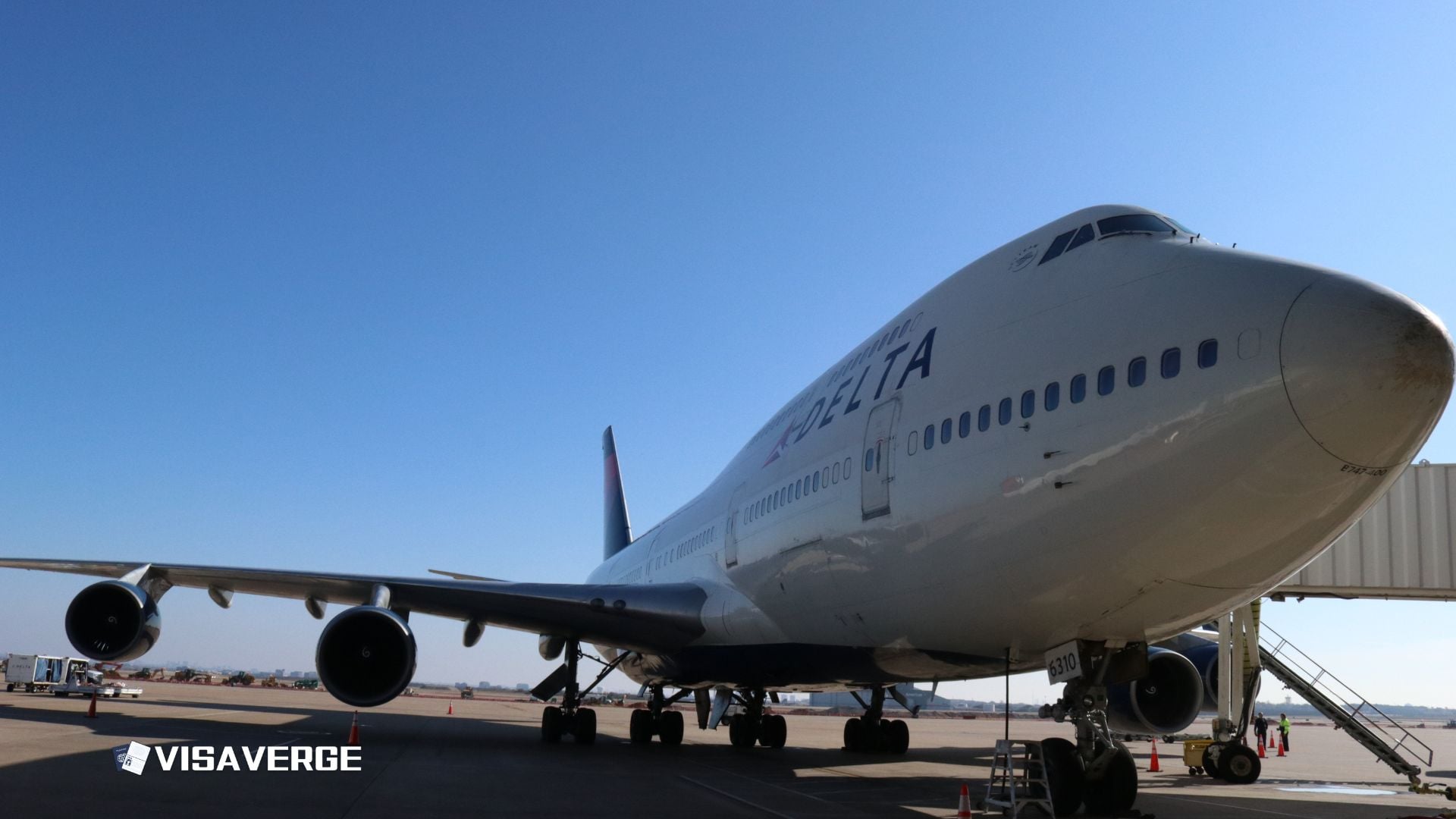
That rule affects anyone flying with checked luggage, from families with strollers to business travelers carrying presentation gear. It also affects passengers with immigration appointments, connecting domestic legs, or tight same-day plans, because a late bag can leave you flying without it.
Delta’s timing is built around a simple operational chain. Bags must be accepted, tagged, screened, sorted, and loaded before the door closes. If one step slips, the flight slips too. Delta Air Lines keeps the process strict because the airline wants on-time departures, fewer mishandled bags, and fewer gate delays.
The clock starts earlier than many travelers expect
The standard cutoff is 30 minutes before scheduled departure at most smaller and regional airports. At busier stations, Delta gives itself more room. The deadline is 45 minutes at ATL, LAX, DEN, and other major hubs. The limit is 60 minutes at especially busy places like JFK, and Delta says some international connection points can follow even tighter airport-specific rules.
The airline also sets a six-hour pre-flight check-in limit. That means bags cannot be checked more than six hours before departure. Delta uses that rule to keep baggage areas from clogging and to lower the risk of bags sitting too long before loading.
Passengers should also plan around boarding. Delta closes the gate 15 minutes before takeoff. Once the baggage cutoff passes, agents do not accept checked bags, even for elite travelers. Miss the deadline and your bag stays behind. In many cases, that also means a missed flight if the bag is required for travel documents or special items.
For domestic trips, Delta recommends arriving at least two hours early. That gives travelers time to check bags, clear security, and reach the gate without rushing. The advice is practical, not decorative. Airport traffic, long security lines, and bag-drop queues can erase a comfortable cushion very quickly.
Why airports use different deadlines
Airport size drives the rule. So does baggage volume. So does how many flights are leaving at the same time. A smaller airport can process bags faster. A hub like John F. Kennedy International Airport has heavier traffic, more connections, and more pressure on baggage belts and screening systems.
That is why Delta uses different cutoffs rather than one nationwide clock. It also explains why holiday travel can feel harsher. During Thanksgiving peaks, major sports events, or storm disruptions, airports often become slower. Delta may extend cutoffs by a small margin in some operational surges, but the published deadline still controls unless the airport posts a different local rule.
Flight type also matters. Partner-airline codeshares, military charters, and some early-morning departures can use separate procedures. On Delta-marketed flights operated by regional partners, the airline’s baggage rules still apply, but local stations may close bag acceptance earlier. Travelers should check the flight status page or the Fly Delta app before leaving for the airport.
For international-to-domestic connections, the pressure is even higher. Customs preclearance and transfer rules can tighten the timeline, especially at large gateways. Delta’s airport pages list local baggage information, and the airline’s mobile alerts update travelers when staffing, weather, or congestion changes the flow.
Fees make timing even more important
The deadline is only part of the story. Delta raised domestic checked bag fees in March 2025. The first checked bag costs $35 and the second costs $45. Those prices remain in place as of April 2026.
That fee structure pushes travelers to plan more carefully. A missed cutoff can turn into a rebooking issue, a same-day expense, or a lost piece of luggage that must be delivered later. For many households, one delayed suitcase means a missed work outfit, fewer supplies for children, or a scramble to buy replacements after arrival.
Some travelers still receive a waiver. Silver Medallion members get the first bag free. Delta SkyMiles Platinum and Reserve American Express cardholders also get a free first bag for the cardholder and up to eight companions on the same reservation. Corporate contract travelers may also qualify for baggage perks. These benefits help, but they do not change the deadline.
VisaVerge.com reports that baggage policy now shapes trip planning as much as fare price. For frequent flyers, the bag clock is part of the travel budget.
What happens when you arrive close to departure
Arriving late does not always end the trip, but options shrink fast. The safest sequence is simple.
- Arrive early. Give yourself more than two hours for a domestic flight.
- Use curbside or kiosk drop-offs. These save time at busy hubs.
- Tag bags before reaching the counter. Delta’s app and airport kiosks speed the handoff.
- Ask about gate-checking only if you are already late. This is never guaranteed.
- If the cutoff has passed, rebook and track the bag. Delta’s app shows status updates.
Travelers should also weigh luggage before leaving home. Delta applies a 50-pound limit on many domestic checked bags, and overweight charges can climb fast. Families often save money by spreading items across bags instead of letting one suitcase go over the limit.
For carry-on rules and screening basics, the Transportation Security Administration keeps updated guidance on what passengers can bring through airport security. That matters because a carry-on can save a trip when a checked bag cutoff is missed.
How this plays out at major airports
The difference between a 30-minute and 60-minute cutoff is not small. At an airport like JFK, a traveler who arrives just under an hour before departure still has time to check a bag. At a smaller airport, that same traveler could already be too late. That gap matters for immigration travelers moving between states, students heading to campus, and workers carrying documents for new jobs.
At ATL and LAX, the 45-minute rule reflects the sheer scale of daily movement. Delta uses those hubs as connection engines, so the baggage systems have to stay synchronized with departures. When they do not, delays spread quickly across the schedule.
Delta’s approach fits a broader airline trend. Carriers now lean on baggage fees, loyalty perks, and stricter airport cutoffs to keep flights moving and revenue steady. Southwest still includes two free bags, while Delta, American, and United all keep charging for standard checked luggage on many domestic routes. The gap affects how people choose flights, especially when total travel cost matters more than the base fare.
The practical lesson is plain. Delta Air Lines expects checked bags to move on schedule, and the cutoff is firm. At John F. Kennedy International Airport, that often means planning with more margin than you think you need.