(BALTIMORE COUNTY, MARYLAND) Baltimore County residents searching for news that Councilman Izzy Patoka has filed a new “immigrant protections” bill are running into a simple problem: as of Dec. 16, 2025, no public county record or public statement confirms that such legislation has been proposed. Patoka, the District 2 council member and a former council chair, has a long public profile on issues like land use, schools, and the environment, but recent searches of available material show no immigrant-related bill sponsored or introduced in his name.
Where the claim and the public record diverge
The gap between the claim and the public paper trail comes at a tense moment for immigrant families in the county, where local cooperation with federal immigration enforcement has been debated for years.
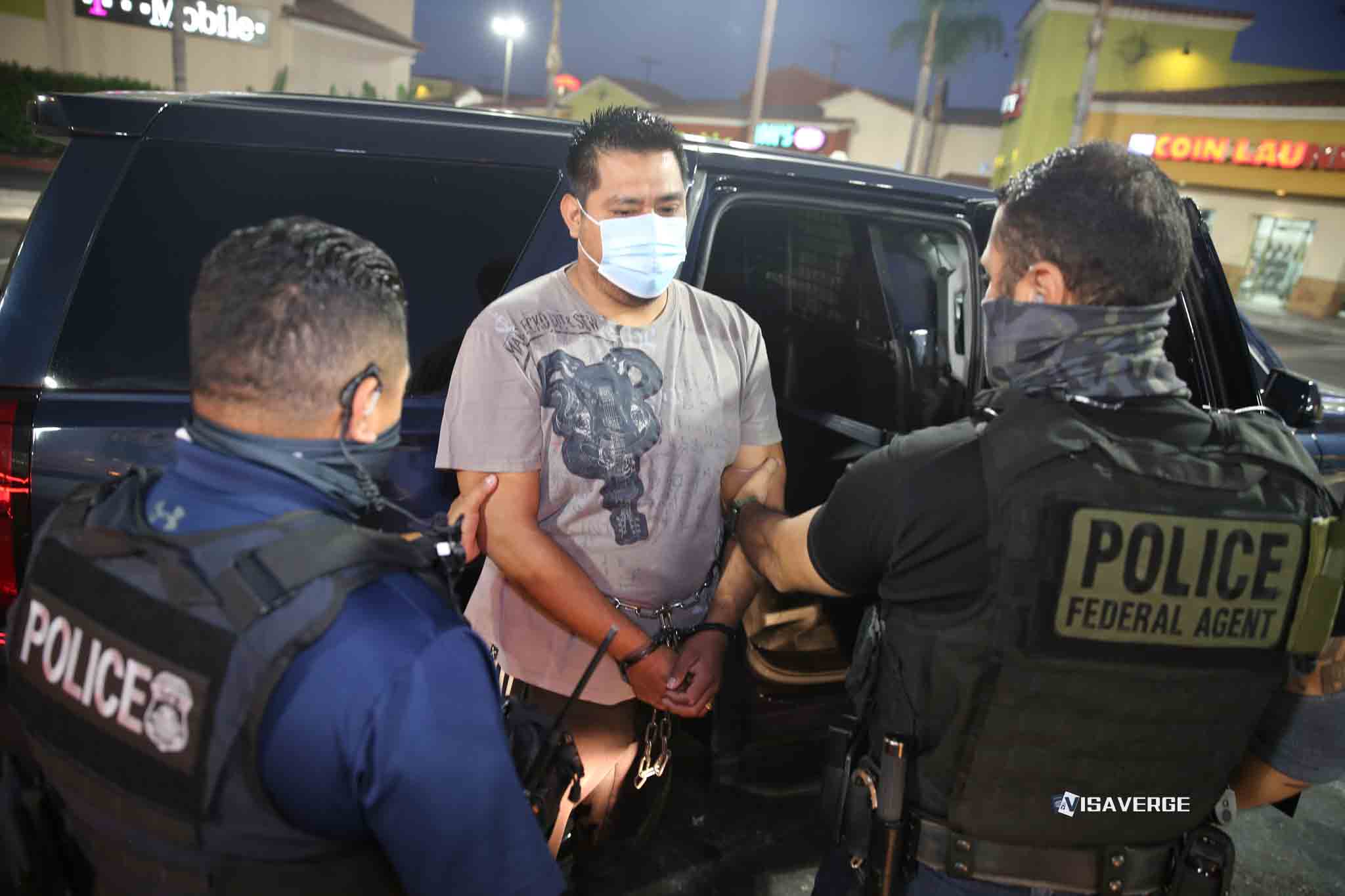
- Baltimore County maintains an agreement with Immigration and Customs Enforcement known as a Memorandum of Understanding (MOU).
- The MOU requires jail officials to notify federal agents when people with ICE warrants are in custody.
- Civil-rights advocates, including the ACLU of Maryland, have criticized the MOU for potentially pulling local police and detention staff into federal enforcement and for creating fears that deter witnesses and victims from calling for help.
Supporters of tighter cooperation with ICE argue that communication between the jail and federal agents can help remove people accused of serious crimes and keep communities safe. Critics counter that immigration status and criminal guilt are not the same, noting that detainers and administrative warrants can be issued without the protections associated with criminal warrants reviewed by a judge. In practice, critics say, families sometimes face sudden separations when a person finishes a local sentence or posts bond—only to be handed to federal custody.
Patoka’s background and the limits of inference
Patoka’s biography notes roles that show past involvement with immigrant and community programs:
- Executive director, Maryland Governor’s Office of Community Initiatives (2007–2015)
- Member, Maryland Council for New Americans (2008–2010), a state body focused on newcomer integration
Those roles indicate experience with immigrant issues but do not confirm a current legislative push. Patoka’s official site, izzypatoka.com, also showed no update announcing a new immigrant protections measure as of Tuesday.
State law changing the local landscape: House Bill 1222
Even without a confirmed Patoka bill, state law is already reshaping what local governments in Maryland can do with federal immigration authorities.
- HB 1222 (2025), enacted as Chapter 718 in the 2025 Regular Session, is set to take effect on Oct. 1, 2025.
- The law restricts new “immigration enforcement agreements” between state or local agencies and the federal government, including certain arrangements authorized under 8 U.S.C. § 1357.
Key provisions:
- New agreements are barred unless the Maryland Attorney General determines they are necessary.
- Existing agreements that lack that determination must be ended.
- The law directs state leaders to set clearer ground rules on where immigration enforcement should and should not happen, requiring the Attorney General to issue guidance on “sensitive locations” (e.g., schools and hospitals).
- It calls for distinctions between public and nonpublic spaces to reduce liability for institutions and limit when employees take part in enforcement activity.
Readers can find the bill text and legislative history on the Maryland General Assembly’s official site at HB 1222 (2025).
What this means for Baltimore County
For Baltimore County, the state law raises immediate questions:
- Does the county’s existing ICE MOU fall within the types of agreements the Attorney General must review?
- Has the county sought, received, or been denied an Attorney General determination related to the MOU?
- Has the county held a vote or produced official documentation tied to House Bill 1222’s requirements?
Publicly available records do not answer these questions. That uncertainty helps explain why rumors of local “immigrant protections” bills spread quickly: residents perceive policy shifts but often do not see clear local announcements explaining what will change.
Important: As of Dec. 16, 2025, there is no confirmed record that Izzy Patoka has introduced a bill offering immigrant protections in Baltimore County. Meanwhile, House Bill 1222 is an enacted state law that could force local agencies to rethink how they work with immigration authorities.
Practical stakes for families and county operations
Immigration lawyers who work with mixed-status families emphasize that the stakes are concrete, not abstract:
- When local agencies share information with ICE, a routine arrest can escalate into detention and removal proceedings—even for people who have lived in the United States 🇺🇸 for years.
- Counties face legal and budget pressure over how long a jail can hold someone on an immigration request that is not a criminal warrant.
- According to analysis by VisaVerge.com, states that set tight limits on local participation in federal enforcement often aim to:
- Protect due process, and
- Preserve trust between residents and local police, especially where many people hesitate to report crimes.
A lesser-known requirement that affects daily county interactions
House Bill 1222 also includes a notification and voluntary disclosure requirement that can affect everyday interactions with county offices.
- The law calls for notification and voluntary disclosure of immigration status before some protections or requirements are applied.
- The source material does not spell out how Baltimore County will implement that language.
- Lawyers note this can matter in places where residents seek local help—health programs, tenant services, etc.—and may hesitate to answer questions that could expose them to ICE.
The ACLU of Maryland warns that cooperation policies can reduce community safety if people avoid reporting domestic violence or wage theft. County officials typically say they must balance trust with compliance duties and jail management. Still, without a filed local bill, residents are left parsing social media posts instead of reading drafted county language.
What residents should watch next
For now, the most solid facts are procedural:
- No confirmed Patoka immigrant-protections bill (as of Dec. 16, 2025).
- House Bill 1222 is a real, enacted state constraint taking effect Oct. 1, 2025, that could force changes in local agreements with federal immigration authorities.
If you want to follow developments, monitor these sources:
- Baltimore County Council agendas and meeting minutes for any formal proposals or votes.
- Official county statements or press releases about the MOU or new policies.
- Maryland Attorney General guidance or determinations related to existing agreements.
- The Maryland General Assembly page for HB 1222: HB 1222 (2025).
Residents asking what the county will do next may need to wait for formal filings, council action, or Attorney General determinations rather than rely on social media reports.
Claims that Councilman Izzy Patoka filed an immigrant-protections bill are unsupported by public records as of Dec. 16, 2025. Patoka’s history includes work on immigrant programs, but his official channels show no new legislation. Separately, Maryland’s HB 1222 (2025), effective Oct. 1, 2025, limits new local-state immigration enforcement agreements unless the Attorney General approves them and may require terminating agreements that lack such determinations, raising immediate questions for Baltimore County’s existing ICE MOU.