Quick Glance:
- Germany offers a variety of visas for different purposes, such as short stays or longer stays for studying or working.
- The visa application process includes determining the type of visa, completing the application form, gathering required documents, and attending an interview.
- Important tips for a smooth visa application include early preparation, ensuring passport validity, having travel insurance, and providing proof of financial means. Are you considering a trip to Germany, perhaps for a vacation, to study, or even for work? Whatever your reason may be, if you’re a non-EU citizen, you’ll likely need a visa. Understanding the process can feel daunting, but I’m here to walk you through it step by step, ensuring that you get all the information you need in a clear and accessible way.
A Glimpse into Germany’s Visa Requirements
Germany, as a member of the European Union and the Schengen Agreement, offers a variety of visa options depending on the nature and duration of your stay. It’s important to choose the right visa to avoid any complications.
For short stays, such as tourism, business trips, or visiting family and friends, the Schengen Visa is your go-to. It allows you to stay in Germany and other Schengen countries for up to 90 days within a 180-day period.
Free toolDS-160 Form Filling Online Helper ToolOn the other hand, if you’re planning a longer stay for reasons like studying, working, or reuniting with family, you’ll require a national visa specific to your circumstances, which will enable you to reside in Germany for more than 90 days.
Simplifying the Application Process
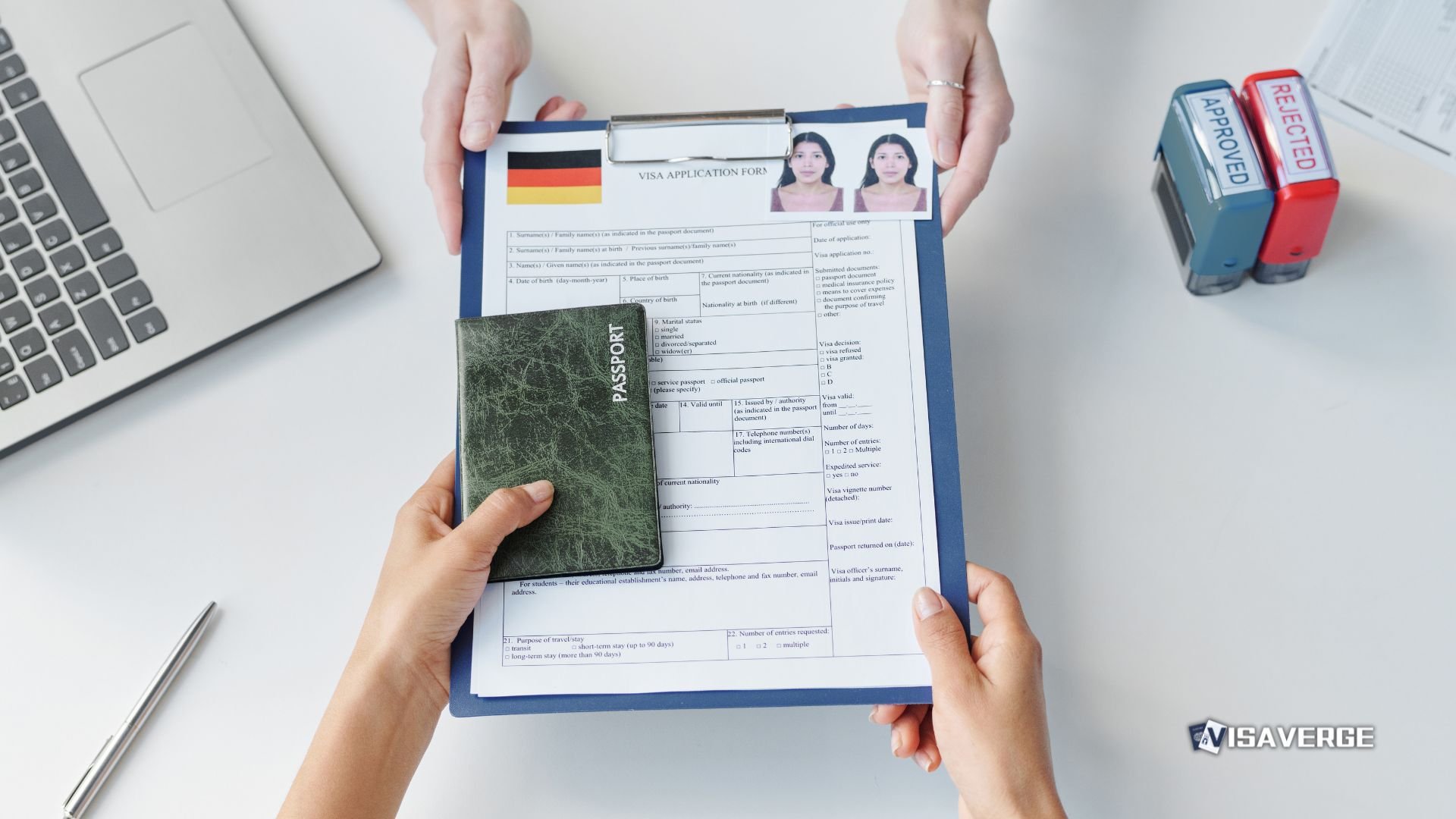
Applying for a German visa involves several steps, but let’s break them down to make them easy to understand:
- Determine the Type of Visa Needed: Assess your reason for travelling, and choose between a Schengen Visa or a national visa accordingly.
- Complete the Application Form: Fill out the relevant application form carefully. Mistakes can lead to delays, so take your time and double-check everything.

- Gather the Required Documents: This includes your passport, photographs, travel itinerary, proof of accommodation, travel insurance, and any other documents specific to the type of visa you’re applying for.
- Schedule an Appointment: Book an appointment at the German embassy or consulate in your home country. Waiting times can be lengthy, so do this well in advance of your planned trip.
- Attend the Visa Interview: Bring all your documents and be prepared to answer questions about your trip during the interview.
- Pay the Visa Fee: Fees vary depending on the type of visa and your nationality, but generally, you’ll be required to pay the fee on the day of your interview.
- Wait for Processing: The processing time can vary, so be patient. Schengen Visas typically take about two weeks, but national visas can take several months.
Essential Tips for a Smooth Experience
- “Preparation is the key to success,” as the old saying goes. This is certainly true for visa applications. Start your application process as early as possible to avoid last-minute stress.
- Make sure your passport has at least two blank pages and is valid for at least three months beyond your planned departure date from Germany.
- Travel insurance is a must; it should cover at least €30,000 and be valid throughout the Schengen Area.
- Proof of financial means is important. You need to show that you can support yourself during your stay.
For More Information
For the most current and detailed information, visit the official website of the German Federal Foreign Office (https://www.auswaertiges-amt.de/en). They provide comprehensive guides and resources that will answer any intricate questions you may have.
The journey to getting a visa for Germany can seem complex at first, but by taking it one step at a time and making sure you’re well-prepared, you’ll navigate the process successfully. Remember, every effort you put into ensuring your application is complete and accurate will bring you one step closer to exploring the rich culture, history, and beauty of Germany. Safe travels and viel Glück (good luck)!
So there you have it, the lowdown on Germany’s visa requirements! Whether you’re planning a quick Schengen getaway or a longer adventure, understanding the process is key. But don’t fret, my friend. For even more in-depth info and helpful resources, head over to visaverge.com. It’s like having a tech-savvy friend guiding you through the visa maze. Happy travels and let’s say Auf Wiedersehen to any visa-related worries!
FAQ’s to know:
FAQ 1: What are the different types of visas for Germany and when should I choose each?
Answer: Germany offers two main types of visas: the Schengen Visa and the national visa. The Schengen Visa is suitable for short stays, such as tourism or business trips, allowing you to stay in Germany and other Schengen countries for up to 90 days within a 180-day period. On the other hand, if you plan to stay in Germany for longer durations, such as for studying, working, or reuniting with family, you’ll need a national visa specific to your circumstances, which enables you to reside in Germany for more than 90 days.
FAQ 2: What is the application process for a German visa?
Answer: The application process for a German visa involves several steps. Here’s a simplified breakdown:
- Determine the Type of Visa Needed
- Complete the Application Form
- Gather the Required Documents
- Schedule an Appointment
- Attend the Visa Interview
- Pay the Visa Fee
- Wait for Processing
Remember to start your application process early, double-check all your documents, and be patient during the processing time.
FAQ 3: What tips can enhance my visa application experience for Germany?
Answer: Here are some essential tips for a smooth visa application experience:
- Start your application process early to avoid last-minute stress.
- Ensure your passport has at least two blank pages and is valid for at least three months beyond your planned departure date.
- Obtain travel insurance coverage of at least €30,000, valid throughout the Schengen Area.
- Gather proof of financial means to demonstrate your ability to support yourself during your stay.
Following these tips will help you prepare adequately and increase your chances of a successful visa application for Germany.
What did you learn? Answer below to know:
- True or False: As a non-EU citizen planning a short trip to Germany, you can stay in the country and other Schengen countries for up to 90 days within a 180-day period with a Schengen Visa.
- Which step of the German visa application process involves gathering documents such as passport, photographs, travel insurance, and proof of accommodation? a) Determine the Type of Visa Needed b) Complete the Application Form c) Gather the Required Documents d) Schedule an Appointment
- What is the minimum validity requirement for a passport when applying for a German visa? a) 1 month beyond the planned departure date b) 3 months beyond the planned departure date c) 6 months beyond the planned departure date d) 12 months beyond the planned departure date