- A multiple-entry visa allows repeated travel to a destination as long as the visa remains valid.
- Travelers must still respect stay limits, such as the Schengen 90-day rule or U.S. 6-month period.
- Consistent compliance and strong home ties are essential for securing long-validity approvals for future travel.
A multiple-entry visa lets travelers enter and leave the same country, or a visa zone such as Schengen, as many times as the visa stays valid. Single-entry visas end after one exit, even if time remains on the sticker. For frequent business trips, family visits, and repeat tourism, that difference changes the whole trip plan.
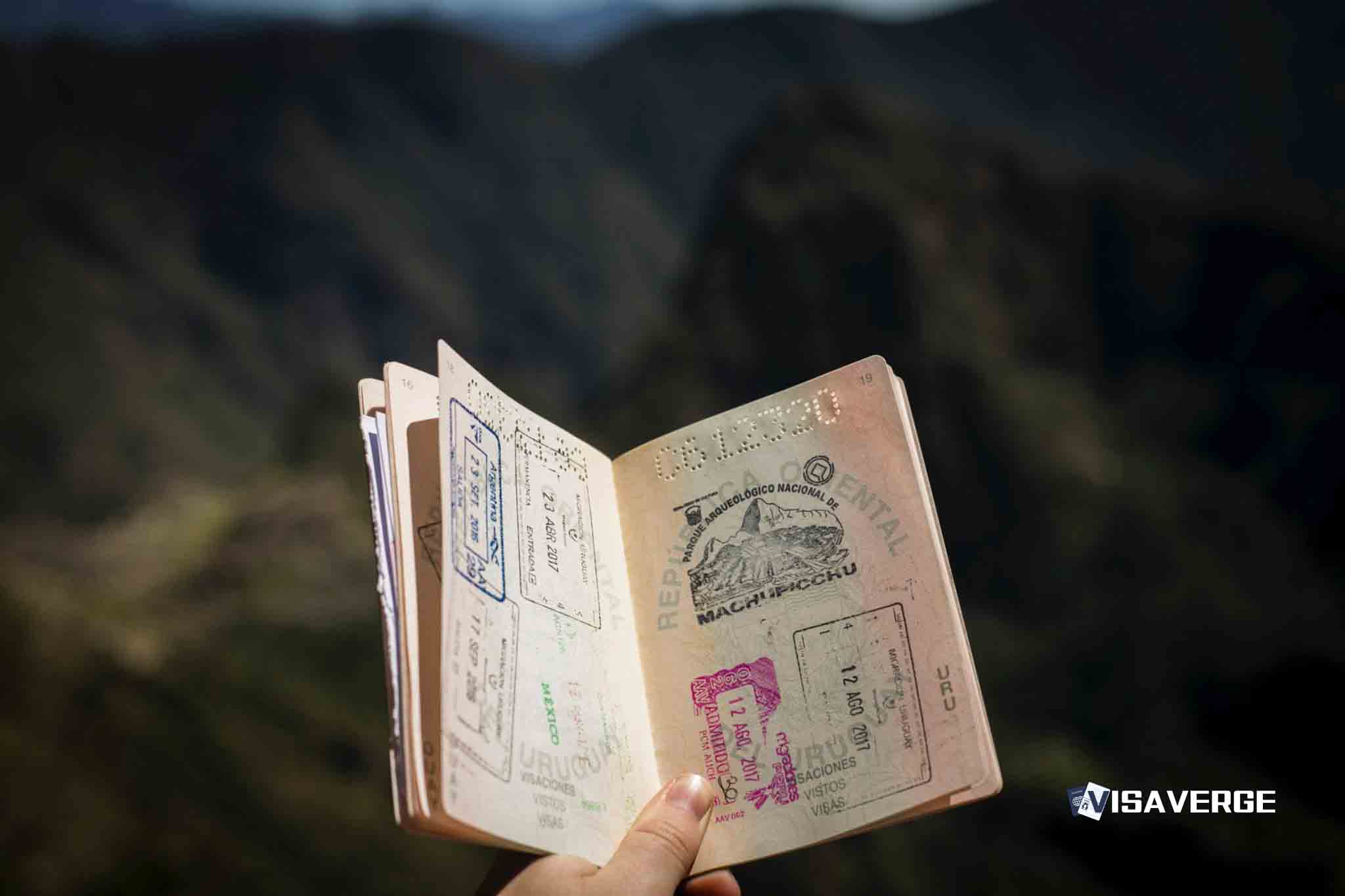
The practical advantage is simple: one approval covers several visits. That saves time, cuts repeated filing, and gives travelers room to change plans without starting over. According to analysis by VisaVerge.com, the biggest benefit is not just convenience, but predictability for people who cross borders often and need room for last-minute changes.
How the visa works at the border
A multiple-entry visa still has limits. Each visit must stay within the allowed period, and the traveler must leave before that limit expires. In the Schengen area, the usual rule is 90 days in any 180-day period. In the United States, the officer at entry decides how long each stay lasts, and that is often 6 months. Canada also allows repeated entries while the visa remains valid, usually for up to 10 years or until the passport or biometrics expire.
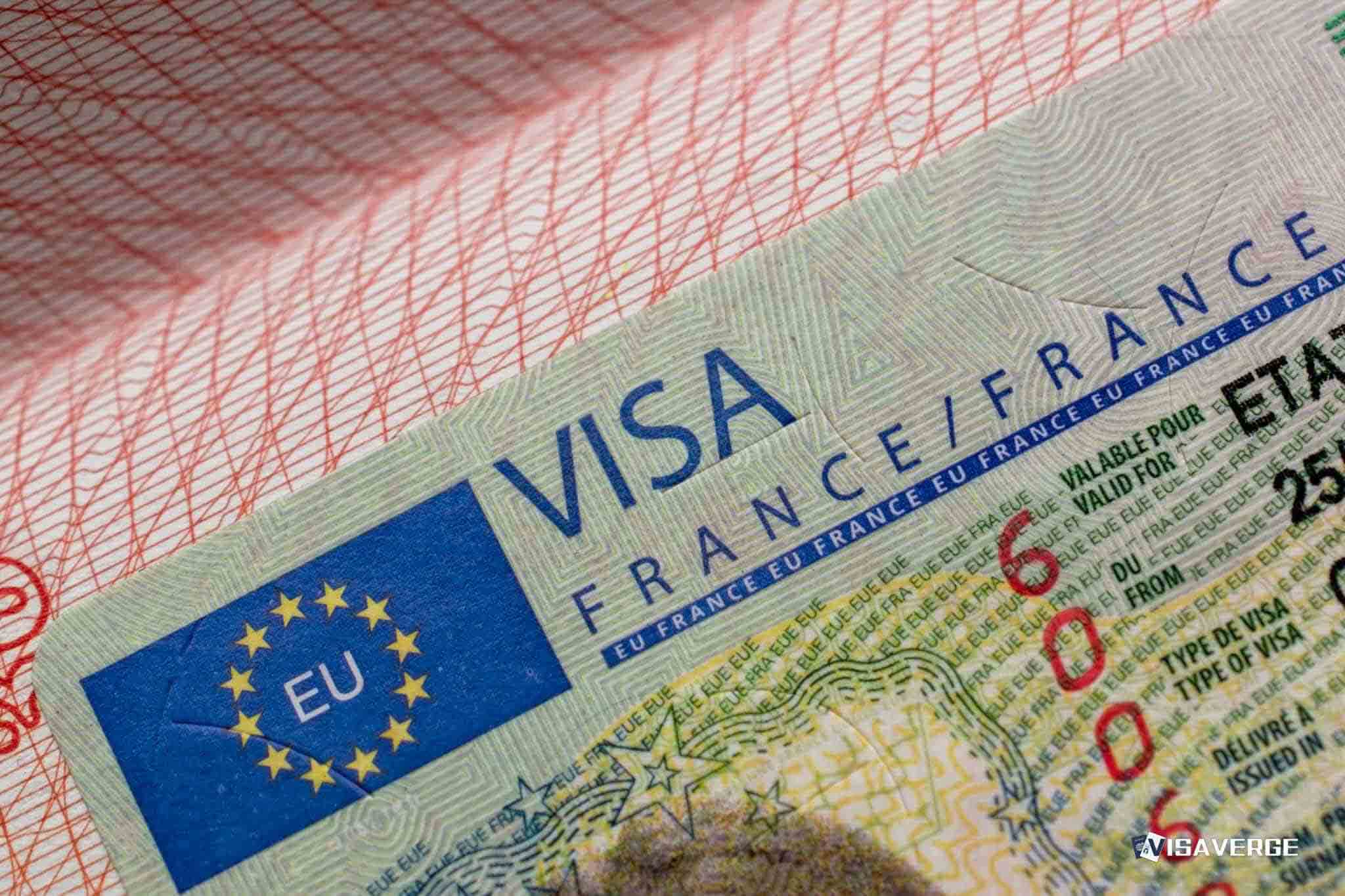
Free toolDS-160 Form Filling Online Helper ToolVisa stickers often show clear marks. The United States uses “M” for multiple entry. Schengen visas often show “MULT.” A single-entry visa usually shows “1.” That small mark controls whether the traveler can return after leaving.
The application journey from form to decision
The process starts with the correct form. For the United States, applicants usually complete Form DS-160 online, upload a photo, and print the barcode confirmation. Other countries use their own online or paper forms, but the idea is the same: show who you are, why you are traveling, and why you need more than one entry.
| India | China | ROW | |
|---|---|---|---|
| EB-1 | Feb 01, 2023 ▲109d | Jul 01, 2023 | Current |
| EB-2 | Nov 01, 2013 | Oct 01, 2021 ▲30d | Jan 01, 2025 |
| EB-3 | Jan 01, 2014 | Jan 08, 2022 ▲7d | May 15, 2024 ▼109d |
| F-1 | Jan 22, 2020 | Jan 22, 2020 | Jan 22, 2020 |
| F-2A | Sep 22, 2026 ▲31d | Sep 22, 2026 ▲31d | Sep 22, 2026 ▲31d |
After the form comes the document packet. Officers expect a passport valid well beyond the last planned exit, recent passport photos, proof of work or study, bank records, property papers, invitation letters, travel plans, and earlier visas that show the traveler followed the rules. For repeat travel, prior lawful use matters. A history of entering and leaving on time often carries more weight than a long explanation.
Fees come next. The United States charges $185 for a B-1/B-2 visa, plus a $250 integrity fee in 2026. Schengen fees vary by nationality. Applicants then book an interview at the embassy or consulate that handles their nationality and location. Wait times often run 4 to 8 weeks. After the interview, officers review the file and either issue a visa sticker or refuse the request.
For official U.S. guidance on visitor visas, travelers should review the U.S. Department of State’s visitor visa page.
Who gets approved first
Officers look for low-risk applicants. Strong travel history helps. So do clear ties to home, such as a steady job, family responsibilities, property, and enough money to cover the trip. The goal is to show nonimmigrant intent, meaning the traveler plans to leave.
Schengen countries often reserve long-validity multiple-entry visas for people who already used visas properly. A 2-year multiple-entry visa usually follows two lawful Schengen visas used during the previous three years. A 5-year visa usually follows proper use of a 2-year visa. First-time applicants usually start with shorter visas.
Nationality also affects the result. Chinese nationals holding 10-year U.S. B visas must update EVUS every two years, with a $30 fee in 2026. Hong Kong, Macau, and Taiwan passport holders are exempt from that EVUS rule. Applicants who show weak ties, weak history, or a risky purpose may receive a single-entry visa instead.
Country-by-country differences that change travel plans
The United States issues multiple-entry B-1/B-2 visas for business and tourism, often for up to 10 years. Canada also issues multiple-entry temporary resident visas, usually for up to 10 years. Vietnam allows repeated entry during the visa’s valid period, while a single-entry visa ends once the traveler leaves.
Schengen visas cover 29 countries and remain among the most watched examples because one visa can open much of Europe. The tradeoff is strict stay control. Travelers must count days carefully. Exceed the limit, and future entries can disappear fast.
Japan also offers double-entry options for certain travelers, and other systems change often. Rules, fees, and entry conditions move faster than most travelers expect. That is why embassy websites stay the safest reference point, not agents or social media posts.
What repeat travelers should watch before every trip
A multiple-entry visa does not protect against every problem. The passport must stay valid, the visa must stay unexpired, and the traveler must keep entry records clean. Overstays trigger fines, deportation, and future refusals. Lost passports require new paperwork, even when the old visa approval still helps show a travel pattern.
Airlines check requirements before boarding. Some routes also require electronic updates, such as EVUS for Chinese U.S. B visa holders. Travelers should keep copies of old passports, entry stamps, and approval notices in one place. That paperwork often decides whether the next trip is smooth or delayed.
For families and business travelers, the real value lies in fewer interruptions. A single approval can support school visits, client meetings, medical trips, weddings, and short returns home. The visa does not remove scrutiny. It just gives approved travelers more room to move.
Building a stronger record for the next approval
The safest path is consistent compliance. Apply early, keep every visit within the allowed stay, and use the visa exactly as approved. Travelers who want a longer-validity multiple-entry visa usually build that record over time. A clean travel history, strong ties, and complete documents matter more than urgency.
Embassies and consulates remain the final word. Their rules change, and their officers decide each case individually. Travelers who read the instructions carefully, keep copies of every document, and respect the stay limit place themselves in the strongest position for future entries, whether they hold a single-entry visa today or hope for Schengen or long-validity approval later.