- Rwanda and South Africa signed a diplomatic roadmap to restore normal travel and visa access.
- Full implementation of visa access for Rwandan passport holders is expected by mid-2027.
- The agreement ends twelve years of restrictions and extends to trade, health, and regional security.
(PRETORIA, SOUTH AFRICA) – Rwanda and South Africa signed a roadmap on June 17, 2026, to ease visa restrictions and restore normal travel between the two countries after more than a decade of strained relations.
Ronald Lamola, South Africa’s Minister of International Relations and Cooperation, and Olivier Nduhungirehe, Rwanda’s Minister of Foreign Affairs and International Cooperation, signed a joint communiqué in Pretoria after high-level talks. The agreement sets South Africa on a path to restore visa access for ordinary Rwandan passport holders, with full implementation expected by mid-2027.
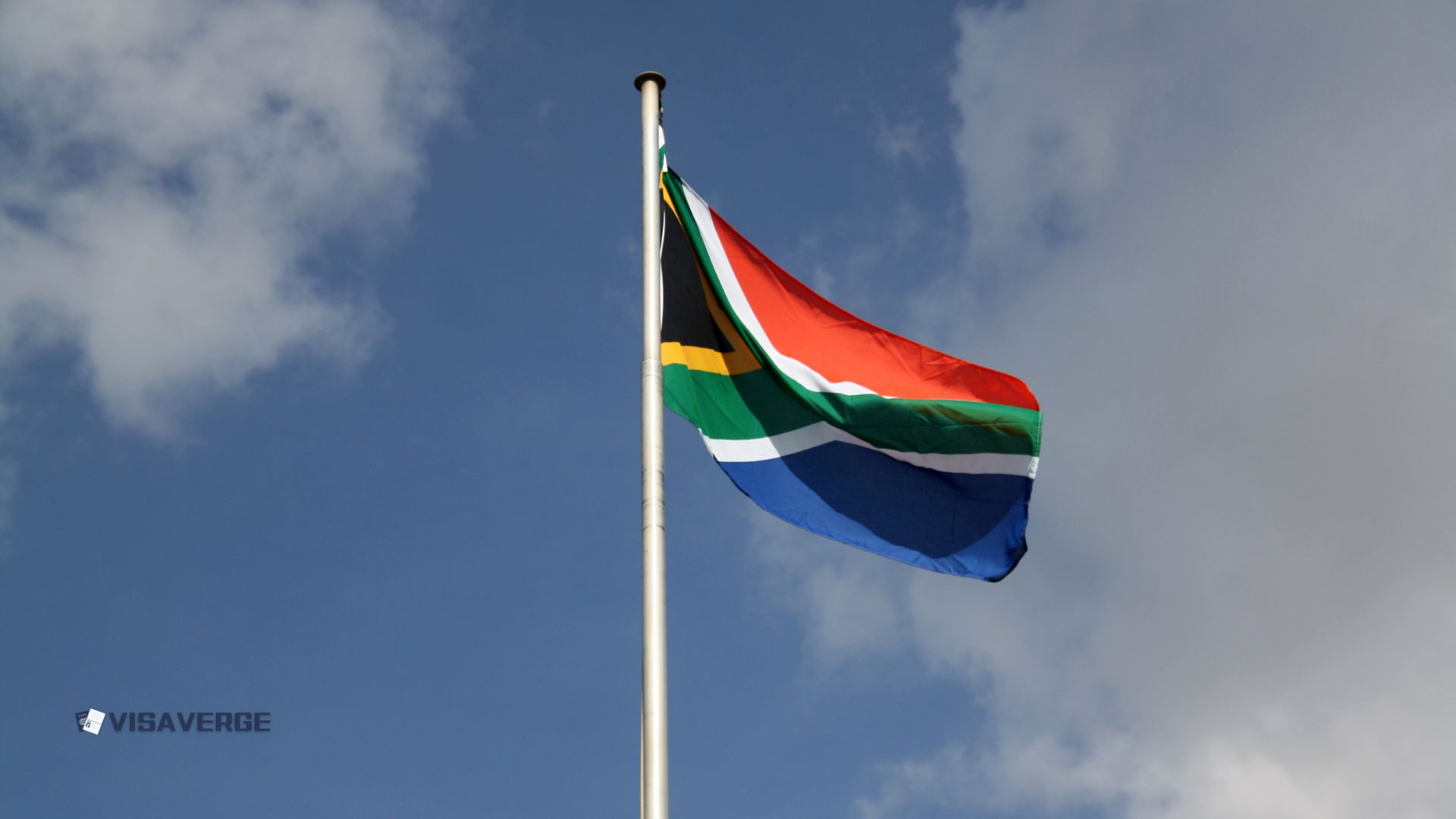
Rwanda will continue to allow visa-free entry for South Africans under its African Union-wide policy. The two governments also said the accord extends beyond travel and covers trade, health, education and regional security cooperation.
Free toolDS-160 Form Filling Online Helper ToolNduhungirehe described the deal as a diplomatic reopening after years of restrictions that had sharply limited travel by ordinary Rwandans to South Africa, a regional center for business and higher education. “I’m happy to note that we will move forward regarding the normalisation and resumption of visas for Rwanda, pending technical processes. Whatever the challenges that happened between our two countries, we believe that the bond between Rwanda and South Africa is unbreakable.”
Relations deteriorated in 2014 after security disagreements. Since then, ordinary Rwandans faced barriers to entering South Africa, including requirements that effectively halted routine travel unless travelers carried special documentation.
The new roadmap addresses what the joint communiqué called technical and security concerns tied to those restrictions. If the timetable holds, Rwandans seeking business and tourism travel will again be able to apply for South African visas without special passport requirements.
South Africans already receive visa-free access to Rwanda for up to 90 days. That arrangement flows from Rwanda’s decision, in place as of 2025, to eliminate visa requirements for all African Union citizens.
The shift comes as governments across Africa continue to weigh mobility against security screening, and as Rwanda and South Africa try to rebuild a relationship that carries diplomatic and commercial weight in the region. Easier entry rules are likely to matter most for business travelers, students and families with ties in both countries.
U.S. Immigration Landscape Adds Complexity
Developments in the United States added another layer to the picture for Rwandan nationals in June 2026. On June 5, 2026, the U.S. District Court for the District of Rhode Island vacated USCIS policies PM 602-0192 and PM 602-0194, which had imposed a “hold and review” process on immigration applications from 39 “high-risk” countries, including Rwanda.
That ruling removed an added layer of adjudicative delay tied to country designation. A week later, on June 12, 2026, USCIS said it would comply while reserving the option to keep fighting the order.
“USCIS strongly disagrees with the Court’s order but will follow its terms pending possible further judicial review.”
The court action did not produce broader relaxation across the U.S. immigration system. On May 22, 2026, USCIS issued a memo, later reaffirmed in June, requiring most non-immigrants, including tourists, students and workers, to return to their home countries to pursue green cards through consular processing instead of adjusting status inside the United States.
That policy affects nationals from Rwanda and South Africa in the same way it affects others in temporary status. People already in the United States may face fewer country-based holds after the Rhode Island ruling, but a harder line on adjustment of status now shapes the route to permanent residency.
Zach Kahler, USCIS spokesman, framed the change as a return to consular processing as the default. “An alien who is in the U.S. temporarily and wants a green card for permanent residency must return to their home country to apply, except in extraordinary circumstances. This policy allows our immigration system to function as the law intended instead of incentivizing loopholes.”
Contrasting Bilateral and Regional Policies
The contrast is stark. Rwanda and South Africa are moving to loosen visa restrictions between them, while the United States has removed one Rwanda-related review policy only as it tightens access to adjustment of status for temporary visitors and workers.
Health controls remain part of the regional travel picture as well. As of May 18, 2026, DHS and the CDC had implemented enhanced screening for travelers arriving from the Democratic Republic of Congo and Uganda because of an Ebola outbreak.
Those screening measures do not target Rwanda or South Africa in the bilateral sense, but they can affect transit across the region. Travelers whose itineraries pass through neighboring countries may still encounter added checks even as Pretoria and Kigali work to restore easier movement.
Staged Implementation and Broader Diplomatic Reset
The practical effect of the bilateral deal will unfold in stages rather than overnight. South Africa has committed to begin restoring visa access for ordinary Rwandan passport holders, but the communiqué ties implementation to technical processes that both governments still have to complete.
That sequencing matters because the restrictions imposed after 2014 lasted 12 years and reshaped how people moved between the two countries. Business travel, academic exchanges and family visits all narrowed during that period, especially for Rwandans who could not meet South Africa’s stricter entry conditions.
Lamola and Nduhungirehe placed the agreement inside a broader effort to reset official relations, not simply reopen consular channels. Trade, health cooperation, education links and regional security all appear in the communiqué, suggesting both sides want the visa issue treated as one part of a larger political repair.
That wider framing also reflects the way visa policy often functions in the region, as both a border control tool and a diplomatic signal. Restoring access for ordinary passport holders reverses one of the most visible consequences of the breakdown between Rwanda and South Africa.
For South Africans, the picture is simpler in the short term because Rwanda’s visa-free policy is already in place. The more immediate change falls on Rwandan travelers, who stand to regain a formal route to South African visas for tourism and business once the agreed steps are carried out.
The agreement leaves room for technical negotiations, but its political message was clear in Pretoria. After years in which visa restrictions stood as a symbol of rupture, Rwanda and South Africa have now put their names to a timetable for reopening the route.