- The European Union has restricted short-stay visas for Somali nationals due to poor migration cooperation.
- Processing times for Somali applicants increase to forty-five days with no multiple-entry visas allowed.
- Diplomatic fee waivers are suspended, while Italy abstained from the vote citing potential progress.
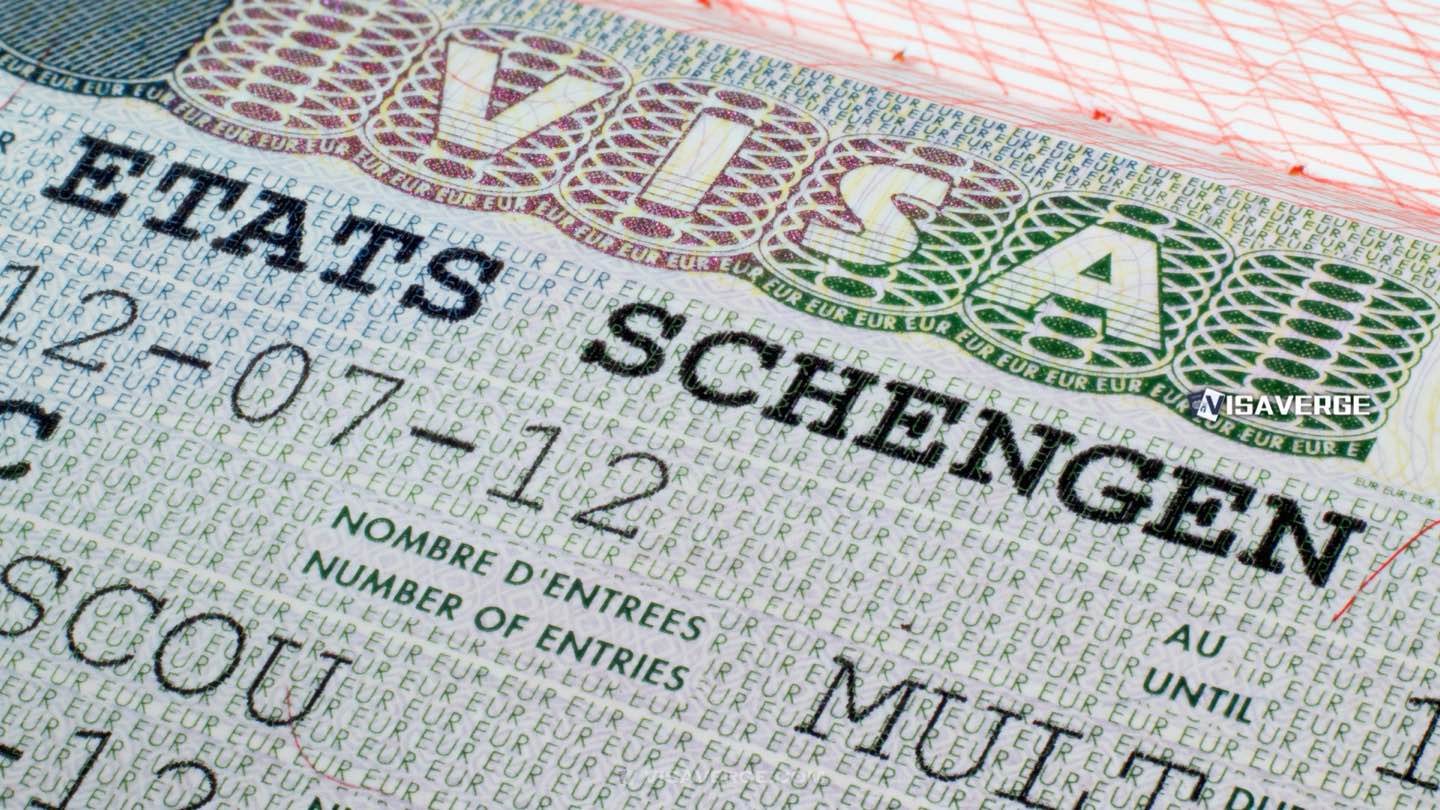
(EUROPEAN UNION) — The Council of the European Union adopted a decision on June 25, 2026, to temporarily restrict short-stay visas for Somali nationals, citing what it called insufficient cooperation by Somalia in readmitting its citizens who are staying irregularly in European Union member states.
The bloc invoked Article 25a of the Visa Code, a provision that allows the EU to use visa policy to press third countries to cooperate on migration and readmission. Under the decision, member states can no longer issue multiple-entry visas to Somali nationals, visa processing times rise from 15 to 45 calendar days, authorities may no longer waive requirements for evidence and supporting documents, and visa fee waivers for holders of Somali diplomatic and service passports are suspended.
“Today, the Council decided to temporarily restrict visa provision for Somali nationals. The objective is to encourage Somalia to improve cooperation on readmission, and the Commission will continue to assess any progress made,” the Council said in a press release published on June 25, 2026.
Free toolDS-160 Form Filling Online Helper ToolThe move adds Somalia to a growing area of EU migration policy in which visa access becomes a tool of pressure. Officials presented figures to the EU Justice and Home Affairs Council in early June 2026 showing that the number of Somali nationals arriving irregularly in the EU more than doubled between 2024 and 2025.
Italy abstained when the Council voted. Rome said in an official statement on June 24, 2026 that Somalia had recently signaled it would lift its suspension of non-voluntary returns effective July 1, 2026, and argued that activating restrictive measures at that point might “undermine the positive momentum.”
The Council’s implementing decision, published as Document 10268/26, marks a tighter approach to readmission disputes that had often been handled through diplomatic contacts rather than direct limits on visa access. In this case, the restrictions target routine consular practice as well as diplomatic privileges.
Somali nationals seeking EU short-stay visas now face a longer and more document-heavy process even when their travel plans are lawful. Students, business professionals and family visitors are among those affected by the extension of processing times to 45 calendar days and the end of waivers for supporting evidence.
Somali officials also lose a benefit that had eased official travel. The suspension of fee waivers for holders of diplomatic and service passports places pressure on the government level as the EU tries to secure greater cooperation on deportations and returns.
U.S. Measures and Restrictions
The European decision comes as the United States maintains its own set of restrictions and temporary measures tied to Somalia. In one track, the Department of Homeland Security moved to terminate Temporary Protected Status for Somalia effective March 17, 2026; in another, a federal court order in May 2026 led U.S. Citizenship and Immigration Services to automatically extend the validity of employment authorization documents for Somali TPS holders through July 1, 2026 while litigation continues.
USCIS posted that update on its Temporary Protected Status designated country page for Somalia. The litigation leaves Somali TPS holders in the United States waiting for a clearer answer on whether they can continue to live and work in the country after the current extension expires on July 1, 2026.
Another U.S. measure took effect on January 21, 2026, when the State Department paused all immigrant visa issuances for nationals of 75 countries, including Somalia. The administration cited “public charge” concerns and the need for a full review of screening procedures.
A broader entry restriction also took effect earlier in the year. Presidential Proclamation 10998, effective January 1, 2026, imposed a full entry suspension for most Somali nationals, citing that “Somalia lacks a competent or cooperative central authority for issuing passports or civil documents.”
That combination leaves Somali travelers dealing with two separate systems of restraint in 2026, one in Europe tied to readmission cooperation and one in the United States tied to entry, immigrant visa processing and temporary protection. The measures do not operate in the same legal framework, but both tie mobility rights to government-to-government concerns over documentation, screening and removals.
Scope and Application of the EU Decision
Within the EU system, the June 25 decision applies to short-stay visas rather than residence permits or long-term migration channels. Short-stay visas generally cover travel such as tourism, business meetings, family visits and other limited stays, which means the immediate effect falls on everyday cross-border movement rather than on a separate long-term admission process.
The change in processing time alone can alter travel planning. A standard application period that had been 15 days now stretches to 45 calendar days, adding weeks of delay for applicants who already must line up appointments, gather paperwork and wait for consular decisions before booking travel with confidence.
The documentation rule carries its own consequences. When member states lose the option to waive evidence and supporting documents, applicants who once had flexibility based on prior travel history or consular discretion must now present fuller files, raising the burden on travelers who can show a lawful purpose for travel but still must satisfy tighter procedural checks.
The fee-waiver suspension serves a different purpose. By removing visa fee waivers for diplomatic and service passport holders, the Council aimed pressure more directly at official Somali travelers rather than limiting the burden to private applicants alone.
Temporary Nature and Diplomatic Context
European officials framed the step as temporary and linked it to cooperation benchmarks, not as a permanent closure. The Council said the objective is to push Somalia to improve readmission cooperation and said the European Commission will continue assessing any progress made.
Italy’s abstention showed that the bloc did not reach the decision without debate. Its statement pointed to Somalia’s reported readiness to resume non-voluntary returns from July 1, 2026, suggesting some member states saw a risk that immediate restrictions would cut across a moment of possible movement.
The dispute also shows how migration policy now reaches into consular rules that many travelers encounter first. Readmission talks, returns policy and internal asylum pressures often play out far from embassy counters, yet the result here is felt in appointment calendars, document checklists, visa fees and the disappearance of multiple-entry permits.
Somalia’s case now sits at the intersection of those systems on both sides of the Atlantic. In Europe, the legal basis is Article 25a of the Visa Code and the decision of the Council of the European Union; in the United States, the relevant records include the USCIS TPS notice and the State Department’s Somalia Level 4: Do Not Travel advisory, alongside the January measures affecting entry and immigrant visa issuance.
For Somali nationals with lawful reasons to travel, the practical effect is immediate even before any broader diplomatic result appears. EU short-stay visa applicants now face longer waits, more paperwork and no multiple-entry visas, while Somali TPS holders in the United States remain under a court-shaped extension that runs to July 1, 2026.