- Andy Burnham’s team proposes targeted tax rises to eliminate green levies from household energy bills.
- The plan suggests shifting costs to the capital gains tax system to maintain environmental funding.
- The UK Climate Change Committee supports reducing electricity costs to meet national net-zero goals.
(UK) — Andy Burnham’s team is weighing “targeted tax rises” to fund the removal of green levies from household energy bills. The proposal is linked to a first-budget move under a possible future Burnham government.
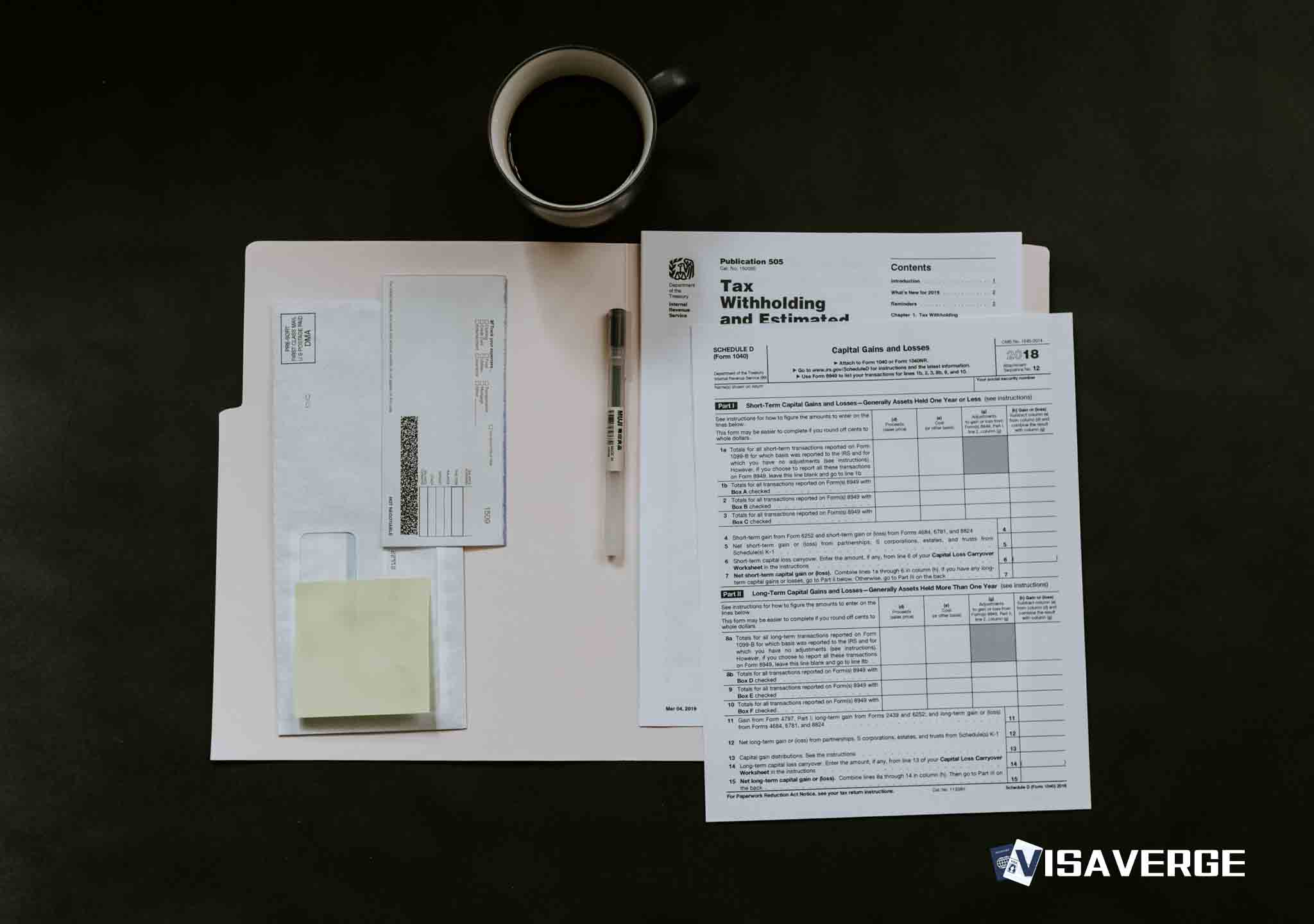
The plan under discussion would shift the cost of those levies off energy bills and onto the tax system, rather than cutting them without replacement funding. Reforms to capital gains tax represent the most specific funding mechanism currently being explored.
Free toolSubstantial Presence Test Calculator
Burnham has sought to reassure voters that they would not face large tax increases. Framing the proposed rises as targeted is central to that effort, positioning capital gains tax changes as a measured alternative to sweeping increases across the tax system.
Separately, the UK Climate Change Committee has urged the government to remove green levies from energy bills. This is part of efforts to bring down electricity costs and support the country’s net zero goals, creating a convergence with the direction Burnham’s team is exploring.
Both the committee and Burnham’s team seek to remove levies from household bills. The committee’s focus centers on reducing electricity costs and advancing net zero targets, while Burnham’s team grapples with the financing mechanism needed to replace the revenue those levies currently generate.
Moving green levies off energy bills would alter how environmental policy is funded in Britain. Households currently pay the levies as part of their energy charges, and the proposal would transfer that cost to the general tax system. This changes both who pays and how the money is collected.
Capital gains tax reform as a funding source signals an approach that targets specific revenue streams rather than imposing broad-based increases. The choice reflects the tension between maintaining green investment and addressing voter concerns over rising household costs.
The committee’s recommendation underscores the policy pressure building around energy bill reform. Electricity costs in Britain have drawn scrutiny as households contend with elevated prices, and green levies account for a portion of what consumers pay on their bills.
Removing those levies from bills could lower the visible charge households see each month. Funding the same programs through taxation instead would spread the cost across a different base, potentially tying the burden to income or investment gains rather than energy consumption.
Burnham’s effort to reassure voters reflects the political sensitivity surrounding any tax proposal. The distinction between targeted rises and broad increases is one his team appears intent on drawing as the plan develops.
First-budget proposals remain under discussion. No final decisions have been outlined, and the specific scope of any capital gains tax changes has not been detailed.