- Bulgaria proposed raising the fee to €120 for paid long-stay Type D visa applications, up from €100.
- The draft opened a 30-day public consultation on October 5, 2026, and has not taken effect.
- The proposal keeps the family exemption for relatives of Bulgarian citizens; the current fee remains in place for now.
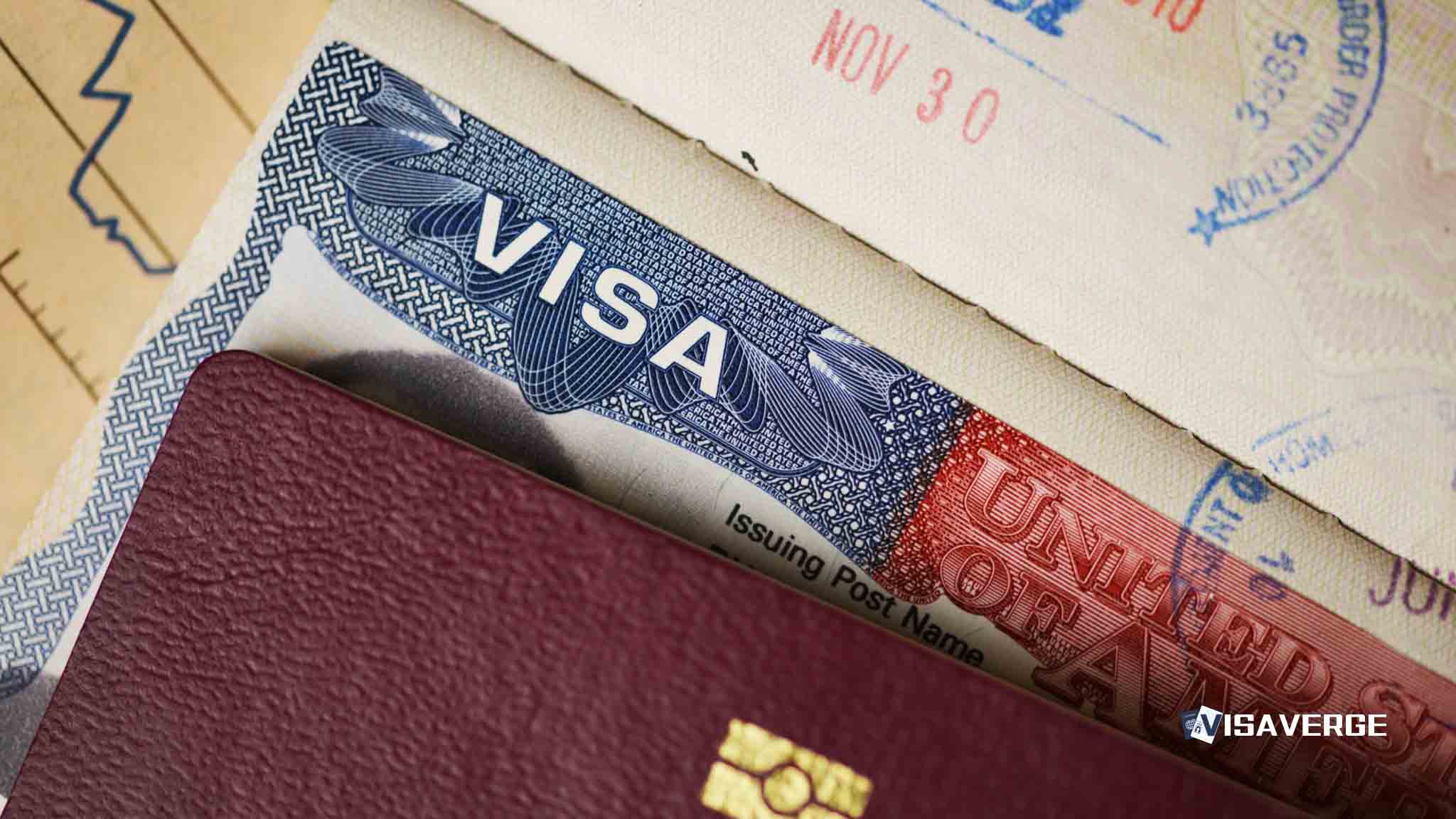
Bulgaria’s Foreign Ministry has proposed raising the processing charge for a long-stay Type D visa from €100 to €120, a 20% fee increase for foreign nationals seeking long-term or permanent residence in the country. The ministry posted the draft on the government’s public consultation portal on October 5, 2026.
The proposal has not taken effect. It would change the charge for processing Type D applications, with the ministry arguing that the existing amount no longer reflects its costs or the fee levels it reviewed elsewhere in the European Union.
Free toolDS-160 Form Filling Online Helper Tool
The proposed difference is €20 per application. The draft sets out a higher charge, but does not make it an enacted rule.
The ministry has framed the change as a response to rising operating expenses and a gap with comparable national visas elsewhere in the bloc. Its review put the EU average at 113 euros, while almost 50% of member states already charge 120 euros or more.
The ministry says the current fee adds pressure to services
The ministry cited higher material, technical and administrative costs as reasons to adjust the tariff. It also argued that a fee below the EU average creates “fiscal, administrative and migration risks.”
The stated concern extends beyond the amount collected for each application. The ministry’s rationale includes the claim that a lower charge draws a larger volume of applications, including some that are later rejected. It says that activity puts pressure on consular services and migration authorities.
The ministry’s comparison uses the EU average and the proportion of member states charging at least the proposed Bulgarian amount. Those figures underpin its argument for bringing the tariff closer to common practice. The proposal does not describe a separate change to the visa’s purpose.
Type D is the national visa used by foreigners seeking to settle in Bulgaria temporarily or permanently. Descriptions of its terms give a validity of up to six months and a stay of up to 180 days.
Bulgarian citizens’ family members remain exempt
The draft leaves the existing exemption for family members of Bulgarian citizens untouched. Under current rules, those relatives do not pay the visa fee, and the proposal does not remove that waiver.
That exception means the proposed tariff would not apply uniformly to every person seeking this visa. The measure concerns the processing charge for applicants who are liable to pay under the current rules; the family exemption would continue.
The ministry’s stated case for the adjustment centers on its cost burden, the EU comparison and the workload associated with applications. The exemption is a separate feature of the existing rules, which the draft would preserve.
The current tariff dates to 2008
The €100 charge has been in place since 2008, according to reporting on the proposal. The ministry’s planned revision would raise that long-standing amount, alongside a technical provision for how tariffs are collected within Bulgaria.
That provision would have tariffs on Bulgarian territory collected in euros after Bulgaria’s currency change. It appears in the same proposal as the Type D adjustment, but deals with the currency used to collect tariffs rather than the visa’s eligibility or duration.
The ministry submitted the draft through its minister, Velislava Petrova-Chamova. Publication opened a 30-day public consultation, giving the proposal a comment period before any change could take effect.
The consultation is open for 30 days. Until the proposal advances beyond that process and is enacted, the existing Type D fee and family-member exemption remain in place.