- Judge Patrick Schiltz threatened ICE leadership with contempt for failing to follow specific judicial orders.
- The dispute involves hundreds of habeas petitions filed following a massive regional enforcement surge in Minnesota.
- Acting Director Todd Lyons must appear in person to address repeated failures to provide timely bond hearings.
(MINNEAPOLIS) — A Minnesota federal judge has threatened to hold the acting ICE director in contempt for flouting court orders, spotlighting a broader enforcement surge and its impact on detainees, habeas petitions, and court oversight.
1) Overview of the contempt threat and why it matters

Judge Patrick J. Schiltz, chief judge of the U.S. District Court in Minneapolis, has taken the rare step of ordering a senior federal official to appear in person. The target is acting ICE Director Todd M. Lyons. A personal-appearance order is an escalation and signals the court believes routine warnings and written directives have not worked.
Contempt of court is not a policy debate. It is a federal judge’s enforcement tool when an agency or litigant does not follow court orders. In immigration detention cases, those orders often involve time-sensitive steps, such as producing a detainee for a bond hearing or explaining why detention continues.
Habeas petitions sit at the center of this dispute. A habeas petition typically asks a federal court to review whether a person is being unlawfully detained or denied basic process. When detention expands quickly, habeas filings can surge too, and courts then watch closely for repeat problems like missed deadlines, transfers that block access to counsel, or failures to provide interpreters.
2) Key officials and public statements: how to read the messaging
DHS and ICE have framed Operation Metro Surge as a public-safety push in the Minneapolis–Saint Paul area. Secretary of Homeland Security Kristi Noem has claimed the administration arrested “over 10,000 criminal illegal aliens,” and also cited “over 3,000 arrests” tied to the operation.
Acting ICE Director Todd M. Lyons has claimed “over 2,500 criminal illegal aliens arrested in Minnesota.” Assistant Secretary Tricia McLaughlin has argued that Minnesota leaders, including Tim Walz and Jacob Frey, “REFUSE to cooperate,” including by limiting ICE access to local jails. Tom Homan has also been tied to operational leadership in Minnesota as the pressure rose.
Public statements can differ from what courts focus on. Messaging centers on enforcement totals and deterrence. Federal judges focus on compliance with orders, individual rights in custody, and whether the government followed deadlines the court imposed.
A large operation can be “successful” by one measure, yet still draw judicial intervention if court-ordered process breaks down in repeated cases.
3) The legal confrontation: what the court ordered and what noncompliance can trigger
January 14, 2026 is the key starting point for the immediate contempt dispute. Judge Patrick J. Schiltz ordered ICE to provide a bond hearing within 7 days for Juan Hugo Tobay Robles, or release him. Bond-hearing timing matters because every day in custody can change legal strategy, family stability, and access to documents.
January 26, 2026 brought a sharper judicial response. The judge issued a contempt-of-court order directing acting ICE Director Todd M. Lyons to appear personally in a Minneapolis courtroom on January 30, 2026. The judge described “extraordinary” violations and referenced repeated noncompliance, not a one-off mistake.
January 27, 2026 continued the confrontation, with the court reiterating the seriousness of the alleged pattern. In federal practice, a contempt track commonly includes a show-cause directive, firm deadlines, and an evidentiary hearing. Sanctions can range from orders requiring specific steps by certain dates to financial penalties in some settings.
A bond hearing directive is not optional. If the government cannot meet a court deadline, it typically must seek relief from the court in advance. Silence, delay, or transfers that defeat the order can be viewed as defiance. That is when personal-appearance orders appear, raising the cost of noncompliance for agency leadership.
| Date | Event | Subject | Impact |
|---|---|---|---|
| January 14, 2026 | Bond-hearing directive issued | Juan Hugo Tobay Robles | ICE ordered to provide a bond hearing within 7 days or release him |
| January 26, 2026 | Contempt of court personal-appearance order | Todd M. Lyons | Acting ICE director ordered to appear personally; court signals escalating enforcement tools |
| January 30, 2026 | Scheduled personal appearance in Minneapolis courtroom | Todd M. Lyons | Court may demand explanations, set compliance deadlines, and consider sanctions |
| January 27, 2026 | Continued court action in the contempt posture | ICE compliance generally | Court reinforces seriousness of alleged repeated noncompliance |
⚠️ Contempt of court implications for agency leadership and potential sanctions if noncompliance continues
A personal-appearance order can precede show-cause findings, strict deadlines, and other sanctions. Agency leaders may be required to explain compliance steps under oath.
4) Operation Metro Surge: why fast enforcement draws fast lawsuits
Operation Metro Surge has been described as a rapid federal buildup in Minneapolis and the Minneapolis–Saint Paul area, with thousands of agents involved. Fast operations can strain detention systems quickly, tightening bed space and accelerating transport decisions.
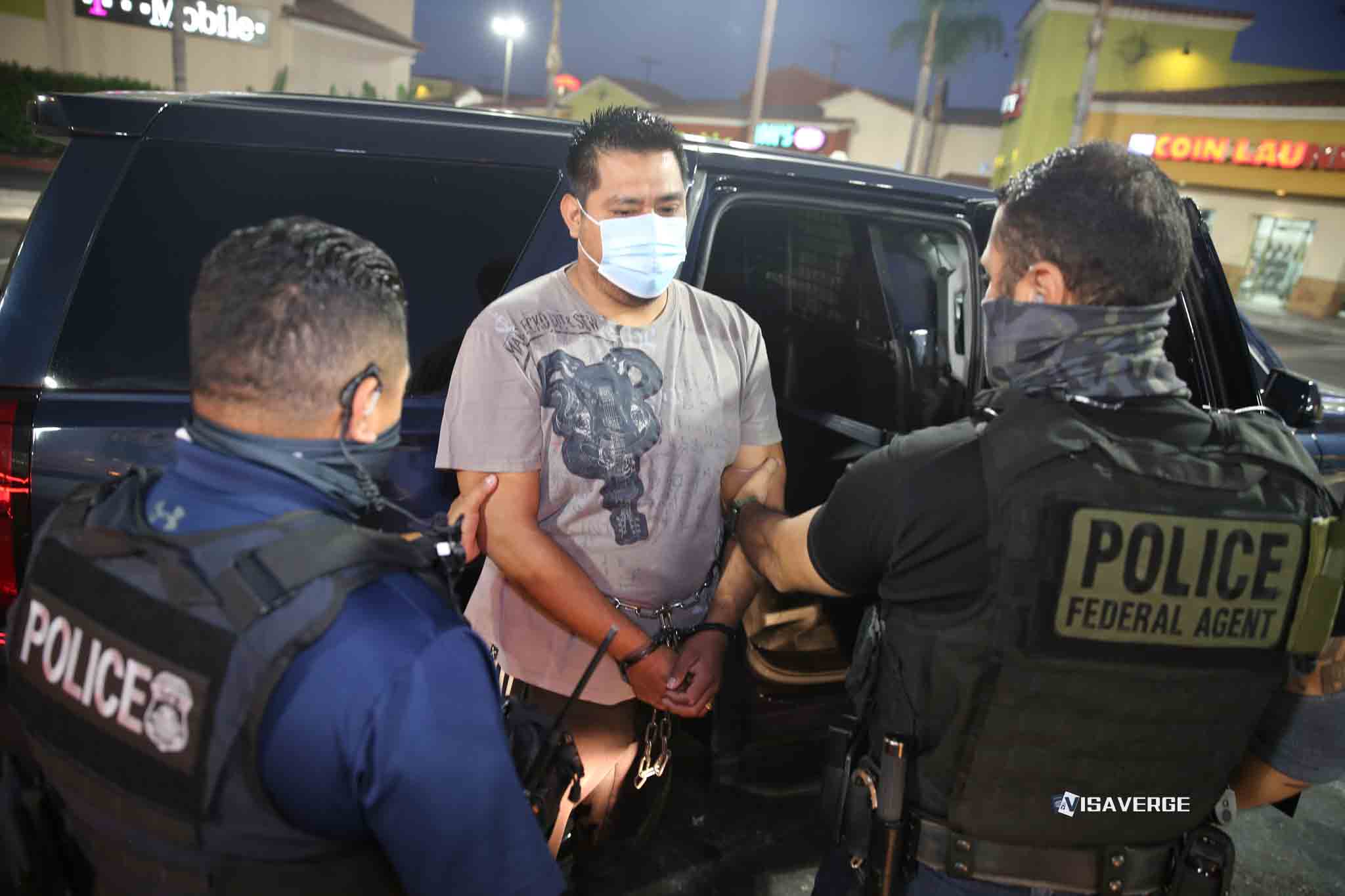
Surges tend to produce time-compressed decisions. People may be arrested late at night, moved between facilities, and scheduled for early interviews. Those conditions can increase disputes about access to interpreters, the ability to contact counsel, and whether people received clear notices about custody and hearing rights.
Controversy has intensified scrutiny. The operation has been linked to public protests and the fatal shootings of two U.S. citizens, Renee Good and Alex Pretti, by federal agents in January 2026. Even when those incidents are separate from a specific detainee’s case, they can raise oversight pressure and push courts to demand tighter reporting and clearer compliance.
5) Constitutional implications and leadership shifts
Courts and the executive branch have different jobs. ICE enforces immigration law under DHS. Federal courts enforce the Constitution and ensure agencies follow lawful process in individual cases. When a judge orders an action in a habeas case, the executive branch is expected to comply or seek modification.
Allegations of repeated violations raise the stakes. A single missed hearing might be corrected quietly, but a pattern suggests a systems problem such as staffing gaps, detention-capacity decisions, or a transfer practice that defeats Minnesota court oversight.
Leadership changes can affect consistency. Command direction matters for how field offices prioritize court dates, coordinate with detention contractors, and decide whether to move detainees to Texas. If top leadership sends mixed signals, compliance can slip. Personal accountability orders aim to prevent that.
6) Impact on individuals: bond hearings, transfers, and habeas petitions
Delayed or missing bond hearings can keep someone detained longer than a judge intended. For many detainees, that delay limits time to gather records, contact witnesses, or prepare for immigration court filings. It can also pressure a person into choices they would not otherwise make.
Transfers can cause the most immediate harm to due process. When someone is moved from Minnesota to Texas, legal counsel may become harder to reach. Family support can evaporate overnight, and evidence can remain at a distant home or workplace. Interpreter access may also be uneven, especially during quick processing.
Habeas petitions are often used to ask a federal judge to intervene when detention becomes unlawful or when court-ordered steps are not happening. During a surge, volume can spike because more people are detained and more errors occur under time pressure. Courts may also see repeat issues, such as people being released far from home and left to arrange travel back to Minnesota on their own.
| Metric | Count | Source |
|---|---|---|
| Arrests tied to Operation Metro Surge | over 3,000 arrests | U.S. Department of Homeland Security (DHS) statement dated January 19, 2026 |
| Habeas petitions filed in Minnesota in recent weeks | over 430 habeas petitions | U.S. District Court in Minneapolis filings referenced in court actions dated January 26, 2026 and January 27, 2026 |
| Claimed total “criminal illegal aliens” arrested | over 10,000 criminal illegal aliens arrested (Noem claim) | DHS statement dated January 19, 2026 |
| Claimed Minnesota arrests since the operation began | over 2,500 criminal illegal aliens arrested in Minnesota (Lyons claim) | ICE statement dated January 14, 2026 |
7) Official government sources and how to verify court compliance claims
Start with primary records, then compare statements to court orders. For agency statements, DHS.gov and ICE.gov are the main public portals, and newsroom posts usually include dates, locations, and quoted officials. Keep those dates straight, especially January 13, 2026, January 14, 2026, and January 19, 2026.
For court records, focus on the U.S. District Court in Minneapolis docket for the habeas case involving Juan Hugo Tobay Robles. Search by the party name in the court’s electronic docket system, then filter by January 14, 2026, January 26, 2026, and January 27, 2026. Look for terms like “order,” “show cause,” “bond hearing,” and “contempt.”
While reading filings, verify three points:
- The exact deadline the judge set, including the 7 days directive
- Whether ICE asked the court to extend or change that deadline
- Whether transfers to Texas occurred after the order, and what explanation the government gave
For legal background on habeas and court authority, publicly available references at law.cornell.edu can help, and justice.gov can provide general federal court context. If you are personally affected, consult a qualified immigration attorney. Outcomes can vary by facts and procedure.
✅ Readers should verify official court filings and DHS/ICE statements directly from DHS.gov and ICE.gov for cited figures
This article discusses legal proceedings and executive actions related to immigration enforcement. Consult official sources for precise rulings and procedural steps.
Content may affect individuals’ rights; information is intended for readers seeking understanding of due-process implications and agency accountability.