- Effective February 2025, Canadians staying over 30 days must register electronically upon arrival in the U.S.
- Failure to comply with new registration rules can result in significant fines for seasonal travelers.
- The proposed Snowbird Visa Act could extend stays to 240 days, but it is not yet law.
(UNITED STATES) Canadian snowbirds heading to the U.S. this winter face a stricter border process and a new compliance burden. Starting February 25, 2025, Canadians who stay more than 30 days must register electronically after arrival, and failure to do so can lead to fines. At the same time, the proposed Canadian Snowbird Visa Act remains a possible path to longer visits, but it is not law.
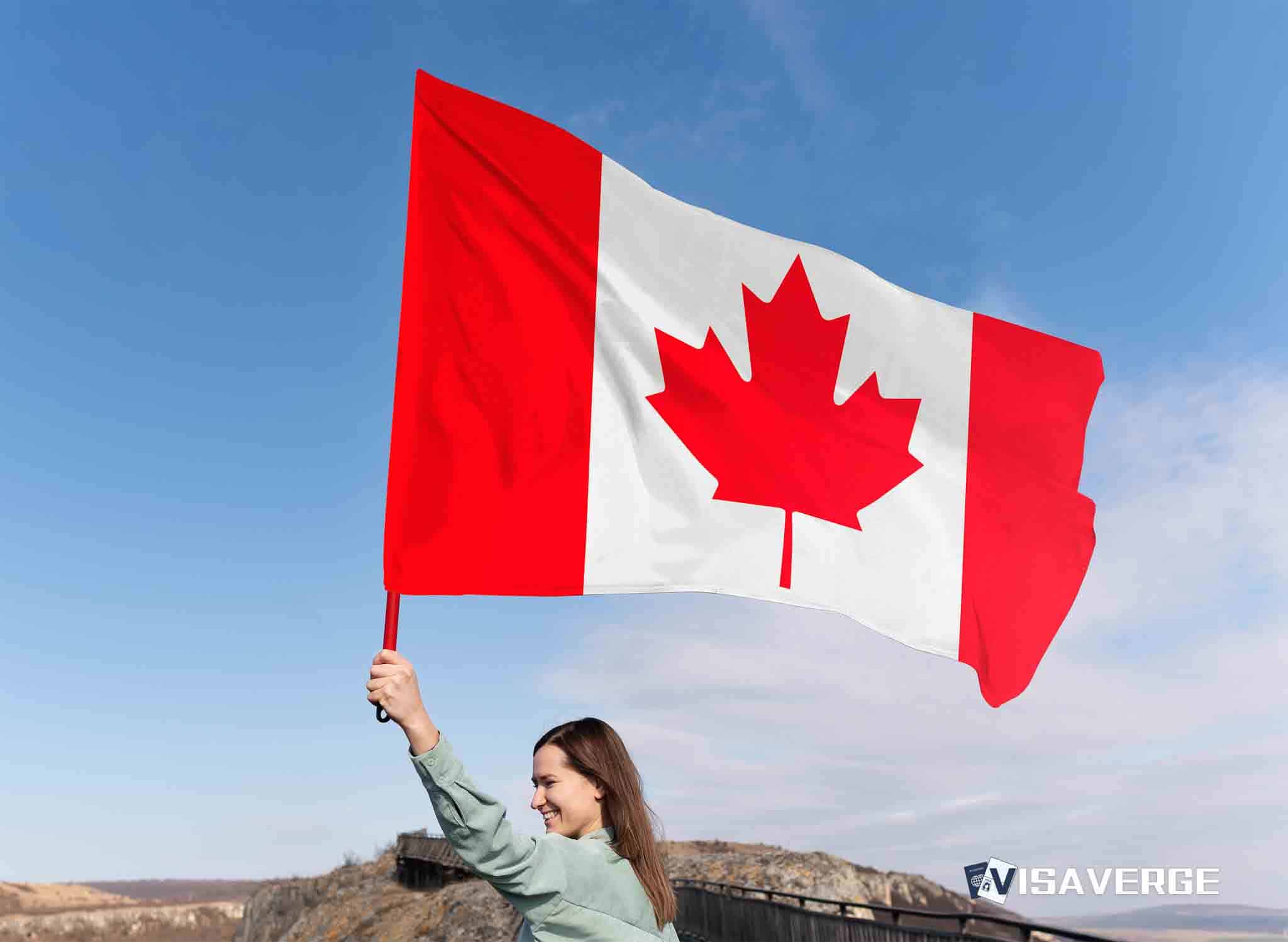
For Canadian snowbirds, that means the familiar seasonal trip now begins with paperwork, date tracking, and closer attention to border questions. Travelers who used to cross with little more than a passport now need to think about electronic registration, health coverage, customs limits, and tax exposure before leaving home. According to analysis by VisaVerge.com, the policy shift marks one of the most practical changes for older Canadians spending winter months in Florida, Arizona, and other warm states.
The first step at the border now starts with a clock
Free toolCanada Express Entry Points CalculatorThe new rule applies to Canadians entering the U.S. through land border crossings and planning to stay more than 30 consecutive days. Instead of treating the entry as a casual seasonal visit, authorities now expect Canadians to register electronically immediately upon arrival. That requirement matters because the entry date, length of stay, and departure date now affect more than vacation plans.
U.S. immigration attorney Rosanna Berardi described the change this way: “This is a great departure from what we’ve seen for decades. It was quietly introduced but will definitely affect a large number of Canadian snowbirds.” Her warning reflects the practical reality. Many Canadians spend months in the U.S. each winter. For them, even a missed registration step can create problems later.
At the border, officers may ask where travelers will stay, how long they expect to remain, and whether they understand the 30-day rule. Snowbirds should carry a passport, proof of their U.S. address, travel itinerary, and any rental or ownership papers that show where they will live during the season. The goal is simple: answer questions clearly and avoid confusion about the length of stay.
Electronic registration is now part of the travel routine
The requirement to register electronically is not optional for stays longer than 30 days. It applies on arrival, and it is designed to create a record of a Canadian visitor’s presence in the United States. Missing the deadline can trigger fines, so the safest approach is to complete the process right away and keep proof of submission.
Travelers should also watch their days carefully. A short winter visit can quickly turn into a longer stay, especially when flights are delayed, family plans change, or weather forces schedule changes. Anyone who expects to remain for more than a month should treat registration as one of the first tasks after crossing.
For official information on entry records and traveler rules, Canadian snowbirds can review U.S. Customs and Border Protection’s I-94 information page. That page explains the arrival record system that sits at the center of current border compliance.
A proposed visa could extend winter stays to 240 days
The Canadian Snowbird Visa Act, introduced on July 7, 2023 by U.S. Representatives Elise Stefanik and Greg Stanton, offers a possible longer-term fix for retirees who spend winters in the U.S. Under the proposal, Canadians aged 50 and older could stay in the United States for up to 240 days a year.
The plan includes limits. Eligible Canadians would need proof that they own or rent a home in the U.S. They would not be allowed to work for U.S. employers or seek public benefits. The proposal also says it would protect participants from being treated as U.S. residents for tax purposes.
A related measure, the Canadian Snowbirds Act of 2023, was reintroduced in February 2023 by Senator Marco Rubio and other senators. Both proposals have drawn bipartisan support, but neither has become law as of March 2025. For now, they remain bills to watch, not rules to follow.
Border policy changed, but winter travel still follows the same planning rules
The broader travel setting also matters. The land border was fully reopened by March 2025, yet the memory of the March 2020 shutdown still shapes behavior. Many Canadian snowbirds now plan earlier, carry more paperwork, and build backup time into their trips. That cautious mindset is smart. Border policy can change quickly, and winter travelers depend on predictable entry and exit dates.
The border process itself remains familiar in one way. Travelers still need to answer questions honestly and show that their stay fits the rules. Officers may ask about the purpose of the trip, the length of the visit, and where the traveler will stay. A calm, complete answer helps move the process along. Missing information slows everything down.
Health coverage becomes harder to protect during long stays
For many Canadian snowbirds, the biggest risk is not the border. It is health care. Extended time in the U.S. can strain provincial health coverage, and each province sets its own absence rules. In Ontario, residents can now spend up to 212 days outside the province each year while keeping OHIP coverage. That gives retirees more room to stay south for the winter.
Other provinces follow different rules. Travelers should check their own provincial limits before leaving. If they stay outside Canada too long, they risk losing coverage and facing large medical bills in the United States. Private travel medical insurance is not a luxury for long stays. It is a basic safeguard against emergency care, hospital costs, and unexpected treatment away from home.
Snowbirds should also carry their insurance card, policy number, and emergency contact details. If a spouse or adult child is managing affairs back in Canada, that person should have copies too. A medical problem in another country becomes easier to handle when paperwork is organized.
Tax residency can change faster than many retirees expect
Long U.S. stays also create tax risk. The Internal Revenue Service uses the substantial presence test to decide whether someone has spent enough time in the United States to be treated as a tax resident. For Canadian snowbirds, that status can trigger U.S. tax on global income and can also raise estate tax issues.
That does not mean every longer visit creates a tax problem. It does mean that day counts matter. A few extra weeks in Florida or Arizona can matter more than many travelers expect once the IRS formula is applied. Snowbirds who split time between two countries should keep records of every entry and exit.
Cross-border tax professionals help travelers avoid mistakes here. They can review day counts, home ties, and filing obligations before a winter trip starts. That planning matters most for retirees who spend several months in the U.S. each year and want to keep their Canadian tax and residency position stable.
What experienced snowbirds keep in their travel file
A well-prepared traveler keeps a simple folder, digital or paper, with the documents border officers and insurers may ask for. The most useful items are:
- Passport and entry stamps
- Proof of U.S. address, such as a lease or home record
- Private travel insurance documents
- Provincial health card
- Rental agreements or ownership papers
- Flight, ferry, or driving records
- Proof of electronic registration
Keeping these documents together reduces stress when plans change. It also helps if a traveler needs to show how long they stayed, where they lived, or when they left.
Canadian snowbirds have built their winter routines around warmth, family visits, and long stays in the southern United States. That routine now requires more discipline. Register electronically on time. Watch the 30-day limit. Check provincial health rules. Track days carefully for tax purposes. Those steps keep the winter escape simple, even as the rules around it become more exact.