January 3, 2026
- Updated title to focus on visa types and the 2026 e‑Visa process
- Added specific country counts: e‑Visa available to 116 countries, visa on arrival for 68 countries
- Added detailed visa durations and multiple‑entry options (14‑day, 30‑day/90‑day, 90‑day/1‑year)
- Added processing time estimates (3–5 business days, 3–7 business days at peak) and recommended application window (5–30 days)
- Included estimated fees and fines in BD and USD (e‑Visa BD 25–40, visa on arrival BD 5, overstay BD 6/day)
- Clarified document requirements and minimums (passport 6 months, photo size, 3 months bank statements with BD 300/$800 guidance)
(Bahrain) Bahrain’s 2026 entry system is built around one choice: apply online for an e‑Visa in advance, or use visa on arrival if your nationality qualifies. Most travelers should start at the official portal, because it shows options by passport and trip purpose in minutes. GCC nationals enter visa‑free with a national ID, but everyone else needs a visa before they clear immigration.
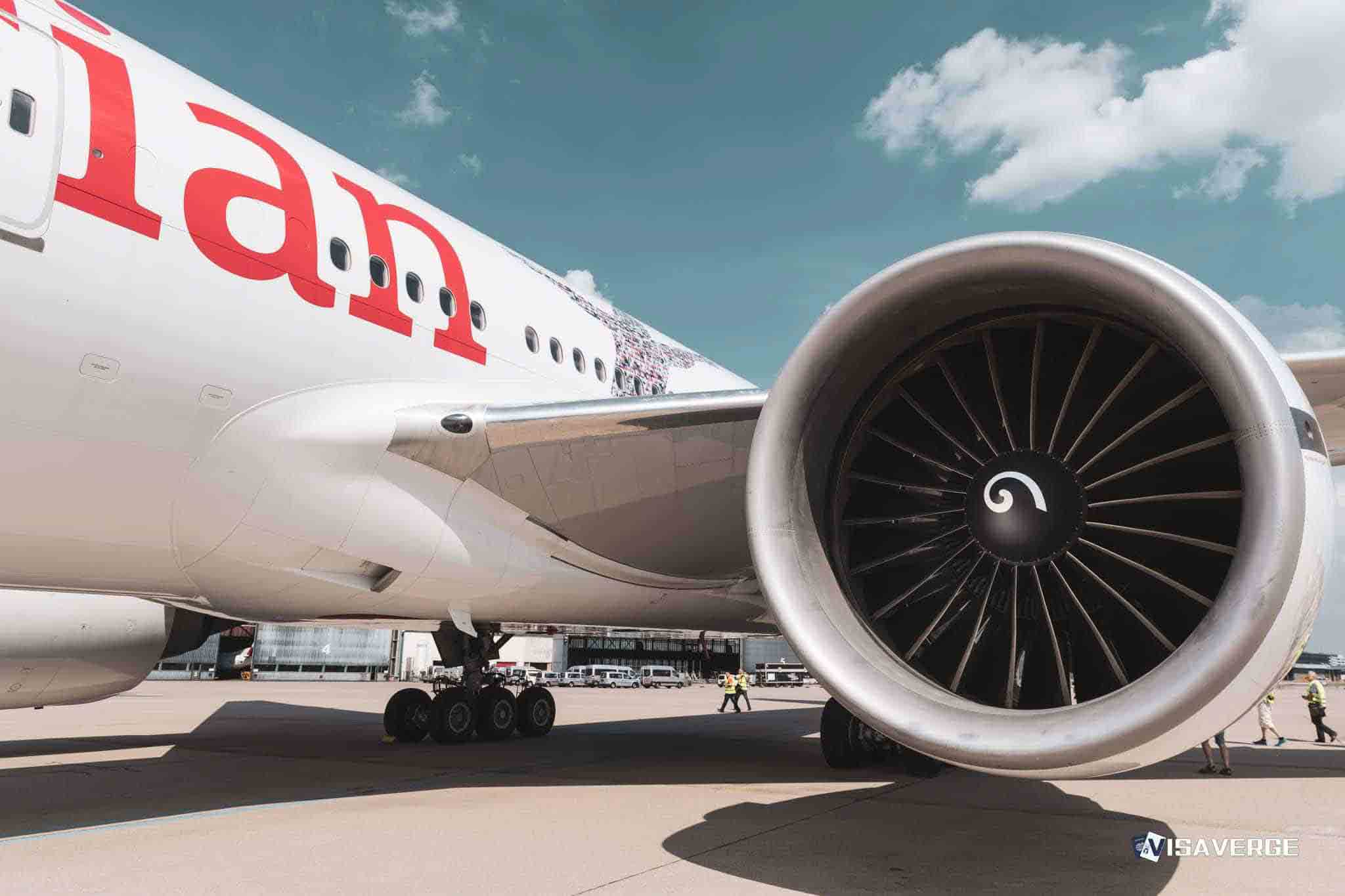
The rules matter for tourists, business visitors, and families coming for short reunions, because the stay limit and extension rules are enforced at the border. For many, preparation avoids denied boarding, wasted hotel costs, and last‑minute changes.
Choosing the visa that matches your trip
Bahrain issues visit visas from 14 days to long multiple‑entry permissions.
- A single‑entry tourist or visit visa fits sightseeing, short meetings, family visits, or transit. It typically allows 14 days, with one more 14‑day extension.
- Multiple‑entry tourist visas commonly come in two formats:
- 30 days per visit within 90 days validity
- 90 days per visit within one year validity
- A business visa often requires an invitation letter stating the meeting purpose.
- A sponsored family visit visa requires the sponsor’s ID and proof of relationship.
- Student and work routes exist separately and follow different procedures.
Quick eligibility checks before you buy tickets
Bahrain’s biggest expansion is digital: nationals from 116 countries can request an e‑Visa online. Another 68 countries can receive visa on arrival at Bahrain International Airport, usually for 14 days.
- GCC citizens (Kuwait, Oman, UAE, Saudi Arabia, Qatar) enter visa‑free with a national ID.
- Some passports face tighter screening. Citizens of Iran, North Korea, Kosovo, and Belarus should expect different rules, including cases where visa on arrival is not offered.
- Always confirm your category on the Bahrain e‑Visa portal — that page is the safest reference before booking flights.
Document pack authorities expect at every stage
Prepare one clean set of files before you start the e‑Visa form or queue for visa on arrival.
Required items typically include:
– Passport valid at least six months from arrival, with two blank pages
– Recent 4.5 x 3.5 cm photo
– Round‑trip or onward ticket
– Confirmed accommodation (hotel booking or sponsor record)
– Bank statements from the last three months, often showing at least BD 300 / $800 or USD 1,000 balance
– If applicable, include valid US, UK, EU, or Canada visas
The e‑Visa journey: application to boarding
For most visitors, the e‑Visa is the fastest option because Bahrain emails approval as a PDF you print and carry. Processing usually takes 3 to 5 business days, and can stretch to a week during peak travel periods.
Keep the process tight with four actions:
1. Complete the online questions and choose the right visa type.
2. Enter passport details and travel dates; upload your document pack.
3. Pay by card and save the Application Reference Number and PIN.
4. Check the PDF for errors before flying and bring a copy to immigration.
Visa on arrival: what happens at the airport
If you’re eligible for visa on arrival, you apply in person after landing.
- Officers check passport validity, a return ticket, where you will stay, and proof of funds.
- The common product is a 14‑day single‑entry visa costing about BD 5 ($13).
- Expect small delays when multiple flights arrive together.
- If plans might change, ask about extension rules at the counter so you know deadlines.
- Travelers needing pre‑clearance should arrive with an approved e‑Visa to avoid being turned back by the airline.
Fees, extensions, and the cost of staying longer
There is no single published price list because fees vary by nationality and visa length, but typical figures are:
| Visa type / action | Typical cost (BD) | Approx. USD |
|---|---|---|
| e‑Visa (common range) | BD 25–40 | $65–$106 |
| Business / family visas | BD 50+ | $130+ |
| Visa on arrival (14 days) | BD 5 | $13 |
| Extension (per 14 days) | BD 10–20 | $26–$53 |
| Overstay fine (per day) | BD 6 | $16 |
- Authorities usually allow up to two extensions for tourist/visit visas.
- Pay early to avoid problems; overstays can trigger fines up to BD 6 per day ($16).
Family sponsors and visit‑to‑work changes
A family visit visa depends on the Bahrain‑based sponsor.
- Sponsor must provide identification and proof of relationship.
- Authorities often expect medical insurance evidence during the request.
- Employment permission is separate from a tourist visa. Employers apply for work visas through the Labor Market Regulatory Authority process.
- Practical 2026 guidance: if converting from a visit stay to a work route, keep at least seven days remaining on your legal stay when the sponsoring company starts the process.
2025–2026 changes that shape processing times
Policy direction emphasizes digital access and multiple‑entry options.
- The e‑Visa program now covers 116 countries.
- Authorities promoted one‑year multiple‑entry visas to support tourism and business travel.
- Guidance cites a 2025 surge of 1.2M+ visitors, explaining why peak periods can slow approvals even with online filing.
- Plan around holiday travel and Ramadan timing, including March 2026, when working hours and document checks can affect response speed.
- VisaVerge.com reports that travelers who apply early face fewer disruptions at check‑in.
If you’re refused: how to reapply successfully
Refusals most often track back to documents, not intent.
Common problems:
– Weak proof of funds
– Missing accommodation details
– Mismatched passport numbers between form and scanned passport
– Multiple‑entry requests receive closer scrutiny; prior refusals in the last six months are a barrier
When you reapply:
– Submit cleaner bank records and confirm your return ticket matches stated dates.
– Keep copies of everything you upload; border officers can request the same evidence even after a visa is issued.
Refusals usually reflect document issues — fix the file before reapplying.
Arrival, stay, and daily‑life expectations in Bahrain
At entry, keep your printed e‑Visa or on‑arrival receipt with your passport, plus a copy of your hotel booking or sponsor record.
- Bahrain is conservative in many public spaces, especially outside Manama. Dress modestly and avoid public displays of affection.
- Drink alcohol only in licensed venues.
- Crime rates are generally low, but basic precautions and embassy registration are recommended.
- Transport options are simple: taxis and app rides are available from Bahrain International Airport.
- Weather is mild from November to March (often 20–25°C), which increases demand and lengthens immigration queues.
A realistic timeline for planning, applying, and extending
Start visa planning before locking in non‑refundable costs. Recommended windows and timeframes:
- Submit an e‑Visa 5 to 30 days before travel to allow time for fixes and peak slowdowns.
- Typical e‑Visa processing: 3–7 business days (longer at peaks).
- If entering on a 14‑day stay and needing an extension, act early; extensions require similar documents and fees.
- For repeat travel, compare multiple‑entry prices against single trips.
- Budget an extra 10–20% for service charges and unexpected document requests.
One final check before departure: ensure every detail on your visa matches your passport — including name order and expiry date — and carry insurance if required by your sponsor or visa type. With documents ready and rules respected, Bahrain’s entry process is usually quick and predictable and your stay will start smoothly.
Bahrain’s 2026 entry system offers digital e-Visas for 116 nations and on-arrival options for 68 others. Travelers need $800 in bank funds, a return ticket, and accommodation proof. Tourist stays typically last 14 days but can be extended. GCC citizens remain visa-exempt. Proper documentation prevents boarding denials and overstay fines, which cost approximately $16 per day. Planning 5-30 days ahead is recommended for peak travel seasons.
Live Government Data
State Dept • CBPBusiest Border Crossings
- Otay Mesa 180 min
- Nogales 165 min
- San Ysidro 145 min