- CBP officers maintain full authority to decide traveler admission at all U.S. ports of entry.
- Travelers must present specific required documents like passports, visas, or ESTA approvals based on their status.
- Honest, brief answers and accurate customs declarations are essential to avoid delays or secondary inspections.
(UNITED STATES) U.S. entry rules in 2026 still start with the same core reality: every traveler faces inspection, and CBP officers decide admission at the border. The process now also includes tighter attention to documents, device checks, and faster digital record access through the I-94 system.
For visitors, students, workers, and returning residents, the journey begins before the plane lands or the car reaches the checkpoint. Travelers who prepare the right papers, answer clearly, and know the CBP inspection steps move through the port of entry with fewer delays.
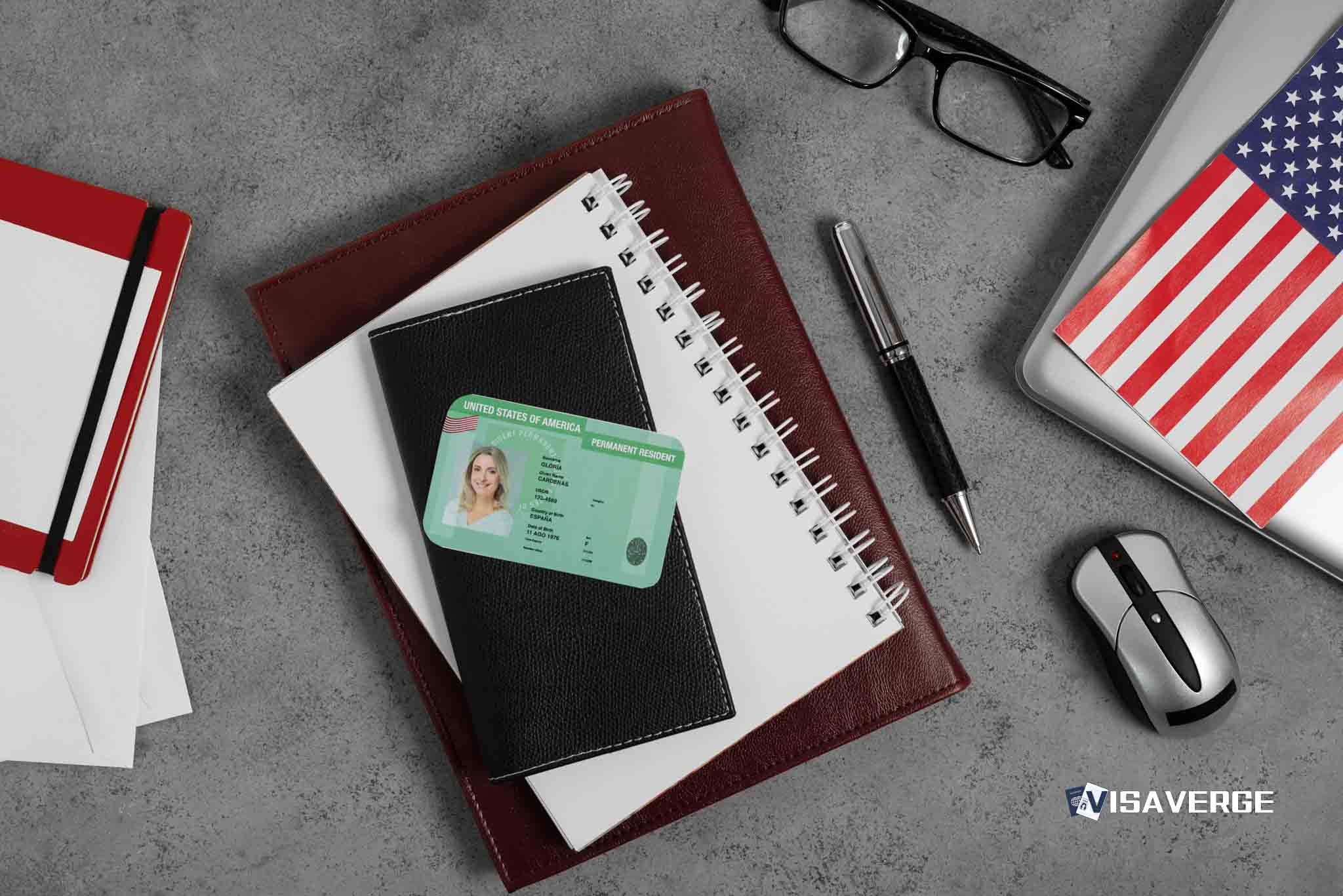
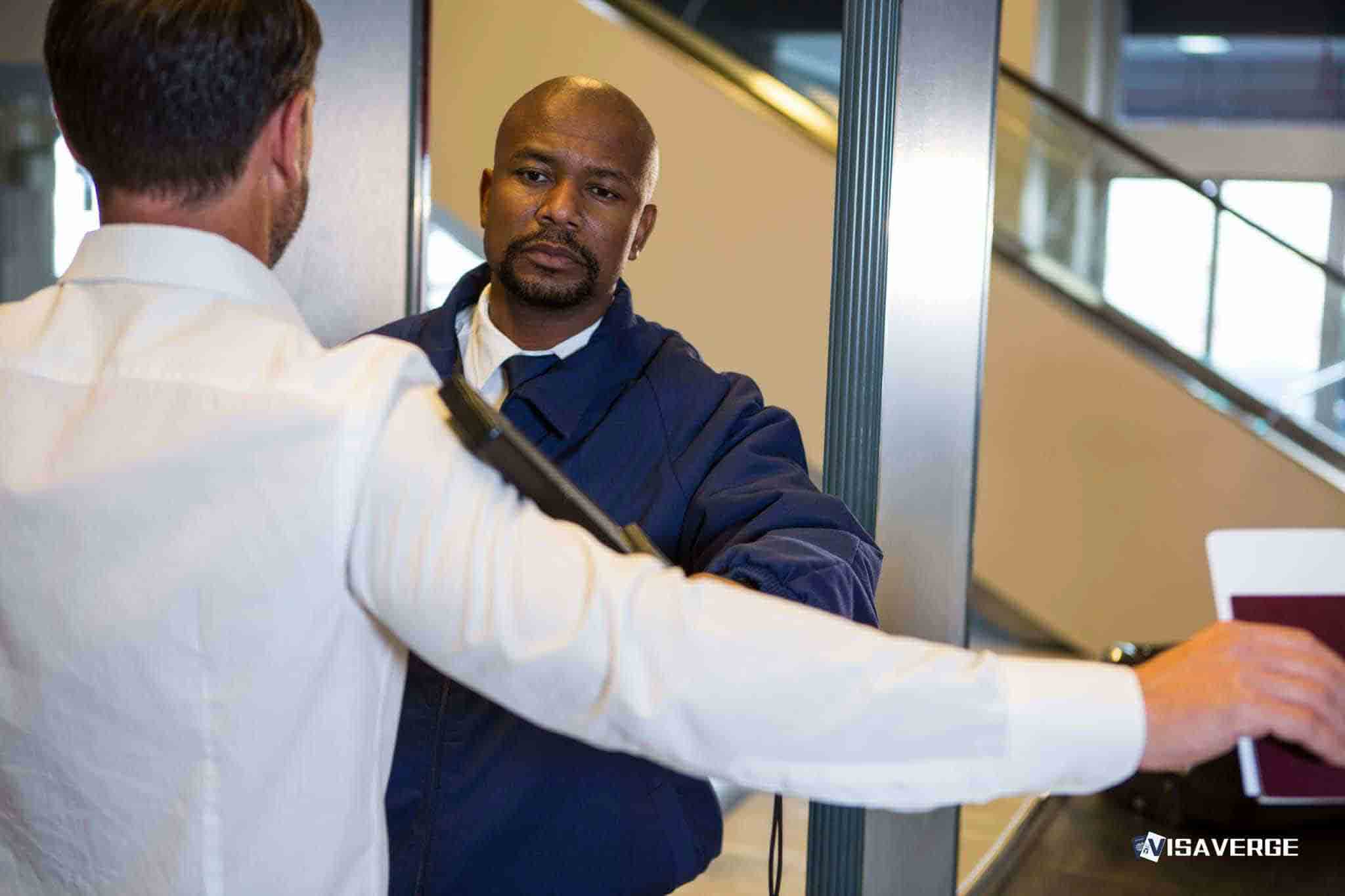
At an airport, seaport, or land crossing, officers first review identity and eligibility. That means a passport, visa, ESTA approval for Visa Waiver Program travelers, or another accepted travel document. Permanent residents should carry a valid green card and related documents. Children traveling alone or with one parent should bring proof of relationship, since officers sometimes ask for it.
Free toolB1/B2 Tourist Visa Stay Calculator onlineAir travelers should keep all documents in hand luggage, not checked bags. A missing passport in the hold can turn a routine arrival into a long wait. Visa holders should also keep any supporting papers tied to the trip, such as a school letter, employer letter, hotel booking, or return ticket.
After the document check, the officer asks questions about the trip. The questions are direct. They usually cover the purpose of travel, length of stay, where the traveler will live or stay, and whether the person has anything to declare. Honest, brief answers matter. Overexplaining often creates confusion. In 2026, officers still rely on the same basic rule: a traveler should say exactly what is true and nothing more.
Biometric/photo collection remains part of the entry process for most arrivals. Officers take fingerprints and capture a digital photo to verify identity and match records. For many travelers, this step is quick. For others, especially people with older records, name differences, or prior immigration issues, the check takes longer. According to analysis by VisaVerge.com, these identity checks now sit at the center of modern border screening because they help officers confirm who is entering and whether prior travel history matches the current record.
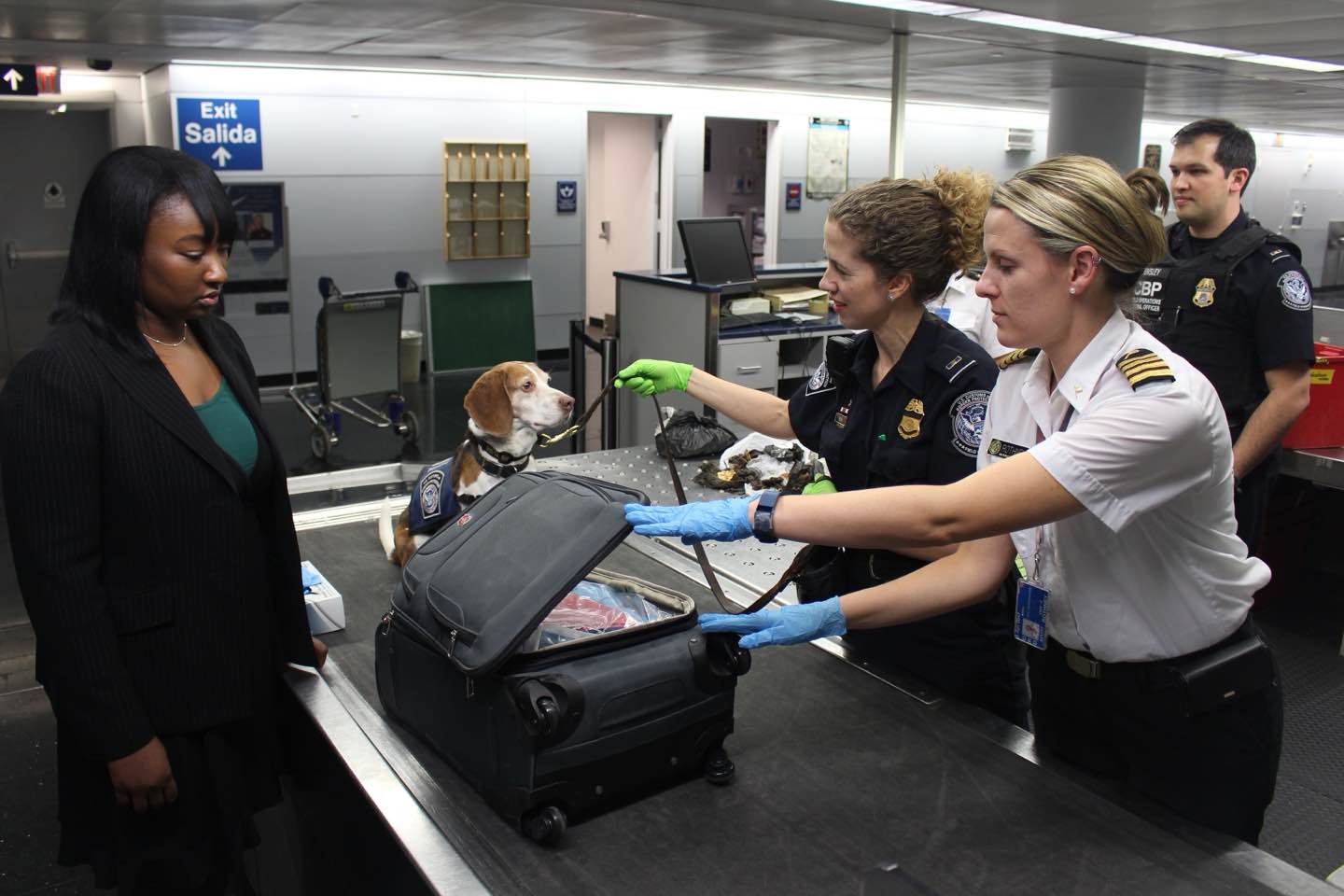
After the initial review, some travelers are sent to secondary inspection. That does not automatically mean refusal. It means a deeper review. Officers may ask more questions, compare records, or wait for a database check to finish. Secondary inspection often happens when a visa category needs closer review, a traveler has an unusual travel history, or the officer needs more time to confirm details. Travelers should stay calm, answer only what is asked, and avoid arguing at the counter.
Documents That Matter Most by Traveler Type
Tourists and business visitors need a valid passport, the correct visa or ESTA, and proof of the temporary nature of the trip. Students should carry their passport, visa, I-20, and school contact details. Exchange visitors should bring their DS-2019. Workers should carry their passport, visa, and employment evidence. Returning permanent residents should present their green card. U.S. citizens should bring a valid passport when returning by air.
Parents traveling with children should carry birth certificates or custody papers when the family structure is not obvious from the passport alone. Officers can ask for them, especially at land borders. Travelers entering with medicine, cash, or restricted goods should also be ready to explain those items.
Customs Declarations, Device Searches, and the I-94 Record
Every traveler must complete the customs declaration process and tell the truth about goods, currency, food, plants, animals, and other controlled items. Currency above $10,000 must be declared. False statements bring penalties and delays. Food, animal products, and agricultural items receive close attention because they can carry pests or disease.
Device searches are part of modern border control. CBP officers may inspect phones, laptops, tablets, and cameras during the entry process. Travelers should expect that devices can be reviewed for travel-related information. Passwords, social media, and message content can come under scrutiny. The safest approach is to keep devices organized, unlocked only when requested, and free of illegal or misleading material.
After admission, many travelers can retrieve their arrival record through the official I-94 website. This record proves lawful entry and shows the class of admission and the date of arrival. Travelers should check it soon after crossing, since errors can affect status extensions, school enrollment, work authorization, or future filings.
For official border guidance, CBP keeps updated traveler information on its official website. That site remains the main public reference for entry rules, inspection procedures, and port-of-entry expectations.
What Happens If Entry Is Delayed or Refused
A delay at the port of entry usually means the officer needs more time. It can happen after a document mismatch, a missing form, a device review, or a travel story that needs verification. The traveler should stay cooperative and keep answers consistent with the visa, ESTA, or resident status.
Refused entry is more serious. It can follow a finding that the traveler is inadmissible, lacks the right documents, or is not persuasive about the purpose of the trip. In some cases, a person is allowed to withdraw the request for admission and return immediately. In others, CBP issues a formal removal or other action. Travelers should ask for copies of any papers they receive and keep them with their travel records.
Land border crossings follow the same logic, but the setting often feels faster and more abrupt. Officers still expect the same documents, the same truthful answers, and the same readiness for secondary inspection if questions remain. Drivers should keep passports, vehicle papers, and supporting travel documents within easy reach before reaching the booth.
In 2026, the safest border strategy is simple. Bring the right documents. Declare what you carry. Answer directly. Expect biometric/photo collection. Be ready for secondary inspection. And check the I-94 record after admission, because the arrival record now matters just as much as the stamp in the passport.