- Ryanair threatens to cancel six Azores routes starting March 29, 2026, over high fees.
- Ongoing negotiations involve ANA Vinci Airports and the Portuguese government to reduce costs.
- Travelers should maintain flexible bookings as flights after March 2026 remain conditional and unconfirmed.
(AZORES, PORTUGAL) — Ryanair has signaled it will end six Azores routes from March 29, 2026 unless airport charges are reduced; as of January 21, 2026, no final cancellation has been made and talks with ANA (Vinci Airports) and the Portuguese government are ongoing.
What’s happening, and why the next schedule change matters
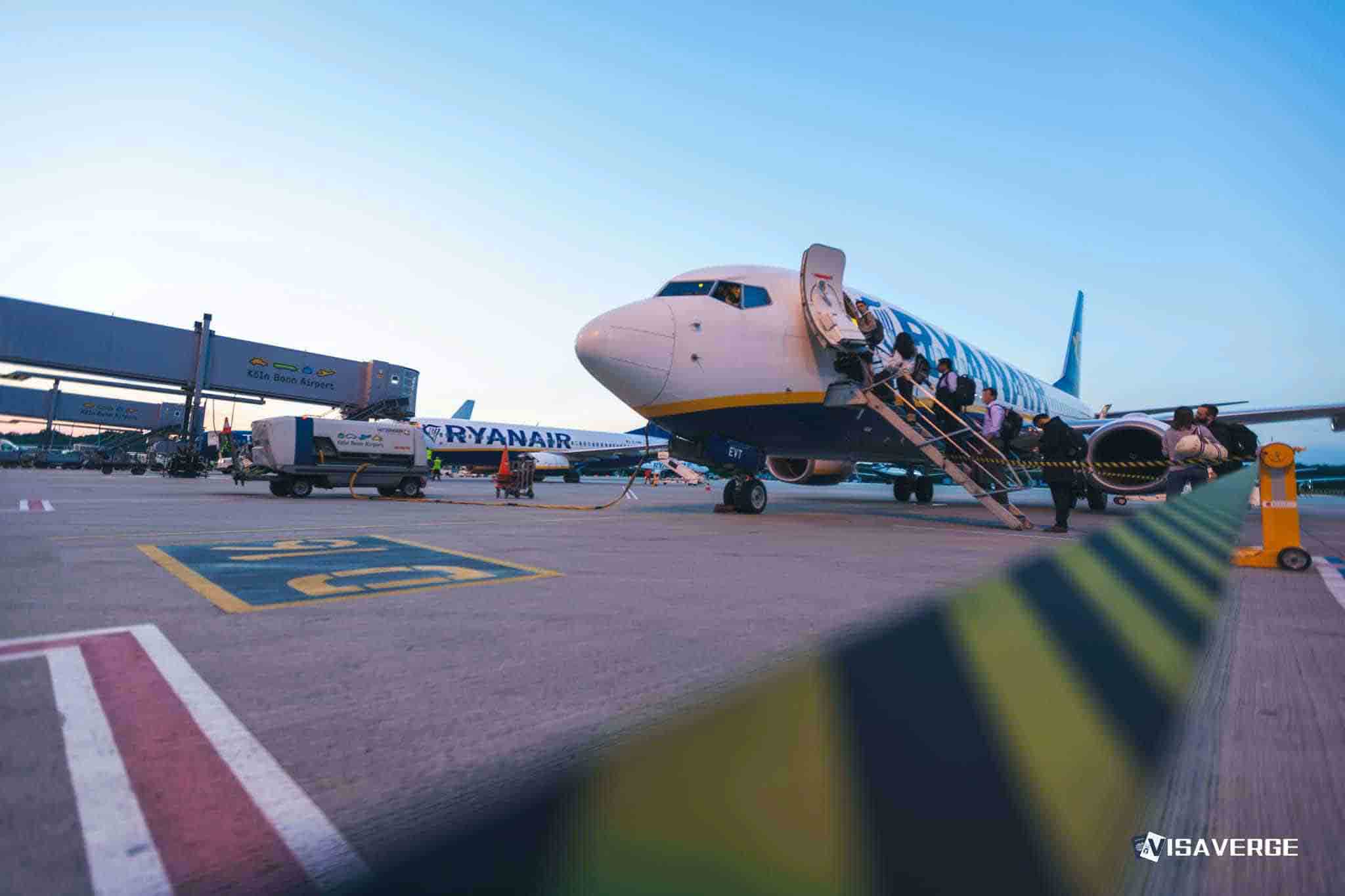
Ryanair’s warning dates back to November 2025. The airline said it intends to stop operating all six of its Azores routes unless airport fees and taxes fall. That creates a real planning problem for anyone booking spring and summer 2026 travel now.
March 29, 2026 is the key date because it lines up with the seasonal schedule change. Airlines typically lock in aircraft assignments and airport slots around that period. Decisions taken before then can reshape frequencies, days of operation, and even whether a route exists at all.
For travelers, simple. You may be able to book flights today that later get removed from the schedule if talks fail.
Routes and airports affected: check whether your trip is exposed
Focus first on your origin airport. The at-risk flying covers direct services from London Stansted (STN), Brussels South Charleroi (CRL), Lisbon (LIS), and Porto to Ponta Delgada (PDL) on São Miguel, plus other Azores airports on Ryanair’s network.
Domestic Portuguese flights to the Azores are described as unaffected. That matters if you can tolerate a connection through the mainland.
Use this quick check to see if your itinerary is in the “uncertainty window.”
- Find the flight number and date in your confirmation email and in “Manage Booking.”
- Confirm the operating carrier is Ryanair (not just a marketing listing through another seller).
- Compare your travel date to March 29, 2026. Flights on or after that date face the highest risk if negotiations break down.
- Watch for schedule change emails and re-check your booking every few weeks if you’re traveling in spring or summer 2026.
- Avoid stacking non-refundable add-ons (hotels, tours, inter-island flights) until your flight times look stable.
Note: a detailed, interactive list of affected routes and airports will be provided via the site’s interactive tool. Check the interactive tool for the most up-to-date route-by-route exposure and airport details.
Cost drivers Ryanair cites: airport charges and a carbon charge
Ryanair’s argument centers on costs set at the airport level. The airline says increases in airport charges by ANA (Vinci Airports) have made the Azores routes uneconomic. ANA has been operated by Vinci Airports since 2013.
Michael O’Leary and Jason McGuinness have also criticized what they call a “French airport monopoly,” and they have urged the Portuguese government to step in. Ryanair points to reported increases of up to 35%, plus a €2 carbon charge on low-cost departures.
Even small per-passenger charges can matter on low-fare routes. A route can look healthy when planes are full, then fail on paper once fees rise and winter demand dips.
| Cost Driver | Rationale | Impact on Routes/Fares |
|---|---|---|
| Higher airport charges | Ryanair says ANA (Vinci Airports) raised airport charges sharply | Routes become harder to justify; airlines may cut frequency or exit entirely |
| Carbon charge (€2) | Added per-departure cost aimed at low-cost operations | Pressures low headline fares; can reduce promotional pricing and seat growth |
| Island route economics | Longer sectors and seasonality can magnify cost changes | More “peak-only” flying, fewer winter options, and less schedule choice |
Passengers feel these costs indirectly. Fewer flights can mean higher fares on remaining seats, tighter connection options, and less flexibility if you need to change dates.
Ryanair’s broader 2026 strategy: cutting high-cost airports and shifting capacity
Ryanair has framed the Azores warning as part of a wider 2026 plan. The airline says it wants to cut capacity at higher-cost airports and redeploy aircraft elsewhere to keep fares low.
Examples already cited in its wider messaging include Vigo and Santiago de Compostela in Spain, Berlin, Hamburg, and Dortmund in Germany, plus regional French airports such as Brive, Bergerac, and Strasbourg.
When you see Ryanair use conditional language and a fixed deadline, treat it as a negotiating tactic with real operational consequences. Fleet and crew time are finite. Aircraft can be moved quickly once a decision is taken.
Current status and resolution outlook: what’s confirmed vs. what’s conditional
As of January 21, 2026, Ryanair has not made a final cancellation. Talks with ANA (Vinci Airports) and the Portuguese government are still in play up to the March 29, 2026 timeline.
An interactive status and resolution tool will present live, route-level updates and outcomes. Use that tool to see which specific flights or dates are confirmed, conditional, or removed.
- Deal and continuation: airport charges fall or are adjusted, and Ryanair keeps flying the six Azores routes.
- Partial cut: some routes survive while others end, or frequencies drop to peak-season only.
- Full suspension: Ryanair exits its Azores flying, removing up to 400,000 annual passenger seats from the market.
If your flight is changed or removed, your options usually fall into familiar buckets: rebooking to a new flight, a refund, or rerouting where available. Exact eligibility and compensation can depend on notice timing and the type of disruption.
Start with Ryanair’s “Manage Booking” tools and its customer support pages: Ryanair
✅ What affected travelers should do now: review booking details for March 29, 2026 or earlier, monitor Ryanair communications for schedule changes, and prepare flexible rebooking or refund options.
Impact on the Azores archipelago—and practical alternatives that don’t rely on guesswork
Air links are the Azores archipelago’s lifeline. A drop in seat capacity can hit tourism first, then ripple into business travel and resident connectivity. Fewer direct flights also concentrates demand onto a smaller set of departure days. That can raise prices and limit choice.
Take these steps if you’re planning travel in 2026:
- Prefer routings via Lisbon (LIS) or Porto when you need reliability. Domestic Portuguese flights to the Azores are described as unaffected, so a two-leg trip may reduce risk.
- Consider different island airports if your plans are flexible. Availability can vary by island, season, and carrier partnerships.
- Shift your travel dates away from late March 2026. The closer you are to March 29, 2026, the more exposed you are to schedule reshuffles.
- Book lodging with strong cancellation terms. Match your hotel policy to the flight uncertainty window.
- Separate “must-do” commitments from “nice-to-do” plans. Place fixed events after your flight situation is settled.
For digital nomads: plan for schedule instability, not just price
Remote workers choosing São Miguel or nearby islands often commit to longer stays. Flight availability matters more when you’re carrying work gear or when you need to leave on short notice.
Build a simple buffer plan:
- Add 48–72 hours of slack at the start of a stay if you have deadlines.
- Arrange backup connectivity (a local SIM, a second eSIM, or a coworking option) in case you arrive late and miss check-in windows.
- Keep a “return path” ready via Lisbon or Porto if a direct flight disappears.
- Avoid prepaid, non-changeable inter-island tickets until your inbound flight is stable.
March 29, 2026 is the date that should drive your decisions: treat any Ryanair Azores booking on or after that day as conditional, and keep your plans flexible until the airline either confirms the schedule or removes the flight.
Live Government Data
State Dept • CBPBusiest Border Crossings
- San Ysidro 90 min
- Tecate 80 min
- Nogales 60 min